How to Dry Motorcycle Gloves: Quick & Safe Methods Revealed

Getting your motorcycle gloves wet can be frustrating, especially when you need them dry and ready to ride again. You might be wondering how to dry them quickly without damaging the material or losing their fit.
If you’ve ever struggled with soggy gloves that feel stiff or uncomfortable, this guide is for you. Keep reading to discover simple, effective ways to dry your motorcycle gloves safely, so you can get back on the road with confidence and comfort.
Choosing The Right Gloves
Choosing the right gloves plays a vital role in drying motorcycle gloves properly and extending their life. Different gloves require different care, based on their materials and features. Understanding glove types helps with glove moisture management and preventing glove damage. Picking gloves with suitable materials and water resistance makes glove maintenance techniques easier and more effective. This section explains key factors to consider for your gloves to keep them dry and durable.
Material Types
The material of your gloves affects how you should dry them and how long the drying time for gloves will be. Some materials dry quickly, while others need special care. Knowing the main glove materials helps with choosing the right drying method.
- Leather: Offers strong protection but absorbs water and takes longer to dry. Requires careful leather glove drying tips to prevent cracking and stiffening.
- Synthetic fabrics: Include polyester, nylon, and other man-made fibers. These dry faster and are easier to care for. Use synthetic glove drying methods for best results.
- Textile mesh: Lightweight and breathable, these gloves dry quickly but may need extra cleaning to avoid odor.
- Kevlar or reinforced materials: Provide extra protection but may take longer to dry due to thickness.
| Material | Drying Time | Care Tips |
|---|---|---|
| Leather | 12-24 hours | Dry away from heat, use leather conditioner |
| Synthetic | 4-8 hours | Air dry, avoid direct sunlight |
| Textile Mesh | 2-6 hours | Wash gently, air dry |
| Kevlar/Reinforced | 8-12 hours | Air dry, avoid twisting |
Understanding the glove material drying guide is key to effective motorcycle glove care. Leather gloves need slow drying to avoid damage. Synthetic gloves handle moisture better and dry faster. Always follow specific instructions for your glove type.
Water Resistance Features
Water resistance affects how gloves handle moisture and their drying needs. Some gloves are built as waterproof motorcycle gloves, which helps keep hands dry but changes drying methods.
Gloves with water resistance usually have special coatings or membranes that block water. These features slow down water absorption but may trap moisture inside. Proper glove moisture management includes airing out gloves thoroughly after use to prevent odor and damage.
- Waterproof membranes: Materials like Gore-Tex stop water but allow sweat to escape.
- Water-repellent coatings: Make surfaces resist water but can wear off over time.
- Sealed seams: Prevent water from entering through stitching.
| Feature | Benefit | Drying Advice |
|---|---|---|
| Waterproof Membranes | Keeps external water out | Air dry inside and out to avoid trapped moisture |
| Water-Repellent Coatings | Resists light rain and splashes | Reapply coating to maintain effectiveness |
| Sealed Seams | Prevents water entry at joints | Check seals regularly, dry thoroughly |
Choosing gloves with good water resistance helps reduce water buildup inside. It supports easier and safer drying motorcycle gloves routines. Combine this with proper glove maintenance techniques to keep gloves comfortable and durable.
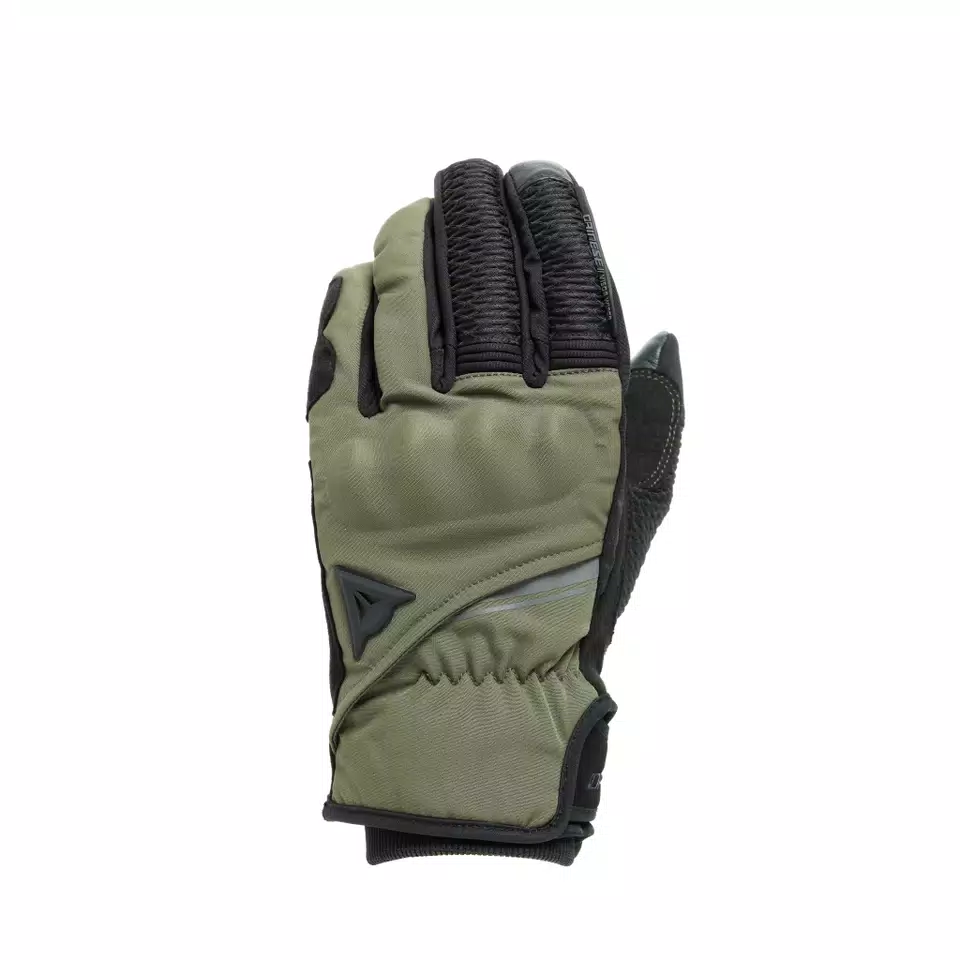
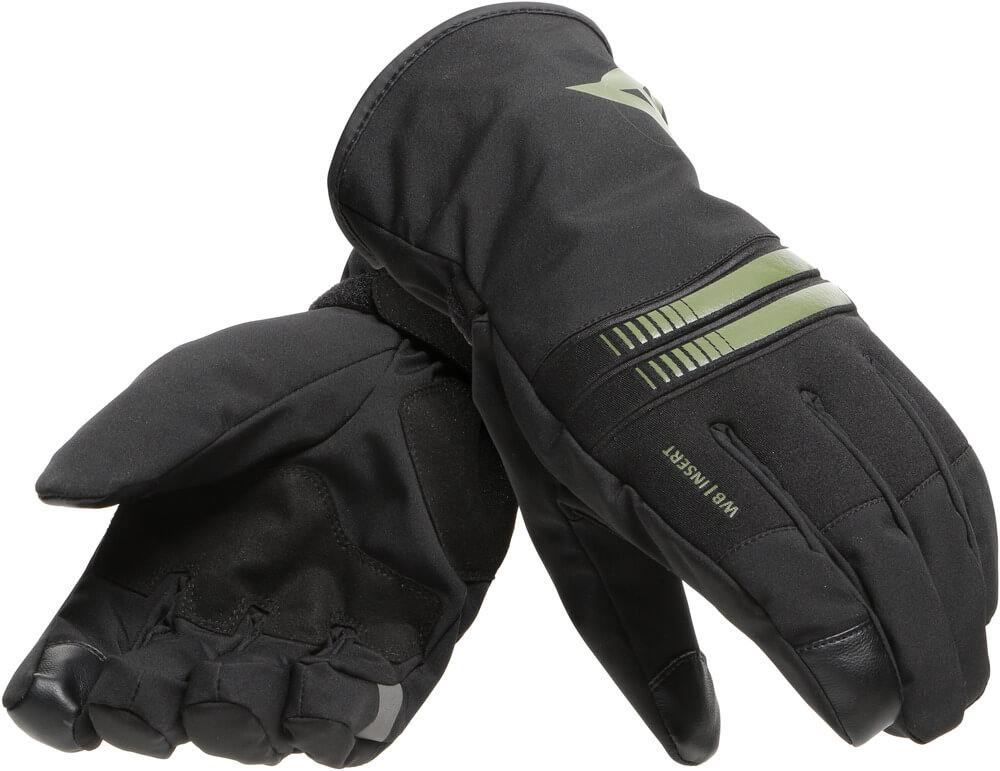
Credit: www.dainese.com
Initial Steps After Use
After a ride, the initial steps after use are crucial for keeping your motorcycle gloves in good shape. Proper glove maintenance starts right away. Dirt, sweat, and moisture can damage gloves over time if not addressed quickly. Taking the right actions helps with drying motorcycle gloves safely and extends their life. This section covers two important steps: removing dirt from gloves and wringing out gloves to remove excess water.
Removing Dirt And Debris
Cleaning motorcycle gloves begins with removing dirt from gloves. Outdoor riding leaves dust, mud, and debris on your gloves. Dirt can break down the material, especially leather. Proper cleaning ensures your gloves stay flexible and comfortable.
Start by shaking the gloves gently to loosen loose dirt and dust. Then use a soft brush or cloth to wipe off stubborn particles. Focus on seams and crevices where dirt collects.
- Use a soft brush for dirt in hard-to-reach areas.
- Wipe gloves with a damp cloth to remove surface dirt.
- Avoid harsh scrubbing to protect leather or fabric.
- For heavy mud, rinse briefly with cold water before drying.
Follow these gloves care tips to avoid damage:
| Do | Don’t |
|---|---|
| Use gentle cleaning methods | Use bleach or strong detergents |
| Brush off dirt carefully | Scrub hard or use abrasive tools |
| Dry gloves naturally | Place gloves in direct sunlight or near heat |
Removing dirt quickly improves the effectiveness of drying techniques for gloves. Clean gloves also help prevent odors and skin irritation.
Wringing Out Excess Water
After cleaning, the next step is wringing out gloves to remove water. Excess moisture slows drying and can damage leather or stitching. Correct moisture removal gloves methods speed up the process and keep gloves soft.
Do not twist gloves tightly. This can stretch or tear the material. Instead, press gently to release water without deforming the gloves.
- Hold one glove with both hands.
- Press the palm and back of the glove together firmly.
- Repeat for fingers, squeezing out water carefully.
- Do not wring or twist sharply.
After pressing, use a dry towel to absorb remaining moisture by patting the gloves. This helps prepare them for air drying gloves properly.
Important drying leather gloves care tips:
- Never use a dryer or direct heat source.
- Let gloves dry at room temperature on a flat surface.
- Stuff gloves with paper towels to maintain shape.
Following these steps improves drying motorcycle gloves results and prevents damage. Proper wringing and drying help keep gloves comfortable and safe for the next ride.
Drying Techniques
Drying motorcycle gloves properly is essential to keep them comfortable and long-lasting. Choosing the right drying techniques helps with glove moisture removal and prevents damage. Proper care also aids in preventing glove odor, a common issue with wet gloves. Understanding different methods ensures safe and effective drying, whether using fabric motorcycle gloves care or leather glove drying methods. Below are three key techniques to dry your gloves efficiently.
Air Drying
Air drying gloves is the safest and most common method. This technique uses natural airflow to evaporate moisture without exposing gloves to heat. Air drying is gentle on materials and helps maintain glove shape and flexibility.
Follow these simple steps for effective air drying:
- Remove gloves from your motorcycle gear immediately after use.
- Turn gloves inside out to expose inner lining.
- Place gloves on a flat, dry surface or hang them in a well-ventilated area.
- Avoid direct sunlight, which can fade colors and damage leather.
- Allow at least 24 hours for complete drying depending on humidity.
Air drying gloves reduces risks related to heat and ensures glove maintenance tips are followed. This method works great for most glove types, especially delicate fabrics and leather. It supports quick dry motorcycle gloves care when time allows and prevents stiffness or cracking.
Using A Towel
The towel drying technique helps remove excess moisture quickly before air drying. It is a practical step in drying motorcycle gloves to speed up the process and minimize wetness inside.
Use a clean, dry towel and follow these tips:
- Gently squeeze gloves to remove water without twisting or wringing.
- Place gloves flat on a towel and press gently to absorb moisture.
- Turn gloves and repeat on the inside to dry inner lining.
- Use a second dry towel if the first becomes too wet.
- Finish by air drying gloves in a ventilated spot for best results.
This method enhances glove moisture removal and reduces drying time. It suits all glove materials and helps maintain glove shape. Toweling prevents prolonged dampness, which could lead to odor or material damage. Proper towel drying supports fabric motorcycle gloves care and leather glove drying methods.
Applying Heat Sources
Using heat to dry gloves can be risky. Heat drying risks include shrinking, hardening, or damaging glove materials. Many gloves have sensitive fabrics or leather that react poorly to direct heat.
If using heat, follow these safety tips:
- Keep gloves at least 12 inches away from heaters or radiators.
- Use a low heat setting on devices like hair dryers.
- Move heat source constantly to avoid hot spots.
- Never place gloves in a clothes dryer or direct sunlight.
- Stop heating once gloves feel dry to the touch.
Heat can speed up drying but often compromises glove quality. This method suits only quick dry motorcycle gloves designed for gentle heat. Always prioritize glove maintenance tips to avoid damage. Consider heat drying only when time is limited and other methods are not possible.
Credit: www.fortamoto.com
Avoiding Common Mistakes
Drying motorcycle gloves seems simple but many make mistakes that harm the gloves. Avoiding common mistakes helps keep gloves strong and comfortable. Using the right methods protects the material and shape. Air drying motorcycle gloves is best for most types. This guide shares tips for prevent fabric damage motorcycle gloves and maintaining glove shape. Follow these glove care tips to extend your gloves’ life.
Preventing Fabric Damage
Many damage gloves by drying too fast or using heat. Quick drying gloves with direct heat causes cracking, shrinking, or stiffness. Leather and textile gloves need gentle care.
To protect your gloves, avoid:
- Using a dryer or direct sunlight
- Applying hair dryers or heaters directly on gloves
- Twisting or wringing gloves to remove water
Instead, follow these drying techniques for leather gloves and other materials:
- Gently press the gloves with a towel to soak extra water
- Lay gloves flat on a clean, dry surface in a cool, airy place
- Use a fan for gentle air circulation, not direct heat
- Stuff gloves with paper towels to absorb moisture inside
| Drying Method | Effect on Gloves | Recommended? |
|---|---|---|
| Direct heat (radiators, dryers) | Dries fast but damages material | No |
| Air drying in shade | Preserves material and shape | Yes |
| Fan-assisted drying | Speeds drying without damage | Yes |
| Wringing or twisting | Deforms gloves and weakens fabric | No |
Preserving glove material means patience. Quick drying may seem helpful but harms gloves over time. Follow this glove maintenance guide for long-lasting gear.
Maintaining Glove Shape
Keeping the original shape prevents discomfort and poor fit. Maintaining glove shape avoids creases and shrinkage that reduce protection.
Common mistakes cause avoiding glove shrinkage to fail:
- Drying gloves in tight positions or hanging
- Ignoring internal moisture buildup
- Storing gloves before fully dry
Correct steps for shape care include:
- Fill gloves with dry paper towels or cloth to keep finger form
- Lay gloves flat on a surface with fingers spread out
- Check gloves during drying and adjust stuffing if needed
- Store gloves in a breathable bag after completely dry
These steps form the core of glove care tips. They support the glove’s structure and comfort. Avoid tight folds or crumpling. Keep gloves in a natural shape to fit well during rides.
Remember, drying motorcycle gloves is more than removing water. It means preserving glove material and form for safety and comfort. Use this guide to protect your gloves every time.
Additional Tips For Care
Proper care extends the life of your motorcycle gloves and keeps them comfortable. Additional tips for care help with moisture removal from gloves and prevent damage. Following these tips aids in maintaining motorcycle gloves and preventing glove odor. Using the right methods supports glove care and maintenance, especially after wet rides. This section covers two key points: using glove dryers and storing gloves properly.
Using Glove Dryers
Using glove dryers is an effective way to speed up drying leather motorcycle gloves and textile ones. These devices blow warm air inside the gloves, removing moisture quickly and safely. They help avoid damage caused by direct heat or sunlight, which can make leather stiff or crack.
Benefits of glove dryers:
- Fast moisture removal: Dries gloves within hours.
- Prevents glove odor: Reduces bacteria growth by drying completely.
- Protects glove material: Maintains leather softness and textile flexibility.
- Easy to use: Simply place gloves on the dryer’s nozzles.
Tips for using glove dryers:
- Choose a dryer with adjustable temperature settings.
- Set the dryer to low or medium heat to avoid damage.
- Check gloves periodically during drying.
- Do not leave gloves in the dryer for more than 4 hours.
| Type of Glove | Recommended Dryer Setting | Drying Time |
|---|---|---|
| Leather Motorcycle Gloves | Low Heat | 2-3 hours |
| Textile Motorcycle Gloves | Medium Heat | 1-2 hours |
Using glove dryers is a smart step in motorcycle glove drying tips. It keeps gloves fresh and ready for your next ride.
Storing Gloves Properly
Proper glove storage is crucial for long-lasting gloves. After how to air dry gloves or using dryers, store them in a dry, cool place. Avoid damp or sunny spots to stop mold and fading.
Good storage habits include:
- Keep gloves flat or in their natural shape to avoid creases.
- Use breathable fabric bags or containers to allow air circulation.
- Store gloves away from heat sources like radiators.
- Check gloves regularly for signs of moisture or damage.
Preventing damage during storage helps with glove care and maintenance. Here is a simple checklist for proper glove storage:
- Ensure gloves are fully dry before storing.
- Place gloves in a cool, dry environment.
- Avoid plastic bags that trap moisture.
- Keep gloves away from sharp objects or heavy items.
Good storage practices improve comfort and extend glove life. Proper storage also supports preventing glove odor by stopping bacteria growth. Combine these tips with drying textile motorcycle gloves or leather gloves correctly for best results.
Credit: seacoastsport.com
FAQs For How to Dry Motorcycle Gloves
How Long Does It Take To Dry Motorcycle Gloves?
Drying time depends on glove material and drying method. Air drying usually takes 6-12 hours. Using a fan speeds it up. Avoid direct heat to prevent damage. Always check gloves are fully dry before storage or use.
Can I Use A Dryer For Motorcycle Gloves?
Using a dryer is not recommended. High heat can shrink or damage glove materials. Instead, air dry gloves naturally or use a fan. This preserves their shape, fit, and protective qualities.
What Is The Best Way To Dry Leather Motorcycle Gloves?
Pat leather gloves with a dry cloth to remove moisture. Stuff them with paper towels to maintain shape. Air dry them away from direct sunlight or heat sources for several hours.
How To Prevent Odor While Drying Motorcycle Gloves?
Wash gloves regularly with mild detergent. Air dry completely to prevent bacteria growth. Use glove deodorizers or sprinkle baking soda inside to absorb odors. Proper drying keeps gloves fresh and odor-free.
Conclusion
Drying motorcycle gloves properly keeps them in good shape and safe to use. Avoid direct heat to stop damage. Use gentle air drying or towel drying instead. Check gloves often during drying to keep their form. Clean gloves before drying to remove dirt and sweat.
Dry gloves fully to prevent bad smells and germs. Taking care of gloves this way helps them last longer. Ready for your next ride with dry, comfy gloves!