Do Leather Motorcycle Gloves Stretch: Ultimate Guide to Fit & Comfort 2026

If you’ve ever bought leather motorcycle gloves, you might wonder—will they stretch out to fit your hands better? You want gloves that feel snug but not tight, offering both comfort and control while you ride.
Understanding how leather behaves can save you from frustration and help you choose the right gloves from the start. Keep reading to discover how leather gloves change over time and what that means for your riding experience.
How Leather Gloves Fit
Choosing the right fit for leather motorcycle gloves is crucial for comfort and safety. Motorcycle glove fit affects grip, control, and protection on the road. Leather is a popular material for gloves due to its durability and natural elasticity. Understanding how leather gloves fit helps riders pick the best pair and know what to expect after wearing them. The fit changes slightly over time during the glove break-in period, which makes the gloves more comfortable without losing protection.
Types Of Leather Used
The type of leather impacts the glove material durability and stretch. Different leather types motorcycle gloves use give unique feels and performance. Common leather types include:
- Cowhide: Thick and tough, offering excellent protection and long life.
- Goatskin: Softer and more flexible, with good abrasion resistance.
- Deerskin: Lightweight and very soft, providing great comfort and flexibility.
- Kangaroo leather: Strong and thin, known for durability and good elasticity.
Here is a quick comparison:
| Leather Type | Durability | Flexibility | Common Use |
|---|---|---|---|
| Cowhide | High | Medium | Protective Motorcycle Apparel |
| Goatskin | Medium | High | Gloves requiring flexibility |
| Deerskin | Medium | Very High | Lightweight gloves |
| Kangaroo | Very High | High | Premium, durable gloves |
The choice affects the leather glove elasticity and overall feel. Some leathers stretch more during the leather stretching process. This impacts the glove comfort and flexibility over time. Riders should consider leather type based on riding style and protection needs.
Initial Fit Characteristics
Leather gloves often feel tight at first. This is normal due to the thick material and protective padding inside. The motorcycle gear sizing must be accurate for safety and comfort. Gloves that are too loose reduce grip, while tight gloves may restrict movement.
Key points about the initial fit:
- Snug fit: Gloves should fit tightly but not painfully.
- Finger length: Fingers should reach the end of the glove without excess space.
- Wrist fit: Secure but not too tight to avoid cutting circulation.
- Padding feel: Protective areas may feel stiff but soften after use.
The leather glove maintenance routine helps keep the fit consistent. Conditioning the leather prevents cracking and maintains elasticity. The leather stretching process occurs naturally during the glove break-in period. Gloves become more flexible and comfortable after a few rides.
During this time, riders notice:
- Leather softens and molds to hand shape.
- Movement becomes easier without losing protection.
- Initial tightness reduces but fit remains secure.
Understanding these fit changes ensures riders choose gloves that protect well and feel great on every ride.
Factors Influencing Stretch
Leather motorcycle gloves often change shape after some use. Understanding the factors influencing stretch helps riders choose the right gloves. Stretch depends on several key elements, including the type of leather, how the glove is made, and how often it is worn. These factors affect motorcycle glove fit and glove comfort over time. Knowing them helps predict how gloves will behave and feel on your hands.
Leather Quality And Thickness
The leather quality and thickness play a big role in how much a glove stretches. High-quality leather usually has better leather stretching properties. It softens and molds to the hand without losing strength. Thin leather stretches more easily but can wear out faster. Thick leather offers more glove material durability but stretches less.
- Soft, full-grain leather: Offers good elasticity and comfort.
- Split leather: Less elastic, tends to stretch less but may feel stiffer.
- Thickness levels: Thin leather (less than 1mm) stretches quickly, thick leather (over 1.2mm) stretches slower.
Here is a simple table showing the impact of leather thickness on glove stretch:
| Leather Thickness | Stretch Potential | Durability |
|---|---|---|
| Thin (0.8-1.0 mm) | High | Low to Medium |
| Medium (1.0-1.2 mm) | Medium | Medium |
| Thick (1.2+ mm) | Low | High |
Glove Construction And Stitching
Glove stitching impact strongly affects the stretch and fit of leather gloves. Stitches hold the leather panels together and can limit or allow movement. Tighter, dense stitching creates a stiff glove with less stretch. Loose or flexible stitching lets the leather move more, improving motorcycle gear flexibility.
Common stitching styles include:
- Single stitch: Simple, allows moderate stretch.
- Double stitch: Stronger, limits stretch for durability.
- Reinforced stitching: Found in high-stress areas, reduces elasticity.
The design of the glove also matters. Gloves with separate panels for fingers and knuckles offer better movement. Seam placement influences how the glove bends and stretches. Well-constructed gloves balance leather glove elasticity with strength to maintain shape and fit.
Frequency Of Use
Glove wear frequency changes the glove’s feel and stretch. Regular use causes the leather to soften and conform to the rider’s hand. This process is known as leather glove break-in. The more often gloves are worn, the more flexible and comfortable they become.
Key points about use and stretching:
- New gloves may feel tight and stiff.
- Frequent wearing increases motorcycle glove fit and flexibility.
- Over time, gloves may stretch beyond their original size, affecting protection.
- Infrequent use keeps gloves stiffer and less flexible.
Consistent wear improves glove comfort over time but may reduce protection if the glove stretches too much. Riders should check the fit regularly to ensure safety. Proper care like conditioning leather also helps maintain good glove material durability during frequent use.
Stretching Methods
Leather motorcycle gloves offer excellent protection and style, but they often feel tight at first. Understanding Leather Stretching Methods helps improve comfort and fit. These gloves do stretch, but the process varies by material and use. Knowing the best ways to stretch gloves ensures a better glove fit adjustment over time. This section explores three key methods: natural wear and break-in, manual stretching techniques, and using moisture and heat. Each method supports glove material flexibility and enhances leather glove comfort.
Natural Wear And Break-in
Natural leather wear is the most common way gloves stretch. Over time, the leather softens and molds to your hand shape through regular use. This process is called motorcycle glove break-in.
During break-in:
- The leather fibers loosen and gain elasticity.
- The glove adapts to finger and palm movements.
- The fit becomes more personalized and comfortable.
Patience is key. Wearing gloves during rides and daily activities gradually increases leather glove elasticity. Avoid forcing gloves on too tightly at first, which may cause damage.
| Break-In Stage | What Happens | Tips |
|---|---|---|
| Initial Use | Leather feels stiff and tight. | Wear gloves for short periods. |
| 1-2 Weeks | Leather softens; begins to stretch. | Use gloves regularly but avoid wet conditions. |
| After 2 Weeks | Glove fits hand shape; more flexible. | Continue wearing for best comfort. |
This method is safe and natural but takes time. It supports long-term glove durability and comfort.
Manual Stretching Techniques
Manual glove stretching involves physically expanding the glove to improve fit. It targets specific tight areas and speeds up the break-in process.
Common manual techniques include:
- Hand Stretching: Put on gloves and gently stretch fingers and palm with your hands.
- Using Tools: Employ glove stretchers or small balls inside the glove to widen tight spots.
- Finger Stretch: Insert finger-shaped objects or your fingers to stretch glove fingers.
Manual stretching helps improve glove material flexibility but requires care to avoid damage. Stretch slowly and evenly. Overstretching can harm seams or leather texture.
| Technique | How to Do It | Benefits |
|---|---|---|
| Hand Stretching | Wear gloves and stretch fingers/palm. | Simple; improves fit in key areas. |
| Glove Stretchers | Insert stretchers to widen glove. | Targets specific tight spots. |
| Finger Stretch | Use finger-shaped objects inside. | Expands glove fingers gently. |
Regular manual stretching combined with natural wear boosts leather glove comfort quickly.
Using Moisture And Heat
Heat and moisture for leather increase leather softness and elasticity. This method speeds up leather stretching and glove fit adjustment, but needs careful handling.
Steps for using moisture and heat:
- Slightly dampen the inside of gloves with water or a leather conditioner.
- Wear gloves until dry, allowing heat from your hands to stretch leather.
- Avoid soaking gloves; excess water damages leather.
- Use a hairdryer on low heat to warm gloves gently before manual stretching.
Leather care and maintenance is crucial here. Always apply a leather conditioner after treatment to keep gloves soft and prevent cracking.
Benefits of this method include:
- Accelerates break-in period.
- Improves glove material flexibility.
- Enhances leather glove elasticity safely.
Use heat and moisture carefully to avoid shrinking or warping the gloves. This method complements natural wear and manual stretching well.

Credit: www.saint.cc
Limits To Stretching
Leather motorcycle gloves offer a snug fit that improves with use due to their natural elasticity. Leather glove elasticity allows gloves to stretch slightly during the glove break-in process. Yet, there are clear limits to stretching. Overstretching can harm glove material durability and affect the overall fit and protection. Understanding these limits helps maintain both glove comfort adjustment and safety. Proper leather glove care supports a good fit without risking damage. Below, we explore situations when gloves become too loose and the risks of overstretching.
When Gloves Become Too Loose
Leather gloves may stretch over time, but they should never feel baggy or loose. A loose fit reduces grip and control, which is dangerous while riding. Signs that gloves are too loose include:
- Fingers sliding inside the glove when gripping
- Excess leather bunching up around joints
- Reduced sensitivity on the throttle and brake controls
- Increased air gaps causing cold or wind discomfort
Loose gloves affect more than comfort. They compromise the protection offered by your protective motorcycle gear. A loose glove cannot absorb impact well or prevent abrasions.
| Effect of Loose Gloves | Impact on Riding |
|---|---|
| Reduced grip strength | Less control over bike, higher accident risk |
| Increased wear and tear | Shorter glove lifespan due to material stress |
| Less protection in crashes | Higher chance of hand injuries |
Use glove sizing tips to avoid buying gloves that will overstretch. Select gloves that fit snugly but allow some movement for comfort. Regular leather glove care like cleaning and conditioning helps maintain elasticity and fit.
Risks Of Overstretching
Overstretching leather gloves damages the material and reduces safety. The natural fibers lose strength and shape, leading to permanent deformation. Common glove stretching methods like using heat or water can backfire if done carelessly.
Risks include:
- Loss of glove material durability: The leather becomes thin and weak.
- Reduced protection: Overstretched gloves may tear or fail during impact.
- Poor glove fit: Comfort and control drop, increasing riding risk.
- Shortened glove life: Gloves wear out faster and need replacement sooner.
Proper leather glove care avoids overstretching. Always follow manufacturer guidelines for fit and break-in. Avoid aggressive stretching techniques that strain seams or leather.
Below is a quick comparison of safe and risky stretching actions:
| Stretching Method | Safe | Risky |
|---|---|---|
| Wearing gloves during rides | ✔️ | ❌ |
| Applying leather conditioner | ✔️ | ❌ |
| Using heat or water to stretch | ❌ | ✔️ |
| Forceful pulling of material | ❌ | ✔️ |
Remember, maintaining the right motorcycle glove fit protects hands and ensures comfort. Avoid the risks of overstretched gloves by choosing the correct size and caring for your gloves properly.
Care Tips To Maintain Fit
Leather motorcycle gloves can stretch slightly over time, but proper care helps maintain their original fit. Taking good care of your gloves preserves the leather durability and leather glove comfort. Following specific glove material care steps prevents unwanted stretching and keeps the gloves feeling snug. These care tips focus on proper cleaning leather gloves, conditioning leather gloves, and smart glove storage tips to protect the fit and elasticity.
Proper Cleaning
Cleaning your leather gloves regularly is essential for leather glove maintenance. Dirt, sweat, and oils build up with use and can damage the leather fibers. Use a soft cloth or sponge with mild soap and lukewarm water for cleaning. Avoid soaking gloves in water to protect the leather glove elasticity. Follow these steps:
- Use a damp cloth with a small amount of gentle soap.
- Wipe the gloves gently to remove dirt and stains.
- Rinse the cloth and wipe off soap residue carefully.
- Pat gloves dry with a clean towel.
- Let gloves air dry away from direct heat or sunlight.
Never use harsh chemicals or washing machines as they harm the leather durability. Proper cleaning also prevents the leather from becoming stiff or brittle. Clean gloves maintain a better motorcycle glove fit and keep the leather soft. A clean glove stretches less and retains its shape longer.
Conditioning Leather
Leather can dry out and lose flexibility without regular conditioning. This causes cracking and reduces leather glove comfort. Use a quality leather conditioner designed for gloves to keep the material soft and stretchy. Conditioning improves the leather glove elasticity and extends the life of your gloves.
Follow these tips for conditioning:
- Apply a small amount of conditioner on a soft cloth.
- Rub the conditioner evenly on the glove surface.
- Focus on areas with visible dryness or stiffness.
- Let the gloves rest for a few hours to absorb the conditioner.
- Wipe off any excess conditioner with a clean cloth.
Conditioning should happen every few months, depending on use. Avoid over-conditioning, which can cause the leather to feel too soft and lose its grip. Proper conditioning keeps gloves comfortable and preserves the original fit by supporting the natural fibers.
Storage Suggestions
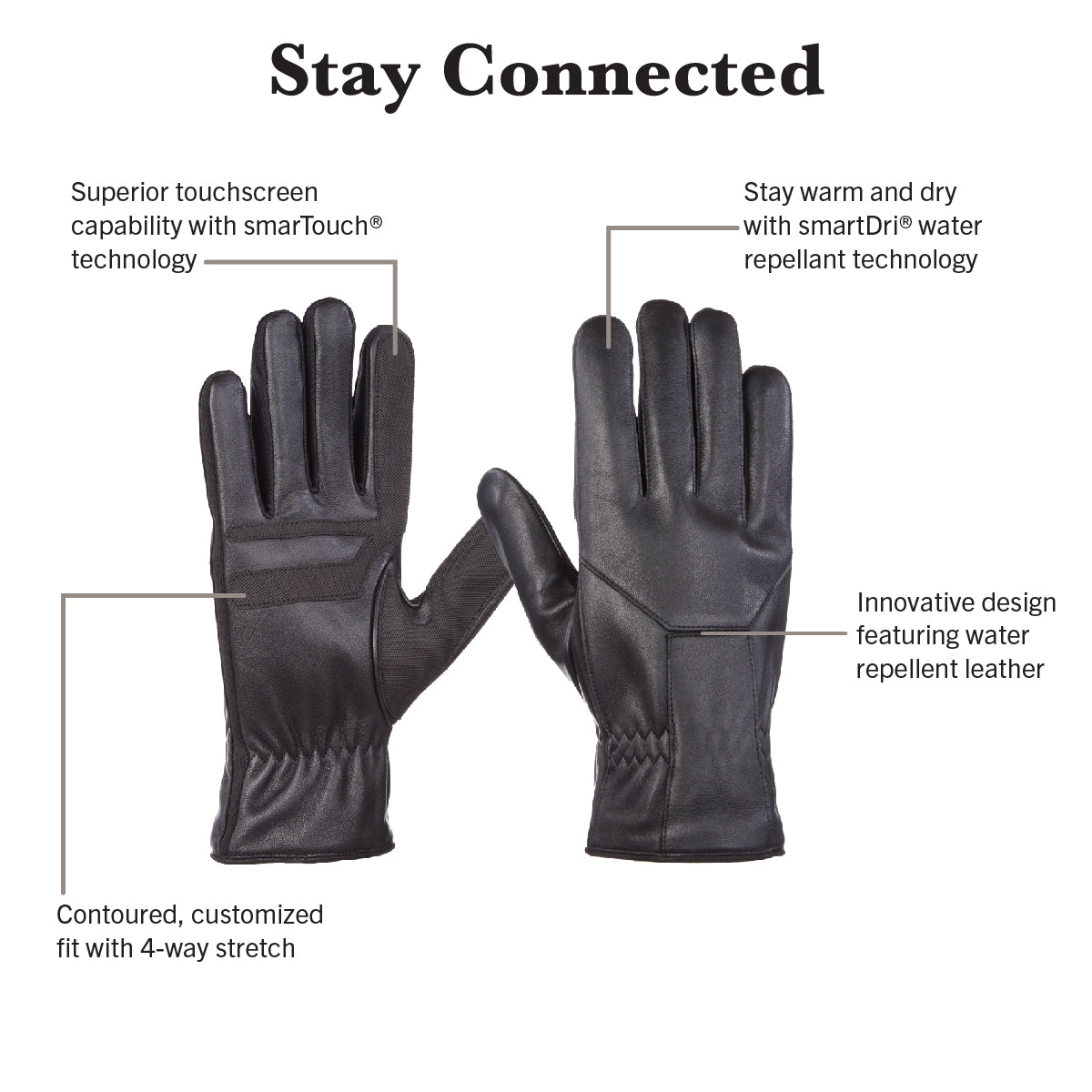
Storing gloves properly protects their shape and prevents unwanted stretching. Poor storage leads to creases, stiffness, or loss of elasticity. Use these glove storage tips to keep your leather gloves in top condition:
- Store gloves in a cool, dry place away from sunlight.
- Avoid folding gloves tightly or crushing them under heavy objects.
- Use a breathable fabric bag or container to prevent moisture buildup.
- Keep gloves flat or gently stuffed with soft paper to maintain shape.
- Do not store gloves near heaters or in plastic bags for long periods.
Proper storage maintains the motorcycle glove fit and protects leather durability. It prevents the leather from stiffening or stretching in unwanted ways. Good storage combined with cleaning and conditioning supports long-lasting glove comfort and performance.

Credit: www.walmart.com
Credit: www.isotoner.com
Common Answer For Do Leather Motorcycle Gloves Stretch
Do Leather Motorcycle Gloves Stretch Over Time?
Yes, leather motorcycle gloves typically stretch with regular use. The natural fibers loosen, providing a more comfortable fit. Stretching occurs gradually, so initial snugness is normal. Proper care, like conditioning, helps maintain flexibility and extends glove life.
How Long Does It Take For Gloves To Stretch?
Leather gloves usually stretch within a few weeks of regular wear. The exact time depends on leather quality and glove fit. Consistent hand movement encourages natural stretching, making gloves more comfortable without losing protection.
Can Gloves Stretch Too Much And Lose Protection?
Overstretching leather gloves can reduce their protective qualities. Excessive stretching weakens the leather fibers, compromising durability and safety. It’s important to choose gloves that fit well initially to avoid overstretching and maintain effective protection during rides.
How Can I Speed Up The Stretching Process?
To speed up stretching, wear gloves during activities that involve hand movement. Applying leather conditioner softens the material, making it more pliable. Avoid heat sources, which can dry out and damage the leather.
Conclusion
Leather motorcycle gloves do stretch a bit with use. They become more comfortable over time. Stretching depends on leather type and glove fit. Proper care helps maintain their shape and strength. Avoid soaking gloves in water or heat. Wearing gloves regularly encourages gentle stretching.
Choose gloves that fit snugly at first. This prevents them from becoming too loose later. Well-fitted gloves protect your hands better. Pay attention to how gloves feel during rides. Good gloves last longer and keep you safe.