5W30 Vs 10W30 Oil: Ultimate Guide to Choosing the Best Motor Oil

Choosing the right engine oil is one of the simplest ways you can protect your car and boost its performance. But when you see labels like 5W30 and 10W30, it can get confusing.
Which one is best for your vehicle? How do they affect your engine in different weather conditions? If you want to make the smartest choice for your car’s health and save money in the long run, understanding the difference between 5W30 and 10W30 oil is key.
Keep reading to discover exactly what sets them apart and which one suits your driving needs perfectly.
Viscosity Ratings Explained
Understanding viscosity ratings is key to choosing the right motor oil for your vehicle. The numbers and letters, like 5W30 and 10W30, describe how the oil flows at different temperatures. These ratings affect your engine’s protection and efficiency. Knowing what each part of the rating means helps you pick the best oil for your car’s needs.
What 5w30 And 10w30 Mean
The viscosity rating on motor oil tells how thick or thin the oil is at certain temperatures. The “W” stands for winter, showing how the oil flows when cold.
- 5W: The oil behaves like a 5-weight oil in cold temperatures. It flows better in cold weather.
- 10W: The oil acts like a 10-weight oil when cold, making it thicker than 5W oil in winter.
- 30: This number means the oil’s thickness at 212°F (100°C), showing how it protects the engine at high temperatures.
Here’s a simple table to compare 5W30 and 10W30:
| Rating | Cold Temperature Flow | Hot Temperature Thickness |
|---|---|---|
| 5W30 | Flows better in cold weather | Same thickness as 10W30 at high temp |
| 10W30 | Thicker in cold weather | Same thickness as 5W30 at high temp |
The lower the first number, the easier the oil moves in cold weather. That means 5W30 is better for cold climates. Both oils have the same thickness at engine operating temperature, so they protect the engine equally when hot.
Impact On Engine Performance
Viscosity affects how quickly oil reaches engine parts during startup and how well it protects them while running.
Choosing between 5W30 and 10W30 can change engine performance, especially in different climates.
- Cold Starts: 5W30 flows faster at low temperatures, reducing engine wear during startup.
- Engine Protection: Both oils provide similar protection when the engine is hot.
- Fuel Efficiency: Thinner oil in cold weather (like 5W30) may improve fuel economy by reducing engine drag.
- Wear and Tear: Thicker oil in cold weather (10W30) can cause more strain on engine parts during startup.
Consider this:
- In cold climates, 5W30 helps the engine start smoothly and reduces wear.
- In warmer climates, 10W30 works well because cold flow is less important.
- Check your vehicle’s manual for recommended oil viscosity to keep your engine healthy.
Using the right viscosity keeps the engine running smoothly and extends its life.
Cold Weather Performance
Cold weather performance is a key factor when choosing between 5W30 and 10W30 motor oils. Engines need oil that flows well at low temperatures to start smoothly and protect parts from wear. The numbers in oil grades tell how the oil behaves in cold and hot conditions. Understanding these differences helps pick the right oil for winter and cold climates.
Starting Engines In Low Temperatures
Starting an engine in cold weather is tough on oil. Thick oil makes the engine work harder. This can cause slow starts and damage over time. 5W30 oil is designed to flow better at colder temperatures than 10W30 oil. The “5W” means it behaves like a thinner oil at winter temperatures than “10W”.
Here are the benefits of 5W30 oil for cold starts:
- Easier engine starts: Flows faster to all parts when cold.
- Less engine wear: Reduces friction during startup.
- Better fuel efficiency: Engine uses less power to turn over.
In contrast, 10W30 oil is thicker at low temps, which can:
- Make the engine crank slower.
- Increase wear from poor lubrication on startup.
- Raise fuel consumption slightly.
Table below compares oil viscosities at cold temperatures:
| Oil Grade | Low Temp Viscosity | Cold Start Ease |
|---|---|---|
| 5W30 | Flows at -30°C (-22°F) | Good |
| 10W30 | Flows at -25°C (-13°F) | Fair |
5W30 oil is usually better for very cold climates. It protects the engine faster during cold starts.
Flow Characteristics Of Each Oil
Oil flow affects engine protection and efficiency. At low temperatures, oil thickens and moves slower. 5W30 oil flows more easily than 10W30 when cold. This means better lubrication right after starting the engine.
Viscosity is the measure of oil thickness. The lower the number before the “W,” the thinner the oil in cold weather. Here is a quick overview:
- 5W30: Thinner at cold temps, flows quickly.
- 10W30: Thicker at cold temps, flows slower.
Flow characteristics impact how oil protects engine parts:
- 5W30 reduces metal-to-metal contact by reaching parts sooner.
- 10W30 may delay lubrication, increasing wear during cold starts.
- Both oils perform similarly at operating temperatures (around 212°F or 100°C).
Here is a simple viscosity comparison at 0°F (-18°C):
| Oil Grade | Viscosity (cP) |
|---|---|
| 5W30 | 5,600 |
| 10W30 | 9,500 |
Centipoise (cP) measures how thick the oil is; higher means thicker.
Choosing 5W30 oil helps engines start easier and stay protected in cold weather. It moves faster through the engine, cutting down wear and improving fuel use.
High Temperature Behavior
Choosing between 5W30 and 10W30 oil involves understanding how each performs at high temperatures. High temperature behavior affects engine protection, oil thickness, and overall performance. Both oils have unique characteristics that influence how they react when the engine heats up. This section breaks down these differences to help you grasp their impact on engine health during hot conditions.
Oil Stability Under Heat
Oil stability means how well the oil keeps its thickness and properties at high engine temperatures. Both 5W30 and 10W30 oils have a “30” rating, which shows their viscosity at 100°C (212°F). This means they should maintain similar thickness when the engine is hot.
Despite the same high-temp rating, the base oil and additives can differ. Quality oils resist breaking down or thinning too much under heat. Here’s what affects oil stability:
- Base oil type: Synthetic oils generally handle heat better than conventional oils.
- Additives: Anti-oxidants and stabilizers prevent oil from degrading.
- Engine conditions: Frequent high RPMs or heavy loads increase oil stress.
| Feature | 5W30 | 10W30 |
|---|---|---|
| Viscosity at 100°C | Similar to 10W30 | Similar to 5W30 |
| Cold temperature flow | Flows better at low temps | Thicker at low temps |
| Heat resistance | Depends on oil quality | Depends on oil quality |
Both oils must keep viscosity stable to protect engine parts. If oil becomes too thin, it loses its ability to lubricate. This can lead to more engine wear and higher temperatures inside the engine.
Protection During Engine Stress
Engines under stress produce more heat and pressure. Stress can come from:
- Heavy towing or hauling
- High-speed driving
- Stop-and-go traffic
During stress, oil must maintain a strong film between moving parts. The right oil thickness prevents metal-to-metal contact. Both 5W30 and 10W30 provide this protection at operating temperature.
Key points about protection during engine stress:
- 5W30 flows more easily when cold, helping faster protection at startup.
- 10W30 is slightly thicker at lower temps but matches 5W30’s protection when hot.
- Oil additives improve wear protection and reduce deposits.
- Regular oil changes keep oil effective under stress.
Choosing the right oil depends on your driving habits and climate. For engines facing frequent high heat and stress, consider a high-quality synthetic 5W30 or 10W30. Both oils can protect well if they have strong additives and meet manufacturer specifications.
5w30 Vs 10w40 Fuel Consumption
5W30 and 10W40 oils are common choices for engine lubrication. Both have different thickness levels, which affect how your engine runs. One key factor drivers notice is fuel consumption. Choosing the right oil can help save fuel and improve performance.
What Does 5w30 And 10w40 Mean?
The numbers in oil grades show how thick or thin the oil is. The first number with the “W” (winter) shows oil thickness when cold. The second number shows oil thickness at engine temperature.
- 5W30: Thinner oil when cold, flows easily in low temperatures.
- 10W40: Thicker oil when cold and hot, offers more protection in high heat.
Impact On Fuel Consumption
Thinner oils like 5W30 reduce friction inside the engine. This means the engine uses less energy to move parts.
Lower friction helps improve fuel economy. The engine runs smoother and burns less fuel.
Thicker oils like 10W40 create more resistance inside the engine. This can make the engine work harder.
More work means the engine uses more fuel. Fuel consumption can increase with thicker oil.
Fuel Consumption Comparison Table
| Oil Grade | Viscosity (Cold) | Viscosity (Hot) | Fuel Efficiency | Best Use |
|---|---|---|---|---|
| 5W30 | Thinner | Medium | Better fuel economy | Cold climates, newer engines |
| 10W40 | Thicker | Thicker | Lower fuel economy | Hot climates, older engines |
Which Oil Saves More Fuel?
- 5W30 oil helps engines start easier in cold weather.
- It reduces engine friction faster than thicker oils.
- Vehicles using 5W30 often show better mileage.
- 10W40 oil is thicker and can cause higher fuel consumption.
- Better for protecting older engines but may reduce efficiency.
How To Choose Based On Fuel Consumption
- Pick 5W30 for better fuel savings and smooth starts.
- Use 10W40 if your engine is older or runs hot.
- Check your vehicle’s manual for oil recommendations.
- Consider climate: colder areas benefit from thinner oils.
5w30 Or 10w30 For High Mileage
Choosing the right oil for high mileage vehicles is important. Both 5W30 and 10W30 oils are popular choices. They help engines run smoothly but work best in different conditions. This section explains which oil suits high mileage engines better.
What Does High Mileage Mean?
High mileage usually means a car has over 75,000 miles. Older engines need special care. Oil must protect worn parts and reduce leaks. High mileage oil has additives to help with this.
Viscosity Difference: 5w30 Vs 10w30
| Oil Grade | Cold Temperature Flow | Hot Temperature Thickness |
|---|---|---|
| 5W30 | Flows better in cold weather | Thicker at engine operating temperature |
| 10W30 | Thicker in cold weather | Same thickness at engine operating temperature |
5W30 oil is thinner when cold. It helps start engines easier on cold days. 10W30 is thicker at startup but both are similar when hot.
Which Oil Is Best For High Mileage Engines?
- 5W30 helps with better cold starts.
- 10W30 offers a thicker film when cold, good for older seals.
- Both oils protect engines at normal temperature.
For high mileage cars in cold climates, 5W30 often works better. In warmer areas, 10W30 can provide extra protection.
High Mileage Oil Additives
High mileage oils include:
- Seal conditioners to reduce leaks.
- Anti-wear additives to protect engine parts.
- Detergents to keep the engine clean.
Choose oils labeled for high mileage to keep engines healthy longer.
Summary Of 5w30 And 10w30 For High Mileage
| Feature | 5W30 | 10W30 |
|---|---|---|
| Cold Start Performance | Better | Good |
| Seal Protection | Good | Better |
| High Temperature Protection | Same | Same |
| Best For Climate | Cold Weather | Warm Weather |
Credit: www.snowblowerforum.com
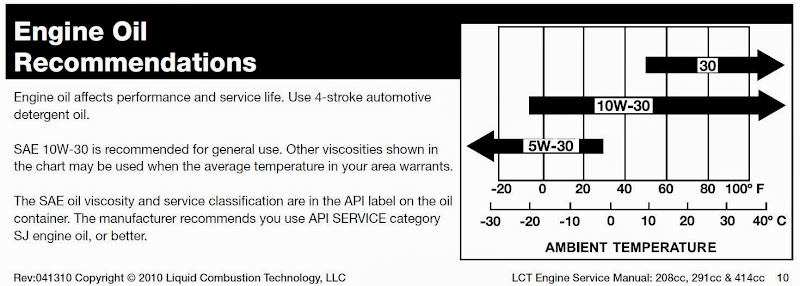
5w30 Vs 10w30 Temperature Range
5W30 and 10W30 oils are popular choices for car engines. Both have similar thickness at high temperatures but differ at low temperatures. The temperature range is key to choosing the right oil. It affects how well the oil flows when cold or hot. This section explains the differences in temperature ranges for 5W30 and 10W30 oils.
What Does The ‘w’ Mean In 5w30 And 10w30?
The ‘W’ stands for winter. It shows the oil’s viscosity at cold temperatures. Lower numbers before the ‘W’ mean the oil flows better when cold. For example, 5W30 flows easier in cold weather than 10W30.
Cold Temperature Performance
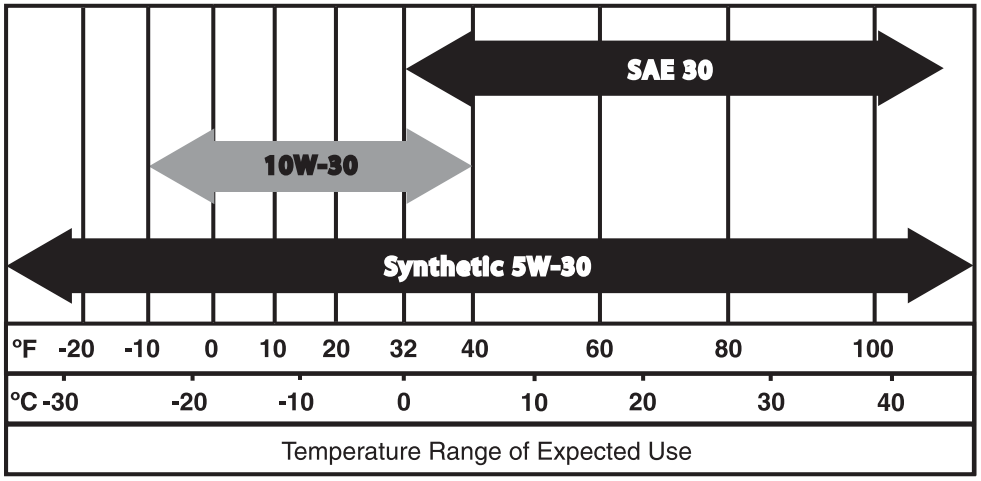
- 5W30 oil works well in colder climates. It stays thin and flows quickly when temperatures drop to about -30°C (-22°F).
- 10W30 oil is better for milder cold. It flows well down to about -20°C (-4°F).
Choosing oil with the right winter rating helps your engine start smoothly in cold weather.
Hot Temperature Performance
Both 5W30 and 10W30 have the same 30-weight rating at high temperatures. This means:
- The oil stays thick enough to protect engine parts.
- Both oils handle heat up to around 100°C (212°F) without thinning too much.
- They offer similar protection when the engine is hot.
Temperature Range Comparison Table
| Oil Type | Cold Temperature Range | Hot Temperature Range |
|---|---|---|
| 5W30 | Down to -30°C (-22°F) | Up to 100°C (212°F) |
| 10W30 | Down to -20°C (-4°F) | Up to 100°C (212°F) |
Which Oil To Choose Based On Temperature?
Pick 5W30 if you live in a place with cold winters. It flows better on cold mornings. Use 10W30 if winters are mild. It still protects your engine well at normal temperatures.
Manufacturer Recommendations
Manufacturer recommendations guide drivers on choosing the right oil viscosity for their vehicles. The choice between 5W30 and 10W30 oil depends on engine design, climate, and performance needs. Following these guidelines keeps engines healthy and efficient. Ignoring them may cause wear, reduce fuel economy, or even void warranties.
Vehicle Compatibility
Vehicle manufacturers specify oil types that best suit their engines. The numbers in 5W30 and 10W30 reflect oil thickness at low and high temperatures. 5W30 flows easier in cold weather, making it ideal for colder climates. 10W30 is thicker at low temps and suits warmer environments or older engines.
- 5W30 Oil: Better for cold starts and modern engines with tighter tolerances.
- 10W30 Oil: Works well in warmer climates and engines designed for thicker oil.
Using the correct oil ensures proper lubrication and engine protection. Here’s a simple comparison table:
| Factor | 5W30 | 10W30 |
|---|---|---|
| Cold Temperature Flow | Flows easily at low temps | Thicker, slower flow at low temps |
| Engine Type | Modern engines, tighter parts | Older engines, wider gaps |
| Climate Suitability | Cold or mixed climates | Warm climates |
| Fuel Efficiency | Generally better | May be slightly lower |
Warranty And Oil Specifications
Manufacturers require specific oil grades to maintain vehicle warranties. Using the wrong oil viscosity can void warranty coverage. The oil must also meet industry standards like API or ACEA ratings. These standards ensure oil quality and engine protection.
Check the owner’s manual for exact oil specifications. Many vehicles need synthetic oils with precise viscosity grades. Some warranties demand oils certified by certain organizations or that meet unique specs.
Important points to remember:
- Follow the recommended viscosity: Avoid switching oil grades without approval.
- Use oils meeting required standards: Look for API SN, SP, or newer ratings.
- Keep records of oil changes: Maintain warranty validity.
Here’s an example of typical oil requirements from manufacturers:
| Manufacturer | Recommended Oil Grade | Required Specifications |
|---|---|---|
| Ford | 5W30 | API SN Plus, WSS-M2C946-A |
| Toyota | 5W30 or 10W30 | API SN, ILSAC GF-6 |
| Chevrolet | 10W30 | API SP, GM Dexos1 Gen 2 |
Cost And Availability
Choosing between 5W30 and 10W30 motor oils often comes down to cost and availability. Both oils serve different engine needs, but their prices and how easy they are to find can influence your choice. Understanding these factors helps in making a practical decision for your vehicle’s maintenance budget and convenience.
Price Differences
The price of 5W30 and 10W30 oils varies due to their composition and demand. Typically, 5W30 oil costs slightly more than 10W30. This difference arises because 5W30 is designed for better performance in cold temperatures, requiring more advanced refining.
Here are some points on price differences:
- 5W30 oils tend to have higher production costs.
- 10W30 oils are usually cheaper because they are thicker and less refined.
- Brand and oil type (synthetic or conventional) affect price more than viscosity.
- Synthetic 5W30 oils often cost the most but offer better engine protection.
| Oil Type | Average Price (per quart) | Typical Use |
|---|---|---|
| 5W30 Synthetic | $7 – $10 | Modern engines, cold weather |
| 10W30 Synthetic | $6 – $9 | Older engines, warmer climates |
| 5W30 Conventional | $4 – $6 | Standard use, cold weather |
| 10W30 Conventional | $3 – $5 | Standard use, warm weather |
Price varies by location and store promotions. Buying in bulk or during sales can reduce costs significantly.
Accessibility In Markets
Availability of 5W30 and 10W30 oils depends on market demand and regional climate. Both types are common, but some areas favor one over the other.
Consider these factors about accessibility:
- 5W30 oil is widely available in colder regions. It suits colder climates better.
- 10W30 oil is more common in warmer areas due to its thicker viscosity.
- Most auto parts stores and online retailers stock both oils.
- Some specialty oils may require ordering online or visiting specific stores.
Many retailers keep a steady supply of both oils. Checking local stores or online shops can ensure you find the right oil.
| Region | More Common Oil | Availability Notes |
|---|---|---|
| Cold Climates | 5W30 | Easy to find in most stores |
| Warm Climates | 10W30 | Often preferred and stocked |
| Urban Areas | Both | Wide availability, many brands |
| Rural Areas | Varies | May require special orders |
10w30 High Mileage Synthetic Oil
10W30 High Mileage Synthetic Oil is a popular choice for older vehicles. It helps protect engines that have driven many miles. This oil type has special additives that reduce leaks and oil burn-off. It keeps engines running smoothly and extends their life. The synthetic base helps the oil flow well in different temperatures, providing reliable engine protection.
What Makes 10w30 High Mileage Synthetic Oil Different?
High mileage oils have extra ingredients. These additives help seal small engine leaks. They also clean engine deposits better than regular oils. The synthetic part means the oil lasts longer and handles heat better. This combination suits cars with over 75,000 miles well.
Benefits Of Using 10w30 High Mileage Synthetic Oil
- Reduces oil consumption: Helps prevent leaks and burning.
- Protects engine parts: Forms strong film to reduce wear.
- Cleans engine deposits: Keeps engine parts cleaner.
- Improves engine performance: Helps maintain smooth running.
- Works in wide temperatures: Flows well in cold and heat.
Comparison Table: 10w30 High Mileage Synthetic Oil Vs Regular 10w30 Oil
| Feature | 10W30 High Mileage Synthetic Oil | Regular 10W30 Oil |
|---|---|---|
| Designed for | Engines with 75,000+ miles | All engine ages |
| Leak protection | Enhanced seal conditioners | Standard |
| Deposit control | Advanced detergents | Basic detergents |
| Base oil type | Synthetic blend or full synthetic | Conventional or synthetic |
| Price | Higher | Lower |
When To Choose 10w30 High Mileage Synthetic Oil
- Vehicle has over 75,000 miles.
- Engine shows signs of leaks or oil burn.
- Owner wants better engine protection.
- Looking for improved oil life in extreme temperatures.
Credit: generatorist.com
Choosing The Right Oil
Choosing the right oil between 5W30 and 10W30 plays a key role in keeping your engine healthy. Both oils share similar properties but differ in how they perform in various temperatures. Picking the correct one depends on your environment and how you drive. This section will guide you through making a smart choice for your vehicle’s oil.
Assessing Climate Conditions
Climate affects how engine oil behaves, especially at start-up. The first number in oil grades, like 5W or 10W, shows the oil’s viscosity at cold temperatures. The lower the number, the thinner the oil is when cold. This helps the engine start easier in winter.
Use this simple table to understand which oil suits your climate:
| Climate | Recommended Oil | Why? |
|---|---|---|
| Cold Winter (below 20°F / -6°C) | 5W30 | Flows better at cold start, protects engine faster |
| Mild Winter (20°F to 40°F / -6°C to 4°C) | 5W30 or 10W30 | Either works, 5W30 offers quicker protection |
| Warm Climates (above 40°F / 4°C) | 10W30 | Good for normal engine protection at warm temps |
Key points:
- 5W30 is better in cold weather due to lower cold viscosity.
- 10W30 works well in warm climates and normal temperatures.
- Using the wrong oil can cause engine strain during start-up.
Evaluating Driving Habits
Driving style impacts oil choice as much as climate. Heavy traffic, stop-and-go driving, or frequent short trips stress the engine more than highway driving. This stress can affect oil performance and engine wear.
Consider these factors:
- City Driving: Frequent stops cause the engine to heat up and cool down repeatedly. Use 5W30 for better lubrication during cold starts.
- Highway Driving: Steady speeds keep the engine warm. 10W30 can provide adequate protection.
- Heavy Loads or Towing: Higher engine stress may require oil with better heat resistance, like 10W30 or synthetic blends.
Here’s a quick comparison to help you decide:
| Driving Habit | Recommended Oil | Reason |
|---|---|---|
| Short trips and cold starts | 5W30 | Flows quickly, reduces engine wear at start |
| Long highway drives | 10W30 | Maintains protection at steady engine temps |
| Towing or heavy loads | 10W30 or synthetic | Handles higher heat and stress better |
Credit: blog.amsoil.com
Customer FAQs For 5W30 Vs 10W30 Oil
What Is The Main Difference Between 5w30 And 10w30 Oil?
5W30 oil flows better at cold temperatures than 10W30. The “5W” means it performs well in colder weather. Both oils have the same viscosity at engine operating temperatures, but 5W30 offers better cold start protection.
Which Oil Is Better For Cold Weather, 5w30 Or 10w30?
5W30 is better for cold weather due to its lower winter viscosity rating. It flows more easily during cold starts, reducing engine wear. 10W30 is thicker at low temperatures, making it less ideal for very cold climates.
Can I Use 10w30 Instead Of 5w30 Oil?
You can use 10W30 if your vehicle allows it. Check your owner’s manual for recommended viscosity grades. Using 10W30 in colder climates may cause harder starts and reduced engine protection during cold starts.
How Do 5w30 And 10w30 Affect Engine Performance?
Both oils provide similar engine protection at normal operating temperatures. 5W30 offers better lubrication during cold starts, improving engine performance in cold weather. 10W30 may be better in warmer climates where cold start flow is less critical.
Conclusion
Choosing between 5W30 and 10W30 oil depends on your climate and engine needs. 5W30 works better in cold weather, helping your engine start easier. 10W30 suits warmer climates, offering stable protection when the engine is hot. Always check your car manual for the right oil type.
Using the correct oil helps your engine last longer and run smoothly. Remember, good oil means good engine health. Simple choices can make a big difference in car care.