Electra Glide Years To Avoid: Model Years To Skip

Introduction
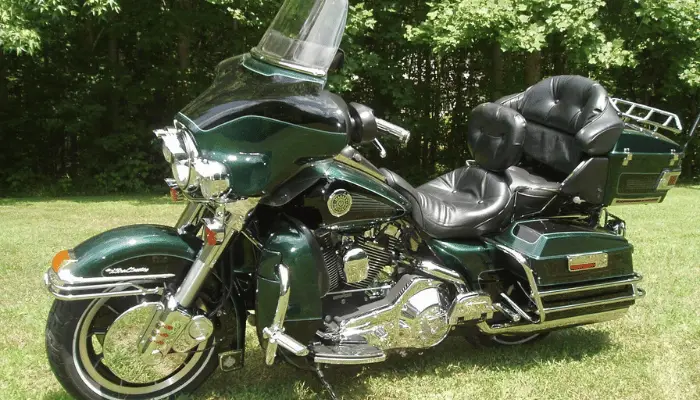
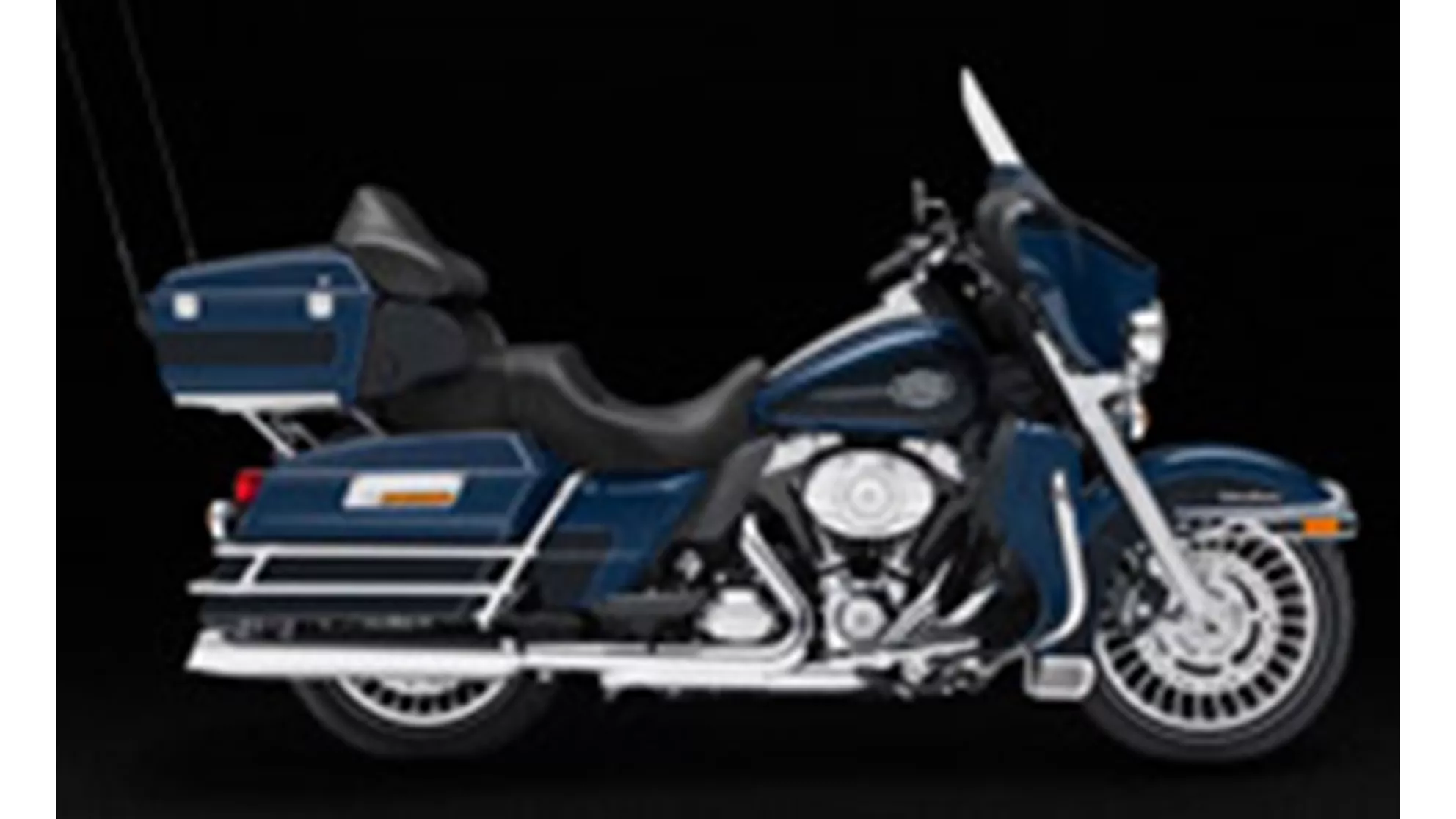
The Harley-Davidson Electra Glide is a large American touring motorcycle built for long highway trips, two-up rides, and heavy use. Some model years deserve more care than others, but there is no single year that every buyer must reject.
The main years to approach with caution are 2007–2009, some 2017 early Milwaukee-Eight models, and any older bike with poor service records. A well-kept motorcycle from one of these years may be a better buy than a newer Electra Glide that was neglected.
Always check the VIN, recall status, service history, cold-start behavior, and engine condition before you buy. A model year is only a starting point.
Which Electra Glide Years Should You Avoid?
There are no universally bad Electra Glide years. Still, some production periods have known systems that deserve close inspection.
| Model years | Main reason for caution | Buying view |
|---|---|---|
| 1999–2006 | Twin Cam 88 wear, cam-chain tensioners, age-related leaks | Buy only with strong records or a careful inspection |
| 2007–2009 | Early Twin Cam 96 issues, compensator and primary wear | Approach with caution |
| 2010–2013 | Older touring electronics and normal Twin Cam wear | Often reasonable if maintained |
| 2014–2016 | Rushmore electronics and added features | Often a strong used-bike range |
| 2017–2019 | Early Milwaukee-Eight concerns on some bikes | Inspect oiling, clutch, cam chest, and update history |
| 2020 and newer | Higher prices and more electronic equipment | Usually easier to own, but still inspect |
The 2007–2009 Electra Glide models are the most common caution period for buyers who want to limit mechanical risk. These motorcycles use the Twin Cam 96 engine. Many run well, but age, mileage, compensator wear, primary-drive noise, and neglected service can create expensive repairs.
The 1999–2006 models are not automatic rejects. They are simply older. A 20-year-old touring motorcycle can need work even when the engine still runs well.
Early 2017 Milwaukee-Eight Electra Glide models also deserve a careful check. Some early bikes had reports of oil-circulation problems, including oil-sumping concerns. The exact risk varies by model, production date, use, updates, and repair history.
Why 2007–2009 Models Need Extra Inspection
The 2007 model year brought the Twin Cam 96 engine to many Harley-Davidson touring motorcycles. The larger engine added useful torque, but early examples now have more than a decade of possible wear.
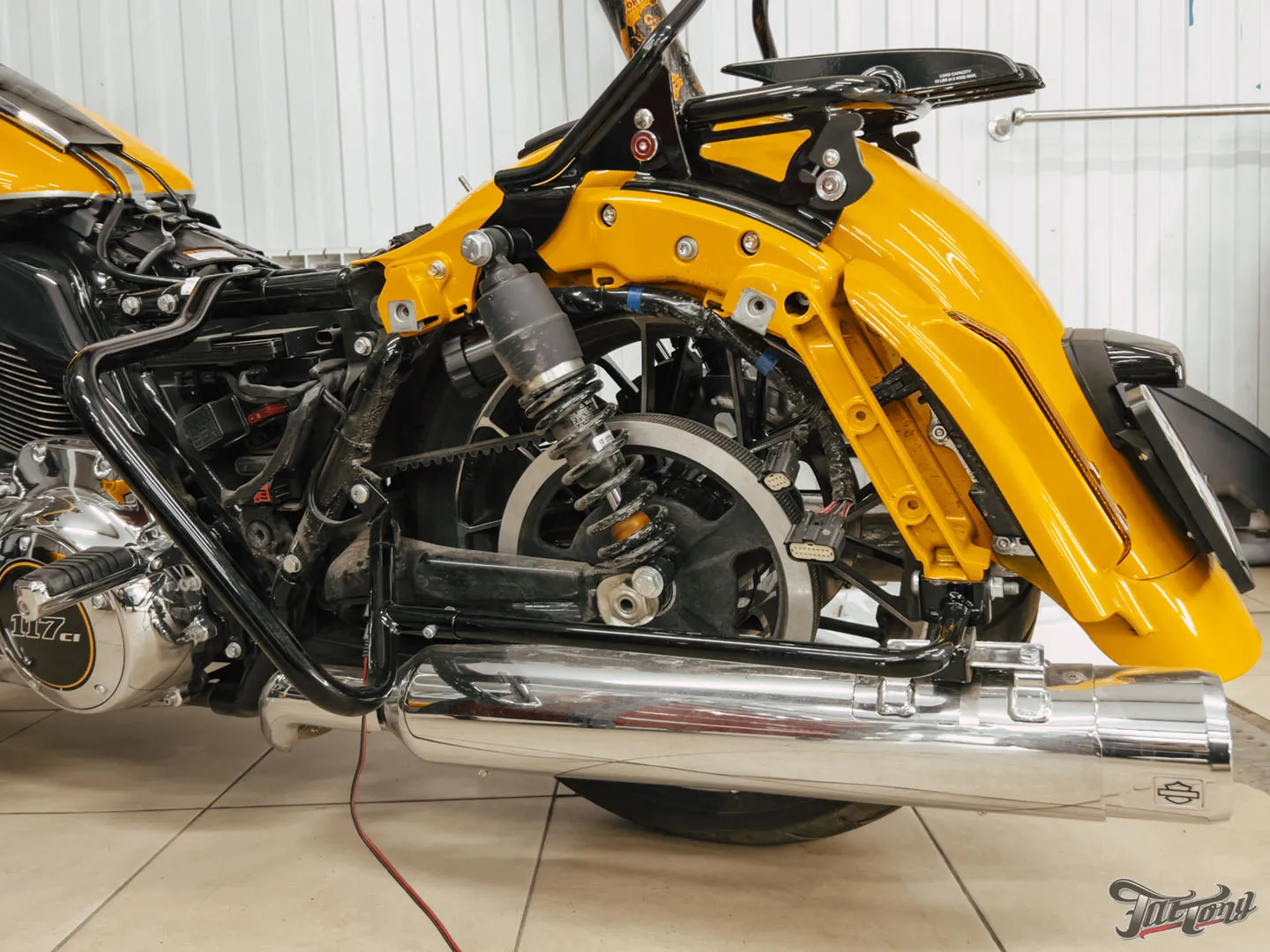
The engine is not the only concern. The primary drive, compensator, clutch, charging system, suspension, and wiring can all need attention on a high-mileage Electra Glide.
Twin Cam 96 issues to check
A buyer should ask a Harley-Davidson technician to inspect:
- Cam-chain tensioners and the cam chest
- Compensator sprocket and primary chain
- Primary-fluid level and condition
- Clutch operation
- Charging voltage
- Oil leaks around the rocker boxes and crankcase
- Engine noise during a cold start
- Evidence of overheating
- Fuel tank and fuel-pump condition
The cam-chain tensioners are especially important on older Twin Cam engines. The tensioner shoes can wear over time. If the material breaks apart, it can contaminate the oil and damage engine parts.
Do not assume that every Twin Cam needs the same repair. Wear depends on mileage, oil changes, riding conditions, parts used, and prior repairs. Ask for receipts that show what was replaced and when.
Why the compensator matters
The compensator helps manage torque pulses between the engine and primary drive. A worn unit may cause:
- A loud clunk when shifting into first gear
- Rattling from the primary case
- Harsh low-speed takeoff
- A knocking sound during throttle changes
- Vibration under load
A small amount of drivetrain noise can be normal on a large V-twin. A sharp knock, worsening noise, or harsh engagement needs diagnosis before purchase.
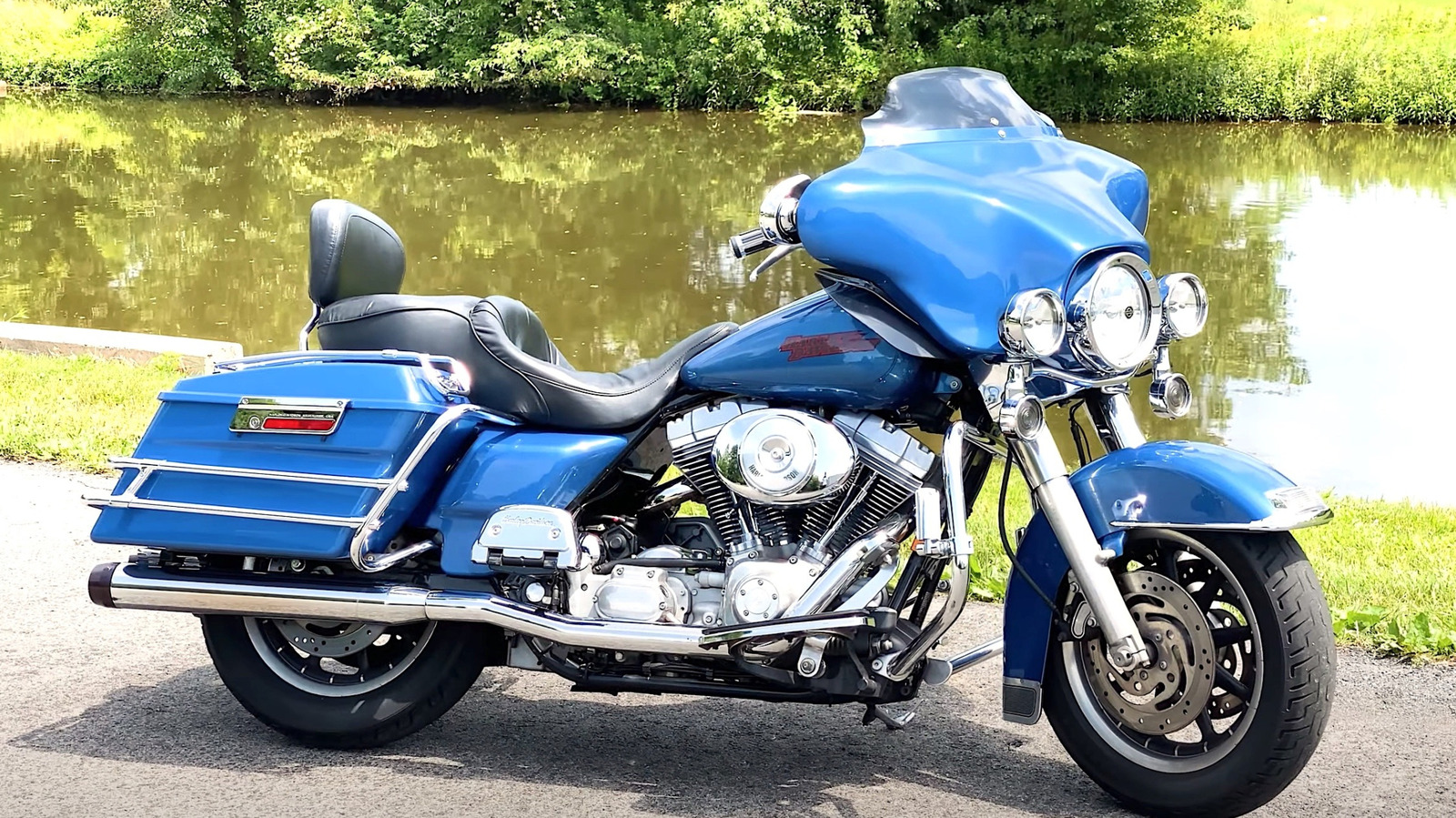
Are 2010–2013 Electra Glide Models Better?
Many 2010–2013 Electra Glide motorcycles can be sensible used purchases. They still use the Twin Cam engine family, so they are not free from cam-tensioner, compensator, oil-leak, or charging-system concerns.
The main advantage is that the bikes are often newer than the 2007–2009 group. Some 2012 touring models also received the 103-cubic-inch engine, depending on the exact trim and market configuration.
A 2010–2013 Electra Glide may fit a buyer who wants:
- A traditional Harley touring feel
- Fewer electronic systems than newer models
- Wide parts availability
- A lower purchase price than many Rushmore bikes
- A proven engine platform with documented service options
The trade-off is age. Rubber parts, wheel bearings, brake lines, fuel-system parts, and suspension components may need replacement even if the engine is healthy.
What to inspect on a 2010–2013 bike
Check the motorcycle in this order:
- Confirm the VIN and title. Make sure the VIN on the frame matches the paperwork.
- Check recalls. Use the VIN on the National Highway Traffic Safety Administration recall site.
- Start the bike cold. Ask the seller not to warm it before arrival.
- Listen for abnormal engine or primary noise.
- Check the oil and transmission fluid.
- Test the clutch and all gears.
- Inspect the brakes, tires, wheel bearings, and fork seals.
- Test every switch, light, gauge, speaker, and accessory.
- Look for crash damage or poorly repaired wiring.
- Pay for a pre-purchase inspection.
A pre-purchase inspection is often the best money spent. Touring bikes can hide expensive faults behind fairings, saddlebags, and body panels.

Are 2014–2016 Electra Glide Models the Best Used Choice?
For many U.S. buyers, 2014–2016 Electra Glide models offer a good balance of age, features, and serviceability. Harley-Davidson introduced major touring updates for the 2014 model year under the Project RUSHMORE program.
Depending on the model, these updates included changes to:
- Fairing airflow
- Brakes
- Luggage access
- Lighting
- Infotainment
- Engine cooling
- Electrical systems
- Passenger comfort
A 2014–2016 motorcycle is not automatically trouble-free. More features also mean more parts that can fail. Buyers should test the radio, speakers, touchscreen or controls, cruise control, power locks, lamps, and other equipment fitted to that trim.
Benefits of this model range
A well-kept 2014–2016 Electra Glide may provide:
- More modern touring equipment than older Twin Cam models
- Better comfort for long U.S. highway trips
- Strong aftermarket and dealer support
- A mature version of the Twin Cam platform
- Lower purchase cost than many newer Milwaukee-Eight bikes
Limits to consider
These motorcycles can still develop:
- Compensator and clutch wear
- Primary-drive noise
- Oil leaks
- Weak batteries and charging faults
- Suspension wear
- Infotainment problems
- Brake-system or switch faults
- Corrosion from wet or salty roads
Buy based on condition, not on the label “Rushmore.” A neglected 2015 Electra Glide is not a better purchase than a serviced 2011 model.
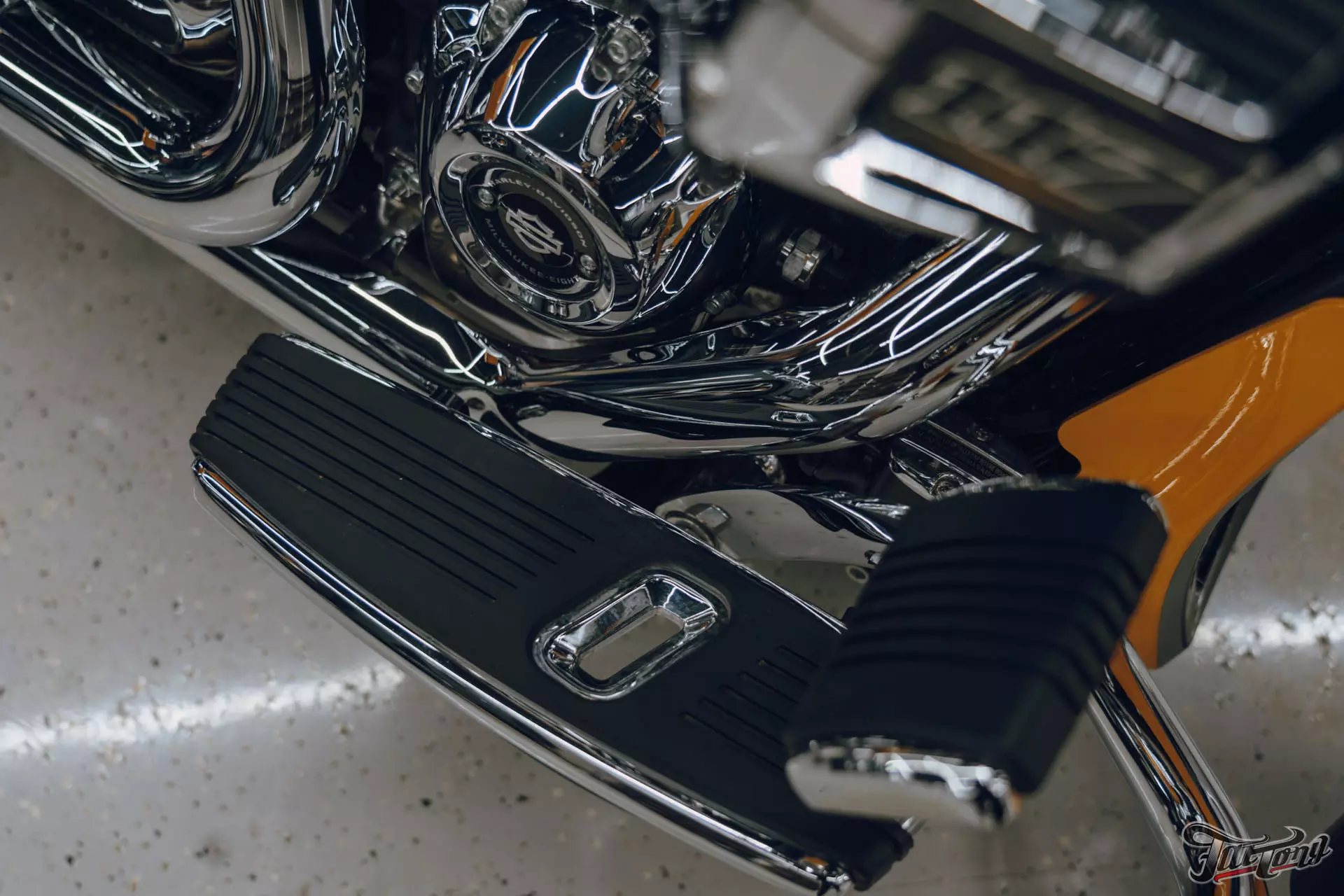
Should You Avoid 2017 Electra Glide Models?
Do not reject every 2017 Electra Glide, but inspect early Milwaukee-Eight motorcycles carefully.
Harley-Davidson introduced the Milwaukee-Eight engine to its touring range for the 2017 model year. The engine offered a newer platform, but early production bikes may have a different repair history from later examples.
Some owners and repair shops have reported concerns involving oil circulation and oil sumping on certain early Milwaukee-Eight touring motorcycles. “Sumping” describes a condition in which oil does not move through the engine system as it should. The result can include excess heat, loss of power, or engine damage.
The presence of a 2017 engine alone does not prove that a motorcycle has this fault. Ask for:
- The full VIN
- Build date, when available
- Dealer service records
- Warranty repair records
- Evidence of factory updates
- Oil-pressure or oil-circulation diagnoses
- Details of any replaced oil pump or related parts
Warning signs during a test ride
Stop the ride and seek professional help if the motorcycle shows:
- A sudden loss of power
- Excessive engine heat
- New warning lights
- Unusual exhaust smoke
- Severe knocking
- Oil leaks
- A strong burning-oil smell
- Engine behavior that changes sharply as it warms
A seller who refuses a cold start, VIN check, or independent inspection should be treated as a risk. Walk away rather than trying to save a small amount on the purchase price.
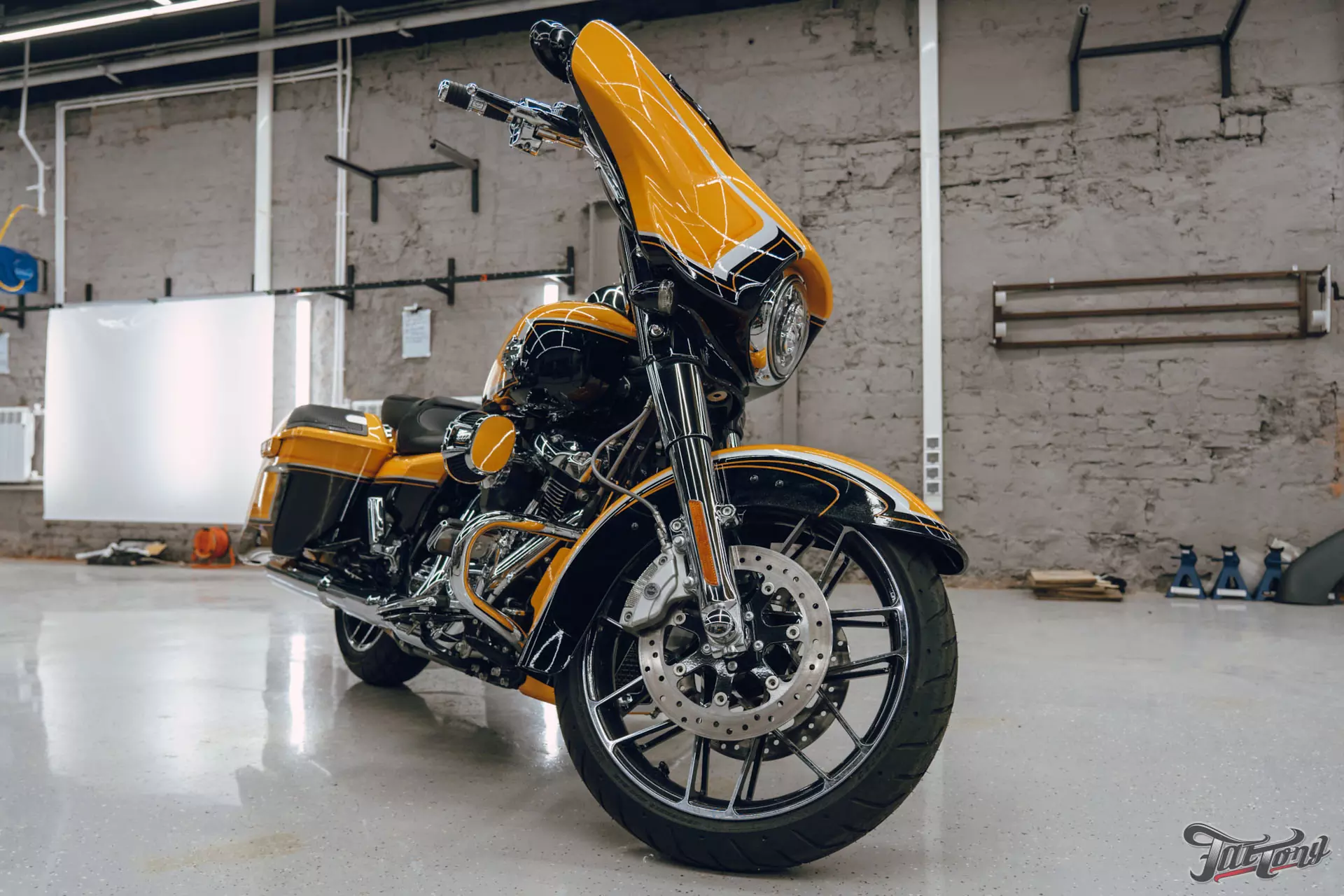
Which Older Electra Glide Problems Cost the Most?
The cost depends on the failed part, labor rate, region, and whether original or upgraded parts are used. Still, some problems can change the value of a used Electra Glide quickly.
| Problem area | Why it matters | What a buyer should request |
|---|---|---|
| Cam-chain tensioners | Internal engine wear can follow a failed tensioner | Repair invoice or inspection result |
| Compensator | Can cause noise and harsh drive engagement | Primary-drive inspection |
| Clutch | Slipping or dragging affects control and repair cost | Test ride and service records |
| Oil-circulation system | Can lead to heat and engine damage | VIN and warranty repair history |
| Infotainment | Replacement parts may be costly | Test every function |
| Suspension | Heavy touring loads increase wear | Check leaks, sag, and ride quality |
| Brakes | Large bikes need strong, even braking | Inspect pads, rotors, lines, and fluid |
| Charging system | Touring accessories place demand on the system | Voltage test under load |
A purchase price that looks low may only reflect deferred maintenance. Add the likely repair cost to the asking price before comparing motorcycles.
A Simple Electra Glide Buying Formula
Use this basic calculation before making an offer:
True purchase cost = asking price + immediate repairs + overdue service + safety equipment
For example, this is a hypothetical calculation:
- Asking price: $9,000
- Tires and brake service: $900
- Battery and fluids: $300
- Needed primary repair: $1,200
- Inspection and registration costs: $300
Estimated first-year cost: $11,700
The numbers above are only an example. Local labor rates and parts prices vary. The key point is simple: compare bikes by total cost, not by sticker price.
What Mileage Is Too High for an Electra Glide?
Mileage alone does not decide whether an Electra Glide is a good buy. A motorcycle with 80,000 well-serviced miles may be safer than one with 25,000 neglected miles.
High mileage matters more when the bike has:
- No service records
- Many owners
- Signs of hard starting
- Oil leaks
- Poor clutch action
- Worn steering bearings
- Old tires
- Cracked wiring
- Corrosion
- Evidence of a crash
- Long storage periods
A high-mileage Electra Glide should have clear proof of oil changes, belt service, tire replacement, brake work, and major engine repairs.
Low mileage also needs context. A motorcycle that sat for years may have dried seals, stale fuel, a weak battery, stuck brake parts, and aged tires.
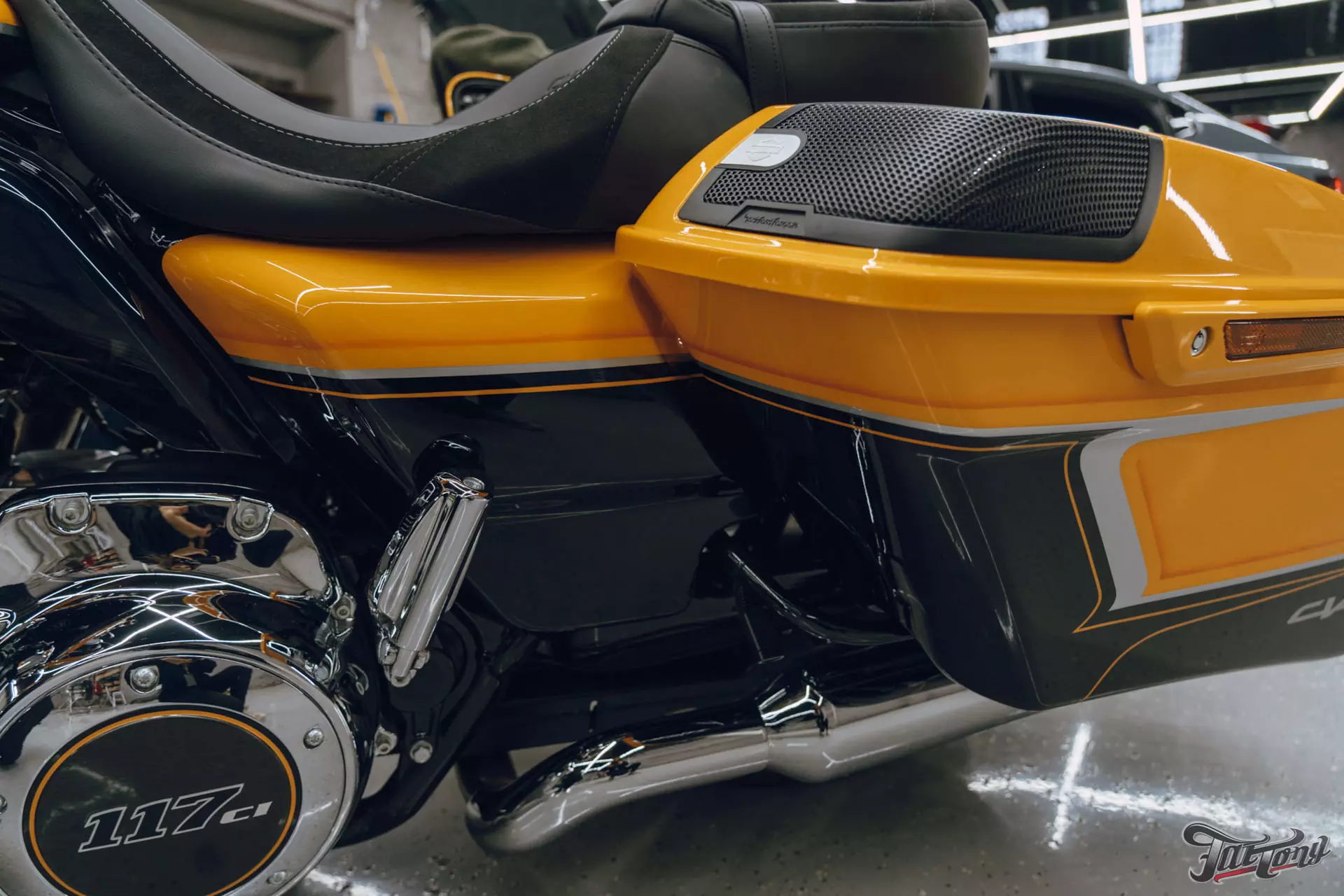
How to Inspect an Electra Glide Before Buying
A careful inspection should start with identity and safety, then move toward expensive mechanical systems.
1. Verify the motorcycle
Check:
- VIN on the motorcycle
- Title status
- Odometer reading
- Recall history
- Number of keys and security fobs
- Modifications listed by the seller
Use the official NHTSA recall lookup tool for U.S. vehicles. Recall records may not show every repair or service campaign, so also ask a Harley-Davidson dealer to review the motorcycle’s service history when possible.
2. Inspect the cold engine
The engine should start without excessive cranking. Listen before the engine becomes warm.
Pay attention to:
- Deep knocking
- Sharp tapping
- Primary rattling
- Heavy smoke
- Uneven idle
- Oil-pressure warnings
- Strong fuel smell
Some mechanical noise is normal on a large air-cooled V-twin. A technician should assess any noise that is loud, new, or changes with engine speed.
3. Test the drivetrain
During the ride, check for:
- Smooth clutch engagement
- Easy gear changes
- No gear jumping
- No belt squeal
- No harsh vibration
- Stable acceleration
- No clunk when opening or closing the throttle
Test the motorcycle only in a safe, legal area. If you are not comfortable riding a heavy touring bike, let a qualified rider or technician perform the road test.
4. Check the electrical system
Turn on every electrical feature. Test:
- Headlamp and turn signals
- Brake lamps
- Horn
- Gauges
- Cruise control
- Radio and speakers
- Navigation or display
- Heated grips or seats
- Power locks
- Accessory ports
- Security system
Electrical faults can be hard to find after an aftermarket audio or lighting installation. Look for cut wires, loose connectors, added fuses, and poor insulation.
5. Inspect the frame and suspension
Look for:
- Uneven tire wear
- Leaking fork seals
- Bent bars
- Scraped engine guards
- Cracked mounts
- Misaligned body panels
- Loose steering
- Rear suspension leaks
- Corrosion under the seat and luggage
A crash can damage parts that are not obvious during a quick walk-around.
Electra Glide Years to Avoid: Common Buyer Mistakes
The most common mistake is treating a model year as a final answer. A year can identify a known design change, but it cannot show how a specific motorcycle was used.
Avoid these mistakes:
- Buying without a cold start
- Skipping the VIN check
- Trusting a clean appearance
- Ignoring aftermarket wiring
- Assuming low mileage means low wear
- Failing to test the brakes
- Accepting vague claims about engine repairs
- Paying before an inspection
- Comparing only the sale price
- Riding home without checking tires and fluids
Do not let a seller rush the decision. A careful seller should understand why you want records and an inspection.
Which Electra Glide Year Is the Safest Buy?
For many used-bike shoppers, a well-maintained 2014–2016 Electra Glide is a practical place to start. These models offer updated touring features without the age of earlier Twin Cam bikes.
A 2010–2013 model can also be a good value if it has strong records and passes inspection. A 2017 or newer model may suit riders who want the Milwaukee-Eight platform, but early examples need careful review of repair and update history.
The best choice depends on your priorities:
| Your priority | Model range to consider |
|---|---|
| Lowest purchase price | 1999–2006, with professional inspection |
| Traditional feel and simpler electronics | 2010–2013 |
| Balance of features and used value | 2014–2016 |
| Newer engine platform | 2018 and newer, with records |
| Lowest mechanical risk | Newer, well-serviced motorcycle with warranty |
This is a buying guide, not a guarantee. Condition and documentation should decide the final purchase.
Frequently Asked Questions
What is the worst Electra Glide year?
There is no single worst year for every rider. The 2007–2009 models deserve extra caution because they combine early Twin Cam 96 ownership concerns with the age and mileage now common in used examples. Early 2017 models also need a careful check for oil-circulation and warranty repair history.
Is a 2008 Electra Glide reliable?
A 2008 Electra Glide can be reliable when it has regular oil changes, proper cam-tensioner service, and a healthy primary drive. Buy only after checking the cam chest, compensator, clutch, charging system, and service records.
Are 2014 Electra Glide motorcycles good bikes?
Many 2014 Electra Glide motorcycles are attractive used choices because of their Project RUSHMORE updates. Test all electronic features and check for normal Twin Cam wear before buying.
Should I buy an Electra Glide with no service records?
A motorcycle with no service records should be priced as a higher-risk purchase. Pay for an inspection, confirm its VIN and recall status, and keep money aside for immediate service. If the seller refuses inspection, choose another bike.
Is high mileage a reason to avoid an Electra Glide?
No. Service history matters more than the odometer by itself. High mileage becomes a major concern when paired with poor maintenance, oil leaks, drivetrain noise, worn suspension, or unknown engine repairs.
How can I check for recalls on a used Electra Glide?
Use the motorcycle’s VIN with the official NHTSA recall lookup tool. You can also ask a Harley-Davidson dealer to check available service records and completed repairs. A recall search is useful, but it does not replace a mechanical inspection.
Final Recommendation
Avoid a specific Electra Glide year only when its known risk matches a problem you cannot afford to repair. In general, inspect 2007–2009 models with extra care, verify the history of early 2017 Milwaukee-Eight bikes, and treat every older motorcycle as a condition-based purchase.
For many U.S. buyers, a documented 2014–2016 Electra Glide offers a useful balance of features, age, and support. The safest next step is to obtain the VIN, request a cold start, verify recalls, and arrange an independent inspection before you pay.