How Long Do Motorcycle Tires Last: Real Lifespan Guide

Most motorcycle tires last about 5,000 to 15,000 miles, depending on riding style, tire type, and road conditions.
If you have ever looked at your tires and wondered whether they still have enough life left, you are not alone. Motorcycle tire life can change a lot from one rider to the next, and knowing what really affects it can save you money, improve grip, and keep your rides safer. Let’s break down how long motorcycle tires last, what wears them out, and how to spot the signs before they become a problem.
How long do motorcycle tires last in real life?
The truth is that how long motorcycle tires last depends on more than mileage. A sport bike ridden hard may burn through a rear tire in 3,000 to 6,000 miles, while a touring tire on a relaxed highway rider can reach 10,000 to 20,000 miles or more. In my experience, the biggest difference is not just the tire brand, but how the bike is used day to day.
Think of tire life like shoe soles. A pair worn for daily walking lasts much longer than the same pair used for running, climbing, or rough trails. Motorcycle tires work the same way. Smooth throttle use, proper inflation, and good storage habits can stretch tire life a lot.
What affects motorcycle tire lifespan?
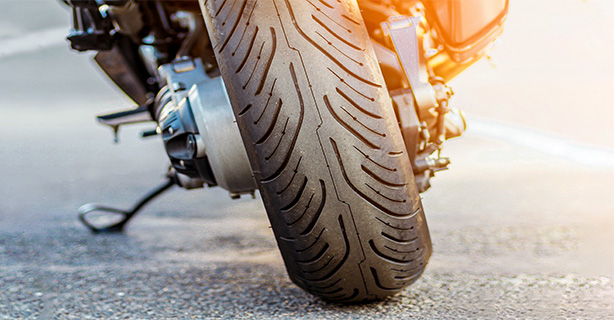
Several things decide how long motorcycle tires last, and most of them have to do with wear and heat. The more heat and friction a tire sees, the faster it ages. That is why two riders on the same bike can get very different results.
Here are the biggest factors:
• Riding style: Aggressive cornering, hard braking, and fast acceleration wear tires faster.
• Tire type: Sport tires usually grip better but wear faster than touring tires.
• Road surface: Rough pavement, gravel, and debris can shorten tire life.
• Tire pressure: Underinflated tires heat up fast and wear unevenly.
• Load: A bike carrying a passenger or heavy luggage puts more stress on the tires.
• Weather: Hot weather and sunlight can age rubber faster over time.
• Storage: Tires exposed to ozone, UV light, or long periods of sitting can dry out and crack.
I have seen riders blame a tire brand when the real issue was low pressure for weeks. That kind of slow damage is easy to miss, but it can cut tire life in half.

Average motorcycle tire life by tire type
Different motorcycles need different tires, and each type has its own lifespan. If you ride the wrong tire for your style, you may not get the life you expected.
Sport bike tires
Sport tires usually last about 3,000 to 8,000 miles. They are built for grip, fast warm-up, and sharp handling, not maximum mileage. If you ride hard on twisty roads, rear tires often wear out first.
Touring tires
Touring tires can last about 8,000 to 20,000 miles. They are made for comfort, long trips, and steady highway use. Many riders choose them because they balance durability and traction well.
Cruiser tires
Cruiser tires often last about 7,000 to 15,000 miles. Their life depends heavily on bike weight and riding habits. Heavy cruisers and strong torque can wear the rear tire faster than expected.
Adventure and dual-sport tires
Adventure tires can last about 5,000 to 15,000 miles. If you ride mostly pavement, they may last longer. If you use them off-road, knobs can wear down quickly.
Track-oriented tires
Track tires usually wear the fastest, sometimes in just a few sessions or a few hundred miles. They are built for grip at high speed and high heat, not long road life.

Signs your motorcycle tires need replacement
Mileage is only part of the story. I always tell riders to inspect the tire, not just count the miles. Some tires look fine on the outside but are already unsafe.
Watch for these signs:
• Tread depth is too low: Most tires have wear bars built into the grooves. When the tread reaches them, it is time to replace the tire.
• Cracks in the sidewall or tread: Dry rot is a warning sign that the rubber is aging.
• Uneven wear: Cupping, flat spots, or scalloping can reduce grip and stability.
• Bulges or cuts: These can point to internal damage and should be checked right away.
• Vibration or wandering feel: If the bike no longer feels stable, the tire may be worn or damaged.
• Old age: Even if the tread looks decent, many tires should be replaced after about 5 to 7 years, depending on condition and storage.
One mistake I made early on was trusting the center tread only. The shoulders were worn thin, and the bike felt nervous in corners. Tires can still have life left in the middle while being done on the edges.
How to make motorcycle tires last longer
You can usually extend motorcycle tire life with simple habits. These steps also help keep the bike safer and more predictable.
• Check tire pressure often: Do it at least once a week and before long rides.
• Warm up smoothly: Avoid hard throttle and braking when the tires are cold.
• Ride smoothly: Gentle inputs reduce heat and wear.
• Keep the bike aligned and balanced: Poor setup can cause uneven wear.
• Avoid overload: Stay within the bike’s weight limits.
• Inspect for damage: Catch nails, cracks, and cuts early.
• Store the bike properly: Keep it out of direct sun when possible and away from harsh chemicals.
• Use the right tire for your riding: A tire that matches your style will last longer and perform better.
From experience, pressure checks are the easiest win. That one habit has probably saved me more tire life than any other maintenance step.
How age affects motorcycle tires even if tread looks good
Rubber does not last forever. Even if the tread still looks strong, the compound can harden over time. When that happens, grip drops, especially in wet weather or during sudden maneuvers.
Most tire makers and safety groups advise checking the tire’s date code and not relying on tread alone. A tire that is six or seven years old may still look acceptable but can be less safe if it has been stored poorly or exposed to heat and sun. If you are not sure, a trusted motorcycle mechanic can help judge whether the tire is still roadworthy.
A good rule is simple: if the tire is old, cracked, or hard, replace it sooner rather than later. Tires are not the place to gamble.
Motorcycle tire maintenance tips that really matter
Routine care makes a huge difference in how long motorcycle tires last. A few minutes of attention can prevent a lot of trouble later.
• Check pressure with a reliable gauge.
• Look for nails, cuts, and embedded debris.
• Measure tread wear in more than one spot.
• Inspect both tires, not just the rear.
• Watch for uneven wear after long trips.
• Replace valves and valve stems when needed.
• Keep rims clean so the bead seals well.
Small problems grow fast on a motorcycle because the contact patch is tiny. That tiny patch is all that connects you to the road, so it deserves regular attention.
How riding conditions change tire wear
Where and how you ride matters a lot. A highway commuter may see slow, even wear, while a city rider may wear tires out faster from stop-and-go traffic. Mountain roads can also wear the edges more quickly because of leaning and cornering.
Common examples:
• Highway riding: Usually gives longer tire life because the wear is steady and predictable.
• City riding: Frequent braking and acceleration can shorten tire life.
• Spirited riding: Cornering and hard use wear the rear tire faster.
• Hot climates: Heat can speed up aging and increase wear.
• Wet climates: Tires may wear differently, but grip and drainage become more important than long life.
This is why there is no single answer for how long motorcycle tires last. The same tire can be halfway worn in one rider’s hands and still look fresh in another rider’s garage.
What experts and safety guidance generally agree on
Most tire manufacturers and safety organizations agree on a few basics. Tire life depends on use, not just time. Regular checks for wear, pressure, and age are essential. And once a tire shows cracks, damage, or worn tread, replacement is the smart move.
That advice may sound simple, but it is backed by years of real-world testing and rider safety data. Motorcycle tires are designed to balance grip, stability, and durability, and once that balance starts to fade, so does confidence on the road.
Frequently Asked Questions of how long do motorcycle tires last
How often should I replace motorcycle tires?
Replace them when the tread is worn, the tire is damaged, or the rubber is too old and hardened. Many riders also replace tires after 5 to 7 years, even if tread still remains, depending on storage and condition.
Do rear motorcycle tires wear out faster than front tires?
Yes, in most cases the rear tire wears out faster because it handles more power and acceleration. The front tire often lasts longer, but it still needs close inspection for cracks, cupping, and age.
Can I ride with slightly worn motorcycle tires?
You can, but only if they still have safe tread, no damage, and good grip. If traction feels weak or the tire is close to the wear bars, it is better to replace it before it becomes a safety issue.
Why do motorcycle tires wear out so quickly?
Motorcycle tires have a small contact patch and deal with heat, lean angles, braking, and acceleration all at once. Aggressive riding, wrong pressure, and heavy loads can make them wear much faster.
How do I know if my motorcycle tires are too old?
Check the tire’s date code and look for cracking, hard rubber, or reduced grip. Even if the tread looks okay, old tires can become less safe as the rubber ages and loses flexibility.
Conclusion
How long do motorcycle tires last? The short answer is that it depends on your bike, your riding style, and how well you care for them. Some tires may need replacing in a few thousand miles, while others can last much longer with calm riding and good maintenance.
The best approach is simple: check your tire pressure, inspect wear often, and replace tires before they become a risk. If you treat tires like the safety parts they are, you will get better performance, better confidence, and fewer surprises on the road. Take a few minutes today to inspect your tires, and if something looks off, get a professional opinion before your next ride.