How Long Do Tires Last On A Motorcycle: Expert Guide

Motorcycle tires usually last 5,000 to 15,000 miles, but riding style, bike type, and road conditions can change that fast.
If you ride often, tire life is one of those things that can sneak up on you. I’ve seen tires look “fine” from a distance, then feel sketchy in corners long before the tread is totally gone. In this guide, I’ll break down how long motorcycle tires last, what shortens their life, how to read the warning signs, and how to make them last as long as possible without gambling on safety.
How Long Do Tires Last on a Motorcycle?
The short answer is that motorcycle tires often last anywhere from 5,000 to 15,000 miles. Some sport bike tires may wear out closer to 3,000 to 6,000 miles, while touring tires can reach 10,000 to 20,000 miles or more in the right conditions. The real answer depends on the tire compound, the bike, your riding habits, and how well you maintain them.
I’ve found that tire life is less about the calendar and more about the way a tire is used. A gentle commuter on a middleweight bike may get great mileage, while a rider who brakes hard, leans deep, and runs hot roads will wear tires much faster. That’s why it helps to think of motorcycle tires like running shoes: the same pair can last a very different amount of time depending on how hard they’re used.
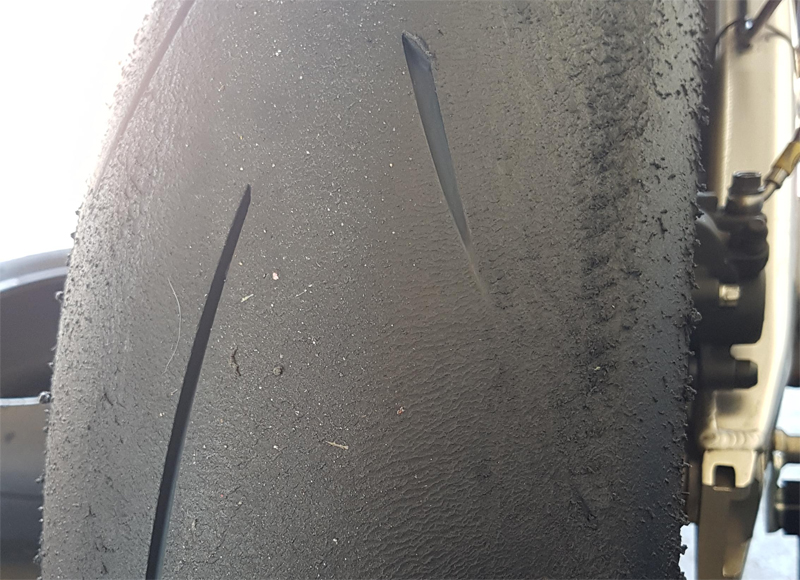
What Affects Motorcycle Tire Life?
Several factors decide how long tires last on a motorcycle. Some are in your control, and some are not.
Tire type and compound
Tires made with soft rubber usually grip better but wear faster. Harder compounds last longer, but they may not give the same level of traction in aggressive riding.
Common tire categories include:
- Sport tires: High grip, shorter life
- Sport touring tires: Balanced grip and mileage
- Touring tires: Long life and steady performance
- Cruiser tires: Built for mileage and heavier loads
- Off road or dual sport tires: Life varies a lot based on terrain
Riding style
The way you ride can cut tire life in half. Hard acceleration, aggressive braking, fast cornering, and repeated burnouts all eat rubber quickly.
A smooth rider often gets more miles because the tire is not being shocked by constant force. Think of it like drawing with a pencil versus grinding the tip into sandpaper.
Bike weight and power
Heavier motorcycles put more load on tires. High torque bikes also wear the rear tire faster because they send more force through the contact patch.
This is why big cruisers, sport bikes, and fully loaded touring bikes can all wear tires in very different ways. Even the same tire model may last longer on one bike than on another.
Road surface and weather
Rough pavement, chip seal roads, hot asphalt, and debris all speed up wear. Wet climates can also affect tire aging because moisture, temperature swings, and storage conditions matter.
If you ride on clean, smooth roads most of the time, your tires will usually last longer than if you ride on cracked city streets or rough backroads every day.
Tire pressure
Low tire pressure is one of the fastest ways to shorten tire life. It increases flex, heat, and uneven wear, especially on the shoulders and center.
Overinflation can also cause problems by reducing the contact patch and making the tire wear in the middle too quickly. The best tire pressure is the one recommended by the motorcycle maker or tire maker for your exact setup.
Load and luggage
Riding two-up or carrying heavy luggage adds stress to both tires. Long trips with full panniers and a top case can wear the rear tire faster than expected.
If you tour often, it pays to check tire pressure more often and inspect wear more carefully. A loaded bike behaves differently, especially under braking and in corners.

Average Motorcycle Tire Mileage by Bike Type
Tire mileage changes a lot by motorcycle style. Here’s a practical range most riders can use as a starting point.
- Sport bikes: 3,000 to 8,000 miles
- Naked bikes: 5,000 to 12,000 miles
- Sport touring bikes: 8,000 to 15,000 miles
- Touring bikes: 10,000 to 20,000 miles
- Cruisers: 8,000 to 15,000 miles
- Adventure bikes: 6,000 to 15,000 miles
- Dual sport bikes: 3,000 to 10,000 miles depending on terrain
These are general estimates, not promises. I’ve seen riders get far less mileage from sticky performance tires and far more from touring rubber when the riding is calm and the bike is kept in good shape.
Signs Your Motorcycle Tires Need Replacing
Mileage matters, but wear signs matter more. A tire can still have tread left and be unsafe because of age, cracks, or uneven wear.
Watch for these warning signs:
- Tread depth is close to the wear bars
- Flat spots in the center
- Cupping or scalloping on the edges
- Cracks in the rubber
- Bulges, cuts, or punctures
- Vibration or wandering feel at speed
- Dry rot or hard rubber
- Uneven wear from poor pressure or misalignment
One mistake I made early on was waiting too long because the tire “still looked okay.” On the road, though, that tire felt lazy in corners and less stable under braking. That taught me a simple rule: if the tire no longer feels confident, it’s already talking to you.

How to Tell if a Motorcycle Tire Is Too Old
Motorcycle tires do not just wear out. They also age out.
Most manufacturers recommend replacing tires that are around 5 to 6 years old, even if tread remains. Rubber hardens over time, and old tires may lose grip in wet weather or during sudden lean angles.
Check the DOT date code on the sidewall:
- The last four digits show the week and year of manufacture
- Example: 2319 means the 23rd week of 2019
If a tire is old, cracked, or has been stored in bad conditions, replace it sooner. Sun, heat, ozone, and long storage can all age the rubber faster than expected.
How to Make Motorcycle Tires Last Longer
You can extend tire life without riding like a robot. Small habits make a big difference.
Keep tire pressure correct
Check tire pressure regularly, ideally when the tires are cold. Even a small drop can increase wear and reduce grip.
Ride smoothly
Gentle throttle, smooth braking, and calm cornering all help. If you hammer the gas at every light, the rear tire will disappear much faster.
Avoid unnecessary weight
Leave off extra gear when you do not need it. Heavy loads increase heat and stress, especially on the rear tire.
Inspect the wheel and suspension
Poor alignment, worn suspension parts, or bad balance can cause uneven wear. If a tire is wearing oddly, the tire may not be the only problem.
Store the bike properly
Keep the bike in a cool, dry place away from direct sun. If the motorcycle sits for months, move it now and then or use a stand to reduce flat spots.
Choose the right tire for your riding
Do not buy a soft sport tire if your real life is commuting and touring. Pick a tire that matches how you actually ride, not how you wish you rode.
Motorcycle Tire Wear Patterns and What They Mean
Wear patterns can tell you a lot about the bike and your habits. Reading them is like reading a tire’s diary.
Center wear
A worn center section often means lots of straight-line riding or underinflation. It can also show up on powerful bikes with hard acceleration.
Edge wear
Heavy edge wear usually comes from aggressive cornering or a soft compound. On some bikes, it can also point to suspension issues.
Cupping or scalloping
This looks like uneven dips across the tread. It may come from suspension wear, imbalance, low pressure, or a tire that has been run too long.
One-sided wear
If one side wears faster than the other, check alignment, suspension, and ride habits. It can also happen from lots of turning in one direction on certain roads.
When Should You Replace Motorcycle Tires?
Replace motorcycle tires when tread is worn, age is too advanced, or damage is present. Do not wait for a blowout or a slide to make the decision.
A good replacement rule is to change them when:
- Tread reaches the wear indicators
- Rubber is cracked or hardened
- The tire is older than recommended
- Damage cannot be safely repaired
- The bike feels unstable or loses grip
Many riders also replace tires before a long trip if the current set is near the end of its life. That small cost is far better than dealing with tire trouble far from home.
Frequently Asked Questions of how long do tires last on a motorcycle
How many miles do motorcycle tires usually last?
Most motorcycle tires last between 5,000 and 15,000 miles. Sport tires may wear out sooner, while touring tires often last much longer.
Do motorcycle tires expire even if they still have tread?
Yes, they can age out over time. Many manufacturers advise replacing tires around 5 to 6 years old, even if tread depth still looks okay.
Why does the rear motorcycle tire wear faster than the front?
The rear tire handles most of the acceleration and often carries more load. That extra stress usually makes it wear faster than the front tire.
Can low tire pressure shorten motorcycle tire life?
Yes, low pressure is one of the fastest ways to wear a tire out early. It creates extra heat and causes uneven wear, especially on the edges.
Is it safe to ride on old motorcycle tires?
It is not a good idea if the tire is cracked, hardened, or beyond its recommended age. Old tires may lose grip and become unpredictable, especially in wet or hard cornering conditions.
Conclusion
How long tires last on a motorcycle depends on the tire type, your riding style, the bike itself, and how well you maintain it. In real life, many riders get anywhere from 5,000 to 15,000 miles, but the smartest approach is to watch wear patterns, tire age, and pressure instead of relying on mileage alone.
If you want your tires to last longer and keep your rides safer, check pressure often, ride smoothly, and replace tires before they become a problem. Take a few minutes today to inspect your tires and date codes, then make a plan before your next long ride.


