How Long Motorcycle Tires Last: Mileage Guide

Most motorcycle tires last 5,000 to 15,000 miles, depending on tire type and riding style.
If you ride often, tire life becomes one of those quiet details that matters a lot. I’ve seen tires wear out fast on aggressive sport bikes and last far longer on touring setups, and the difference usually comes down to mileage, road surface, pressure, and how hard the bike is ridden. If you want a clear, practical answer on how long motorcycle tires last, what shortens their life, and how to make them last longer, you’re in the right place.
How long motorcycle tires last
Motorcycle tire life is not one fixed number. It depends on the tire compound, bike type, road use, weather, and even how smoothly you roll on the throttle. A soft sport tire may wear out in a few thousand miles, while a harder touring tire can last much longer.
Here’s the simple version:
- Sport tires often last about 3,000 to 7,000 miles
- Sport touring tires often last about 6,000 to 12,000 miles
- Touring tires can last about 10,000 to 15,000 miles or more
- Cruiser tires often fall somewhere in the middle, depending on size and load
- Off-road and dual-sport tires vary a lot because terrain eats rubber fast
In real life, I’ve seen riders replace rear tires long before the front tire is done. That is normal. The rear tire usually wears faster because it carries power, handles more load, and spins under acceleration.
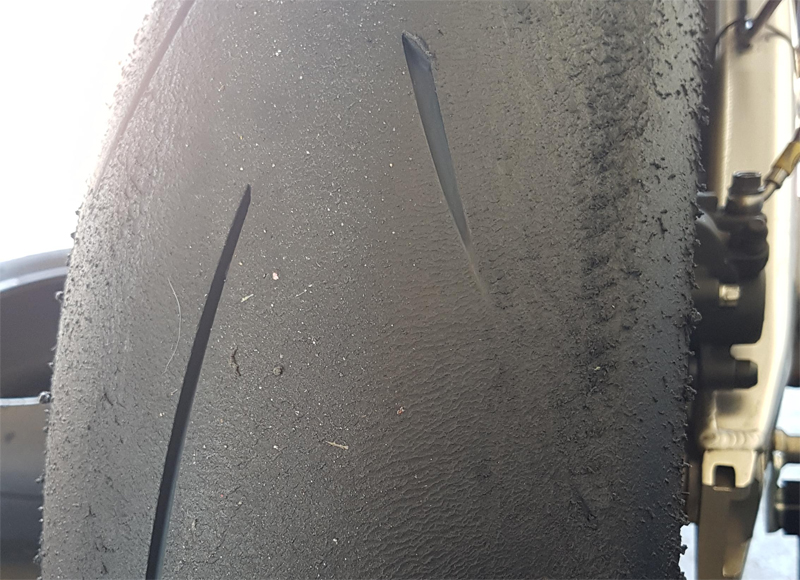
What affects motorcycle tire lifespan
A motorcycle tire does not wear out by age alone. It wears because of heat, friction, load, and time. Think of it like a pencil eraser. The harder you press, the faster it disappears.
Riding style
Aggressive riding shortens tire life fast. Hard acceleration, late braking, and sharp cornering all build heat and chew through rubber.
If you ride smoothly, you can extend tire life a lot. Gentle throttle use and gradual braking reduce stress on the tread.
Tire type and compound
Soft tires grip better but wear faster. Harder compounds last longer but may not feel as sticky in corners.
This is why sport tires usually wear out much faster than touring tires. The tradeoff is simple: more grip usually means less life.
Bike weight and power
Heavy motorcycles and powerful bikes put more stress on tires. A big touring bike or a high-horsepower sport machine can wear rubber faster than a lighter commuter bike.
Even two bikes with the same tire size can produce very different tire life. Weight distribution and torque matter too.
Road conditions
Rough pavement, hot asphalt, potholes, and debris all reduce tire life. Smooth highways are easier on tires than cracked city streets or back roads full of grit.
Track days also wear tires much faster. A single day on the track can equal a lot of street miles.
Tire pressure
Incorrect tire pressure is one of the biggest causes of early wear. Underinflated tires flex too much and heat up. Overinflated tires reduce contact patch and can wear unevenly.
I always tell riders to check pressure when the tires are cold. It takes a few minutes and can save hundreds of miles of tire life.
Alignment and suspension
Bad suspension setup or a misaligned wheel can cause uneven wear. If your bike pulls, shakes, or wears one side faster, something may be off.
That is why tire life is not just about the tire. It is also about the machine carrying it.
Signs your motorcycle tires need replacement
Mileage helps, but it is not the only thing that matters. A tire can be worn out before it reaches its expected mileage. You should check for physical signs of wear often.
Look for these warning signs:
- Tread depth close to the wear bars
- Flat spots in the center of the tire
- Cracks in the sidewall or tread
- Uneven wear on one edge
- Bulges, cuts, or punctures
- A tire that feels hard or brittle
- Frequent loss of grip in wet or dry conditions
If your bike feels unstable in corners or nervous at speed, do not ignore it. Tires can age out even when they still look usable.
How age affects motorcycle tires
Mileage is only part of the story. Motorcycle tires also age over time, even if they are not used much. Rubber slowly hardens as it sits, and that affects grip.
Most riders should pay close attention to tires that are five years old or older. Many manufacturers recommend replacing tires around 5 to 6 years after manufacture if they show aging, even if tread remains.
Check the DOT date code on the sidewall. It tells you when the tire was made. I have seen low-mileage garage bikes with tires that looked fine at a glance but had dry cracks and weak grip because they were simply too old.
How to make motorcycle tires last longer
You cannot make tires last forever, but you can get more safe miles from them. Small habits make a big difference.
Keep proper tire pressure
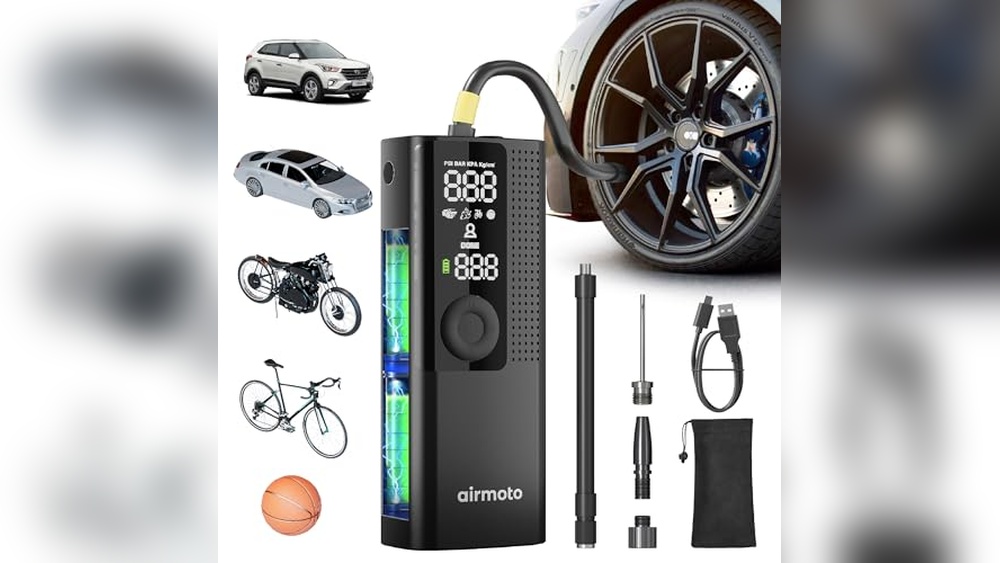
This is the easiest win. Check pressure at least once a week if you ride often.
- Use the pressure listed in your owner’s manual
- Check pressure when the tire is cold
- Adjust for load if your manual gives touring or two-up settings
Ride smoothly
Smooth riding is easier on tires and on the bike.
- Roll on the throttle gently
- Brake in a controlled way
- Avoid spinning the rear tire
- Take corners with calm inputs
Avoid overload
Extra weight speeds up wear. If you carry luggage or ride two-up often, your tires will work harder.
Use the correct load rating and pressure for your setup. That small step can make a big difference in tire life.
Rotate your habits, not your tires
Motorcycle tires are not usually rotated like car tires. Instead, you manage wear through riding style and maintenance.
- Inspect tires often
- Fix suspension problems early
- Avoid long burnouts or hard launches
- Keep wheels balanced
Store the bike well
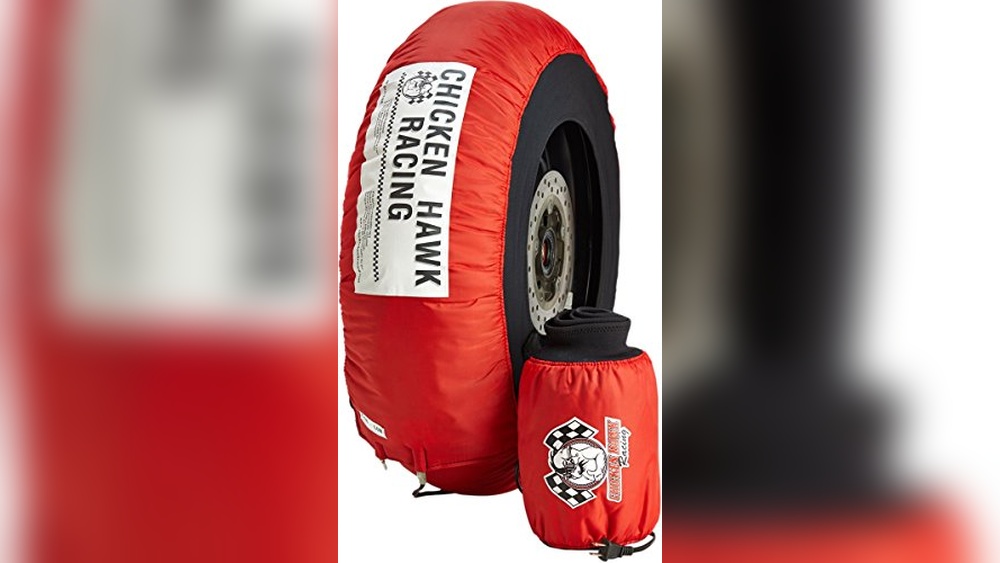
Sun, heat, and moisture age rubber. If your bike sits for long periods, store it in a cool, dry place.
Use a cover if needed, and avoid leaving tires on hot concrete or in direct sun for months at a time.
Front tire vs rear tire lifespan
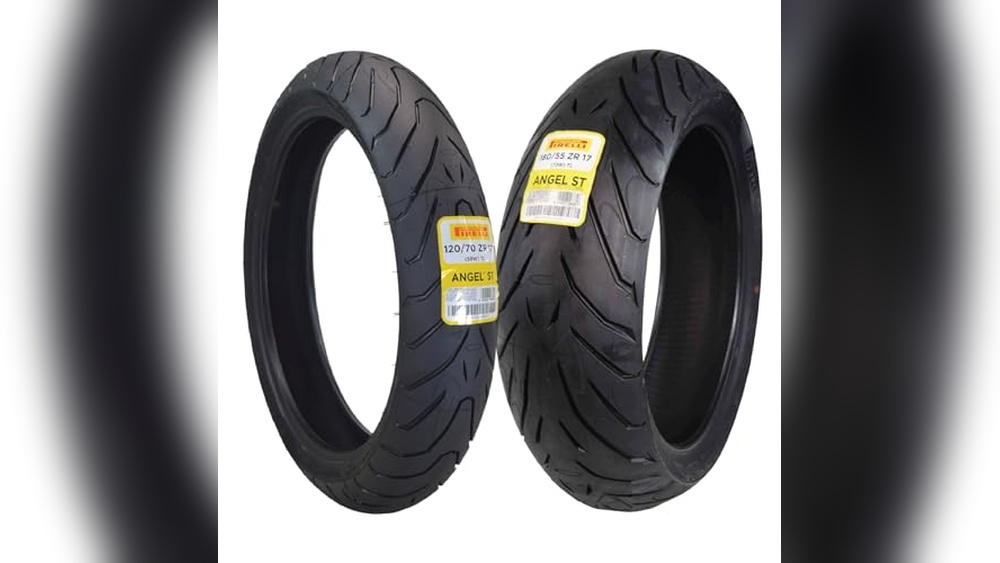
The rear tire usually wears out first. That is because it handles most of the drive force and often carries more load. The front tire usually lasts longer, but it still needs close attention.
Front tire wear can be sneaky. It may not show dramatic bald spots, but cupping, scalloping, or edge wear can hurt handling. If the front tire starts to feel noisy or shaky, inspect it right away.
In my own experience, the rear tire is the first one to go on most street bikes. The front often still has life left, but it may not be wise to keep mixing a fresh rear with a very old front if grip and feel are already changing.
Motorcycle tire lifespan by riding type
Different riders get very different results. That is why general mileage numbers only tell part of the story.
Commuting
If you commute mostly on smooth roads, tire life can be fairly good. Constant stop-and-go traffic adds wear, but steady-speed riding helps.
Many commuters get solid mileage from sport touring or cruiser tires because they balance grip and durability.
Touring
Touring riders often get some of the best tire life. Long highway miles are easier on rubber than hard street riding or track use.
The tradeoff is load. Touring bikes with luggage and passengers put more stress on rear tires.
Sport riding
Sport riders usually replace tires sooner. Lean angles, heat, and aggressive throttle use eat tread quickly.
That is the price of sticky rubber. The grip feels great, but the lifespan is shorter.
Track riding
Track use is the fastest way to wear tires. High speeds, heat cycles, and heavy cornering all reduce tire life fast.
A street tire can disappear shockingly quickly on a track day. That is normal and expected.
Off-road and dual-sport riding
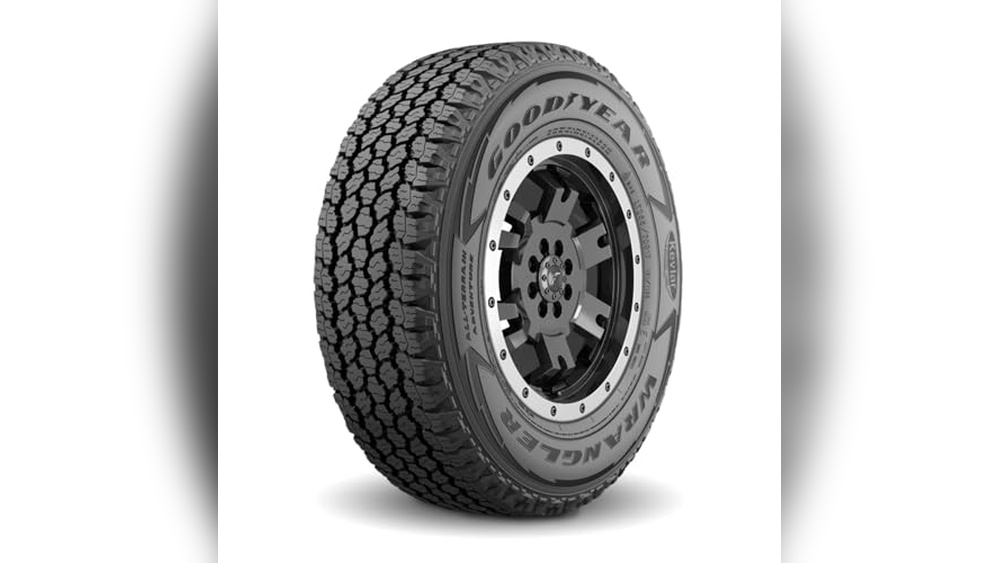
Off-road tires can wear unevenly because dirt, rocks, sand, and pavement all affect them differently. Knobby tires may wear fast on asphalt even if they still look fine on soft ground.
Dual-sport riders often see the biggest swing in tire life because usage varies so much.
How to read tire wear like a pro
Tire wear tells you a lot about the bike and the rider. You do not need a shop tool to spot many problems.
Here are a few common patterns:
- Center wear often means lots of straight-line riding or underinflation
- Edge wear can mean hard cornering or aggressive riding
- Cupping may point to suspension issues, imbalance, or low pressure
- Feathering can suggest alignment or setup problems
When I inspect a tire, I do not just look at tread depth. I look at shape, texture, and sidewall condition too. The story is usually there if you know where to look.
When to replace motorcycle tires
Replace tires when tread is low, wear is uneven, or the tire is too old. Do not wait for a blowout or a scary slide to make the call.
A good rule is to replace tires when:
- Wear bars are flush with the tread
- Cracks appear in the rubber
- The tire is past its usable age
- You feel reduced grip in the wet
- The tire has damage that cannot be repaired safely
If you are unsure, ask a trusted motorcycle shop to inspect them. A second set of eyes is worth it when safety is on the line.
Frequently Asked Questions about how long motorcycle tires last
How many miles do motorcycle tires usually last?
Most motorcycle tires last between 5,000 and 15,000 miles, but the real number depends on tire type, riding style, and road conditions. Sport tires wear faster, while touring tires usually last longer.
Do motorcycle tires expire even if they have tread left?
Yes, they can age out before the tread is gone. Rubber hardens over time, which can reduce grip and safety even on low-mileage bikes.
Which motorcycle tire wears out faster, front or rear?
The rear tire usually wears out faster because it handles power and more load. The front tire often lasts longer, but it still needs regular checks for uneven wear and aging.
Can tire pressure affect how long motorcycle tires last?
Yes, tire pressure has a big impact on tire life. Underinflation can cause heat and fast wear, while overinflation can create uneven wear and reduce grip.
Is it safe to ride on old motorcycle tires?
It depends on the condition and age of the tire, but old tires can be risky even if they still have tread. If you see cracks, hard rubber, or the tire is several years old, replacement is usually the safer choice.
How often should I check my motorcycle tires?
Check them before every ride if possible, or at least once a week if you ride often. Look at pressure, tread, sidewalls, and any signs of damage or uneven wear.
Conclusion
How long motorcycle tires last depends on more than just mileage. Tire type, road surface, rider habits, pressure, load, and age all shape the final number. If you stay on top of inspections and keep your riding smooth, you can get better life and better safety from every set.
The smartest move is to treat tires as a key part of the bike, not just a wear item. Check them often, replace them before they become a problem, and choose the right tire for how you ride. If you found this helpful, keep learning, compare your tire wear patterns, and share your own experience with other riders.