How Often To Change Motorcycle Chain: Expert Guide

Most motorcycle chains last 15,000 to 30,000 miles, but wear, care, and riding style decide the real answer.
If you ride often, you already know the chain is not just another part. It is the link that turns engine power into motion, and when it wears out, the whole bike starts to feel rough, loose, and tired. Understanding how often to change motorcycle chain can save you from poor performance, costly repairs, and even unsafe rides.
How Often to Change Motorcycle Chain
There is no single mileage rule that fits every motorcycle. A chain may last as little as 10,000 miles on a hard-used bike or well over 30,000 miles on a machine that is cleaned, lubed, and adjusted on time. The real answer depends on chain type, maintenance, road conditions, and how you ride.
From experience, the bikes that live the easiest life are the ones with regular cleaning and proper tension. I have seen chains fail early because of simple neglect, not because they were low quality. I have also seen the same chain stay smooth for years when the rider kept it clean, checked sprockets, and did not run it too tight.
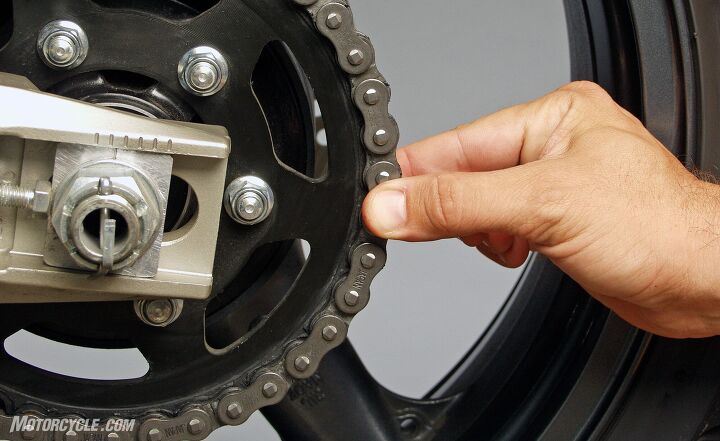
What Affects Motorcycle Chain Life
A motorcycle chain wears like a pair of work boots. If you walk through mud every day, they die sooner. If you take care of them, they last much longer. The same idea applies here.
Riding style
Aggressive riding puts more stress on the chain. Hard launches, fast shifts, wheelies, and repeated stop-and-go use all speed up wear. Smooth throttle use helps the chain live longer.
Maintenance habits
A dirty chain wears faster because grit acts like sandpaper. A dry chain also runs hot and loses protection. Regular cleaning and lubrication help reduce friction and slow down wear.
Road and weather conditions
Rain, dust, salt, and mud all shorten chain life. Wet climates and winter roads are especially rough because moisture and corrosion work together. If you ride in these conditions often, you may need to change the chain sooner.
Chain quality and type
O-ring, X-ring, and Z-ring chains usually last longer than basic non-sealed chains. Sealed chains hold internal grease better and resist wear. That does not make them indestructible, but it does improve durability.
Sprocket condition
A worn chain often goes hand in hand with worn sprockets. If the sprockets are hooked, sharp, or uneven, they can destroy a new chain fast. In many cases, changing the chain without changing the sprockets is a short-term fix.

Signs It Is Time to Replace a Motorcycle Chain
Mileage helps, but condition matters more. A chain can be worn out before the odometer says it should be. That is why visual checks matter so much.
Look for these signs:
- Stiff links, which do not move freely even after cleaning and lubrication
- Rust that keeps coming back
- Tight spots followed by loose spots
- Excessive slack that returns soon after adjustment
- Visible elongation, often called chain stretch
- Sprocket teeth that look hooked or sharp
- Clicking, slapping, or rough noise from the drive area
- Jerky power delivery or vibration at certain speeds
A good habit is to check the chain every few rides. I have found that small problems are easy to fix early, but once a chain starts binding or showing uneven wear, replacement is usually the smarter move.
How to Inspect Chain Wear at Home
You do not need a full shop setup to inspect a chain. A stand, a flashlight, and a little patience go a long way. This check takes only a few minutes and can tell you a lot.
Follow these steps:
- Put the bike on a rear stand if possible.
- Spin the rear wheel slowly.
- Look for dry spots, rust, kinks, and stiff links.
- Check chain slack at several points.
- Measure chain stretch if the service manual gives a wear limit.
- Inspect sprocket teeth for hooks or uneven shape.
If one part of the chain feels much tighter than the rest, that is a warning sign. A chain should move smoothly around the sprockets. If it does not, it may be near the end of its life.
How Often to Change Motorcycle Chain by Riding Type
Different riders wear chains at different speeds. A commuter, a touring rider, and a sport rider do not stress the chain the same way. That is why the answer to how often to change motorcycle chain changes from bike to bike.
Daily commuting
If you ride to work in mixed traffic, expect moderate wear. Frequent starts and stops create heat and load. With good care, many commuter chains last toward the higher end of the range.
Sport riding
Sport riding usually shortens chain life. Hard acceleration, quick downshifts, and spirited corner exits create more stress. Riders who push the bike hard should inspect the chain more often.
Touring
Touring can be kind to a chain if the pace is steady. Long highway miles at smooth throttle are often easier on the drivetrain than city riding. Still, dust, rain, and loaded luggage can add wear.
Off-road and adventure riding
Dirt, mud, water, and grit are tough on chains. Adventure bikes often need more frequent cleaning and inspection. If you ride off-road a lot, chain replacement may come sooner than expected.
Mileage Ranges You Can Use as a Guide
A realistic mileage guide helps, even though it is not a rule. Think of it as a rough map, not a hard law.
- Basic non-sealed chain: about 10,000 to 15,000 miles
- Good sealed chain: about 15,000 to 25,000 miles
- Well-maintained premium chain: about 20,000 to 30,000+ miles
These numbers can swing up or down based on the bike and the rider. I have seen chain life cut nearly in half when a rider ignored tension and never cleaned road grime. I have also seen a well-kept chain go well past the average because the owner stayed ahead of wear.
Why Changing the Chain at the Right Time Matters
Waiting too long can cost more than just comfort. A worn chain can damage the sprockets, hurt fuel efficiency, and make the bike harder to ride smoothly. In bad cases, a failing chain can even come off or break.
Here is what timely replacement helps with:
- Better throttle response
- Smoother power transfer
- Less vibration and noise
- Lower risk of drivetrain damage
- Better safety on the road
That is why how often to change motorcycle chain is really about smart timing, not guessing. Replacing it too early wastes money, but replacing it too late can create a much bigger bill.
How to Make a Motorcycle Chain Last Longer
Good habits can add thousands of miles to chain life. This is one of the easiest maintenance wins on a motorcycle. It does not need to be fancy, just consistent.
Keep it clean
Use a chain-safe cleaner and a soft brush. Remove grime before it turns into grinding paste. Avoid harsh tools that damage seals.
Lubricate it regularly
Lube after cleaning and after wet rides. A light, even coat is enough. Too much lube only attracts dirt.
Check slack often
A chain that is too tight wears fast. A chain that is too loose slaps and jerks under load. Follow the service manual for the correct tension.
Replace sprockets with the chain when needed
A new chain on worn sprockets is like new tires on bent wheels. It will not perform well for long. If the sprockets show wear, change the set together.
Avoid abusive riding
Smooth inputs help the drivetrain last longer. Gentle takeoffs and clean shifts reduce shock loads. That is one of the cheapest ways to protect the chain.

Common Mistakes Riders Make
Many chain problems start with simple mistakes. I have made a few of these myself early on, and most riders do at some point. The good news is that they are easy to avoid.
- Running the chain too tight
- Forgetting to clean after rain or dirt rides
- Using the wrong lubricant
- Ignoring sprocket wear
- Waiting for a loud noise before checking the chain
- Assuming chain stretch is normal forever
One lesson that sticks with me is this: if the chain needs constant adjustment, it is trying to tell you something. A healthy chain should not feel like a full-time job.
When to Replace Chain and Sprockets Together
In most cases, chain and sprockets should be replaced as a set if wear is visible. This helps the drivetrain wear evenly and gives the new chain the best chance to last. Many service manuals and mechanics recommend changing all three parts together when the sprockets show damage.
Signs you should replace the full set:
- Hooked sprocket teeth
- Uneven tooth shape
- Chain that skips or jumps
- Heavy wear on both chain and sprockets
- A new chain that does not sit properly on old sprockets
Changing only the chain may seem cheaper at first, but it often leads to faster failure. It is usually better to do the job once and do it right.
Frequently Asked Questions of How Often to Change Motorcycle Chain
How do I know if my motorcycle chain is worn out?
A worn chain often has stiff links, rust, uneven slack, or visible stretching. If it makes noise, binds in spots, or keeps needing adjustment, it is likely near the end of its life.
Can a motorcycle chain last 20,000 miles?
Yes, many sealed chains can last around 20,000 miles or more with good care. Clean riding habits, proper tension, and regular lubrication make a big difference.
Should I replace the sprockets when I replace the chain?
Usually, yes. If the sprockets are worn, a new chain will wear faster and may not run smoothly. Replacing the full set is the safer long-term choice.
How often should I clean and lube my motorcycle chain?
For most riders, every 300 to 600 miles is a solid range, and more often after rain or dusty rides. If you ride in harsh conditions, check it more often and do not let grime build up.
What happens if I keep riding with a bad chain?
A bad chain can damage the sprockets, hurt performance, and increase the risk of failure. In serious cases, it can break or come off, which can be dangerous and expensive.
Is chain stretch normal on a motorcycle?
A little wear over time is normal, but a chain should not keep stretching rapidly. If it needs frequent adjustment, that usually means the chain or sprockets are worn out.
Conclusion
How often to change motorcycle chain depends on riding style, maintenance, road conditions, and chain type. Most chains last somewhere between 15,000 and 30,000 miles, but the real answer comes from checking wear, not just watching the odometer. If you keep it clean, lube it on time, and replace it before it gets sloppy, you protect your bike and your wallet.
The best habit is simple: inspect your chain often and listen to what your motorcycle is telling you. A little attention now can save you from a bigger repair later. If this guide helped, take a few minutes today to check your chain, and keep learning about basic motorcycle maintenance so every ride stays smooth and safe.


