How To Prevent Bike Chain From Rusting: Easy Tips

Keep the chain clean, dry, and lightly lubricated to block rust before it starts.
A rusty bike chain is one of those small problems that can turn a smooth ride into a noisy chore fast. I’ve seen this happen on bikes left outside after a wet commute, and the fix is usually simple if you catch it early. In this guide on how to prevent bike chain from rusting, I’ll walk you through practical steps, smart maintenance habits, and a few mistakes to avoid so your chain stays strong, quiet, and ready to ride.
Why Bike Chains Rust
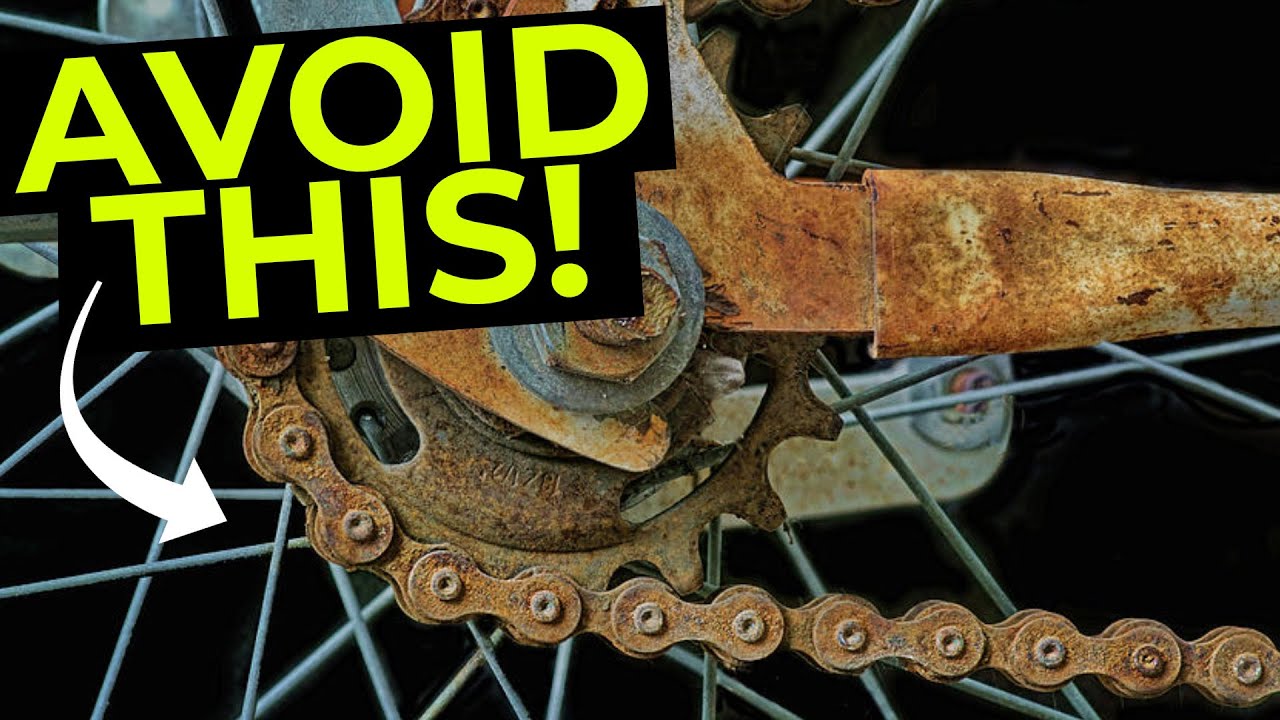
Bike chains rust when metal meets moisture and stays wet long enough for oxidation to begin. Rain, humidity, road salt, mud, and even sweaty storage spaces can speed this up. Once rust starts, it can spread across rollers, side plates, and pins, making the chain stiff and less efficient.
A chain is made of many small steel parts, which means there are lots of tiny places for water to hide. That is why how to prevent bike chain from rusting is not just about one big cleaning session. It is about building a habit that keeps moisture away and protects the metal.
From my own experience, the bikes that rust fastest are usually the ones that get used often but cleaned least. A wet ride is not the problem by itself. Leaving the chain dirty and damp is what really causes trouble.
How to Prevent Bike Chain From Rusting
The best way to prevent bike chain from rusting is to keep it clean, dry, and properly lubricated. A thin coat of bike chain lube creates a barrier between metal and moisture. Regular wiping and storage also matter a lot.
Here is the simple formula I recommend:
- Clean the chain often so dirt and grime do not hold moisture.
- Dry the chain after rain or washing.
- Apply the right lubricant for your riding conditions.
- Store the bike in a dry place whenever possible.
This is the heart of how to prevent bike chain from rusting. If you stay ahead of moisture, you avoid most rust problems before they begin.
Clean Your Chain on a Regular Schedule
A dirty chain rusts faster because grime traps water like a sponge. Dust, salt, and old oil also break down fresh lubricant. If you ride often, a quick cleaning every 1 to 2 weeks is usually enough.
A basic cleaning routine works well:
- Shift the bike into a stable gear.
- Wipe the chain with a dry or lightly damp cloth.
- Use a chain cleaner or degreaser if the chain is very dirty.
- Dry the chain fully before adding lubricant.
I learned the hard way that putting lube over a filthy chain is a bad habit. It looks like maintenance, but it just seals in the dirt. If you want to prevent bike chain from rusting, clean first and lube second.
Dry the Chain After Wet Rides or Washing
Water is the enemy, especially when it sits on the chain overnight. If you ride in rain or wash your bike, dry the chain as soon as you can. Even a simple wipe-down makes a big difference.
Good drying habits include:
- Using a clean microfiber cloth to remove surface water.
- Spinning the pedals backward while wiping the chain.
- Letting the bike air-dry in a warm, dry place.
- Checking hidden spots near the cassette and chainrings.
A chain that looks dry may still have moisture inside the rollers. That is why how to prevent bike chain from rusting often comes down to small follow-up steps after every wet ride.
Use the Right Bike Chain Lubricant
Lubrication is one of the strongest defenses against rust. Chain lube forms a protective film that helps repel water and reduce friction. But not all lubes work the same way.
The main types include:
- Wet lube, which lasts longer and works well in rain and mud.
- Dry lube, which stays cleaner in dusty, dry conditions.
- Ceramic or premium lubes, which can improve durability and smoothness.
Choose lube based on where and how you ride. If you commute in wet weather, wet lube usually makes more sense. If you ride mostly in dry conditions, a dry lube can help keep the chain cleaner.
A common mistake is using too much lube. More is not better. Wipe off the extra after applying so the chain stays protected without attracting dirt.
Store Your Bike in a Dry Place
Storage matters more than many riders think. A bike left in a humid garage, damp basement, or outside in the rain has a much higher chance of rust. Metal parts do not need a storm to corrode. A little moisture over time is enough.
To reduce rust risk:
- Keep the bike indoors if possible.
- Avoid storage near leaking pipes or wet floors.
- Use a breathable bike cover if you store it outside temporarily.
- Hang or stand the bike in a spot with good air flow.
If your bike chain is exposed to salty coastal air, the risk goes up even more. Salt speeds corrosion, so how to prevent bike chain from rusting becomes even more about cleaning and drying quickly.
Protect the Chain After Washing the Bike
Washing a bike is good, but only if you finish the job properly. Water from a hose or bucket can leave tiny droplets in the chain links. If you do not dry and relube afterward, rust can start within a short time.
A solid post-wash routine looks like this:
- Rinse gently instead of blasting the drivetrain.
- Avoid soaking the chain for long periods.
- Dry the chain with a cloth.
- Reapply lubricant once the chain is fully dry.
I have seen riders wash their whole bike carefully and then park it wet. That is like cleaning a window and then leaving fingerprints on it right away. The cleaning helped, but the follow-through mattered more.
Inspect for Early Rust and Wear
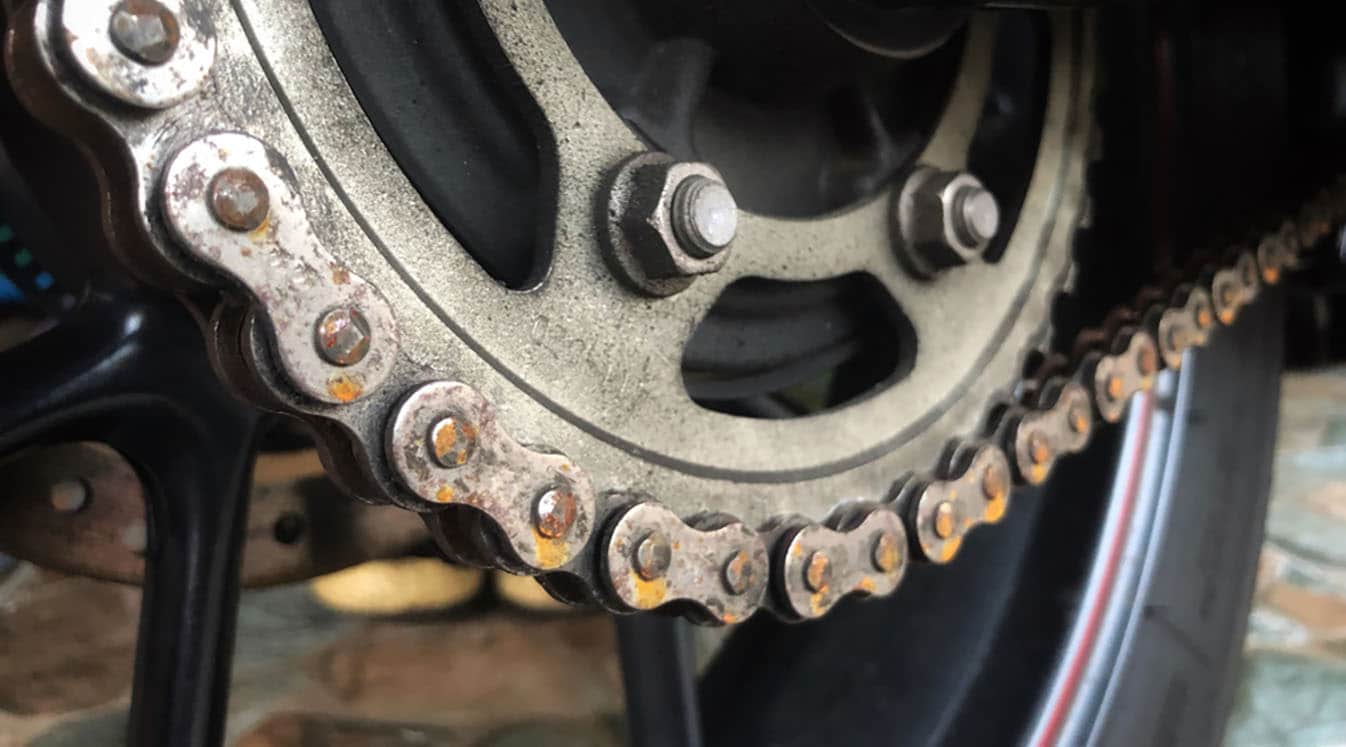
Catching rust early can save a chain. Light surface rust may be removed before it gets serious. If you notice stiff links, orange spots, or noisy pedaling, check the chain right away.
Look for these signs:
- Orange or brown spots on the outer plates.
- Stiff or noisy chain movement.
- Grit buildup around the rollers.
- A rough feel when pedaling backward.
A small rusty spot does not always mean the chain is ruined. But if rust has worked deep into the links, replacement may be the safer option. That is one reason why how to prevent bike chain from rusting is better than trying to fix a badly corroded chain later.
Use a Rust Preventive Strategy for Long-Term Protection
Long-term protection is about habits, not one product. A chain that gets cleaned, dried, and lubed on a routine basis will last much longer than one that only gets attention when it starts squeaking. Think of it like brushing your teeth instead of waiting for a cavity.
A good long-term plan includes:
- Weekly wiping for frequent riders.
- Monthly deep cleaning for most casual riders.
- Lubricating after wet rides.
- Checking chain wear with a chain checker tool.
Industry maintenance guidance consistently shows that drivetrain care improves performance and helps parts last longer. In practice, that means less friction, better shifting, and fewer replacement costs. If you want a simple answer to how to prevent bike chain from rusting, steady care is the answer.
What Not to Do
Some mistakes actually make rust more likely. I have made a few of these myself, especially when rushing after a ride. They seem harmless at first, but they add up.
Avoid these common errors:
- Leaving the bike wet after a ride.
- Using cooking oil or random household oils on the chain.
- Spraying too much lubricant and not wiping off excess.
- Storing the bike in a damp area.
- Ignoring small rust spots until the chain feels rough.
Household oils may seem like a quick fix, but they are not made for drivetrain conditions. They can attract dirt and wash away faster. If your goal is how to prevent bike chain from rusting, stick with proper bike-specific products.
Simple Maintenance Routine You Can Follow
You do not need a workshop-level setup to protect your chain. A few minutes of care can go a long way. This routine is easy to repeat and works for most riders.
Try this:
- Wipe the chain after each wet ride.
- Clean the drivetrain when it looks dirty.
- Apply chain lube to the inside of the chain.
- Let the lube sit for a few minutes.
- Wipe away extra lubricant from the outer chain plates.
- Store the bike in a dry place.
This kind of routine is realistic, even for busy riders. It is one of the best answers to how to prevent bike chain from rusting because it fits into normal life without much effort.
When to Replace a Rusty Chain
Sometimes rust is too deep to save. If the chain is badly corroded, stiff in many places, or stretched beyond wear limits, replacement is the better choice. A worn chain can also damage the cassette and chainrings.
Consider replacement if:
- Rust covers most of the chain.
- Several links are stuck or noisy.
- The chain has failed a wear check.
- Shifting feels worse even after cleaning.
A new chain is much cheaper than replacing a full drivetrain. That is why prevention matters so much. The best way to prevent bike chain from rusting is to keep you out of the replacement cycle in the first place.
Frequently Asked Questions of How to Prevent Bike Chain From Rusting
How often should I lubricate my bike chain?
Most riders should lubricate the chain every few weeks, or after wet rides and deep cleaning. If you ride in rain, mud, or salty air, you may need to do it more often.
Can I use WD-40 to prevent rust on a bike chain?
Regular WD-40 is good for displacing water, but it is not ideal as a long-term chain lubricant. It can help in a pinch, but a proper bike chain lube offers better protection and lasts longer.
Is a rusty bike chain still safe to ride?
Light surface rust may still be rideable for a short time, but it should be cleaned and treated quickly. Heavy rust, stiff links, or poor shifting are signs that the chain may need replacement.
What is the best way to dry a bike chain after rain?
Use a clean cloth to wipe the chain, then let the bike air-dry in a dry space. Spinning the pedals backward while wiping helps remove moisture from the links faster.
Does indoor storage really help prevent chain rust?
Yes, indoor storage helps a lot because it reduces exposure to rain, humidity, and temperature swings. A dry, well-ventilated space can make a big difference in chain life.
Conclusion
Preventing a rusty chain is mostly about staying consistent. Clean it, dry it, lubricate it, and store the bike well, and you will avoid most rust problems before they start. That simple routine saves money, keeps shifting smooth, and makes every ride feel better.
If you want to get more life out of your drivetrain, start with one habit today. Wipe the chain after your next ride, check your lube, and give your bike a dry home. If this guide helped, explore more bike maintenance tips and share your own chain-care routine in the comments.


