How To Read A Motorcycle Tire: Easy Guide

You can read a motorcycle tire by checking its size, load, speed rating, age, wear, and tread pattern.
If you know how to read a motorcycle tire, you can make safer choices, spot hidden damage early, and pick the right replacement without guesswork. I have seen riders focus only on tread depth and miss the clues on the sidewall that matter just as much. Once you learn the code, a tire stops being a mystery and starts acting like a clear report on your bike’s safety and performance.

How to read a motorcycle tire sidewall
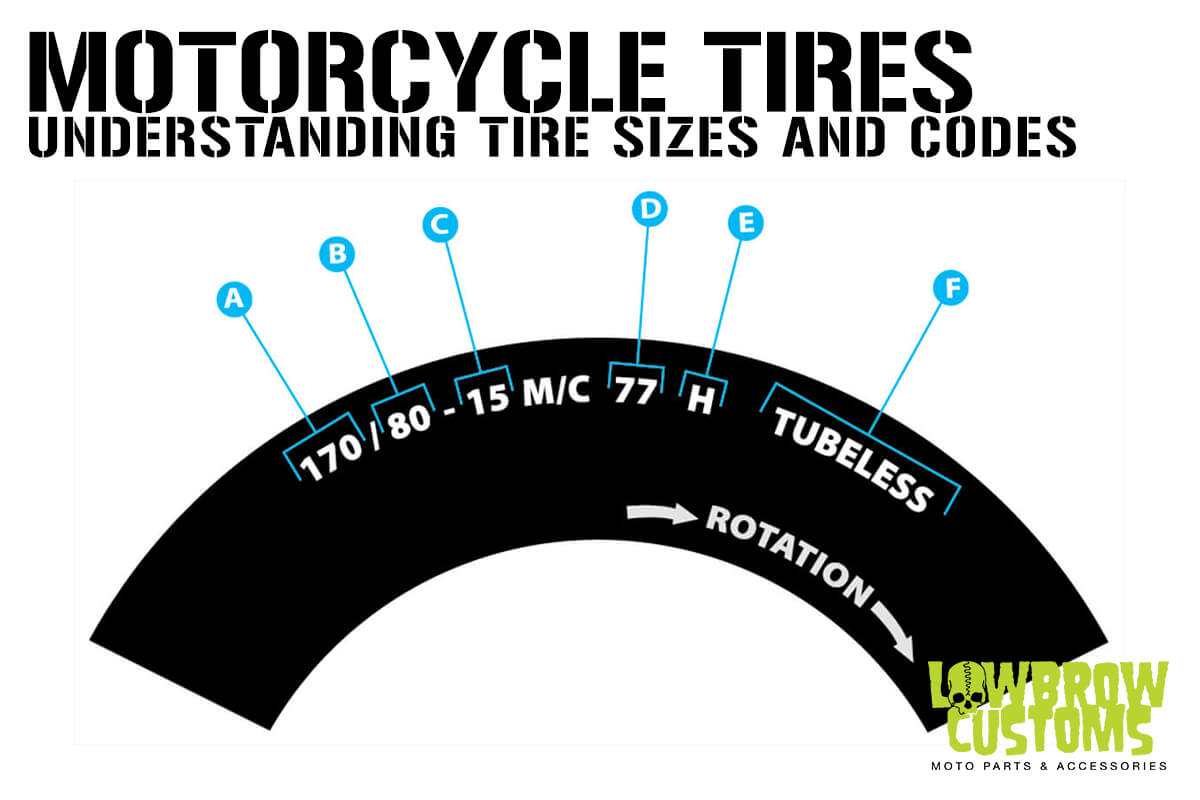
The sidewall is the easiest place to start when learning how to read a motorcycle tire. It holds the main code, plus the details that tell you the tire’s size, type, build, and limits. On most tires, the numbers and letters look random at first, but each part has a job.
A typical tire might say something like this:
120/70 ZR17 M/C 58W
Here is what that means:
- 120 is the tire width in millimeters
- 70 is the aspect ratio, or sidewall height as a percentage of width
- ZR means the tire is built for high speed and radial construction
- 17 is the rim diameter in inches
- M/C means motorcycle tire
- 58 is the load index
- W is the speed rating
When I first started inspecting tires in real-world use, I learned that riders often assume “bigger means better.” That is a mistake. The tire has to match the bike’s rim, suspension, and intended use. A tire that looks strong on paper can still be wrong for the machine.
Motorcycle tire size explained
Tire size is one of the first things to check when learning how to read a motorcycle tire. If the size does not match your owner’s manual or the manufacturer’s recommendation, handling can suffer fast. That can affect steering, lean angle, and stability.
Here is a simple breakdown:
- Width: This is how wide the tire is across the tread.
- Aspect ratio: This shows how tall the sidewall is compared to the width.
- Rim diameter: This must match the wheel size exactly.
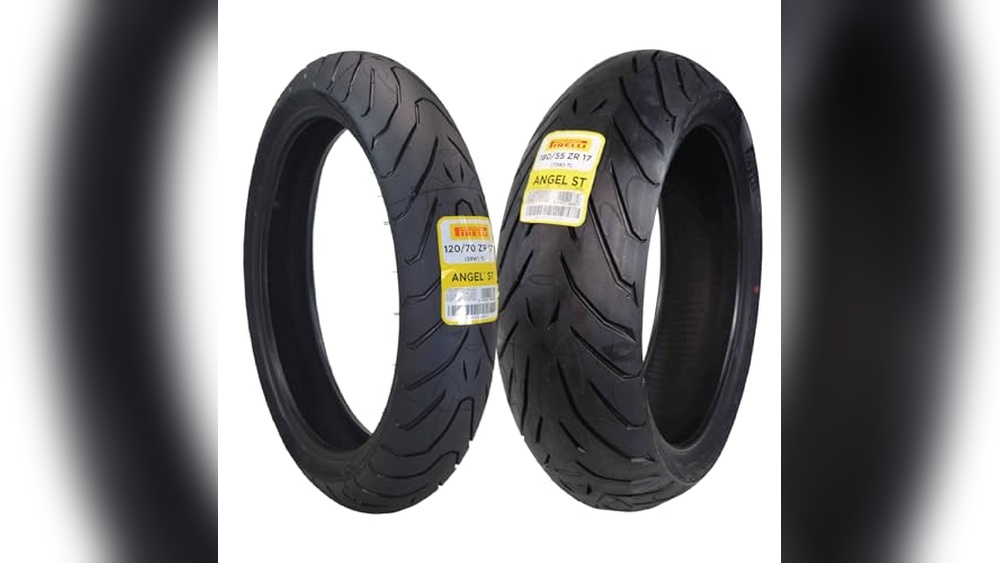
For example, a 180/55 ZR17 tire is 180 mm wide, with a sidewall height equal to 55 percent of that width, and it fits a 17-inch rim. That single code tells you a lot about the tire’s fit and feel.

How to read motorcycle tire load and speed ratings
Load and speed ratings are two of the most important parts of how to read a motorcycle tire. They tell you how much weight the tire can safely carry and how fast it is designed to go. These ratings are not decorations. They are safety limits.
The load index is a number. The higher the number, the more weight the tire can support. The speed rating is usually a letter. It shows the maximum speed the tire can handle under the right conditions.
Some common speed ratings include:
- H: up to 130 mph
- V: up to 149 mph
- W: up to 168 mph
- Z: over 149 mph, usually used with another marking
Some common load index examples:
- 58: 520 lbs
- 61: 567 lbs
- 69: 716 lbs
always check both the front and rear tires. The rear usually carries more load, especially with a passenger or luggage. I have seen touring riders overload the rear tire without realizing it, and that can speed up wear and hurt grip.
Why load and speed matter in daily riding
A tire with the wrong rating may not fail right away, but it can run hotter, wear faster, or feel unstable. That is why how to read a motorcycle tire is not just about decoding numbers. It is about understanding what those numbers mean in the real world.
If you ride two-up, haul gear, or spend time on highways, these ratings matter even more. The right tire should match your bike and your use, not just fit the wheel.
How to read motorcycle tire type and construction
Another key part of how to read a motorcycle tire is understanding tire type and construction. This helps you know whether the tire is built for touring, sport riding, commuting, or off-road use. It also tells you how the tire is made, which affects feel and durability.
Common markings include:
- R: Radial construction
- B: Bias-belted construction
- D: Diagonal or bias-ply construction
Radial tires often give better heat control and road feel at highway speeds. Bias-ply tires can feel more flexible and may work well for some cruisers, older bikes, or certain off-road uses.
You may also see words like:
- Sport
- Touring
- Cruiser
- Dual sport
- Adventure
- Off-road
These labels matter because they match the tire’s design to the riding style. A sport tire may stick better in corners, while a touring tire may last longer on long trips. If you use the wrong type, you may not get the grip or comfort you expect.

How to read motorcycle tire tread pattern and wear
Tread pattern is another major clue in how to read a motorcycle tire. The grooves and channels are designed to move water away, keep grip on the road, and support certain riding conditions. A tire’s tread tells you what it was built to do.
Here is what to look for:
- Deep grooves: Often help in wet weather and on rough roads
- Smoother center: Common on sport or highway-focused tires
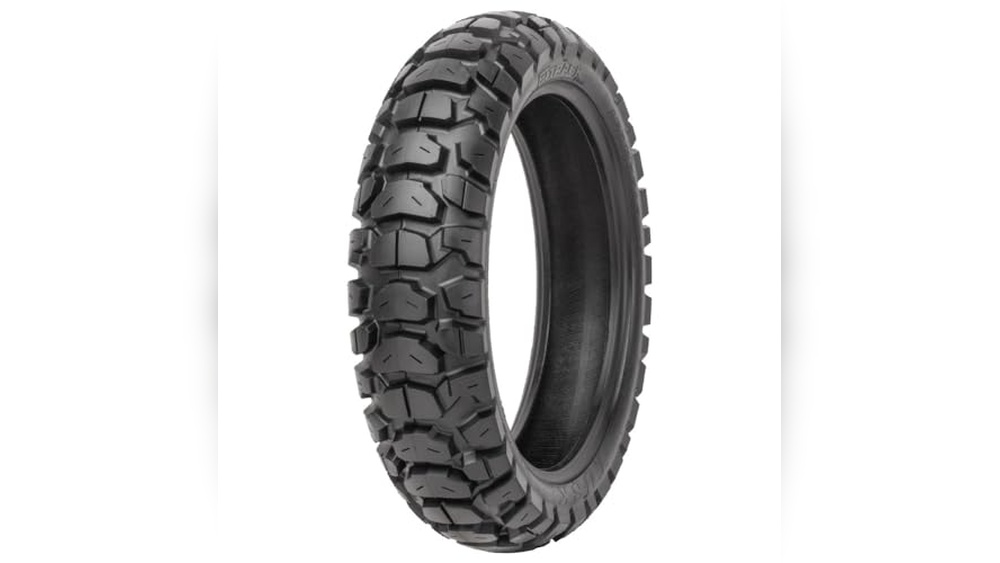
- Knobby blocks: Better for dirt, gravel, and trails
- Directional arrows: Show the correct rotation direction
Tread wear matters just as much as tread shape. If the center is flat, the edges are uneven, or the wear bars are showing, it is time to think seriously about replacement. In my own experience, many riders wait too long because the tire “still looks fine” from a distance. Up close, the wear tells a different story.
Signs of uneven tire wear
Uneven wear can point to deeper problems, not just an old tire. It may come from incorrect pressure, bad alignment, worn suspension, or aggressive riding habits.
Watch for:
- Center wear: Often caused by long highway miles or overinflation
- Edge wear: Can happen with spirited cornering or underinflation
- Cupping or scalloping: May suggest suspension issues or imbalance
- Feathering: Can point to alignment or inflation problems
If you see these signs, do not ignore them. The tire may still hold air, but its grip and stability may already be compromised.
How to read motorcycle tire date codes
Learning how to read a motorcycle tire also means checking the date code. Tires age even when they are not used much. Rubber hardens over time, and that can reduce traction and safety.
Most motorcycle tires have a DOT code. The last four digits tell you the week and year of manufacture. For example:
- 3523 means the 35th week of 2023
This matters because a tire can look good but still be too old for safe use. Heat, sunlight, and storage conditions all affect aging. Many riders are surprised to learn that a tire sitting in a garage for years is not the same as a fresh one.
How old is too old?
There is no one-size-fits-all answer, but age should always be checked. Many experts recommend a careful inspection for tires that are several years old, even if the tread is deep. If you see cracking, hardening, or dry rot, replace the tire sooner rather than later.
I always tell riders this: a tire can be unused and still be unsafe. Age does not care how many miles you have ridden.
How to read motorcycle tire pressure and maintenance clues
Pressure is not part of the sidewall code, but it is part of understanding how to read a motorcycle tire in practice. A tire’s condition tells you a lot about whether it has been cared for properly. Correct inflation affects grip, wear, fuel use, and comfort.
Look for clues like:
- A tire that feels too soft may be underinflated
- A tire with fast center wear may be overinflated
- Cracks near the bead or sidewall may suggest age or neglect
- Strange vibration may point to imbalance or damage
Always use the pressure listed by your motorcycle manufacturer, not just the number molded on the tire. That printed number is often a maximum, not the ideal setting for your bike.
I learned this lesson the hard way early on. A tire that was only a few pounds low felt fine around town, but on a hot day at highway speed, the handling changed noticeably. Small pressure errors can become big riding problems.
How to read motorcycle tire markings for special use
Some tires include extra markings that help explain their design. These are important if you are trying to fully understand how to read a motorcycle tire. They may show whether the tire is tubeless, tube-type, approved for a specific brand, or made for certain conditions.
Common markings include:
- TL: Tubeless
- TT: Tube-type
- M/C: Motorcycle
- NHS: Not for highway service
- Front or Rear: Indicates intended wheel position
- Rotation arrow: Shows correct direction of travel
There may also be manufacturer-specific codes. These can refer to compound, construction, or original equipment fitment. If you are unsure, check the tire maker’s guide or your bike manual.
Why these markings matter
Using the wrong type can cause fitment issues or reduce safety. For example, a tube-type tire on a tubeless setup may not work the way you expect. A directional tire mounted backward can also hurt wet grip and wear.
This is one area where careful reading pays off. It is like checking the label on medicine instead of guessing from the bottle shape.
Common mistakes when learning how to read a motorcycle tire
A lot of riders make the same mistakes when they first learn how to read a motorcycle tire. The good news is that these errors are easy to avoid once you know what to watch for.
Common mistakes include:
- Checking tread only and ignoring the sidewall code
- Buying the wrong size because the tire “looked close enough”
- Confusing load index with speed rating
- Forgetting to check tire age
- Ignoring directional arrows
- Using the wrong pressure
- Replacing only one tire without considering the pair
One mistake I see often is judging a tire by tread depth alone. That is only part of the picture. A tire with plenty of tread can still be old, hardened, cracked, or poorly matched to the bike.
How to inspect a motorcycle tire step by step
If you want a simple routine for how to read a motorcycle tire, follow this inspection process. It takes only a few minutes and can save you from trouble later.
- Check the size code on the sidewall
- Confirm the load and speed rating
- Look at the date code
- Inspect the tread depth and wear bars
- Look for cracks, cuts, bulges, or flat spots
- Check the rotation arrow
- Verify pressure with a gauge
- Compare the tire type to your riding style
This habit makes tire checks feel natural. Over time, you start noticing small changes before they become expensive or dangerous.
Why learning how to read a motorcycle tire improves safety and performance
Knowing how to read a motorcycle tire helps you make smarter choices every time you ride or buy tires. It improves safety because you are less likely to use the wrong tire or miss a problem. It also improves performance because the right tire can sharpen handling, improve braking, and increase confidence.
The benefits include:
- Better traction in dry and wet conditions
- More stable cornering
- Longer tire life
- Fewer blowout risks from misuse
- Better comfort and ride feel
The limits are worth noting too. Reading the tire code does not replace a full inspection by a professional when there is visible damage, a vibration problem, or a sudden loss of air. If something feels off, trust your instincts and get it checked.
Frequently Asked Questions
How do I know what size motorcycle tire I need?
Check your motorcycle owner’s manual or the tire placard if your bike has one. The correct size must match both the wheel and the manufacturer’s recommendation.
What does the date code on a motorcycle tire mean?
The last four digits of the DOT code show the week and year the tire was made. For example, 3523 means the 35th week of 2023.
Can I use a tire with a higher speed rating?
Yes, as long as it fits your motorcycle and meets the other required specs. A higher speed rating is generally acceptable, but you should never ignore load, size, or construction.
How often should I check my motorcycle tires?
Check them before every ride if possible, and do a more detailed inspection at least once a month. Look at pressure, tread, age, and visible damage.
What is the most important part of how to read a motorcycle tire?
The most important parts are size, load rating, speed rating, and date code. Together, these tell you whether the tire is safe and suitable for your bike.
Conclusion
Learning how to read a motorcycle tire gives you a real advantage as a rider. Once you understand the size code, load rating, speed rating, tread, age, and wear signs, you can spot problems early and choose the right tire with confidence. That kind of knowledge helps protect your bike, your money, and your safety.
The next time you check your tires, take a slow look at the sidewall and the tread instead of rushing past them. A few extra minutes can tell you a lot. If this guide helped you, keep learning, inspect your tires regularly, and share the knowledge with another rider who could use it.