How To Read Motorcycle Tyre Size: Easy Guide

Motorcycle tyre size is read from the sidewall code, which shows width, aspect ratio, rim size, load, and speed rating.
If you have ever stared at a tyre and felt like it was written in code, you are not alone. Learning how to read motorcycle tyre size is one of those small skills that pays off in a big way, because it helps you choose the right tyre, keep your bike safe, and avoid fitment mistakes that can change how your motorcycle handles. I have seen riders buy the wrong size just because one number looked close enough, and that can turn a smooth ride into a sketchy one fast.
What motorcycle tyre size means
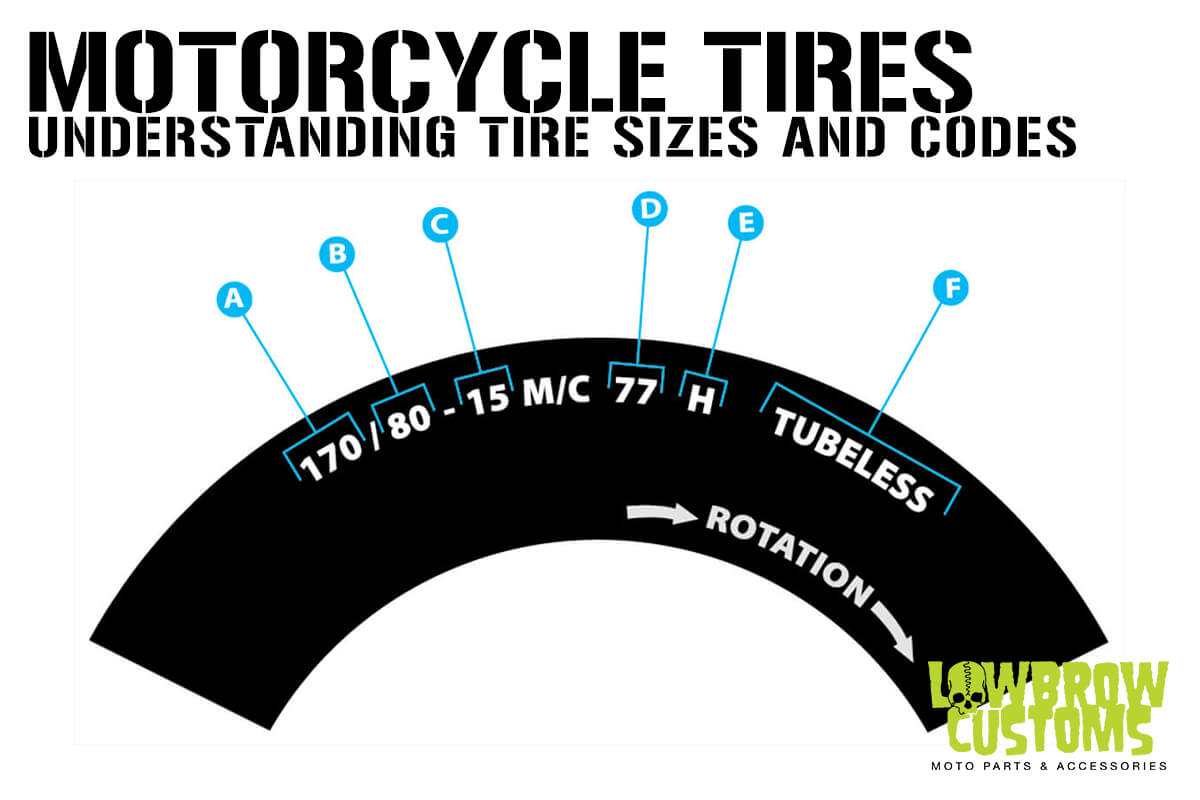
Motorcycle tyre size is a set of numbers and letters printed on the tyre sidewall. Those markings tell you the tyre’s width, profile, rim diameter, and performance limits. Once you know how to read motorcycle tyre size, you can compare tyres with confidence instead of guessing.
A typical tyre size may look like this:
180/55 ZR17 73W
Here is what that means in plain English:
- 180 means the tyre is 180 millimeters wide
- 55 means the sidewall height is 55 percent of the width
- ZR means the tyre is built for higher speeds and radial construction
- 17 means the tyre fits a 17-inch wheel
- 73 is the load index
- W is the speed rating
That one line tells you a lot. It is like a tyre’s ID card.

How to read motorcycle tyre size step by step
The easiest way to learn how to read motorcycle tyre size is to break the code into parts. I always tell riders to read it left to right and not rush the last letters, because those letters matter just as much as the numbers.
1. Read the tyre width
The first number is the tyre width in millimeters. In the example 180/55 ZR17, the tyre is 180 mm wide. Wider tyres can give a bigger contact patch, but they are not always better for every bike.
2. Read the aspect ratio
The second number is the aspect ratio. This tells you the sidewall height as a percentage of the width. A 55 aspect ratio means the sidewall height is 55 percent of 180 mm.
A lower number usually means a shorter sidewall and a sportier feel. A higher number usually means more cushion and a more rounded ride.
3. Check the construction type
The letter before the rim size often shows construction.
- R means radial construction
- B may mean bias belted
- No letter or another marking can appear on older or special tyres
Radial tyres are common on modern street bikes because they usually offer better heat control and handling. Bias tyres are still used on some cruisers, classics, off-road bikes, and older motorcycles.
4. Read the rim diameter
The next number is the rim size in inches. If the tyre says 17, it fits a 17-inch wheel. This number must match your wheel exactly.
5. Read the load index
After the size, you may see a load index such as 73. This number tells you how much weight the tyre can support when properly inflated. It is not a random number. It connects directly to load capacity tables used by the industry.
6. Read the speed rating
The last letter is the speed rating, such as W, H, or V. This shows the maximum speed the tyre is designed to handle under standard testing conditions. A tyre with a speed rating lower than your bike’s needs can be a problem, especially for high-speed riding.
Common motorcycle tyre size formats
Motorcycle tyres are not all labeled the same way. If you want to know how to read motorcycle tyre size correctly, you need to understand the common formats you will see on different bikes.
Metric sizing
This is the most common format on modern motorcycles.
Example:
- 120/70 ZR17
This means:
- 120 mm width
- 70 percent aspect ratio
- radial construction
- 17-inch rim
Alpha-numeric sizing
Some older or specialty tyres use a mix of letters and numbers.
Example:
- MT90B16
This means:
- MT is the tyre series or style
- 90 is the aspect ratio
- B indicates bias belted
- 16 is the rim diameter
Inch sizing
You may see inch-based sizes on some cruiser, vintage, or off-road tyres.
Example:
- 4.00-18
This means:
- 4.00 inches wide
- fits an 18-inch rim
These formats can look confusing at first, but the logic is the same. The tyre tells you how wide it is, how tall it is, and what wheel it fits.
Why the numbers matter for handling and safety
Knowing how to read motorcycle tyre size is not just about matching numbers. It also helps you understand how your bike will feel on the road. A tyre that is too wide, too narrow, too tall, or too short can affect grip, steering, and stability.
Here is what different size changes can do:
- Wider tyres can feel more planted, but they may slow steering
- Narrower tyres can turn faster, but may reduce stability in some cases
- Lower profile tyres can feel sharper in corners
- Taller sidewalls can add comfort, but may feel less precise
I once helped a rider who changed to a tyre that looked close enough on paper. The bike handled oddly in corners because the profile was not right for the wheel and suspension setup. That was a good reminder that tyre size is part math and part feel.
How to match tyre size to your motorcycle
The safest rule is simple: follow your motorcycle owner’s manual or the tyre placard if your bike has one. Manufacturers choose sizes based on geometry, weight, suspension, and intended use.
When checking fitment, look at:
- Front tyre size
- Rear tyre size
- Recommended load index
- Recommended speed rating
- Rim width
- Intended use, such as sport, touring, cruiser, or off-road
You should also check whether the tyre is tube type or tubeless. That matters a lot for safety and installation.
A tyre that fits the rim is not always the right tyre for the bike. That is why two bikes with the same wheel size can still need different tyre widths or profiles.
How to read motorcycle tyre sidewall markings beyond the size
The tyre size is only part of the story. The sidewall may include other markings that help you choose the right tyre.
Common markings include:
- DOT code: Shows compliance and manufacturing info
- Manufacturing date: Often shown as a four-digit week and year code
- Tread direction arrow: Shows the correct rotation direction
- Front or rear marking: Indicates where the tyre should be used
- Tubeless or tube type: Tells you how the tyre is built
- Reinforced or extra load markings: Shows added strength for heavier loads
These details matter because two tyres with the same size can still perform differently. Heat resistance, tread pattern, rubber compound, and construction all affect real-world use.
Mistakes to avoid when reading motorcycle tyre size
A lot of tyre problems start with simple confusion. Here are the most common mistakes I have seen riders make.
- Ignoring the speed rating and load index
- Assuming close sizes are automatically safe
- Mixing up front and rear tyre specs
- Forgetting to check rim diameter
- Buying a tyre that does not match the bike’s intended use
- Overlooking tube type versus tubeless type
- Not checking the manufacture date on older stock
One mistake I see often is people focusing only on width. Width matters, but it is just one part of the tyre’s fit and behavior. The full code is what tells the real story.
Practical example of how to read motorcycle tyre size
Let’s use a real example:
120/70 ZR17 58W
Here is the breakdown:
- 120 = tyre width in millimeters
- 70 = sidewall height is 70 percent of 120 mm
- ZR = high-speed radial tyre
- 17 = 17-inch wheel
- 58 = load index
- W = speed rating
If your bike calls for a 120/70 ZR17 in the front, this is the exact type of tyre you want to look for. If the manual calls for a different load or speed rating, you need to match or exceed the recommendation.
Tips from real-world use
After checking a lot of tyres over the years, a few habits have saved time and headaches.
- Always read both the tyre and the owner’s manual
- Compare the front and rear together, not one at a time
- Use a tyre size calculator only as a helper, not a final decision tool
- Replace tyres as a matched set when possible if wear and age are close
- Inspect the sidewall for cracks, cuts, and age before mounting
A good tyre choice is like a good pair of boots. It has to fit the job, not just the size label.
Frequently Asked Questions of how to read motorcycle tyre size
What do the numbers on a motorcycle tyre mean?
The numbers show the tyre’s width, sidewall height, and rim size. For example, in 180/55 ZR17, 180 is the width, 55 is the aspect ratio, and 17 is the wheel diameter.
Is a wider motorcycle tyre always better?
No, wider is not always better. A wider tyre can change steering feel, add weight, and alter handling, so it should only be used if it matches the bike’s design and manufacturer guidance.
Can I use a different tyre size on my motorcycle?
Sometimes, but only within safe limits and with proper fitment checks. You need to consider rim width, suspension clearance, load rating, speed rating, and how the size change affects handling.
What does the load index mean on a motorcycle tyre?
The load index tells you how much weight the tyre can carry at proper inflation. It is an important safety number, and you should choose a tyre that meets or exceeds your motorcycle’s requirement.
What does the speed rating on a motorcycle tyre mean?
The speed rating shows the maximum speed the tyre is designed to handle under test conditions. Even if you do not ride at that speed, it is still important to match the rating recommended for your bike.
How do I know if my motorcycle tyre is tubeless?
Look for a marking such as tubeless or TL on the sidewall. If you are unsure, check the owner’s manual or ask a qualified tyre shop before installing it.
Conclusion
Learning how to read motorcycle tyre size makes you a smarter and safer rider. Once you understand the width, aspect ratio, construction, rim size, load index, and speed rating, the sidewall code stops looking like a mystery and starts acting like a useful guide.
The main thing to remember is this: do not guess. Match the tyre to your motorcycle’s needs, check the sidewall carefully, and use the owner’s manual as your final reference. If you want to make a better tyre choice next time, start by reading the code on the sidewall and comparing it with your bike’s specs.
Take a few minutes today to check your current tyres, and if this guide helped, explore more riding tips or leave a comment with your tyre size question.


