Is The Harley 103 A Good Engine: Honest Reliability Review

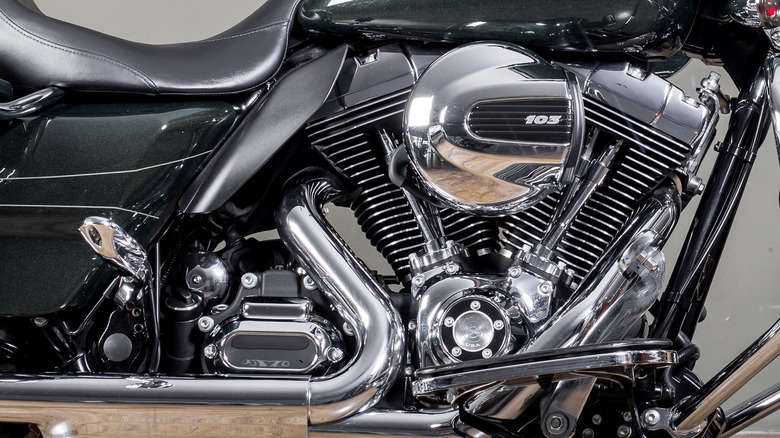
For riders in the United States, the Harley-Davidson 103 is a good engine when it has been maintained well and used for the right kind of riding. Its 1,690 cc V-twin makes strong low-end torque, feels relaxed on American highways, and is usually easier to own than older Twin Cam engines.
It is not perfect. The Harley 103 can develop cam, oiling, compensator, heat, and valve-train problems as mileage rises. A neglected 103 can cost much more than a carefully serviced one. The engine itself is only part of the decision; model year, service history, mileage, and previous modifications matter just as much.
Short answer: Yes, the Harley 103 is generally a solid touring and cruising engine. Buy one with good service records, listen for abnormal top-end noise, and budget for age-related repairs.
What Is the Harley 103 Engine?
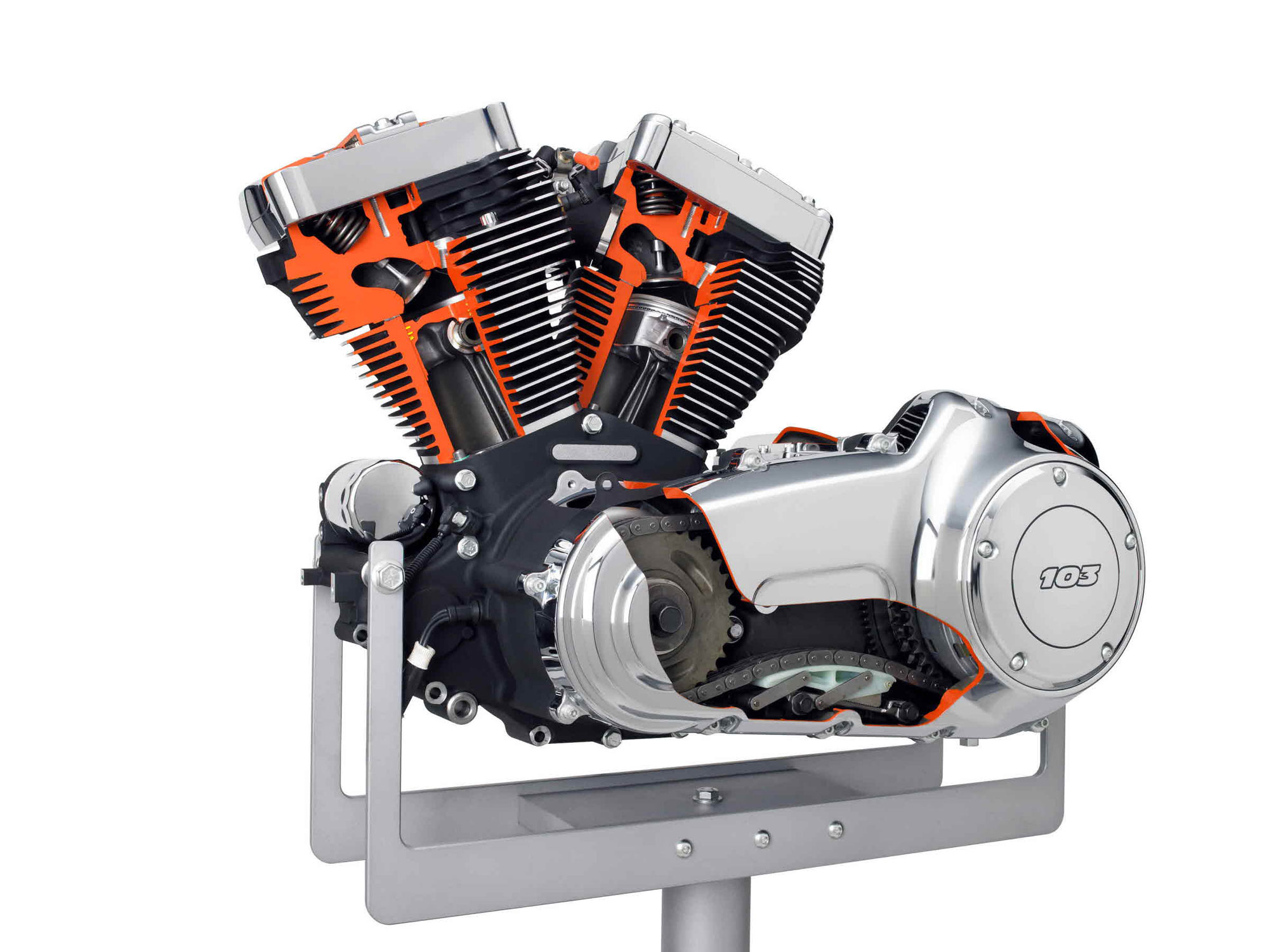
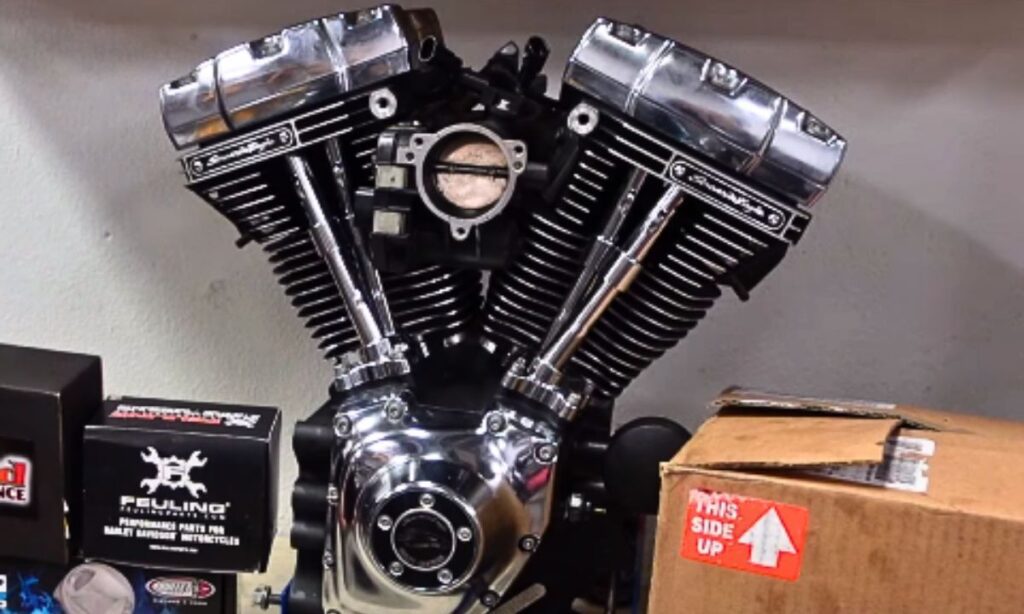
The Harley 103 is a 103-cubic-inch version of Harley-Davidson’s air-cooled Twin Cam V-twin engine. Its actual displacement is about 1,690 cc, or 1.7 liters.
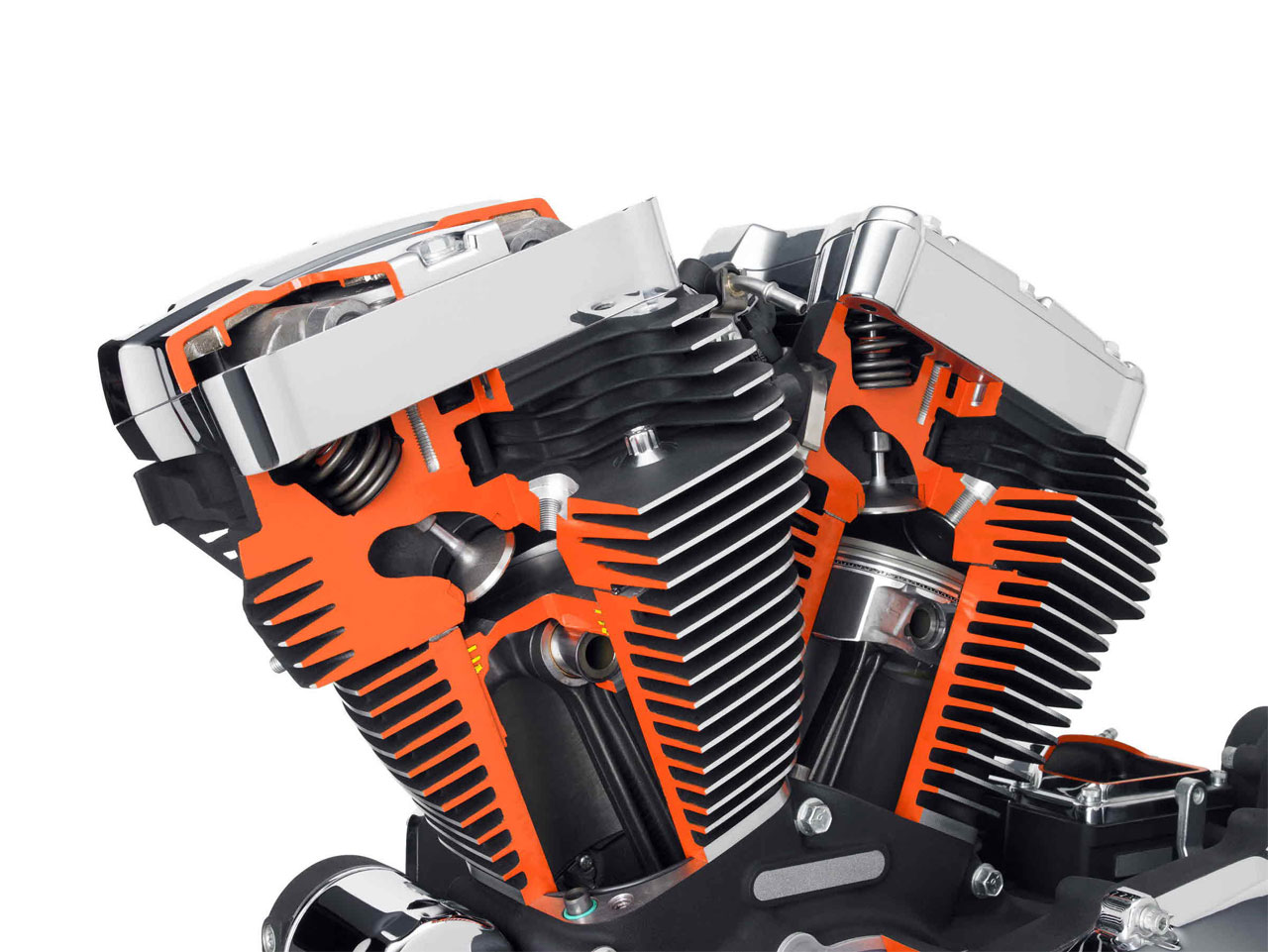
The engine uses two cylinders set in a 45-degree V arrangement. It is air-cooled, although some models use an oil cooler to help control temperature. Like other large Harley V-twins, the 103 is built to make useful torque at low and mid-range engine speeds rather than high-rpm horsepower.
Common specifications include:
| Item | Typical Harley 103 specification |
|---|---|
| Engine family | Twin Cam |
| Displacement | 103 cubic inches |
| Metric displacement | About 1,690 cc |
| Cylinder layout | 45-degree V-twin |
| Cooling | Air-cooled, with oil coolers on some models |
| Fuel system | Electronic fuel injection on most factory-installed versions |
| Transmission | Usually a separate six-speed gearbox |
| Output | Varies by model, calibration, exhaust, and camshaft |
| Best use | Cruising, touring, and two-up riding |
Harley-Davidson used the 103 in several American-market motorcycles, including Touring, Softail, Dyna, and some CVO models. The exact engine tune was not the same in every motorcycle.
A 103 in a heavy Touring bike may feel different from a 103 in a lighter Dyna or Softail. Exhaust design, intake parts, gearing, vehicle weight, and engine calibration all affect how the motorcycle performs.
How Reliable Is the Harley 103?
The Harley 103 is usually reliable when it receives regular oil changes, proper adjustments, and timely repairs. Many owners use these engines for high mileages, but reliability depends heavily on maintenance and engine version.
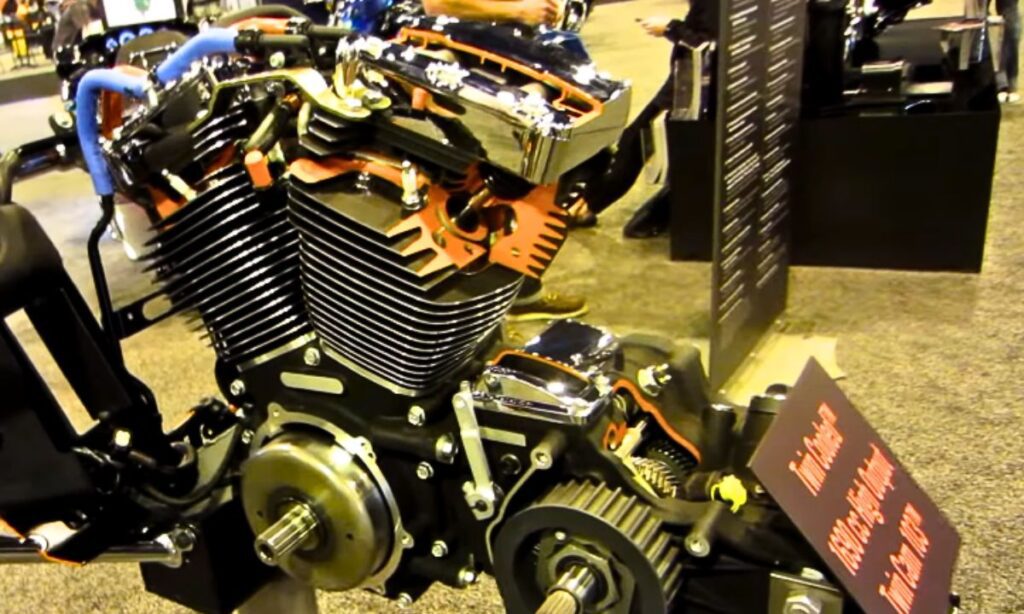
The 103 is not a completely new engine design. It belongs to the Twin Cam family, which has a long service history and a large supply of parts and repair knowledge in the United States. That can make repairs easier than with a rare or short-lived engine.
Still, age changes the picture. A motorcycle with 20,000 miles and poor service may be a worse buy than one with 70,000 miles and complete records.
Main strengths
The Harley 103 has several practical advantages:
- Strong low-speed torque: It pulls well from low engine speeds.
- Relaxed highway behavior: It can cruise at American freeway speeds without feeling small.
- Simple layout: Air cooling and a traditional V-twin design are familiar to many repair shops.
- Large parts supply: Replacement and upgrade parts are widely available.
- Good aftermarket support: Owners can find stock and performance parts for many 103 models.
- Proven service history: Mechanics have extensive experience with the Twin Cam platform.
Main weaknesses
The engine also has known areas that deserve inspection:
- Cam-chain tensioner wear
- Oil pump and oiling-system concerns
- Compensator wear or noise
- Excess heat in slow traffic
- Top-end leaks
- Valve-train noise
- Poor tuning after intake or exhaust changes
- Damage from extended oil-change intervals
These concerns do not mean every Harley 103 will fail. They mean a buyer should inspect the specific motorcycle rather than assume that the engine is trouble-free.
Common Harley 103 Problems
The most useful way to judge a Harley 103 is to separate normal character from warning signs. Mechanical noise, vibration, and heat are part of the design. Sharp knocking, metal debris in the oil, or a growing oil-pressure problem are not normal.
Cam-chain tensioners
The Twin Cam uses cam-chain tensioners to control the camshaft drive. Tensioner shoes can wear over time. If the material breaks down, debris may enter the oil system and damage other parts.
The repair history matters more than the mileage alone. Ask whether the tensioners have been inspected or replaced. Some owners install updated tensioners or convert to a different cam-drive arrangement, but the quality of the parts and the work is important.
Do not assume that every 103 needs the same repair. The exact year and engine configuration should be confirmed before buying parts.
Compensator wear
Many big Harley engines use a compensating sprocket to reduce driveline shock between the crankshaft and primary drive. A worn compensator may make a clunk or knocking sound during starting, acceleration, or changes in throttle load.
A small amount of mechanical sound can be normal. A loud bang, repeated clunk, or harsh vibration deserves inspection by a qualified Harley-Davidson technician.
Heat
The 103 can run hot in stop-and-go traffic, especially in warm parts of the United States. Heavy Touring motorcycles place more load on the engine, and slow traffic reduces airflow.
Heat can be made worse by:
- Lean or incorrect fuel calibration
- Poor maintenance
- Low oil level
- Blocked or damaged cooling fins
- Heavy loads
- Long idling periods
- Aftermarket parts that were installed without proper tuning
An oil cooler may help under some conditions, but it does not repair a poor tune or a damaged engine.
Oil leaks
Small leaks around rocker-box gaskets, cam covers, or other seals are common inspection points on older Harley motorcycles. A leak is not always an engine failure, but it should not be ignored.
Check the leak location before buying. Oil from a gasket can be a manageable repair. Low oil pressure, heavy oil consumption, or metal in the oil suggests a more serious problem.
Valve-train noise
The Harley 103 is not silent. Ticking, tapping, and mechanical sounds may be heard at idle. The key factors are the type, location, and change in the noise.
A qualified mechanic should inspect:
- A sharp tick that rises with rpm
- A deep knock under load
- New noise after an oil change
- Noise combined with low oil pressure
- Noise combined with poor starting or loss of power
Avoid diagnosing engine health from a short video alone. Sound travels through the frame and exhaust, which can make the source difficult to identify.

Harley 103 vs. Harley 96 and Milwaukee-Eight 107
The Harley 103 is often compared with the older 96-cubic-inch Twin Cam and the later Milwaukee-Eight 107. The best choice depends on purchase price, condition, comfort, and repair history.
| Engine | Main advantage | Main limitation |
|---|---|---|
| Twin Cam 96 | Often lower used-bike cost | Less displacement and torque than the 103 |
| Twin Cam 103 | Strong balance of torque, cost, and parts support | Older design with known inspection points |
| Milwaukee-Eight 107 | Newer platform and smoother modern design | Used bikes may cost more; early examples still need inspection |
The 103 offers a useful middle ground. It generally feels stronger than a 96, but many used 103 motorcycles cost less than newer Milwaukee-Eight models.
A 103 is not automatically better than a 96. A well-serviced 96 may be a safer purchase than a neglected 103. Likewise, a newer 107 may offer better refinement, but the price difference can be large.
Is the 103 better than the 96?
For many riders, yes. The 103 has more displacement and usually provides stronger torque, especially when carrying a passenger or luggage.
The difference may be less important for light solo cruising. If the 96 motorcycle has better service records, fewer modifications, and a lower price, it may offer better value.
Is the 103 better than the Milwaukee-Eight 107?
Not in every category. The Milwaukee-Eight 107 is a newer engine family with updated design features and a different riding feel. It may run more smoothly and offer a newer overall motorcycle package.
The 103 can still be the better buy when the price is lower and the motorcycle has documented maintenance. Purchase condition matters more than the badge on the air cleaner.

How Much Power Does a Harley 103 Make?
A Harley 103’s power depends on the motorcycle, engine tune, exhaust system, intake, camshaft, gearing, and test method. There is no single horsepower or torque number that applies to every 103.
Factory figures are often measured at the crankshaft, while dynamometer figures may be measured at the rear wheel. Rear-wheel numbers are lower because power is lost through the clutch, transmission, belt, and rear tire.
In practical terms, the 103 is designed to deliver:
- Strong pull from low rpm
- Comfortable acceleration in normal traffic
- Useful power for highway travel
- Better two-up performance than smaller Twin Cam engines
- A relaxed rather than high-revving character
It is not a sportbike engine. Riders seeking fast high-rpm acceleration may prefer another motorcycle or a different engine platform. For cruising and touring, the 103’s torque-focused design is one of its main strengths.
Performance modifications can change the result. A freer-flowing intake and exhaust may require proper electronic tuning. Installing parts without correcting the fuel calibration can increase heat, reduce drivability, or shorten engine life.
What to Check Before Buying a Harley 103
A used Harley 103 deserves a mechanical inspection before money changes hands. A dealer inspection is useful, but an independent technician familiar with Harley-Davidson motorcycles may provide a more neutral opinion.
1. Confirm the year and model
Find the VIN and confirm the motorcycle’s model year. The same 103 name can cover different applications and equipment.
Check:
- Engine size
- Model family
- Factory equipment
- Recall history
- Maintenance schedule
- Title and registration history
2. Review service records
Look for evidence of:
- Regular engine-oil changes
- Primary-fluid and transmission-fluid service
- Cam-tensioner inspection
- Spark-plug replacement
- Belt and pulley inspection
- Brake service
- Battery replacement
- Tire replacement
- Valve-train or top-end repairs
Missing records do not prove that the motorcycle was neglected. They do increase uncertainty, so the price should reflect that risk.
3. Start the engine cold
Ask the seller not to warm the engine before you arrive. A cold start can reveal problems that are hidden when the engine is already warm.
Watch for:
- Difficult starting
- Excessive smoke
- Abnormal knocking
- Heavy rattling
- Oil-pressure warning lights
- Unstable idle
- Poor throttle response
Do not rev a cold engine hard. Let it warm as directed in the owner’s manual.
4. Inspect the oil
Check the oil level using the correct procedure for that model. Some Harley-Davidson motorcycles require a particular temperature or parking position for an accurate reading.
Look for:
- Very low oil level
- Burnt smell
- Metallic glitter
- Thick sludge
- Fresh oil hiding leaks
Metal in the oil requires professional diagnosis.
5. Test the ride
During the ride, pay attention to:
- Clutch engagement
- Shifting quality
- Primary-drive noise
- Belt behavior
- Throttle response
- Engine temperature
- Cruise vibration
- Braking and suspension
A test ride should be legal and safe. Wear proper protective gear, and do not test a motorcycle beyond your skill level.
6. Check modifications
Ask who installed the exhaust, intake, tuner, cams, or big-bore parts. Poorly installed modifications can create more risk than performance.
A stock or professionally documented motorcycle is often easier to evaluate than one with unknown parts and no tuning records.

Harley 103 Maintenance Costs and Ownership
The Harley 103 is not unusually difficult to maintain, but routine service is essential. Costs vary by region, shop labor rate, parts quality, and the motorcycle’s condition.
Typical ownership expenses may include:
- Engine oil and filter
- Transmission fluid
- Primary fluid
- Spark plugs
- Air filter
- Tires
- Battery
- Drive-belt inspection
- Brake pads and fluid
- Cam-tensioner inspection
- Gaskets and seals
Older motorcycles often need several items at once. A buyer may face tires, battery, fork seals, fluids, and brakes shortly after purchase even when the engine is healthy.
Budget for preventive work rather than spending the full purchase price on the motorcycle. A pre-purchase inspection can cost far less than repairing a damaged cam drive or neglected top end.
Follow the service intervals in the owner’s manual for the exact model. Do not use a generic internet interval when the manufacturer specifies a different procedure.

Is the Harley 103 Good for Long-Distance Touring?
Yes. The 103 is well suited to long-distance touring when installed in a properly maintained Touring motorcycle.
Its main touring benefits are strong passing torque, relaxed cruising, and good support from the Harley-Davidson dealer and independent repair network in the United States. The engine can carry luggage and a passenger without feeling as strained as a smaller motor.
The motorcycle around the engine matters just as much. A Touring model may offer better wind protection, luggage, passenger seating, and fuel range than a Dyna or Softail. Those features can matter more on a long trip than a small difference in engine output.
Before a long ride, inspect:
- Tires and tire pressure
- Belt condition
- Engine and fluid levels
- Battery terminals
- Brake pads
- Lights
- Charging voltage
- Oil leaks
- Fasteners and luggage mounts
Do not treat a recent oil change as a complete touring inspection.

Who Should Buy a Harley 103?
The Harley 103 makes sense for a rider who wants a traditional American V-twin, strong low-speed torque, and a large used-bike market.
It is a good fit for:
- Highway riders
- Touring riders
- Riders who carry luggage
- Two-up riders
- Owners who value simple, familiar mechanics
- Buyers seeking a lower price than many Milwaukee-Eight models
- Riders who want broad parts and service support
It may not be the best fit for:
- Riders who want very low engine heat
- People seeking high-rpm sportbike power
- Buyers who want the newest electronics and engine design
- Owners unwilling to budget for older-motorcycle repairs
- Buyers who cannot verify the motorcycle’s service history
The deciding factor is not simply “103 or not.” It is whether the specific motorcycle has been cared for and whether its riding style matches your needs.
Key Takeaways
- The Harley 103 is generally a good, durable engine when maintained correctly.
- It makes about 1,690 cc and focuses on low- and mid-range torque.
- Common inspection points include cam tensioners, compensators, oil leaks, heat, and valve-train noise.
- Model year and engine application matter.
- A documented 103 is usually a better buy than a neglected newer engine.
- Get a cold start, review service records, and pay for a pre-purchase inspection.
- Proper tuning is important after intake, exhaust, or camshaft changes.
Frequently Asked Questions
How many miles will a Harley 103 last?
There is no guaranteed mileage limit. A well-maintained Harley 103 may run for many tens of thousands of miles, and some go much farther before a major rebuild. Oil-change history, riding conditions, heat, modifications, and repair quality have a greater effect than the odometer alone.
Does the Harley 103 have cam-tensioner problems?
Cam-tensioner wear is a known Twin Cam inspection point. The risk depends on the year, parts used, mileage, and maintenance history. Ask for service records or have the tensioners inspected before purchase.
Is the Harley 103 fuel injected?
Most factory-installed Harley 103 motorcycles sold in the United States use electronic fuel injection. Confirm the exact model, because previous owners may also have changed the intake, exhaust, or fuel controller.
Is the Harley 103 too hot?
It can run hot in heavy traffic, hot weather, or during long periods of idling. Correct oil level, clean cooling fins, proper maintenance, and correct fuel calibration help. Persistent overheating or warning lights require professional diagnosis.
Should I buy a Harley 103 with aftermarket pipes?
Aftermarket pipes are not automatically a problem. The key question is whether the intake, exhaust, and fuel system were matched and tuned correctly. Unknown parts, poor installation, or missing tuning records should lower your confidence and may justify a mechanical inspection.
Is a Harley 103 better than a 107?
The 103 may offer better used-market value, while the Milwaukee-Eight 107 is a newer engine design. Neither is always better. Compare the exact motorcycle, service history, condition, price, and features rather than displacement alone.
Conclusion
The Harley 103 is a good engine for American cruising and touring when its maintenance history is clear. It offers strong torque, familiar mechanics, and wide parts support without the price of many newer Harley-Davidson models.
Its age-related weak points are real, but they are manageable when found early. Before buying, confirm the model year, inspect the cam drive and oiling history, start the engine cold, and have a qualified technician check the motorcycle. A clean, documented Harley 103 can still be a practical and enjoyable choice for years of road use.