Motorcycle Chain Lube Alternatives: Best Safe Options

Motorcycle chain lube alternatives can work in a pinch, but the best choice depends on your chain and riding conditions.
If you ride often, you already know the chain is not just another part on the bike. It is the link that turns engine power into motion, and it needs the right care. I have seen riders use all kinds of substitutes over the years, and some can help in a short-term emergency, while others cause more harm than good. This guide breaks down the safest motorcycle chain lube alternatives, when to use them, and what to avoid so you can protect your chain, sprockets, and wallet.
What Motorcycle Chain Lube Actually Does
Motorcycle chain lube is made to reduce friction, limit wear, and help keep rust off the chain and sprockets. It also helps the chain move smoothly as it bends around the sprockets at high speed. On many bikes, especially those with O-ring, X-ring, or Z-ring chains, the lube on the outside matters because it helps protect the chain’s seals and outer surfaces.
A chain without proper lubrication can get noisy, run hot, and wear out faster. I have seen chains turn from smooth to gritty in a surprisingly short time after a few dry rides in rain and road dust. That is why the search for motorcycle chain lube alternatives usually comes up when riders are in a bind, traveling, or trying to save money.

Safe Motorcycle Chain Lube Alternatives You Can Use
Some motorcycle chain lube alternatives are better than others. The key is to understand whether you need a temporary fix, a budget option, or something for a specific riding condition.
1. Dedicated chain wax
Chain wax is one of the closest alternatives to standard chain lube. It sticks well, resists fling, and can hold up nicely in dry to mixed conditions. It is often cleaner than heavier oils, which makes it appealing for street riders.
Chain wax still needs proper cleaning and regular application. If you apply too much, it can build up dirt like sticky tape collecting lint.
2. Gear oil
Gear oil is a common emergency substitute, especially if you are far from a shop. It has strong lubricating properties and can protect the chain surface fairly well. Many riders have used it successfully when they needed something on the road.
The downside is mess. Gear oil flings off easily and can coat the wheel, swingarm, and rear tire if overapplied. If you use it, apply a thin layer only.
3. 80W-90 or similar light gear lubricant
This works similarly to regular gear oil, but it may stay put a little better depending on the product. It can be a decent temporary motorcycle chain lube alternative for non-sealed chains or as a short-term backup. It is not my first pick for daily use, but it can save a chain in a pinch.
4. Motorcycle-specific chain cleaner plus approved lubricant
This is not a true substitute, but it is worth mentioning because many chain problems come from dirt, not just lack of lube. A clean chain with an approved chain lubricant usually performs better than a dirty chain soaked in a random product. In real life, I have fixed more noisy chains with a proper clean-and-lube routine than with any magic spray.
5. Dry film lubricant
Dry film lubricants can be a smart choice in dusty areas. They leave behind a thin protective layer that does not attract as much grit as thick grease or oil. Riders in hot, dry climates often prefer them because they keep the chain cleaner.
They are not always ideal in heavy rain. If you commute in wet weather, you may need to reapply more often.
6. Silicone-based lubricants
Silicone sprays are sometimes used as motorcycle chain lube alternatives because they repel moisture and help reduce surface friction. They can be useful for short-term protection against rust. They are also easy to apply and usually leave less mess than oil.
Still, silicone is not the strongest choice for long chain life. It is better as a stopgap than a full replacement.
Motorcycle Chain Lube Alternatives to Avoid
Not every slippery product belongs on a motorcycle chain. Some popular household sprays can damage chain seals, attract dirt, or leave a dangerous film near the rear tire.
Household oil sprays
Products like general-purpose oils may seem convenient, but many are too thin or too volatile for chain use. They can wash off quickly and leave the chain underprotected. If they reach the tire, they can also create a safety risk.
WD-40 as a main lube
This comes up a lot, and I have used it myself for cleaning, not long-term lubrication. It can help loosen grime and displace water, but it is not a proper chain lube for ongoing use. For sealed chains, using it as a cleaner is one thing, but relying on it as your main lubricant is a mistake.
Heavy grease
Grease sounds protective, but it is usually too thick for the moving parts of a motorcycle chain. It can trap dirt, form paste, and make the chain run dirty. Over time, that can do more damage than running slightly under-lubed.
Cooking oils
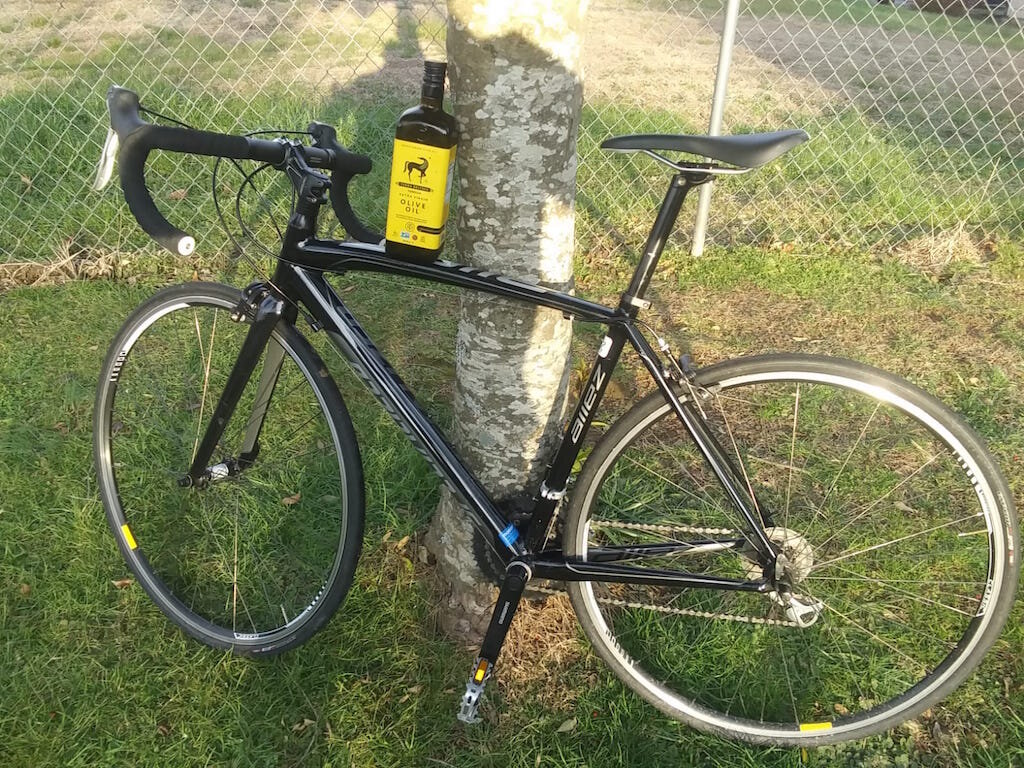
Yes, some people try them. No, they are not good motorcycle chain lube alternatives. They go rancid, attract dirt, and break down fast under heat and load.
How to Choose the Right Alternative for Your Bike
The best motorcycle chain lube alternative depends on your chain type, riding style, and the weather where you ride. There is no one-size-fits-all answer.
Here is a simple way to think about it:
- For emergency roadside use, gear oil is usually the most practical choice
- For cleaner daily use in dry weather, chain wax or dry film lubricant can work well
- For wet conditions, choose something that resists water better and reapply more often
- For sealed chains, stick with products that are safe for O-ring and X-ring chains
If you ride a sport bike, you may want a cleaner, less fling-prone product. If you ride a commuter bike in bad weather, durability matters more than appearance. In my own experience, the best motorcycle chain lube alternative is the one that fits your ride, not the one that sounds fancy on a shelf.
How to Apply an Alternative the Right Way
Even a decent substitute can fail if you apply it badly. A little care goes a long way here.
Follow these steps:
Clean the chain first
Remove dirt, sand, and old buildup with a chain-safe cleaner or mild degreaser.Dry the chain fully
Moisture can weaken adhesion and encourage rust.Apply a small amount
Use a thin coat. More is not better.Focus on the inside run
Spray or drip the product onto the section that contacts the sprocket.Let it set
Give the product time to settle before riding.Wipe off excess
This reduces fling and keeps the rear wheel cleaner.
A mistake I see often is riders soaking the chain until it drips. That usually wastes product and makes a sticky mess. Think of lubrication like seasoning food: enough is great, too much ruins the result.
Benefits of Using Motorcycle Chain Lube Alternatives
Using motorcycle chain lube alternatives can make sense in the right situation. They are not always perfect, but they can help when standard lube is unavailable.
Common benefits include:
- Cost savings if you use a low-cost substitute
- Convenience when you need a product fast
- Emergency protection during travel
- Cleaner operation with some dry film options
- Better moisture resistance with certain silicone or wax products
The biggest benefit is peace of mind. A dry chain can feel like a ticking clock, especially on a long ride. A temporary alternative is often better than riding with no protection at all.
Risks and Limitations You Should Know
The tradeoff with motorcycle chain lube alternatives is that they rarely match a purpose-built chain product. Some may not penetrate well, and others can leave residue that attracts grit.
Important limitations include:
- Faster wear compared with quality chain lube
- More fling and mess with thin oils
- Poor dirt control with sticky products
- Possible seal damage if the product is not chain-safe
- More frequent reapplication
This is where trustworthiness matters. I would never tell a rider that any random spray is “good enough” forever. At best, most alternatives are temporary solutions or condition-specific choices.
Best Practices for Chain Life and Maintenance
A good lube is only part of the job. Chain life depends on cleaning, tension, alignment, and how often you ride in bad weather.
Keep these habits in mind:
- Check chain slack often
- Inspect sprockets for wear teeth or hooking
- Clean the chain before applying any lubricant
- Reapply after rain, washing, or long dusty rides
- Follow your motorcycle manufacturer’s maintenance schedule
For many riders, the chain fails not because they used the wrong product once, but because they ignored maintenance for months. Regular care matters more than chasing a miracle solution.
Motorcycle Chain Lube Alternatives FAQ
Can I use WD-40 as a motorcycle chain lube alternative?
WD-40 can help clean a chain and remove moisture, but it should not be your main lubricant. It does not provide the long-term protection most motorcycle chains need.
Is gear oil safe for motorcycle chains?
Yes, gear oil can be used as a temporary motorcycle chain lube alternative, especially in an emergency. It is effective, but it can fling off and make a mess if you use too much.
What is the cleanest motorcycle chain lube alternative?
Dry film lubricant and some chain wax products are usually the cleanest options. They tend to attract less dirt than heavy oils or grease.
Can I use silicone spray on a motorcycle chain?
Silicone spray can offer short-term moisture resistance and light lubrication. It is not the strongest long-term replacement for proper motorcycle chain lube, especially in wet or high-load riding.
What should I do if I have no chain lube on a trip?
Use a safe temporary option like gear oil if needed, then clean and apply proper chain lube as soon as possible. Avoid dry riding for long distances because that can speed up wear.
Conclusion
Motorcycle chain lube alternatives can be helpful, but they work best when you treat them as smart backups, not perfect replacements. Gear oil, chain wax, dry film lubricants, and silicone sprays each have a place, but they also have limits. The right choice depends on your chain type, your weather, and how soon you can return to a proper maintenance routine.
If you want your chain to last longer and run smoother, stay simple: clean it well, use the safest product you can, and apply it correctly. Make the habit part of your ride routine, and your bike will thank you with quieter, smoother miles. If this guide helped, explore more motorcycle maintenance tips and share your own chain care experience in the comments.


