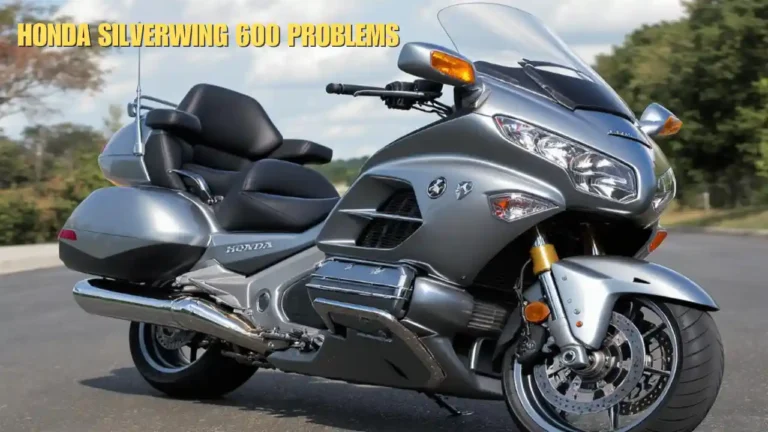
Road Glide Years To Avoid: Models To Skip

For riders shopping in the United States, the Road Glide years that deserve the most caution are 1999–2006, 2007–2009, and some early 2017–2019 Milwaukee-Eight models. These bikes are not all bad. Many remain reliable when they have strong service records and the right repairs.
The real rule is simple: avoid an unknown bike with weak maintenance history, not only a specific year. A well-serviced 2005 Road Glide may be a better buy than a neglected 2018 model.
Quick Answer: Which Road Glide Years Should You Avoid?
The following Road Glide years deserve extra inspection before you buy:
| Road Glide years | Main concern | Buying advice |
|---|---|---|
| 1999–2006 | Twin Cam cam-chain tensioner wear | Buy only with repair proof or budget for an inspection |
| 2007–2009 | Compensator, charging, and early Twin Cam wear concerns | Check the primary drive and charging system closely |
| 2017–2019 | Early Milwaukee-Eight oil-sumping and clutch-related concerns on some bikes | Verify updates, recalls, and dealer service |
| 2009–2014 | No regular U.S. Road Glide production in most of this period | Be careful with listings that show the wrong year |
| 2024 and newer | First-year redesign risk | Not proven “bad,” but inspect warranty and update history |
The 1999–2006 Twin Cam years are usually the main caution zone. The most expensive concern is wear in the cam-chain tensioner system. If the tensioner shoes fail, the debris can damage other engine parts.
The 2017–2019 models need a different type of review. These bikes use the newer Milwaukee-Eight engine. Some early bikes had reported oil-sumping, clutch, and transmission concerns. A recall or service update may correct a problem, but you should confirm the exact motorcycle by VIN.
Why Some Road Glide Years Have More Problems
A motorcycle year can be risky for three main reasons:
- It introduced a new engine or major design.
- It used parts that wear faster than expected.
- It is now old enough for poor storage and skipped maintenance to matter.
The Road Glide has used several major engine families. Most used Road Glide models fall into these groups:
- Twin Cam 88: Found in early Road Glide models.
- Twin Cam 96 and 103: Used through much of the 2000s and early 2010s.
- Milwaukee-Eight 107, 114, and 117: Used in newer models.
A new engine does not mean a bad engine. It means there may be less long-term repair history when the bike first reaches the market. Early production changes can also lead to updated parts, software fixes, or service campaigns.
Age adds another issue. A 20-year-old Road Glide may have low mileage but still need new rubber, brake lines, seals, battery parts, tires, and fuel-system work. Mileage is only one part of the story.
Road Glide Years to Approach With the Most Caution
1999–2006: Early Twin Cam Cam-Tensioner Wear
The early Twin Cam Road Glide models are often the biggest concern for used-bike buyers. The cam-chain tensioner shoes can wear with mileage and oil debris. The exact service life varies with riding style, oil changes, engine load, and previous repairs.
A worn tensioner may produce:
- Cam-chain noise
- Plastic or nylon debris in the oil system
- Irregular engine noise
- Poor running in severe cases
- Damage to the cam drive if ignored
Some bikes received upgraded tensioner parts. Others received gear-drive or other cam-drive conversions. These repairs can improve peace of mind, but the quality of the work matters.
Ask the seller for:
- Receipts for cam-tensioner work
- The mileage at which the repair was done
- The brand and part number of replacement parts
- Proof of regular oil and filter changes
- A cold-start inspection or test
Do not assume a low-mileage bike is safe. A motorcycle that has sat for years may have age-related problems even if its odometer shows little use.
2007–2009: Twin Cam 96 and Primary-Drive Inspection
The 2007–2009 Road Glide models brought newer engine and touring updates, but they still deserve a careful inspection. The compensator sprocket is a key area to check.
The compensator helps absorb pulses between the engine and transmission. When it wears, riders may notice:
- A clunk during takeoff
- Harsh engagement
- Noise from the primary case
- Vibration under load
- A hard sound when shutting the engine off
These signs do not prove that the compensator has failed. They do show that the primary drive needs closer review.
Also check:
- Charging voltage at idle and at higher rpm
- Stator and voltage-regulator history
- Cam-tensioner service
- Transmission behavior
- Fork seals and steering-head bearings
- ABS equipment, if fitted
A 2007–2009 Road Glide can still be a good touring bike. It becomes a poor buy when the seller cannot explain major primary-drive noise or charging faults.
2017–2019: Early Milwaukee-Eight Models
The first Milwaukee-Eight Road Glide models offered stronger performance and smoother touring manners than earlier engines. However, some early bikes were linked to reported oil-sumping and clutch-related complaints.
Oil sumping occurs when too much oil collects in the crankcase area. The result can include:
- Reduced engine performance
- Excess heat
- A change in oil level
- Abnormal engine behavior
- In serious cases, engine damage
Not every 2017–2019 Road Glide has this problem. Production changes, riding conditions, software, engine configuration, and dealer repairs can all affect the result.
Before buying one, ask a Harley-Davidson dealer to check:
- Open recalls
- Completed recalls
- Service campaigns
- Technical updates
- Factory repair history by VIN
Also inspect clutch feel. A clutch that drags, slips, or engages unevenly may need more than a simple adjustment.
2024 and Newer: First-Year Redesign Caution
The 2024 Road Glide received a major redesign, including a new fairing and updated engine options. A first-year redesign is not automatically a reason to avoid the bike. It does mean buyers should verify:
- Warranty coverage
- Software updates
- Recall status
- Parts availability
- Dealer repair experience
- Any unusual electrical or infotainment behavior
A new model can be an excellent choice, but it has less long-term repair history than an older platform.
Road Glide Years That Are Often Better Used-Bike Choices
There is no single perfect Road Glide year. Still, some model ranges can offer a useful balance of price, equipment, and repair history.
2010–2013: Check the Listing Carefully
Most U.S. buyers will not find normal Road Glide production for every year from 2010 through 2014. Harley-Davidson changed its touring lineup during this period, and Road Glide availability varied by market and model cycle.
This creates a common listing problem. A seller may:
- Enter the wrong model year
- List the registration year instead of the model year
- Confuse a Road Glide with a Street Glide
- Use the year of a later title transfer
Check the VIN before trusting an online listing. The VIN can confirm the model, engine, production details, and recall information.
2015–2016: Twin Cam Touring With Useful Updates
The 2015 and 2016 Road Glide models benefited from touring updates and the Twin-Cooled or Twin Cam engine configurations used in parts of the lineup. These bikes can be appealing because they offer modern touring equipment without the price of a newer Milwaukee-Eight model.
Still, inspect:
- Cam-tensioner history
- Primary compensator condition
- Infotainment function
- Fairing and speaker wiring
- Brake system service
- Rear suspension leaks
A repaired cam-drive system is a major plus. A seller who says “it runs fine” but has no service records should not receive the same price as a documented bike.
2020–2023: Later Milwaukee-Eight Touring Models
The 2020–2023 Road Glide range is often easier to recommend than the earliest Milwaukee-Eight years because more service history is available. Later production also gives buyers a better chance of finding bikes with completed updates.
That does not remove the need for inspection. Check:
- Engine oil level and service history
- Clutch operation
- Transmission shifts
- Cooling system, if equipped
- Battery and charging output
- Suspension and steering bearings
- Tire age and load rating
A later model with many owners, poor modifications, or missed services may still be a bad purchase.
How to Inspect a Used Road Glide Before You Buy
Use this order when inspecting a Road Glide. Start with documents, then move to the engine and safety systems.
1. Confirm the VIN and Exact Model
The VIN should match:
- The title
- The frame
- The registration
- The seller’s description
- The model and engine shown in the records
Use the NHTSA VIN recall lookup to check open safety recalls. Ask a Harley-Davidson dealer to search its system for manufacturer campaigns and completed work.
2. Review Service Records
Good records should show dates, mileage, and parts used. Look for proof of:
- Oil and filter changes
- Cam-tensioner inspection or replacement
- Primary-fluid service
- Brake-fluid replacement
- Tire replacement
- Battery replacement
- Fork and suspension service
- Recall completion
A thick folder is not always proof of good care. Read the invoices. An invoice that says “inspection” may not prove that a known weak part was replaced.
3. Start the Motorcycle Cold
Ask the seller not to warm the engine before you arrive. A cold start can reveal issues that disappear after the engine warms.
Listen for:
- Sharp ticking
- Rattling from the cam area
- Deep knocking
- Loud primary noise
- Uneven idle
- Smoke from the exhaust
Some mechanical noise is normal on a large air-cooled V-twin. A technician should assess any noise that changes with rpm or remains after warm-up.
4. Test the Clutch and Transmission
During the ride, check for:
- First-gear clunk beyond what is normal for the model
- Clutch slip under hard acceleration
- Difficulty finding neutral
- False neutrals
- Gear jump-out
- Heavy vibration under load
Do not perform aggressive testing on public roads. A qualified technician can perform a safer and more complete assessment.
5. Check the Primary Drive
Inspect the primary case for leaks. Ask whether the compensator has been replaced or serviced.
A small sound during normal engagement may not mean failure. A loud clunk, repeated knock, or harsh takeoff deserves attention before purchase.
6. Test Charging and Electrical Systems
With a multimeter or dealer test equipment, verify that the charging system works within the range specified for that motorcycle. Do not rely only on the dashboard battery light.
Test:
- Headlamp
- Turn signals
- Brake lights
- Horn
- Heated grips, if fitted
- Speakers
- Navigation and infotainment
- Cruise control
- USB ports
- Security system
Electrical repairs can become costly when previous owners add poor-quality lights, alarms, audio systems, or wiring.
7. Inspect Safety Parts
Check the date and condition of:
- Tires
- Brake pads
- Brake discs
- Brake hoses
- Steering-head bearings
- Fork seals
- Rear shocks
- Wheel bearings
Tires can look good but still be too old. Find the date code on each tire. Replace tires that are cracked, damaged, or beyond the maker’s recommended service age.
Road Glide Inspection Cost and Repair Budget
Repair costs vary by region, shop rate, parts choice, and the exact engine. The figures below are planning ranges, not quotes.
| Inspection or repair | Typical planning range |
|---|---|
| Pre-purchase inspection | $150–$400 |
| Cam-tensioner service | $800–$2,000 or more |
| Major cam-drive conversion | $2,000–$4,000 or more |
| Compensator replacement | $700–$1,500 or more |
| Charging-system repair | $400–$1,200 |
| Fork-seal service | $300–$800 |
| Full tire replacement | $400–$800 |
| Brake service | $250–$900 |
These amounts can change quickly. Dealer labor is often higher than an independent specialist. A damaged cam drive or engine can cost far more than a routine tensioner service.
A simple buying calculation can prevent a poor deal:
Maximum purchase price = fair market value − immediate repair budget − risk reserve
For example, if a Road Glide appears to be worth $12,000 but needs $2,000 in known work and has weak service records, paying the full $12,000 may not make sense. A risk reserve is useful because old touring motorcycles often need more than one repair after purchase.
Common Mistakes When Buying an Older Road Glide
Mistake 1: Treating a “bad year” list as a complete answer
A model year only identifies a production group. It does not show how the previous owner treated the motorcycle.
Maintenance, storage, modifications, and repair quality can matter more than the year printed on the title.
Mistake 2: Buying based on mileage alone
Low mileage can be attractive, but a bike that sat unused may need:
- Tires
- Battery
- Fuel-system cleaning
- Brake-fluid service
- Fork seals
- Belts or hoses
- New seals and gaskets
A well-ridden and well-maintained high-mileage Road Glide may be safer than a neglected low-mileage example.
Mistake 3: Ignoring modifications
Performance parts can change reliability. Be cautious with:
- Aggressive engine tuning
- Big-bore kits
- Poorly installed exhaust systems
- Unbranded electrical accessories
- Lowered suspension
- Nonstandard handlebars and cables
- Removed emissions equipment
Ask who installed the parts and whether the original components are included.
Mistake 4: Skipping the cold-start test
A warm engine can hide starting, idle, and noise problems. If the seller refuses a cold start, treat that as a reason to walk away or insist on a professional inspection.
Mistake 5: Assuming recalls fix every problem
A recall covers a defined safety or defect condition. It does not guarantee that the entire motorcycle is trouble-free.
A dealer can check recall status. A technician still needs to inspect normal wear items and non-recall problems.
Should You Buy a Road Glide Year on the Avoid List?
You can buy one if the motorcycle passes three tests:
- The major known issue has been inspected or repaired.
- The VIN has no unresolved recall or campaign problem.
- The price leaves room for age-related repairs.
Walk away when the seller cannot provide the VIN, blocks an inspection, hides a warm engine, or dismisses serious noise. A low price does not always compensate for an unknown engine or primary-drive problem.
For many buyers, a documented 2015–2016 Twin Cam or a well-maintained 2020–2023 Milwaukee-Eight Road Glide may offer a reasonable balance. The best choice depends on your budget, comfort with repairs, and need for newer equipment.
Frequently Asked Questions
What is the worst Road Glide year?
There is no universally worst Road Glide year. Early Twin Cam models from 1999–2006 deserve the most caution because of cam-chain tensioner wear. Early Milwaukee-Eight models from 2017–2019 also need careful VIN and service-history checks.
Are 2005 Road Glides reliable?
A 2005 Road Glide can be reliable when the cam-tensioner system, fluids, charging system, and primary drive have been maintained. Ask for proof of cam-tensioner work before buying.
Is a 2017 Road Glide a good motorcycle?
It can be. Inspect the VIN for recalls and dealer updates, then check for oil-sumping symptoms, clutch problems, engine noise, and complete service records. Do not reject every 2017 model, but do not buy one without a careful inspection.
Are high-mileage Road Glides worth buying?
Yes, if the motorcycle has consistent records and recent major service. High mileage is less concerning than missing maintenance, poor modifications, or evidence of overheating and hard use.
How can I verify a Road Glide model year?
Use the VIN on the motorcycle and title. Confirm it with a Harley-Davidson dealer and a government recall lookup. Do not rely only on an online seller’s title or listing description.
Final Recommendation
The Road Glide years to approach most carefully are 1999–2006, 2007–2009, and 2017–2019. The first group needs cam-tensioner scrutiny. The second needs primary-drive and charging checks. The third needs VIN verification and early Milwaukee-Eight service-history checks.
Before you buy, pay for a cold-start inspection by a Harley-Davidson specialist. A documented repair is worth more than a seller’s promise, and a clean inspection can make a cautious year a sensible purchase.