What Are Good Motorcycle Tires: Best Choices For Riders

Good motorcycle tires match your bike, riding style, weather, and road conditions, not just the lowest price.
If you want a tire that feels stable, grips well, lasts a reasonable time, and gives you confidence in real riding, the best choice comes down to fit and purpose. I’ve seen plenty of riders waste money on tires that looked “premium” on paper but felt wrong on the road. Let’s break down what makes motorcycle tires good, how to choose the right set, and what to avoid so you get safer, smoother rides.

What makes motorcycle tires “good”?
Good motorcycle tires do one job really well: they keep the bike connected to the road in a way that matches how you ride. That means strong grip, predictable handling, proper load support, and decent wear life. A tire can be excellent for a sport bike and terrible for a cruiser, so “good” always depends on use.
A good tire should also feel stable in both dry and wet conditions. It should warm up fast enough for everyday riding and stay consistent as it wears. When I test tires, I look for one thing above all else: does the tire make the bike feel calm and easy to trust?
Here are the main traits that define good motorcycle tires:
- Grip: The tire should hold well in corners, braking, and acceleration.
- Stability: It should feel steady at highway speeds and during lane changes.
- Wet performance: Rain traction matters more than most riders think.
- Mileage: A good tire should last long enough to justify its cost.
- Feedback: You should feel what the bike is doing through the bars and seat.
- Proper fit: The tire must match your bike’s size, speed rating, and load rating.
The best motorcycle tires balance these traits instead of chasing just one.
How to choose the right motorcycle tire for your riding style
The right motorcycle tire depends on where and how you ride. A commuter needs different rubber than a canyon rider or a touring rider. If you choose based on style first, you avoid most bad purchases.
Sport riding
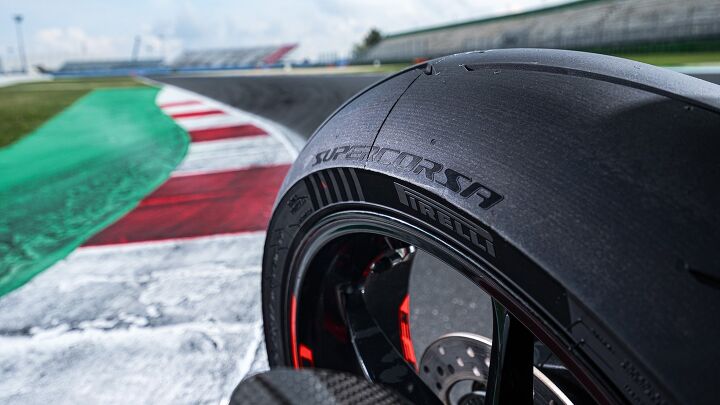
Sport riders usually want tires with fast turn-in, high corner grip, and strong heat resistance. These tires often use softer compounds and more aggressive tread patterns. They can feel amazing in corners, but they may wear faster.
Touring and commuting
Touring and commuting tires are built for mileage, wet grip, and steady highway manners. They usually have harder centers for longer life and tread that works well in rain. If you ride daily, this type often gives the best value.
Cruisers and heavyweight bikes
Cruiser tires focus on load support, comfort, and straight-line stability. These bikes often need tires that can handle more weight without feeling vague. A cruiser tire should feel planted, not nervous.
Adventure and dual-sport riding
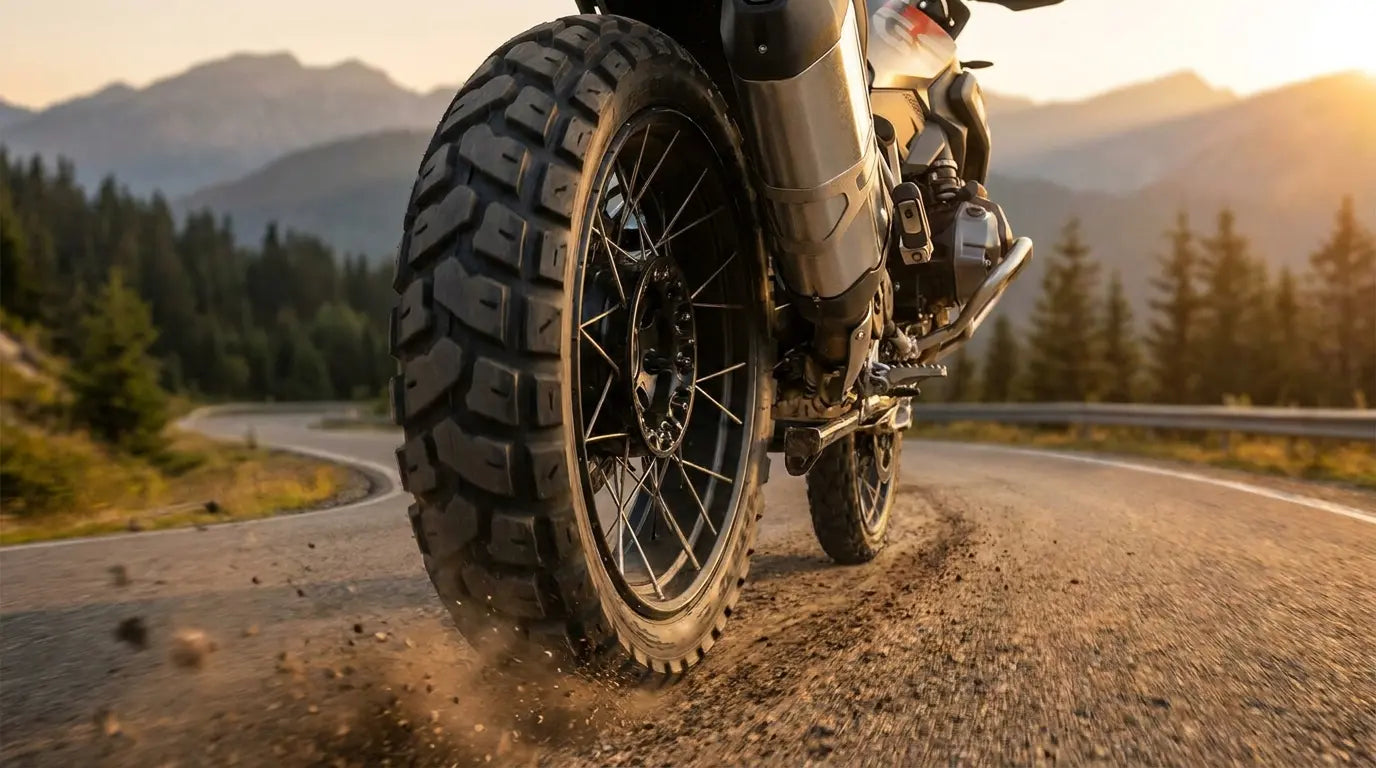
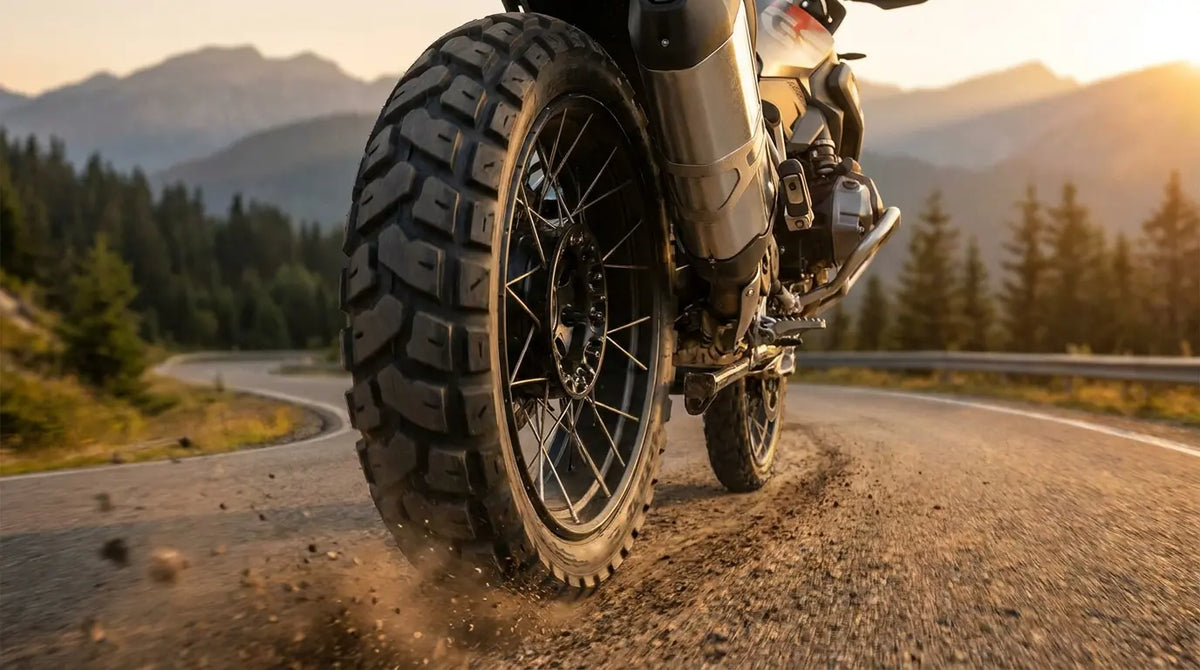
Adventure tires need to handle both pavement and dirt. Some lean more toward street use, while others work better off-road. The right choice depends on how much time you spend on each surface.
A simple way to choose is to ask:
- Do I ride mostly on streets, highways, twisties, or dirt?
- Do I care more about grip or mileage?
- Do I ride in rain often?
- Is my bike light, heavy, or loaded with luggage?
That small checklist can save you from buying the wrong tire.
Key tire types and what they are best for
Motorcycle tires are not all built the same. Each type is made for a specific job, and understanding the differences helps a lot.
Sport tires
Sport tires are designed for quick handling and strong cornering grip. They work best on performance bikes and aggressive street riding. They are not the best choice if you want long mileage.
Touring tires
Touring tires are made for comfort, long life, and wet-road confidence. They are ideal for riders who spend many miles on pavement. These tires usually feel smooth and predictable.
Cruiser tires
Cruiser tires are built for heavier bikes and relaxed riding. They offer solid straight-line stability and long wear. Many riders like how planted they feel on wide, heavy machines.
Adventure tires
Adventure tires come in many styles, from mostly street to mostly dirt. Some look knobby but still behave well on pavement. The best one depends on your split between road and trail.
Track-focused tires
These are made for maximum grip in dry conditions and high lean angles. They heat up quickly and can be amazing on a track day. On normal roads, they may wear out fast.
If you want the short version, the best motorcycle tires are the ones designed for your main use, not your dream use.

Important factors that separate good tires from bad ones
There are a few details that make a big difference in real life. Riders often focus on brand names, but the small specs matter just as much.
Compound
The rubber compound affects grip and wear. Softer compounds usually grip better but wear faster. Harder compounds tend to last longer but may not feel as sticky.
Tread pattern
Tread helps move water away and supports traction in different conditions. Deep grooves can improve rain use, while a smoother tire may give more dry grip. The pattern should suit your riding conditions.
Construction
Motorcycle tires may use bias-ply or radial construction. Radials often feel more stable and precise at speed, while bias-ply tires can work well on certain bikes and loads. Your owner’s manual usually gives the best guidance.
Load and speed rating
Never ignore the rating on the sidewall. The tire must support your bike’s weight and top speed safely. Using the wrong rating is a bad trade, even if the tire is cheap.
Tire age
Even unused tires age over time. Rubber can harden, which hurts grip. Always check the DOT date code before buying.
Pressure
A great tire can feel terrible if inflation is wrong. Too much or too little air changes grip, wear, and comfort. I’ve seen riders blame the tire when the real problem was pressure.
How to tell if motorcycle tires are good before you buy
You do not need to be a mechanic to spot a quality tire. A little checking goes a long way.
Use this simple buying checklist:
- Match the size exactly to your bike or approved fitment.
- Check the speed and load rating.
- Read tire reviews from riders with similar bikes and similar use.
- Look for a recent manufacturing date.
- Compare wet-road performance if you ride in rain.
- Compare expected mileage if you commute or tour.
- Make sure the tire matches front and rear use, if they differ.
I also recommend checking the tire maker’s fitment guide. That helps you avoid odd combinations that look fine but behave badly.
Here’s a real-world lesson: a friend of mine once bought a performance tire for a heavy touring bike because it had great reviews. On paper it looked great. On the road it ran hot, wore fast, and never felt as stable as a proper touring tire. Wrong job, wrong tire.
What good motorcycle tires feel like on the road
A good motorcycle tire usually gives you confidence without drawing attention to itself. That is the secret. The bike should feel smooth when leaned over, steady under braking, and calm in the rain.
Signs you have good tires include:
- The bike turns in without fighting you.
- The front end feels planted, not twitchy.
- Cornering feels predictable, not vague.
- Wet roads feel manageable, not scary.
- Tire wear looks even, not scalloped or cupped.
Bad tires often feel noisy, slippery, or oddly stiff. Sometimes they also make the bike wander at speed or shake a little over worn pavement. If a tire constantly distracts you, it is probably not the right one.
How long good motorcycle tires should last
Tire life depends on compound, bike weight, throttle use, road surface, and temperature. A sticky sport tire may last far less than a touring tire. That does not mean it is worse; it just serves a different purpose.
As a general range:
- Sport tires: often the shortest life, especially with hard riding
- Touring tires: usually the longest life on pavement
- Cruiser tires: often strong mileage, especially on steady rides
- Adventure tires: life varies a lot based on street vs dirt use
If your tire wears out quickly but gives excellent grip, that may still be a good tire for your use. If you want the best value, look for a tire that gives enough grip without wearing out too soon.

Common mistakes riders make when picking motorcycle tires
A lot of tire problems come from simple mistakes. The good news is that most of them are easy to avoid.
Common mistakes include:
- Choosing by price alone
- Picking the wrong tire for the bike type
- Ignoring the load and speed rating
- Running old tires because they still have tread
- Mixing worn and mismatched tires without checking fitment
- Skipping proper pressure checks
- Ignoring how often you ride in wet weather
One of the biggest mistakes I see is riders buying the “best” tire in a general ranking list without thinking about their own needs. The best tire for a wet commuter may be a poor choice for a weekend canyon rider. Always start with your riding habits.
Best practices for getting the most from motorcycle tires
Good motorcycle tires perform even better when you care for them well. A little routine maintenance makes a real difference.
Follow these habits:
- Check tire pressure before rides or at least weekly.
- Inspect tread for wear, cracks, nails, and uneven spots.
- Replace tires before they become unsafe, not after.
- Keep wheels aligned and suspension in good shape.
- Avoid aggressive throttle on cold tires.
- Break in new tires gradually for the first rides.
New tires often feel slick at first because of release agents on the surface. I always take the first few miles easy. It is like letting the tire settle into the road before asking it to work hard.
Frequently Asked Questions of what are good motorcycle tires
What are good motorcycle tires for everyday riding?
Good motorcycle tires for everyday riding are usually touring or sport-touring tires. They offer a strong mix of grip, wet-road safety, comfort, and mileage.
Are expensive motorcycle tires always better?
Not always. The best tire is the one that matches your bike, riding style, and road conditions, not just the one with the highest price tag. A mid-range tire can be a better fit than a premium tire that is wrong for your use.
How do I know if my motorcycle tires need replacing?
Look for low tread depth, visible cracks, flat spots, uneven wear, or reduced grip in wet weather. If the tire is old or feels unstable, replacing it early is the safer move.
Can I use the same tire on the front and rear?
Usually no, unless the manufacturer specifically approves it. Front and rear tires often have different designs because they handle different forces and wear patterns.
What is the most important thing when choosing motorcycle tires?
Fitment is the most important thing. The tire must match your bike’s size, load rating, speed rating, and intended use before anything else matters.
Conclusion
Good motorcycle tires are the ones that fit your bike, match your riding style, and give you steady grip where you actually ride. The right tire should feel predictable, safe, and comfortable, whether you commute, tour, or carve weekend roads. If you focus on purpose first and price second, you will make a smarter choice and enjoy the bike more.
Take a few minutes to check your current tires, compare your needs, and choose with confidence. If you want to ride better and safer, start with the contact patch that connects you to the road.