What To Use For Motorcycle Chain Oil: Best Choices

Use a purpose-made motorcycle chain lube, not general oil, for the best protection and chain life.
If you want your bike to run smooth, shift cleanly, and wear less over time, the right motorcycle chain oil matters more than most riders think. I’ve seen chains last longer, stay cleaner, and resist rust better when they’re treated with the right product and applied the right way. In this guide, I’ll walk you through what to use for motorcycle chain oil, what to avoid, and how to choose the best option for your bike and riding style.
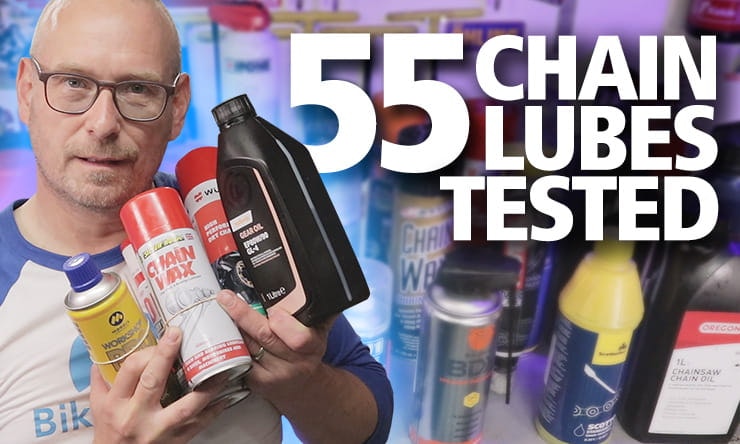
What Motorcycle Chain Oil Actually Does
Motorcycle chain oil, often called chain lube or chain lubricant, helps reduce friction between the chain’s moving parts. It also protects the chain from water, dirt, heat, and corrosion. That matters because a dry or dirty chain can wear out fast and hurt performance.
A motorcycle chain is not just one solid piece. It has rollers, pins, bushings, and plates that all move together. Without proper lubricant, those parts grind against each other like sand in a hinge. That’s when you start hearing noise, seeing rust, and paying for early replacement.
The best chain oil does three jobs well:
• It lowers friction so the chain runs smoother
• It protects against rust and moisture
• It helps keep dirt from sticking too much
What to Use for Motorcycle Chain Oil
The best thing to use is a motorcycle-specific chain lube made for your chain type. Most street bikes with O-ring, X-ring, or Z-ring chains do best with a lube designed to protect the seals while still penetrating the chain links. Off-road riders may prefer a cleaner, lighter chain lubricant that does not attract as much grit.
If you are shopping for what to use for motorcycle chain oil, look for these common choices:
• Chain lube for O-ring and X-ring chains, which is the safest all-around option for most modern motorcycles
• Wax-based chain lube, which helps reduce fling and keeps the chain cleaner for street riding
• Wet chain lube, which offers strong protection in rain and long-distance riding
• Dry chain lube, which leaves less residue and works well in dusty conditions
From my own experience, the biggest mistake riders make is reaching for whatever oil is already in the garage. I used to see people use motor oil, gear oil, or even WD-40 as if they were all the same thing. They are not. Some of them may clean a chain, but they do not give the kind of lasting protection a motorcycle chain needs.
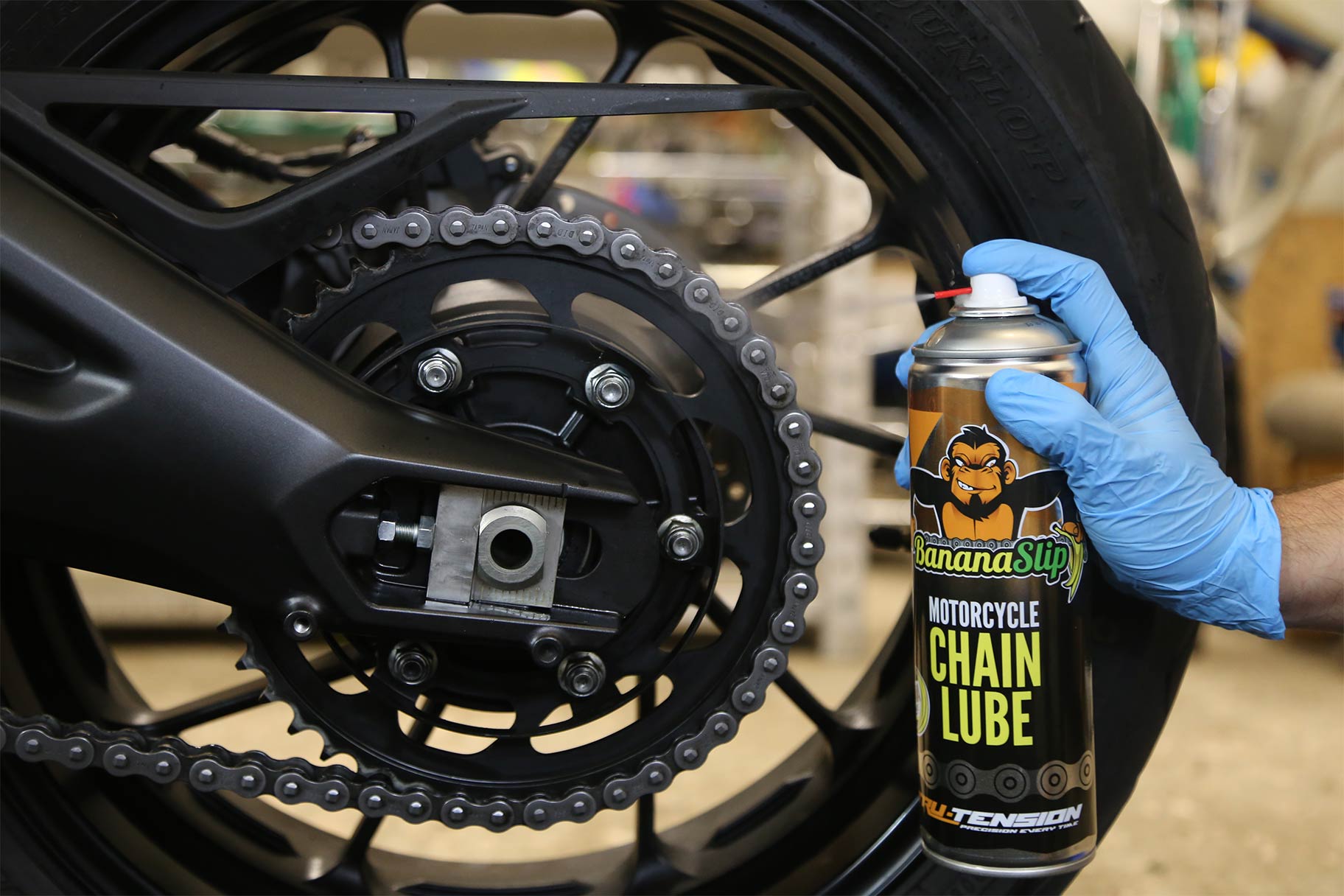
Best Types of Chain Lube and When to Use Them
Not every bike needs the same product. The right answer depends on how you ride, where you ride, and what kind of chain you have.
Motorcycle-Specific Chain Lube
This is the safest and most recommended choice for most riders. It is made to stay on the chain, reduce wear, and protect seal rings.
Use it if you ride:
• Commuting daily
• Long highway miles
• Sport bikes
• Touring bikes
• Most modern motorcycles with sealed chains
Wax-Based Chain Oil
Wax-based chain oil dries into a tackier film. That means less fling onto your rear wheel and swingarm.
Use it if you want:
• Cleaner wheels
• Less mess
• Good all-around street use
One thing I’ve noticed is that wax products can work very well, but only if you clean and apply them correctly. If you put them on a dirty chain, you trap grime under the coating.
Wet Chain Lube
Wet chain lube stays slick and protective for a long time. It is useful in wet weather or for riders who want more long-lasting protection between applications.
Use it if you ride:
• In the rain
• On long trips
• In humid or muddy conditions
The tradeoff is simple. It can attract more dirt than dry formulas.
Dry Chain Lube
Dry chain lube leaves less sticky residue after application. It is a smart pick for dusty roads or riders who want a cleaner-looking chain.
Use it if you ride:
• In dry, dusty areas
• On dirt roads
• In conditions where dirt buildup is a big concern
Dry lube can be a little less forgiving if you forget regular maintenance, so it works best for riders who stay on top of cleaning and reapplication.
What Not to Use on a Motorcycle Chain
This part saves money and headaches. A lot of products may seem fine at first, but they can harm the chain, attract dirt, or fail to protect it properly.
Avoid using:
• Heavy motor oil, because it can fling off easily and collect grime
• Chain saw oil, because it is made for a different job
• Grease, because it is too thick and can trap dirt
• Household oils or cooking oils, because they do not hold up well
• Plain water-displacing sprays as a final lubricant, because they are better for cleaning than for long-term chain care
One of the most common mistakes I’ve seen is using WD-40 as a chain lube. It can help clean a chain and remove moisture, but it is not a true long-term lubricant for motorcycle chains. That distinction matters.
How to Choose the Right Chain Oil for Your Bike
The right product depends on a few practical factors. Think of it like choosing shoes for the weather. You would not wear boots to the beach, and you would not wear sandals in snow.
Check Your Chain Type
Most modern motorcycles use sealed chains such as O-ring, X-ring, or Z-ring chains. These need a product that is safe for the seals and able to protect the chain without breaking those seals down.
If your owner’s manual recommends a specific type, follow that first. The manual is still one of the best sources for your exact motorcycle.
Match the Product to Your Riding Style
• Street riders usually do well with a motorcycle-specific chain lube or wax-based product
• Touring riders may prefer wet lube for longer protection
• Off-road riders often need dry lube or a formula that does not hold too much dirt
• High-mileage commuters usually want a balanced formula that is easy to apply often
Consider the Weather
Rain, mud, dust, and heat all change what you should use. Wet conditions call for better water resistance. Dry, dusty conditions call for less tack and less dirt buildup.
I learned this the hard way on a long summer ride. A sticky lube worked fine at first, but after a few dusty miles, the chain looked like it had picked up every speck on the road. Since then, I match the lube to the season more carefully.
Think About Cleanliness
If you hate messy wheels, choose a cleaner chain lube or wax. If you care more about long protection and less about appearance, a wet lube may make more sense.
How to Apply Motorcycle Chain Oil the Right Way
Even the best motorcycle chain oil won’t work well if you apply it badly. Clean application matters just as much as product choice.
Follow these steps:
- Clean the chain first with a chain-safe cleaner
- Let the chain dry fully
- Apply the lube to the inside of the chain while slowly rotating the wheel
- Let it sit for the time suggested by the product
- Wipe off excess lube before riding
A little goes a long way. More is not better. Too much product just ends up on your wheel, tire, and swingarm.
Here are a few simple tips I use myself:
• Apply after a ride, when the chain is warm, but not hot
• Focus on the inner run of the chain so centrifugal force spreads the lube
• Wipe off drips before they harden
• Recheck chain tension after cleaning and lubing

How Often to Use Chain Oil
There is no single number that fits every rider. The right schedule depends on mileage, road conditions, and weather.
A general rule of thumb is:
• Every 300 to 600 miles for street riding
• More often after rain
• More often after dusty or muddy rides
• Before long trips
If your chain looks dry, noisy, rusty, or dirty, it needs attention sooner. Waiting for a problem usually costs more than doing simple maintenance on time.
Benefits of Using the Right Motorcycle Chain Oil
Using the correct motorcycle chain oil gives you more than just a shiny chain. It helps the whole drivetrain work better.
Main benefits include:
• Longer chain life
• Smoother power delivery
• Less noise
• Better resistance to rust and corrosion
• Lower risk of premature sprocket wear
• Cleaner operation when the right formula is chosen
These benefits add up. A well-maintained chain can make the bike feel smoother and more responsive. It is a small task with a real payoff.
Common Mistakes Riders Make
I’ve seen a lot of chain problems come from simple mistakes, not bad luck.
Watch out for these:
• Using the wrong lubricant for the chain type
• Applying lube to a dirty chain
• Using too much product
• Forgetting to wipe off excess
• Waiting too long between maintenance checks
• Ignoring chain tension and sprocket wear
A chain is like a bicycle chain with far more stress on it. If you treat it casually, it will remind you quickly.
What Experts and Manufacturers Usually Recommend
Most motorcycle manufacturers and chain makers recommend a chain-safe lubricant designed for sealed chains. That advice is consistent across many owner manuals and maintenance guides from major brands and chain manufacturers. They also stress regular cleaning, proper tension, and timely replacement when wear shows up.
That matches real-world experience too. The best results usually come from simple habits:
• Use a product made for motorcycle chains
• Clean before lubing
• Maintain a regular schedule
• Replace worn chains and sprockets together
That last point matters. A new chain on worn sprockets is like putting fresh tires on a bent wheel. It rarely ends well.
Frequently Asked Questions of What to Use for Motorcycle Chain Oil
Can I use WD-40 on my motorcycle chain?
WD-40 can help clean a chain and remove moisture, but it is not the best long-term lubricant. For actual protection, use a motorcycle-specific chain oil or chain lube.
Is chain grease better than chain oil?
Usually, no. Grease is too thick for most motorcycle chains and can trap dirt. A proper chain lube is easier to apply and works better for regular maintenance.
What is the best chain oil for rainy weather?
A wet chain lube is usually the best choice for rainy or humid conditions. It tends to stick better and offer stronger moisture protection than dry formulas.
How do I know if my chain needs oil?
If the chain looks dry, makes noise, has visible rust, or feels rough, it likely needs oil. A chain that has gone too long without lubrication may also show tight spots or uneven movement.
Can I use motor oil on a motorcycle chain?
Motor oil is not the best choice because it can fling off easily and collect dirt. Motorcycle chain oil is made to cling better and protect the chain under real riding conditions.
Conclusion
The best answer to what to use for motorcycle chain oil is simple: use a motorcycle-specific chain lube that matches your chain type and riding conditions. For most riders, that means a product made for sealed chains, with wax, wet, or dry formulas chosen based on weather and mess level.
If you keep the chain clean, use the right lube, and stay on a steady maintenance schedule, your bike will feel smoother and last longer. Small care now saves big repair bills later. Take a few minutes this week to check your chain, pick the right product, and make it part of your routine.


