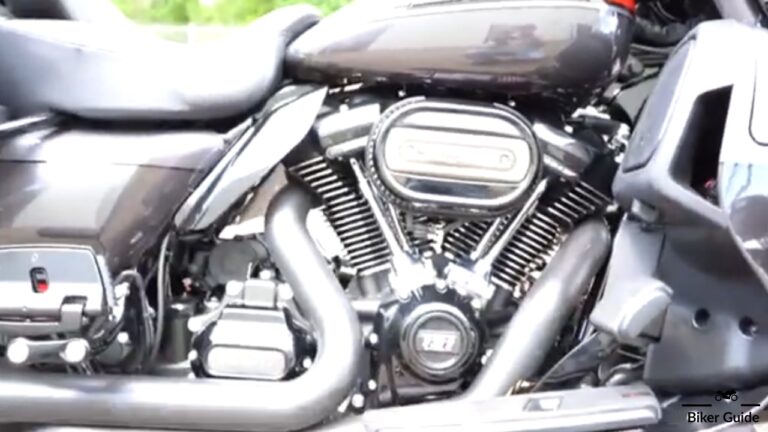
What Year Harleys To Avoid: Harley Models To Skip

If you are shopping for a used Harley-Davidson in the United States, the years that deserve the most caution are 1999–2006 Twin Cam models, early 2017 Milwaukee-Eight Touring models, and some 1980s AMF-era or early transition bikes.
That does not mean every Harley from these years is bad. A well-maintained motorcycle with repair records can be a better buy than a newer bike with poor care. The engine family, service history, mileage, updates, and current condition matter more than the year alone.
This guide explains which Harley years and engine groups need the closest review, why they can cause problems, and how to inspect one before you buy.
Quick answer: Which Harley years should you avoid?
The most commonly avoided Harley-Davidson years are:
| Harley years or group | Main concern | Buying advice |
|---|---|---|
| 1999–2006 Twin Cam 88 | Cam-chain tensioner shoe wear | Buy only with proof of inspection or upgraded parts |
| 2007–2009 Twin Cam 96 Touring | Heat, compensator, charging, and early fuel-system concerns | Inspect closely; maintenance history matters |
| 2017 Milwaukee-Eight Touring | Early oil-carryover and oil-sumping complaints on some bikes | Verify updates, service records, and recall work |
| 1980–1984 AMF-era and transition models | Age, quality variation, obsolete parts, and restoration needs | Buy as a project, not as a simple daily rider |
| Any year with neglected maintenance | Internal wear, electrical faults, leaks, and unsafe repairs | Condition should override the model year |
The 1999–2006 Twin Cam 88 is the main group buyers should approach with caution. Its cam-chain tensioner shoes can wear and shed material into the engine. Some motorcycles have already received upgraded tensioners, gear-drive conversions, or other repairs, which can greatly change the buying decision.
The 2017 Milwaukee-Eight Touring models also deserve a careful check. Early bikes may have had oil-carryover or oil-sumping complaints, but the issue does not affect every motorcycle in the same way. A VIN check and a qualified inspection are essential.
Why Harley model years are not the whole story
A model year is only a starting point. Harley-Davidson often used the same engine family across several years, but parts, software, cooling systems, and frame designs could change during that run.
Two motorcycles from the same year may also have very different histories. One may have regular oil changes, stock parts, and complete records. The other may have been modified, overheated, stored outside, or ridden with poor maintenance.
For that reason, “avoid this year” lists are best used as risk filters, not final verdicts.
A better buying question is:
What engine is in the motorcycle, what known problems apply to it, and has the repair work been done correctly?
The most useful facts to confirm are:
- Exact model and engine family
- Mileage and use pattern
- Service records
- Cam-tensioner inspection or replacement
- Recall and technical-service history
- Charging-system tests
- Oil-pressure or overheating symptoms
- Signs of poor modifications
- Cold-start behavior
- Independent inspection results
1999–2006 Twin Cam 88: the biggest caution group
The Twin Cam 88 was introduced in Harley-Davidson’s 1999 model range. It replaced the Evolution engine in many larger models and became one of the company’s most widely used engines.
The main concern is the cam-chain tensioner shoe. This part presses against the cam chain. Over time, the shoe can wear. If the material breaks apart, the debris may enter the oil system and cause further damage.
The problem is most often discussed with 1999–2006 Twin Cam engines, although wear can vary with mileage, oil, riding style, and service history.
What can happen when the tensioner wears?
A worn tensioner may cause:
- Cam-chain noise
- Plastic or fiber debris in the oil
- Loss of cam timing
- Poor engine running
- Damage to the oil pump
- Major valve-train or engine repairs
Not every Twin Cam 88 will fail. Some have traveled many miles without severe trouble. The risk is that a buyer may not know the tensioner condition without opening the cam chest or reviewing a reliable service record.
Which Twin Cam 88 years need the most care?
The safest approach is to treat 1999–2006 Twin Cam 88 motorcycles as inspection-required bikes.
Early models are often viewed as the highest-risk examples because the tensioner design and related parts had less service history behind them. Later 88-inch models may have improvements, but they still should not be assumed to be free of wear.
A 2006 motorcycle is not automatically safe, and a 1999 motorcycle is not automatically bad. The repair record is more useful than the calendar.
What repair makes a Twin Cam 88 more attractive?
A used Twin Cam 88 is more appealing when the owner can show proof of:
- New hydraulic cam-chain tensioners
- A properly installed cam-chain tensioner upgrade
- Gear-driven cams, where compatible and correctly installed
- Cam bearings and related parts replaced during the same service
- Regular oil and filter changes
- Inspection of the oil pump and cam-chain system
Gear-drive conversions are not a universal fix. They can add noise and require correct alignment and compatible parts. A qualified Harley technician should confirm that the complete system suits the engine.
If there is no record, ask a shop to inspect the cam chest before purchase. This costs less than guessing after the tensioner fails.
2007–2009 Twin Cam 96 Touring models
The Twin Cam 96 arrived in many Harley-Davidson models for the 2007 model year. It brought more displacement and, in many applications, a six-speed transmission.
These bikes are not automatic “avoid” models. However, 2007–2009 Touring motorcycles can need extra review for heat, compensator wear, charging-system issues, and fuel-system problems.
Common areas to inspect
Check the following parts before buying:
- Primary compensator sprocket
- Stator and voltage regulator
- Battery and charging voltage
- Throttle response
- Exhaust heat shields
- Crankshaft and engine noise
- Transmission shifting
- Rear drive and belt condition
- Evidence of repeated overheating
The compensator helps absorb changes in drivetrain load. Wear can produce clunks, rattles, or harsh engagement. A noisy compensator does not prove that the entire motorcycle is bad, but it should affect the price.
Charging problems can also become expensive. A weak battery may be the cause, but so may a failing stator or regulator. The system should be tested rather than guessed at.
A 2007–2009 Touring model with stock parts, good records, and a clean inspection can still be a sensible purchase. A heavily modified bike with unknown electrical work is a much bigger risk.
2017 Milwaukee-Eight Touring models
Harley-Davidson introduced the Milwaukee-Eight engine family in 2017. The first applications included Touring models such as the Street Glide, Road Glide, Electra Glide, and Ultra Limited.
Some early Milwaukee-Eight Touring owners and repair shops reported oil-carryover, oil-sumping, and high-heat concerns. In simple terms, oil could move through the engine system in a way that affected oil level, performance, or temperature.
The reported symptoms may include:
- Rising engine temperature
- Reduced performance after extended riding
- Excessive oil use
- Oil level changes
- Warning lights
- Rough running
- Unusual engine noise
These symptoms have several possible causes. They do not prove an oil-sumping problem by themselves.
Should you avoid every 2017 Harley Touring model?
No. The better approach is to verify:
- Whether the motorcycle has documented factory or dealer updates.
- Whether the motorcycle has open recalls or service campaigns.
- Whether the owner followed the correct oil-level checking procedure.
- Whether the bike shows heat or oil-related symptoms during a proper test ride.
- Whether a Harley-trained technician has inspected it.
Do not rely on a seller saying, “They all do that.” Ask for repair orders and have the VIN checked through Harley-Davidson and the National Highway Traffic Safety Administration recall database.
A later Milwaukee-Eight model may reduce concern about some early production issues, but age alone does not replace inspection. A neglected 2020 motorcycle can still be a poor buy.
1980–1984 Harley-Davidson models: project-bike caution
Many riders use “AMF Harley” as a broad term for bikes from the 1970s and early 1980s. The label covers a wide range of motorcycles, and not every bike from that period has the same quality or reliability.
The 1980–1984 period can be difficult for buyers who want a simple daily rider. These motorcycles are now old enough to have several layers of repairs, replacements, and storage damage.
Common concerns include:
- Aging wiring
- Corrosion in connectors
- Vacuum leaks
- Worn carburetors
- Weak charging systems
- Oil leaks
- Hard-to-find original parts
- Previous frame or engine repairs
- Poor-quality aftermarket replacements
Some 1984 models also sit near the transition to the Evolution engine era. The exact engine, transmission, and parts supply matter more than the year on the title.
These motorcycles can make rewarding restorations. They are less suitable for a buyer who expects modern starting, braking, cooling, and electrical performance without additional work.
Before buying one, identify the engine and frame numbers, inspect the wiring, confirm parts availability, and budget for repairs. Treat a low purchase price as the start of the project, not the final cost.
Harley years that are often safer bets
No Harley year is risk-free, but some groups are often easier to recommend when their condition is good.
Evolution-powered models
Many late Evolution motorcycles have a strong reputation for simple design and broad parts support. Examples include many 1984–1999 Big Twin models and 1986–2003 Sportster models.
Age remains the main issue. Rubber seals, fuel lines, tires, brake hoses, wiring, and suspension parts may need replacement even when the engine is sound.
Later Twin Cam motorcycles
Later Twin Cam models may benefit from design changes and years of repair knowledge. Still, buyers should inspect the cam-chain system, compensator, charging system, and maintenance history.
A later Twin Cam with a documented cam-tensioner service can be more attractive than an earlier model with no records.
Later Milwaukee-Eight motorcycles
Later Milwaukee-Eight models may avoid some early production concerns, but they still require a VIN check and a careful inspection. Look for stock or professionally installed parts, regular service, and no signs of overheating.
The best year depends on your goal. A touring rider may value factory luggage and comfort. A local commuter may prefer a simpler Sportster. A collector may accept repair work that a daily rider should avoid.
How to inspect a used Harley before buying
A pre-purchase inspection is the best way to turn a year-based warning into a useful decision.
1. Check the VIN and title
Confirm that the VIN on the frame matches the title and registration. Search for:
- Open safety recalls
- Salvage or rebuilt status
- Theft history
- Prior auction damage
- Mileage inconsistencies
- State inspection records, where available
The NHTSA recall tool is useful for safety recalls, but it may not show every dealer service campaign or repair bulletin.
2. See the motorcycle cold
Ask the seller not to warm the bike before you arrive. A cold start can reveal:
- Hard starting
- Excessive smoke
- Loud valve-train noise
- Low battery strength
- Poor idle quality
- Fuel leaks
- Choke or enrichment problems
A warm engine can hide some starting and noise problems.
3. Listen for abnormal sounds
Some mechanical noise is normal on an air-cooled V-twin. Still, sharp knocking, deep tapping, grinding, or a loud cam-area rattle needs attention.
Do not diagnose engine health from sound alone. A technician should confirm the source.
4. Test the charging system
A battery that starts the bike does not prove that the charging system works. Test battery voltage at rest and while the engine runs. The exact expected reading depends on the motorcycle and test method, so compare it with the factory service information for that model.
Inspect:
- Battery terminals
- Ground cables
- Stator connectors
- Voltage regulator plugs
- Signs of melted wiring
- Added lights or accessories
5. Inspect fluids and leaks
Look for fresh oil around:
- Rocker boxes
- Cylinder bases
- Pushrod tubes
- Primary cover
- Transmission
- Oil lines
- Rear shock area
A small seep may be manageable. A growing leak, low fluid, or contaminated oil is a reason to stop and investigate.
6. Check the service records
Useful records include:
- Oil and filter changes
- Cam-tensioner work
- Valve-train service
- Tire replacement
- Brake service
- Battery replacement
- Charging-system repairs
- Recall completion
- Dyno or tuning work
Receipts are stronger evidence than verbal claims.
7. Get an independent inspection
A Harley dealer is one option, but an experienced independent motorcycle shop may also perform a useful inspection. Ask for a written report that identifies urgent repairs, near-term work, and cosmetic issues.
Do not let the seller choose the inspector or pressure you to skip the check.
A simple risk and cost decision table
Use this table as a screening tool, not as a price guide.
| Motorcycle condition | Risk level | Reasonable action |
|---|---|---|
| Known problem updated, records complete, clean inspection | Lower | Consider buying at a fair market price |
| Known problem likely but not inspected | Medium to high | Price the inspection and repair before making an offer |
| Several warning signs and no records | High | Usually walk away |
| Modified electrical or fuel system | High | Buy only with expert review |
| Old bike with original age-sensitive parts | Medium | Budget for preventive replacement |
| Salvage title or major crash repair | High | Buy only with specialist knowledge and clear documentation |
The key calculation is simple:
Purchase price + immediate repairs + first-year maintenance = real buying cost
For example, a low-priced motorcycle may need tires, brakes, a battery, cam-chain service, and charging-system work. If those repairs approach the cost of a better-maintained bike, the “bargain” may not be a bargain.
Common mistakes when choosing a Harley year
Avoiding a year without checking the engine
A 2006 Sportster and a 2006 Touring motorcycle do not have the same engine or the same risk profile. Always identify the exact model and engine family.
Assuming low mileage means low risk
A motorcycle that sat for years may have dry seals, old fuel, weak hoses, and aged tires. A higher-mileage bike with regular records may be healthier.
Treating aftermarket parts as upgrades
Some parts improve performance. Others hide faults or create new ones. Be cautious with:
- Unknown engine kits
- Poorly wired alarms
- Cheap LED conversions
- Open air cleaners without proper tuning
- Loud exhaust with no fuel calibration
- Unbranded suspension parts
Trusting a clean appearance
Polished chrome can hide oil leaks, bent parts, or poor repairs. Inspect the frame, steering head, fork tubes, brake rotors, and wiring.
Skipping the cold-start test
A seller who insists on warming the bike before you arrive may have a reason. A cold start is one of the most useful checks a buyer can make.
Ignoring recalls and service campaigns
A recall search is quick and can reveal safety work that should be completed before riding. Check the VIN before money changes hands.
Frequently asked questions
What is the worst Harley-Davidson engine year?
There is no single worst year for every Harley model. The 1999–2006 Twin Cam 88 is one of the most important caution groups because of cam-chain tensioner wear. Early 2017 Milwaukee-Eight Touring models also deserve a careful oil-system and service-history check.
Are 2005 Harleys good motorcycles?
Some 2005 Harleys are good purchases, but the answer depends on the model. A 2005 Twin Cam motorcycle needs proof that its cam-tensioner system has been inspected or updated. A 2005 Sportster has a different engine design and should be judged by its own condition.
Should I avoid a 2017 Harley-Davidson?
Not automatically. Check for completed updates, recall status, oil-related symptoms, and service records. A well-maintained 2017 model may be reasonable, while a neglected newer motorcycle may be the worse choice.
Which Harley engine is the most reliable?
Reliability depends on maintenance, use, and repair quality. Evolution engines are often valued for their simple design, while later Twin Cam and Milwaukee-Eight engines can also serve well when maintained and properly updated.
How many miles is too many for a Harley?
There is no universal mileage limit. Maintenance history, compression, oil pressure, transmission condition, chassis wear, and previous use matter more than the odometer alone. Touring miles may be easier on some parts than repeated short trips, but every bike needs inspection.
Is it safe to ride a Harley with a known cam-tensioner issue?
No. A suspected cam-tensioner problem should be inspected before continued riding. Failure can damage the engine and may create a loss-of-power situation.
Final recommendation
If you want the simplest used-Harley search, be cautious with 1999–2006 Twin Cam 88 motorcycles, inspect 2007–2009 Twin Cam 96 Touring models, and verify updates on 2017 Milwaukee-Eight Touring bikes. Treat many early-1980s motorcycles as restoration or project machines unless a specialist confirms their condition.
The best used Harley is not always the newest one or the lowest-priced one. It is the motorcycle with the clearest history, the fewest unknown modifications, completed problem-area repairs, and an independent inspection.
Before buying, run the VIN, start the motorcycle cold, review the records, and budget for repairs based on evidence rather than hope.
Sources and research basis
- National Highway Traffic Safety Administration: Recalls — U.S. safety-recall lookup and vehicle identification guidance.
- Harley-Davidson Owner Manuals — model-specific operating and maintenance information.
- Harley-Davidson Service Information Portal — official service-information access, where available.
- Harley-Davidson model-year specifications and owner documentation — used to distinguish engine families and model changes.
- Independent motorcycle service practice and published repair documentation — used to identify commonly inspected components such as Twin Cam cam-chain tensioners, compensators, charging systems, and early Milwaukee-Eight oil-system concerns.
This guide provides general buying information. A qualified motorcycle technician should inspect any used Harley-Davidson before purchase, especially when the motorcycle belongs to a known caution group.