How to Clean Stainless Steel Motorcycle Exhaust: Ultimate Guide 2026

Keeping a motorcycle’s stainless steel exhaust clean is not just about looks. It helps your bike run better, prevents rust, and extends the life of your exhaust. Many riders notice that grime, tar, bluing, and stains build up quickly, making the exhaust look old and neglected.
But cleaning stainless steel motorcycle exhaust is more than just wiping with a cloth. You need the right tools, the right methods, and a little patience. Most people miss a few key steps, which can lead to scratches or even permanent damage.
This guide will walk you through everything you need to know to keep your exhaust shining like new—even if you’re a complete beginner.
Why Stainless Steel Motorcycle Exhaust Needs Special Care
Stainless steel resists rust better than other metals, but it’s not immune. Road salt, mud, and even fingerprints can cause discoloration or tiny corrosion spots over time. Exhaust pipes get very hot, which can burn stains into the surface, making them harder to remove later.
Many riders try household cleaners, but these can leave scratches or a dull look. Understanding what makes stainless steel unique is the first step to cleaning it correctly.
What You’ll Need For A Proper Clean
Before starting, gather the necessary items. Using the right products makes cleaning easier and protects your exhaust from damage.
Basic supplies:
- Microfiber cloths: Soft, non-scratching fabric.
- Mild dish soap: Gentle and safe for stainless steel.
- Warm water: Helps dissolve grease and grime.
- Bucket and sponge: For washing and rinsing.
- Stiff nylon brush: For scrubbing tough spots.
- Rubber gloves: Protect your hands from chemicals and heat.
Advanced supplies (for tough jobs):
- Stainless steel polish: Adds shine and a protective layer.
- Metal polish: Removes stains and discoloration.
- Degreaser: Cuts through thick oil and tar.
- Fine steel wool (0000 grade): For stubborn marks, but use with care.
- Plastic scraper: Lifts off tar without scratching.
- Masking tape: Protects painted or sensitive areas near the exhaust.
Many beginners skip the protective gear or use old t-shirts instead of microfiber cloths. This leads to swirl marks or fine scratches that are hard to fix later.
Preparing The Motorcycle For Cleaning
Never start cleaning a hot exhaust. Wait until your motorcycle is cool to the touch. Cleaning a hot pipe can burn your skin and cause some cleaners to evaporate too fast, leaving marks.
- Park in the shade: Sunlight can dry soap too quickly, leaving stains.
- Place the bike on a stable stand: This prevents accidents while cleaning.
- Cover sensitive parts: Use masking tape or plastic wrap to shield painted panels and sensors close to the exhaust.
Taking a few minutes to prepare saves you from headaches later, especially if you’re using stronger cleaners.
Step-by-step: How To Clean Stainless Steel Motorcycle Exhaust
Cleaning may sound simple, but there’s a right way and a wrong way. Here’s a complete process that works for both light and heavy grime.
1. Rinse Loose Dirt
Use clean water to rinse off dust, sand, and loose dirt. This prevents scratching during scrubbing. Many riders skip this step and end up rubbing grit into the metal.
2. Apply Soap Solution
Mix a few drops of mild dish soap in a bucket of warm water. Dip a sponge or microfiber cloth, squeeze out excess, and gently wipe the exhaust. Focus on all sides and bends, where dirt collects. Rinse the sponge often to avoid spreading dirt.
3. Scrub Stubborn Grime
For sticky spots, use a nylon brush or plastic scraper. Tar and burnt-on bugs may need a commercial degreaser. Spray a small amount, let it sit for 30 seconds, then scrub gently. Always rinse thoroughly after using chemicals.
4. Remove Bluing And Discoloration
Stainless steel often turns blue or gold near the engine. This is normal but can look ugly. Use metal polish or a specialized exhaust bluing remover. Apply a small amount on a clean microfiber cloth and rub in small circles. For tough stains, 0000 steel wool can help, but use very light pressure to avoid scratching.
5. Polish For Shine
Once stains are gone, wipe the exhaust with a dry microfiber cloth. Then, apply stainless steel polish for extra shine and protection. This makes it harder for dirt and water spots to stick in the future.
6. Final Rinse And Dry
Rinse one last time to remove any leftover cleaner. Dry the exhaust with a fresh microfiber cloth. Water left on the surface can cause spots or streaks.
Most people rush these steps, which leads to streaks or missed spots. Take your time—especially with the polish step. This gives the best results and longer-lasting shine.
Removing Rust And Deep Stains
Even stainless steel can get rust spots if you ride in wet or salty conditions. Rust removal needs a different approach.
- Spot check: Find any orange or brown areas.
- Apply a metal polish: Use a small amount on a cloth, rub gently.
- Use steel wool for stubborn rust: Only use 0000 grade and very light pressure.
- Rinse immediately: Remove all residue after cleaning rust to prevent further corrosion.
- Apply polish: Finish with stainless steel polish to seal the surface.
If rust keeps coming back, check for scratches or chips in the metal’s protective layer. These spots may need professional help.
Handling Scratches And Surface Damage
Scratches are common, especially if you use the wrong cloth or brush. Light scratches can often be polished out:
- Use a small amount of metal polish on a microfiber cloth.
- Rub in the direction of the grain (not circles).
- Repeat until the scratch fades.
Deeper scratches may need more advanced work, like buffing with a rotary tool. If you’re not experienced, it’s better to ask a professional, as it’s easy to make things worse.

Credit: www.youtube.com
Cleaning The Inside Of The Exhaust
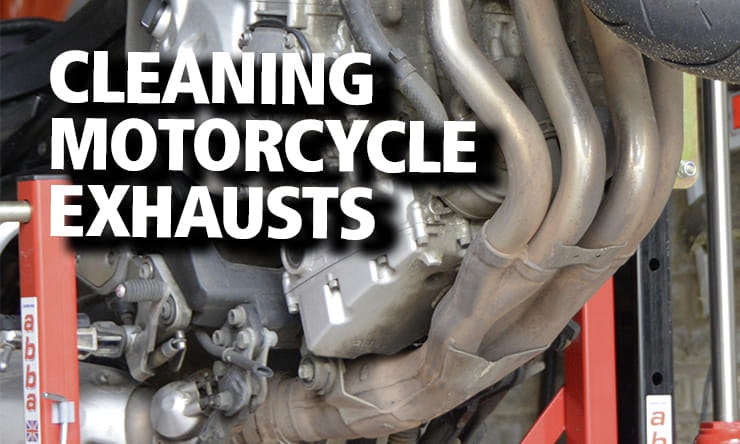
Most cleaning guides ignore the inside of the exhaust pipe. While you don’t need to clean deep inside, a quick wipe at the opening can remove soot and carbon buildup.
- Wrap a microfiber cloth around a stick or brush.
- Dampen with water or mild soap solution.
- Gently wipe the inside edge—don’t push too far.
Do not use strong chemicals inside the exhaust. They can damage the catalytic converter or sensors.
Preventing Future Stains And Damage
Keeping your stainless steel exhaust clean is easier if you prevent problems before they start. Here are some habits that help:
- Wipe after every ride: Especially after rain or long trips.
- Avoid parking on grass or dirt: Moisture and mud speed up corrosion.
- Apply polish every month: This creates a protective layer.
- Clean spills immediately: Fuel or oil stains are harder to remove if left.
A quick two-minute wipe-down after each ride saves hours of cleaning later. Most experienced riders follow this habit, but beginners often overlook it.
Common Mistakes To Avoid
Many riders make small mistakes that damage stainless steel exhausts. Here’s what to watch out for:
- Using abrasive cleaners: Powdered cleansers or rough sponges can scratch the surface.
- Skipping the rinse: Not removing chemicals can lead to streaks or corrosion.
- Cleaning when hot: Heat can burn cleaners into the metal or cause injury.
- Using acidic products: Some bathroom cleaners contain acids that damage stainless steel.
A simple rule: if you’re not sure about a product, test it on a small hidden area first.
Comparing Stainless Steel Exhaust Cleaning Products
With so many cleaners on the market, it’s hard to know which to choose. Here’s a comparison of popular options:
| Product Type | Pros | Cons | Best Use |
|---|---|---|---|
| Mild Dish Soap | Cheap, easy to find, safe | May not remove heavy stains | Regular cleaning |
| Stainless Steel Polish | Adds shine, protects surface | Costs more, needs buffing | Final touch, monthly care |
| Metal Polish | Removes bluing, rust, stains | Can be abrasive, needs careful use | Deep cleaning, stain removal |
| Degreaser | Removes tar, oil quickly | Harsh if overused | Heavy grime, pre-clean |
Credit: www.bennetts.co.uk
How Often Should You Clean Your Exhaust?
The right cleaning schedule depends on how and where you ride. Here’s a basic guide:
| Riding Condition | Suggested Cleaning Frequency |
|---|---|
| Dry roads, fair weather | Once a month |
| Wet roads, rain, mud | Every week |
| After long trips | Immediately after return |
| Winter/salty roads | After every ride |
Frequent cleaning prevents stains from becoming permanent. It also makes each cleaning session faster and easier.
When To Seek Professional Help
Not all problems can be fixed at home. If your exhaust has deep rust, dents, or severe discoloration that won’t come off with polish, it’s best to see a professional. They have tools like rotary buffers and industrial cleaners that restore the exhaust without risk.
Also, if your bike is still under warranty, some cleaning methods might void the warranty. Check your owner’s manual or ask the dealer before using strong chemicals or abrasives.

Credit: www.youtube.com
Environmental And Safety Considerations
Dispose of cleaning cloths and chemicals properly. Never pour dirty water or chemicals into drains. Some cleaners are harmful to the environment. Choose biodegradable soaps if possible. Always wear gloves to protect your hands, and never clean in a closed space without good ventilation.
For more details on the properties of stainless steel, see the Stainless Steel Wikipedia page.
Frequently Asked Questions
How Do I Remove Bluing From My Stainless Steel Exhaust?
Bluing happens due to heat. Use a metal polish made for stainless steel and a soft microfiber cloth. Rub gently in small circles. For stubborn spots, use 0000 steel wool very lightly, then finish with polish.
Can I Use Vinegar Or Baking Soda To Clean My Exhaust?
Vinegar is acidic and can damage stainless steel if left on too long. Baking soda is less risky but may scratch if not used gently. It’s safer to use products made for stainless steel.
Is It Safe To Use Wd-40 On Motorcycle Exhaust Pipes?
WD-40 can help remove tar and sticky grime, but always wipe it off completely and wash the area with soap and water afterward. Don’t leave it on the exhaust, as it can burn and leave marks.
What Should I Do If My Stainless Steel Exhaust Is Rusting?
Clean the spot with metal polish and a soft cloth. For stubborn rust, use 0000 steel wool gently. If rust returns quickly or covers a large area, seek professional help—there may be a deeper issue.
How Do I Keep My Exhaust Shiny For Longer?
Regular cleaning, monthly application of stainless steel polish, and quick wipes after each ride help keep your exhaust looking new. Avoid parking in wet, salty, or muddy areas.
A clean, shiny exhaust not only looks great but also shows you care about your motorcycle. With the right tools and a little effort, anyone can keep their stainless steel motorcycle exhaust in top condition for years to come.