Shorty Vs Full Exhaust Motorcycle Sound Difference Explained

Riding a motorcycle is more than just moving from one place to another. For many, it’s a passion, a lifestyle, and an expression of personal style. One of the first things riders notice about any bike is its sound—raw, deep, loud, or refined. The exhaust system plays a huge part in creating this sound. When riders discuss changing how their bike sounds, two main options come up: shorty exhausts and full exhaust systems. But what’s the real difference in sound between these two setups? Is it only about volume, or are there deeper changes in tone, performance, and even riding experience? Let’s dive deep into the world of motorcycle exhausts and uncover how choosing between a shorty or a full system shapes what you—and everyone else—hear on the road.
What Is A Shorty Exhaust?
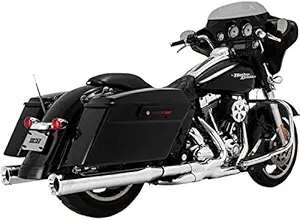
Shorty exhausts are, as the name suggests, short exhaust pipes. They usually replace just the end section of your bike’s exhaust, the muffler. They’re easy to spot because they’re much shorter than stock pipes, sometimes ending just after the rear foot peg or even under the rider’s seat. Many riders choose a shorty exhaust for its aggressive look and, more importantly, for the louder, sharper sound it produces.
Why Do Riders Choose Shorty Exhausts?
- Style: The minimal look transforms the bike’s appearance.
- Weight Reduction: Less pipe means less weight, which can improve handling slightly.
- Sound: Shorties are famous for a deeper, louder, and sometimes raspy exhaust note.
However, there’s more to them than just looks and volume. The way a shorty exhaust changes the sound depends on engine size, type, and design. For example, a 600cc inline-four will sound very different from a 1200cc V-twin, even with the same shorty pipe.
Common Materials And Construction
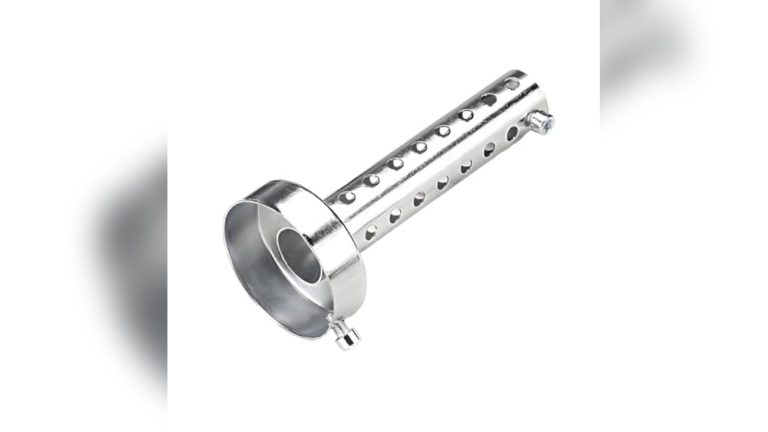
Shorty exhausts are often made from stainless steel, aluminum, or titanium. Some have simple baffles or even straight-through designs with almost no restriction. This lack of restriction is why shorties are so loud, but it can also affect performance and engine tuning.
What Is A Full Exhaust System?
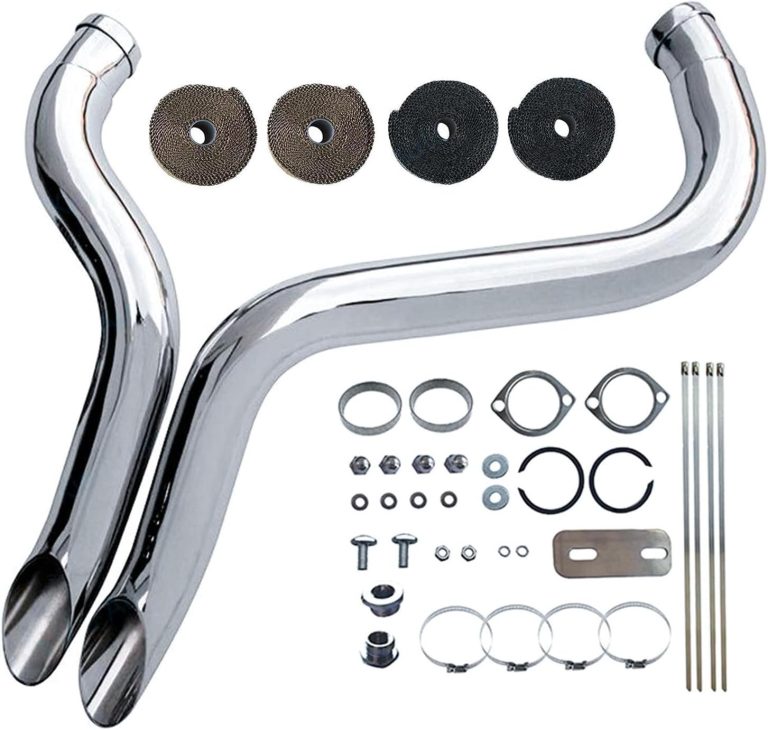
A full exhaust system replaces everything from the engine’s headers to the tailpipe. It’s a complete overhaul, not just a muffler swap. Full systems are designed to optimize exhaust flow, often with tuned headers, mid-pipes, and a carefully engineered muffler.
Why Install A Full System?
- Performance: Full systems can unlock horsepower and torque, especially when paired with proper fuel tuning.
- Sound: They’re designed to create a powerful sound but often with more engineering behind the tone and volume.
- Customization: Riders can choose the tone, pitch, and volume they want by picking the right system.
Typical Construction And Features
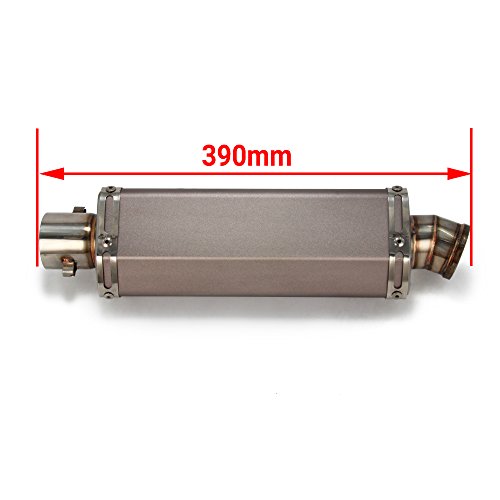
Full exhausts are usually made from high-quality metals like titanium or carbon fiber. Many come with removable baffles or dB killers so riders can adjust the volume. They also optimize back pressure for better engine response.
How Sound Is Produced In Motorcycles
To understand the difference between shorty and full exhausts, it’s helpful to know how sound is made in a motorcycle. When your engine burns fuel, it releases exhaust gases in bursts, creating sound waves. The exhaust pipes guide these waves out of the bike.
- Shorter pipes (like shorties) let the sound waves escape quickly, making the sound sharper and louder.
- Longer pipes (like full systems) allow the waves to bounce and blend, which can mellow the sound or give it a deeper tone.
The muffler and any baffles inside also shape these waves, reducing volume and tuning the sound.
Shorty Exhaust Sound Characteristics
Shorty exhausts are famous for making motorcycles sound louder and more aggressive. Here’s what you’ll usually notice:
- Volume: Shorties are almost always louder than stock or full systems. The short length leaves little space for noise reduction.
- Tone: The sound is sharper, sometimes called “raspy” or “snappy.” This is because high-frequency sound waves escape before they can be mellowed.
- Pops and Crackles: Many bikes with shorty exhausts produce pops on deceleration. Some riders love this “afterfire” sound, but it can be a sign of unburned fuel.
- Idle Sound: At idle, a shorty can make a bike sound more like a hot rod—throaty and rumbling.
Real-world Example
Take a Yamaha R6. With its stock exhaust, the sound is relatively quiet and smooth. Swap to a shorty, and you get a loud, metallic bark every time you twist the throttle. In traffic, you’ll turn heads and possibly annoy neighbors.
Data Comparison
Here’s a look at measured sound levels on a typical 600cc sportbike:
| Exhaust Type | Idle (dB) | Rev (dB, ~5000 rpm) | Legal Limit (Most Areas) |
|---|---|---|---|
| Stock | 75 | 85 | 96 dB |
| Shorty | 85 | 100+ | 96 dB |
| Full System | 80 | 95-98 | 96 dB |
Shorties often push past local noise laws, while full systems are easier to tune for compliance.
Full Exhaust System Sound Characteristics
Full systems can be just as loud as shorties, but they’re usually designed for a more refined sound. Here’s what sets them apart:
- Volume: Full systems can be loud, but many come with baffles to keep noise legal.
- Tone: The sound is deeper and smoother, thanks to the longer exhaust path and specialized mufflers.
- Performance Sound: Because full systems are tuned, you often hear a “fuller” sound that matches the bike’s power.
- Consistency: The tone stays balanced across the RPM range, without sudden rasps or cracks.
Real-world Example
Put a full Akrapovič system on a Suzuki GSX-R1000 and you’ll notice a deep, thunderous tone that sounds powerful but not harsh. The volume is strong, but the pitch is lower and less piercing compared to a shorty.
Data Comparison
Here’s how a full system compares by sound frequency:
| Exhaust Type | Low Frequency (Hz) | High Frequency (Hz) | Perceived Tone |
|---|---|---|---|
| Shorty | 120 | 1200 | Sharp, raspy |
| Full System | 80 | 900 | Deep, smooth |
A full system gives you more low-end rumble, while a shorty highlights the highs.
Key Sound Differences: Shorty Vs Full Exhaust
When you compare the two, these are the main sound differences:
- Volume: Shorty is usually louder—sometimes too loud for city streets.
- Pitch: Shorty exhausts emphasize higher frequencies, while full systems favor low, deep sounds.
- Resonance: Full systems create a richer, more layered sound. Shorties can sound “tinny” or hollow.
- Afterfire: Pops and bangs are more common with shorties due to less gas control.
- Legal Status: Full systems are easier to keep within noise limits.
The Science Behind The Sound
Why does pipe length make such a difference? It comes down to sound wave physics and back pressure.
- Short pipes don’t give sound waves time to bounce and blend, so they hit your ears raw and unfiltered.
- Full systems use longer pipes and sometimes chambers to mix the waves, smoothing out the sound.
Back pressure is also key. Short pipes create less back pressure, which can hurt low-end power and cause the engine to run lean. Full systems are tuned to keep the right amount of pressure, helping both sound and performance.
Impact On Riding Experience
Sound isn’t just for bystanders. It changes how you feel on the bike.
With A Shorty Exhaust
- Excitement: Every twist of the throttle is a rush.
- Fatigue: Long, loud rides can be tiring, even with earplugs.
- Attention: You’ll be noticed—sometimes good, sometimes bad.
With A Full Exhaust
- Enjoyment: The deep tone feels powerful but less tiring.
- Control: The sound changes smoothly with RPM, making it easier to hear what the engine’s doing.
- Practicality: Less likely to get pulled over for noise violations.
Law And Noise Regulations
Most cities and countries have strict rules on motorcycle noise. In the US, the EPA sets limits around 80-96 dB for street bikes. Europe is even stricter. Shorty exhausts often break these rules, while full systems are easier to keep legal—especially if you use included baffles or dB killers.
Breaking noise laws can lead to:
- Fines
- Vehicle inspections
- Forced removal of the exhaust
- Annoyed neighbors
It’s wise to check your local laws before making any changes.
Performance Impacts: Beyond Sound
Changing your exhaust affects more than just sound.
Shorty Exhausts
- May decrease low-end power due to less back pressure.
- Can cause lean running, leading to engine damage if not tuned.
- Slight weight savings help with handling.
Full Exhaust Systems
- Tuned for power, often increasing mid and top-end performance.
- Usually require fuel remapping to get the most benefit.
- Better materials may last longer and shed more weight than shorties.

Credit: www.revzilla.com
Common Mistakes When Choosing An Exhaust
Many riders focus only on sound, but there’s more to consider.
- Ignoring Local Laws: Some shorties are illegal for street use.
- Not Tuning the Engine: Both setups may need a fuel controller or ECU flash to run right.
- Choosing Only for Looks: The best-looking pipe may not sound the way you want.
- Overlooking Comfort: Loud exhausts can be exhausting (pun intended) on long rides.
- Cheap Materials: Low-cost pipes rust or crack quickly.
Which Is Right For You?
The choice comes down to your needs and preferences.
- If you want maximum volume and attention, and ride mostly for fun, a shorty might suit you.
- If you want performance, legal compliance, and a refined sound for street or track, go full system.
If you’re not sure, listen to both setups on your bike model, either in person or on trusted YouTube channels.

Credit: www.youtube.com
Real-life Stories: Riders Share Their Experience
John’s Shorty Swap
John rides a Kawasaki Z900. He swapped his stock exhaust for a shorty because he wanted “that mean growl. ” The first ride was amazing—heads turned at every stoplight. But after a week, the constant loudness wore him out. “I love the sound, but now I use earplugs every ride,” he says.
He’s also been stopped once for noise in his city.
Maria’s Full System Upgrade
Maria installed a full Yoshimura system on her Yamaha MT-07. She says, “It’s louder than stock, but not obnoxious. The sound is deep, and I feel the bike pulls harder. ” She had her ECU tuned and hasn’t had any problems with police or neighbors.
How To Pick The Right Exhaust For Your Bike
- Set Your Priorities: Is sound, power, weight, or legality most important?
- Research Your Bike Model: Some bikes run poorly with short pipes. Look for reviews from riders with your exact bike.
- Check Local Laws: Avoid fines and hassle.
- Listen to Sound Clips: YouTube and forums are full of real-world exhaust sounds.
- Buy Quality: Stick to known brands to avoid rust, cracks, and poor fitment.
- Plan for Tuning: Budget for a fuel controller or ECU flash if needed.

Credit: langston-motorsports.com
Comparing Shorty And Full Exhausts: Quick Reference
Here’s a summary to help you compare the options quickly.
| Feature | Shorty Exhaust | Full Exhaust System |
|---|---|---|
| Volume | Very Loud | Loud to Moderate |
| Sound Tone | Sharp, raspy | Deep, smooth |
| Weight Savings | Good | Excellent |
| Performance Gains | Minimal or negative | Noticeable (with tuning) |
| Legal Compliance | Often illegal | Usually legal with baffles |
| Cost | Low to Medium | Medium to High |
Two Insights Beginners Often Miss
- Sound on video isn’t the same as real life: What sounds cool on YouTube can be overwhelming or even painful in person. Always try to hear a setup in person before buying.
- Exhaust choice affects more than sound: Changing to a shorty or full system can mean you’ll need to adjust fuel mapping, which costs extra and is sometimes required for the bike to run safely.
When Sound Isn’t Everything
Remember, the best exhaust is the one that fits your riding style, legal needs, and comfort. Many seasoned riders regret choosing the loudest option after a few months. Think about your daily use, long trips, and the people around you.
Sometimes, a slightly quieter but well-tuned full system brings more joy than a raw shorty that wears out your ears—or your welcome.
If you want a deeper technical dive into exhaust design and sound, check out this Wikipedia article.
Frequently Asked Questions
What’s The Main Reason People Choose A Shorty Exhaust?
The biggest reason is sound. Shorty exhausts give motorcycles a loud, aggressive note that stands out. Many riders also like the look and the slight weight reduction.
Will A Shorty Exhaust Hurt My Bike’s Engine?
It can, if you don’t adjust the fuel system. Shorties reduce back pressure, which may cause the engine to run lean—too much air, not enough fuel. This can cause overheating or engine damage over time. Always check if your bike needs a tune with a new exhaust.
Do Full Exhaust Systems Always Make More Power?
Not always, but most full exhaust systems are designed to increase power, especially at higher RPMs. The gains are best when combined with proper fuel tuning. Some cheap full systems may not help, so stick with trusted brands.
Are Shorty Exhausts Legal For Street Use?
In many places, no. Shorties often exceed noise limits and lack the required certifications for road use. Always check your local laws before installing a shorty, or you could face fines.
Can I Switch Back To Stock If I Don’t Like My New Exhaust?
Yes, most of the time. If you keep your original parts and don’t make permanent changes, you can swap back. This is a good idea if you’re unsure about the sound or want to avoid legal trouble.
Choosing between a shorty and a full exhaust is more than just a style decision—it’s about sound, performance, legality, and your own riding experience. Take your time, listen carefully, and make the choice that suits you best.