What is a Slip On Exhaust for Your Motorcycle 2026

Thinking about upgrading your motorcycle’s exhaust system? A slip on exhaust for motorcycle is a popular and relatively simple modification that replaces only the rear section of your bike’s exhaust, typically the muffler. It’s a fantastic way to instantly enhance your motorcycle’s sound, shed some weight, and give it a fresh, custom look without diving into a full system overhaul. Riders in 2026 continue to choose slip-ons for their ease of installation and significant impact on the riding experience.
What is a Slip On Exhaust for Your Motorcycle 2026
Ever ridden your motorcycle and wished it sounded a bit beefier, looked a little sportier, or felt a tad lighter? You’re not alone! Many riders, from casual weekend warriors to dedicated track enthusiasts, look for ways to personalize and enhance their bikes. In the world of motorcycle modifications, upgrading the exhaust system is one of the most common and impactful changes you can make. And among exhaust options, the “slip on exhaust for motorcycle” stands out as a hugely popular choice.
But what exactly is a slip-on exhaust? Is it just a fancy muffler? How does it differ from a full system? And why is it such a favored upgrade for so many riders in 2026? If you’ve been pondering these questions, you’ve come to the right place. We’re going to dive deep into the world of slip-on exhausts, explaining what they are, what they do, and why you might want one for your beloved two-wheeler.
Understanding Your Motorcycle’s Exhaust System
Before we get into the specifics of a slip on exhaust for motorcycle, let’s briefly touch upon the entire exhaust system. Your bike’s exhaust isn’t just a pipe to direct fumes away; it’s a carefully engineered component designed to manage exhaust gases, control noise, and even influence engine performance.
A typical motorcycle exhaust system consists of:
- Headers (or Downpipes): These pipes connect directly to the engine’s exhaust ports, collecting gases from each cylinder.
- Mid-pipe (or Collector): This section gathers the gases from the headers, often combining them into a single pipe or splitting them into multiple. Sometimes it houses a catalytic converter.
- Muffler (or Silencer/Can): This is the final section, designed to reduce exhaust noise and often contains baffles and packing material to achieve this.
Understanding these components is key to understanding where a slip-on fits into the picture.
Key Takeaways
- Definition & Components: A slip on exhaust for motorcycle replaces only the stock muffler, connecting to the existing header and mid-pipe using a simple slip-fit mechanism. It’s a partial exhaust upgrade.
- Primary Benefits: Riders typically choose a slip-on for improved exhaust note (louder, deeper sound), weight reduction compared to stock mufflers, and enhanced aesthetic appeal. Some mild performance gains are also possible.
- Installation Simplicity: One of the biggest advantages is its straightforward installation process, often requiring basic tools and minimal mechanical expertise, making it a popular DIY upgrade.
- Cost-Effectiveness: Compared to a full exhaust system, a slip-on is significantly more affordable, offering a noticeable upgrade without breaking the bank.
- Performance Considerations: While a slip-on offers some benefits, maximum performance gains often require a full exhaust system combined with an ECU tune to optimize fuel-air mixture.
- Legal & Environmental Aspects: Always check local noise and emissions regulations before purchasing and installing a slip-on, as laws can vary widely and are becoming stricter in 2026.
- Material & Design Variety: Slip-ons come in various materials (stainless steel, carbon fiber, titanium) and designs, allowing riders to personalize their bike’s look and sound profile.
📑 Table of Contents
- What Exactly is a Slip On Exhaust for Motorcycle?
- Why Would You Want a Slip On Exhaust for Your Motorcycle? The Benefits!
- Materials, Features, and Choosing Your Slip On Exhaust in 2026
- Installation Tips for Your New Slip On Exhaust
- Legal and Environmental Considerations in 2026
- Maintaining Your New Slip On Exhaust
- The Future of Slip On Exhausts in 2026 and Beyond
- Conclusion: Is a Slip On Exhaust Right For You?
What Exactly is a Slip On Exhaust for Motorcycle?
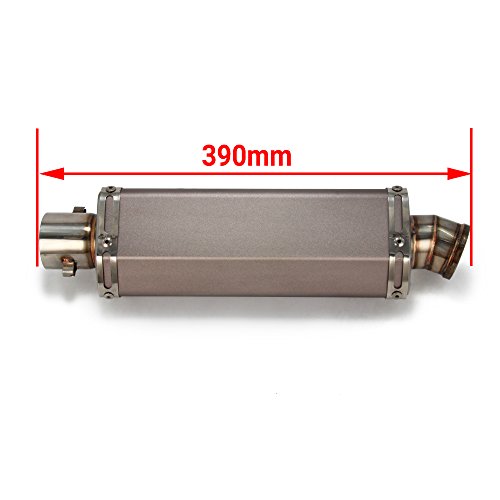
Simply put, a slip on exhaust for motorcycle is an aftermarket component designed to replace *only the stock muffler* on your motorcycle. It’s called a “slip-on” because it literally “slips on” to your bike’s existing mid-pipe or header system. You don’t replace the entire exhaust manifold or the pipes leading from the engine; you just swap out the final, most visible, and often heaviest part.
Think of it like this: your stock exhaust is a complete outfit. A slip-on is like changing only your shoes – you keep your pants and shirt (headers and mid-pipe), but your footwear (muffler) gets a stylish upgrade. This design makes it a relatively simple and quick modification, appealing to a vast number of riders who want a noticeable change without a complete overhaul.
Slip-on vs. Full System Exhaust: What’s the Difference?
It’s important to distinguish a slip on exhaust for motorcycle from a “full system” exhaust.
- Slip-on Exhaust: Replaces only the muffler. Attaches to the stock mid-pipe/headers.
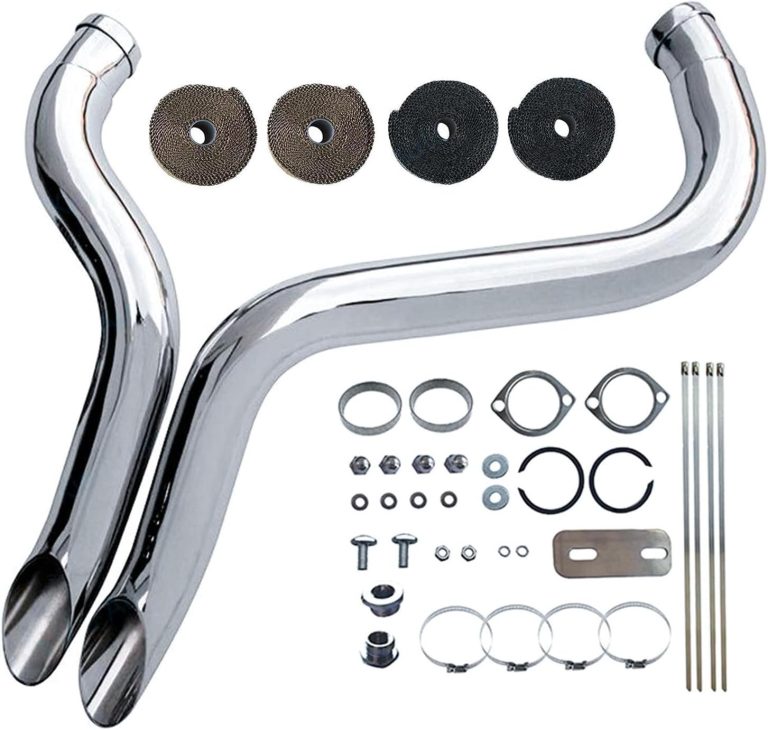
- Full System Exhaust: Replaces the *entire* exhaust system, from the headers all the way back to the muffler. This means new headers, mid-pipe, and muffler.
A full system aims for maximum performance gains by optimizing exhaust gas flow from the engine exit, often involving changes to pipe diameter, length, and routing. A slip-on primarily targets sound, aesthetics, and minor weight reduction.
Why Would You Want a Slip On Exhaust for Your Motorcycle? The Benefits!

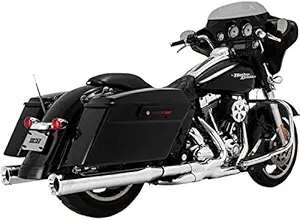
Visual guide about What is a Slip On Exhaust for Your Motorcycle 2026
Image source: asset.lemansnet.com
There are several compelling reasons why riders opt for a slip on exhaust for motorcycle. Let’s break down the main advantages you can expect.
1. Enhanced Sound Profile
This is, for many, the number one reason. Stock mufflers are designed to meet strict noise regulations, which often results in a somewhat subdued or “boring” exhaust note. A good aftermarket slip-on will typically deliver a deeper, richer, and often louder sound that truly lets your engine’s character shine. It’s not just about being louder; it’s about a more resonant and appealing tone that enhances the riding experience. Imagine a throaty growl instead of a polite purr – that’s the kind of transformation a slip-on can offer.
2. Significant Weight Reduction
Stock mufflers are often made of heavy materials and designed with internal baffling to muffle sound, which adds considerable bulk. Aftermarket slip-ons, especially those made from materials like titanium or carbon fiber, are significantly lighter. Shedding a few pounds, especially at the rear of the bike, can contribute to a more nimble feel and improved handling dynamics. While it might not be a massive difference, every little bit counts when you’re talking about performance and agility.
3. Improved Aesthetics
Let’s be honest, many stock mufflers are designed more for function and cost-effectiveness than for stunning looks. They can be large, awkwardly shaped, or simply blend into the background. A slip on exhaust for motorcycle, on the other hand, is often designed with style in mind. You can find sleek, compact, and aggressively styled cans in various finishes (carbon fiber, brushed stainless steel, black ceramic) that dramatically improve the visual appeal of your bike’s rear end. It’s a quick way to customize your ride and make it stand out.
4. Mild Performance Gains (Sometimes)
While not as significant as a full system, a well-designed slip-on can offer slight improvements in horsepower and torque. This is usually due to less restrictive exhaust flow compared to the stock muffler. However, don’t expect a dramatic power boost from a slip-on alone. For noticeable gains, especially in combination with other performance modifications, you might need to consider an optimal engine tune or even a full exhaust system upgrade.
5. Easy and Affordable Upgrade
This is where the slip-on really shines. Its installation is relatively straightforward, often a DIY job that can be completed in an hour or two with basic tools. This ease of installation, combined with a much lower price point than a full exhaust system, makes it an attractive entry-level modification for many riders. For those looking to learn more about basic upkeep, checking out resources on motorcycle maintenance for beginners can also be quite helpful.
Materials, Features, and Choosing Your Slip On Exhaust in 2026
The market for slip-on exhausts is vast and diverse in 2026, offering a range of materials, finishes, and features. Knowing what to look for will help you make the best choice for your bike and riding style.
Common Materials
- Stainless Steel: Durable, corrosion-resistant, and relatively affordable. A popular all-around choice.
- Titanium: Extremely lightweight and strong, offering excellent heat resistance. It’s often more expensive but provides maximum weight savings.
- Carbon Fiber: Also very lightweight and has a distinct, modern look. It dissipates heat well but can be more susceptible to impact damage than metal.
- Aluminum: Lighter than stainless steel and often more affordable than titanium or carbon fiber.
Key Features to Consider
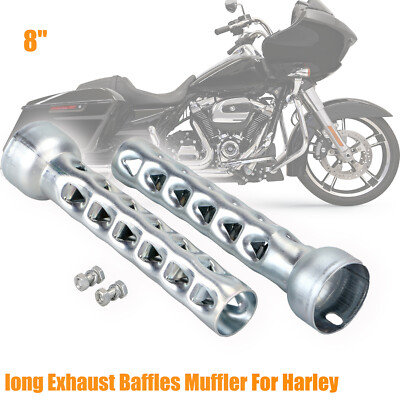
- Baffles (Removable vs. Fixed): Many slip-ons come with removable baffles. Removing them increases volume, while keeping them in keeps the sound more regulated. Some racing slip-ons might not have baffles at all.
- Catalytic Converter Compatibility: Some slip-ons are designed to retain your bike’s original catalytic converter (often found in the mid-pipe), while others might require its removal or a catalyst-delete mid-pipe. Be aware of local emissions laws.
- Heat Shields: Ensure the slip-on comes with adequate heat shielding to protect your leg or luggage from scorching temperatures.
- Mounting Hardware: A quality slip-on will come with all necessary hardware for a secure fit.
Matching Your Style and Ride
When choosing a slip on exhaust for motorcycle, consider:
- Your Bike’s Aesthetic: Do you want a sleek, modern look, or something more classic?
- Sound Preference: Do you prefer a deep rumble or a sharp roar? Listen to sound clips online if possible.
- Riding Type: For track use, you might prioritize maximum weight savings and performance. For street riding, legal noise limits and durability are more important.
- Budget: Prices vary widely depending on brand, material, and features.
Installation Tips for Your New Slip On Exhaust
Installing a slip on exhaust for motorcycle is generally straightforward, making it a popular DIY project. Here’s a basic overview of the steps involved and some helpful tips:
Tools You’ll Likely Need:
- Socket wrench set
- Allen key set
- Torx bits (depending on your bike)
- Spring puller (if your exhaust uses springs)
- Penetrating oil (for stubborn bolts)
- Clean rags
- New exhaust gasket (sometimes included, sometimes separate)
- Torque wrench (for correct re-tightening)
General Installation Steps:
- Safety First: Make sure your motorcycle is stable on a stand and the exhaust system is completely cool. Wearing gloves is also a good idea.
- Locate Fasteners: Identify all bolts, clamps, and springs holding your stock muffler in place.
- Loosen and Remove: Carefully loosen and remove all fasteners. If bolts are seized, a little penetrating oil can help. Support the muffler as you remove the last fastener to prevent it from dropping.
- Remove Stock Muffler: Gently wiggle and pull the stock muffler off the mid-pipe. Sometimes, a bit of twisting helps.
- Clean Connection: Clean any residue or carbon buildup from the end of the mid-pipe where the new slip-on will attach.
- Install New Gasket (if applicable): Some slip-ons use a new gasket; ensure it’s properly seated.
- Mount New Slip-on: Slide the new slip on exhaust for motorcycle onto the mid-pipe. Make sure it’s fully seated.
- Secure Fasteners: Re-attach all bolts, clamps, and springs. Start by hand-tightening everything, then progressively tighten them to the manufacturer’s specified torque settings.
- Double-Check: Inspect all connections for tightness and proper alignment. Start the bike and check for any exhaust leaks (you can often feel or hear them).
It’s always a good idea to consult your specific slip-on’s instructions and your motorcycle’s service manual for detailed, model-specific guidance.
Legal and Environmental Considerations in 2026
Before you hit “buy” on that shiny new slip on exhaust for motorcycle, it’s crucial to be aware of the legal and environmental landscape. Regulations surrounding motorcycle exhaust noise and emissions are constantly evolving, and in 2026, many regions are seeing stricter enforcement.
Noise Regulations
Most countries and even individual states/provinces have laws governing acceptable noise levels for motorcycles. Aftermarket slip-ons are often louder than stock, and some may exceed these limits. Riding with an illegally loud exhaust can result in fines, points on your license, or even having your bike impounded. Always check your local laws before making a purchase. Some manufacturers offer “road legal” versions of their slip-ons that come with specific certifications.
Emissions Standards
Many modern motorcycles feature catalytic converters and other emissions control devices within their exhaust systems. A slip on exhaust for motorcycle usually doesn’t replace the catalytic converter (which is typically in the mid-pipe), so it generally doesn’t affect emissions as drastically as a full system. However, if your chosen slip-on design alters back pressure significantly, it *could* indirectly affect your bike’s emissions performance. If you’re concerned about your motorcycle’s overall performance or how modifications might impact its long-term health, understanding what causes decreasing motorcycle mileage can provide useful context on how different factors contribute to your bike’s efficiency. Always ensure your bike remains compliant with local emissions testing requirements.
Warranty Implications
Modifying your motorcycle’s exhaust system *could* potentially void parts of your manufacturer’s warranty, especially if the modification is deemed to have caused a related failure. It’s always wise to check your warranty terms or speak with your dealership if this is a concern.
Maintaining Your New Slip On Exhaust
Once installed, your new slip on exhaust for motorcycle will generally require minimal maintenance, but a little care can keep it looking and performing its best.
Regular Cleaning
Exhausts accumulate road grime, bugs, and general dirt. Clean your slip-on regularly with appropriate cleaning products for its material (e.g., stainless steel cleaner for stainless steel, mild soap and water for carbon fiber). Avoid harsh abrasives that can scratch the finish.
Check for Leaks and Damage
Periodically inspect your exhaust for any signs of leaks, cracks, or loose connections. Exhaust leaks can affect performance and sound. Address any issues promptly.
Baffle Maintenance
If your slip-on has a removable baffle, you might want to clean it occasionally, especially if you notice a change in sound or performance. Some baffles might also have packing material that degrades over time and could need repacking.
Protect Against Corrosion
If you live in an area with harsh weather or regularly ride in the rain, consider applying a protective coating or wax to metal parts of your exhaust to ward off corrosion.
The Future of Slip On Exhausts in 2026 and Beyond
As we look ahead in 2026, the world of motorcycle customization continues to evolve. Manufacturers are constantly innovating, creating lighter, more durable, and aesthetically pleasing slip-ons. We might see:
- Smarter Exhausts: Integration with bike electronics for adaptive sound profiles or even actively managed exhaust valves that adjust sound/flow based on riding mode.
- Advanced Materials: Further development in exotic alloys and composite materials that push the boundaries of weight reduction and heat management.
- Increased Regulatory Compliance: More emphasis on “smart” designs that meet strict noise and emissions standards while still offering an improved rider experience.
Regardless of the technological advancements, the fundamental appeal of a slip on exhaust for motorcycle – a quick, impactful, and relatively affordable upgrade – will likely remain a cornerstone of motorcycle customization for years to come.
Conclusion: Is a Slip On Exhaust Right For You?
A slip on exhaust for motorcycle offers a fantastic blend of benefits for many riders. It’s an accessible way to significantly improve your bike’s sound, enhance its aesthetics, and shave off some weight, all without the complexity or cost of a full exhaust system. While it won’t transform your bike into a race machine overnight, the tactile and auditory feedback it provides can profoundly deepen your connection with your ride.
Whether you’re craving that perfect exhaust note, a sleeker look, or just want to feel a bit more connected to your machine, a slip-on is a modification well worth considering. Just remember to do your homework, choose a quality product that fits your bike and style, and always be mindful of local regulations. Ride safe, and enjoy the roar!
Frequently Asked Questions
What exactly does “slip on” mean for a motorcycle exhaust?
“Slip on” refers to an aftermarket muffler that replaces only the stock muffler section of your motorcycle’s exhaust system. It’s designed to literally “slip on” to your bike’s existing header or mid-pipe, connecting with a simple clamp or spring mechanism.
Are slip on exhausts louder than stock exhausts?
Yes, in most cases, a slip on exhaust for motorcycle will be louder than your stock muffler. They are designed with less restrictive baffling to produce a deeper, richer, and more pronounced exhaust note, enhancing the auditory experience of riding.
Do I need to tune my motorcycle after installing a slip on exhaust?
For most slip-on installations, an ECU tune isn’t strictly necessary, as they typically don’t drastically alter the air-fuel ratio. However, a professional tune can often optimize performance, especially when combined with other modifications, by ensuring the engine runs at its most efficient.
Will a slip on exhaust improve my motorcycle’s performance?
While a slip on exhaust can offer minor gains in horsepower and torque due to reduced back pressure and better exhaust flow, don’t expect dramatic performance increases. Its primary benefits are typically sound, aesthetics, and weight reduction rather than significant power boosts.
Is it easy to install a slip on exhaust myself?
Yes, installing a slip on exhaust for motorcycle is generally considered one of the easier DIY modifications. It usually requires basic tools and minimal mechanical expertise, often taking only an hour or two. Always consult your specific product’s instructions and your bike’s service manual.
Are slip on exhausts legal?
The legality of a slip on exhaust depends on local noise and emissions regulations in your area. Many aftermarket slip-ons may exceed stock noise limits. It’s crucial to research and understand your local laws to ensure compliance and avoid potential fines or issues.