How to Pack for Motorcycle Camping: Essential Tips 2026

Motorcycle camping is an adventure that combines the thrill of riding with the joy of sleeping under the stars. For many, it’s a way to explore nature while keeping things simple and practical. But packing for motorcycle camping is different from packing for car camping or regular travel.
You have less space, need to balance weight, and must be prepared for changing weather and road conditions. Packing smart means you can enjoy the ride and relax at camp, knowing you have everything you need and nothing extra. This guide will help you pack efficiently, avoid common mistakes, and make your next motorcycle camping trip safe, comfortable, and memorable.
Understanding Motorcycle Camping
Before packing, it’s important to understand what makes motorcycle camping unique. Unlike car camping, you have limited space and must consider weight carefully. Most motorcycles have panniers, saddlebags, or a tail bag, but even the largest setups offer much less room than a car trunk.
Packing light is not just about comfort—it’s about safety and handling.
Motorcycle camping often involves remote areas, unpredictable weather, and long days on the road. You need gear that’s compact, durable, and versatile. Every item should serve more than one purpose if possible. Beginners often overlook the importance of weather protection, packing organization, and the right tools for emergencies. A well-packed bike feels balanced, rides safely, and makes camp setup easier.
Choosing The Right Gear
Packing starts with choosing the best gear for your trip. The right gear is light, compact, and suited to the season and terrain.
Essential Camping Gear
At the heart of motorcycle camping is your shelter and sleeping system. This is where you shouldn’t compromise.
- Tent: Choose a small, lightweight tent (2–3 pounds). Look for a model with easy setup, good ventilation, and waterproofing. Many prefer a one-person tent, but a two-person tent gives extra space for gear.
- Sleeping bag: Pick a bag rated for the coldest temperature you expect. Synthetic bags are quick-drying and cheaper, while down bags are warmer and pack smaller.
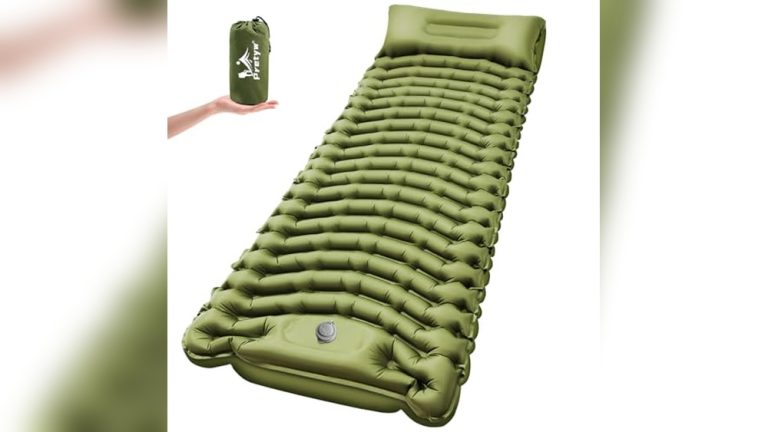
- Sleeping pad: A compact foam or inflatable pad provides comfort and insulation. Weight is important; most pads for motorcycle camping weigh under 1 pound.
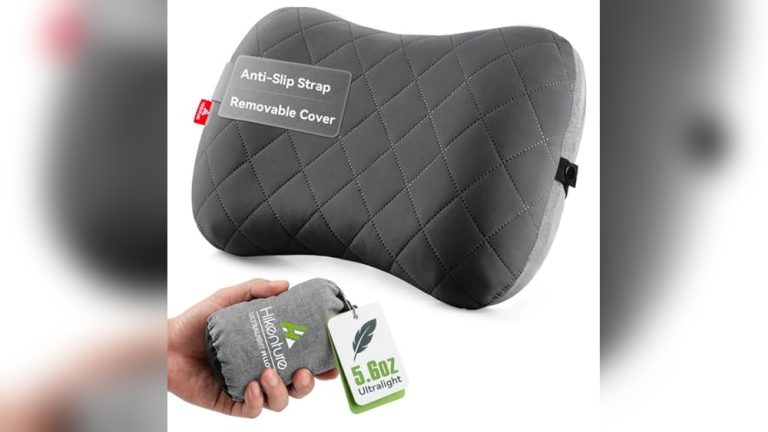
- Pillow: Use a packable pillow or a stuff sack filled with clothes.
Cooking And Food
Cooking at camp can be simple or more involved, depending on your preference and storage space.
- Stove: A small, single-burner stove (like a Jetboil or MSR PocketRocket) works well. Fuel canisters are small and easy to pack.
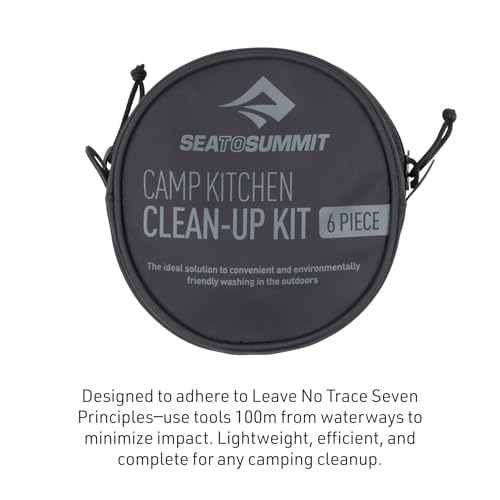
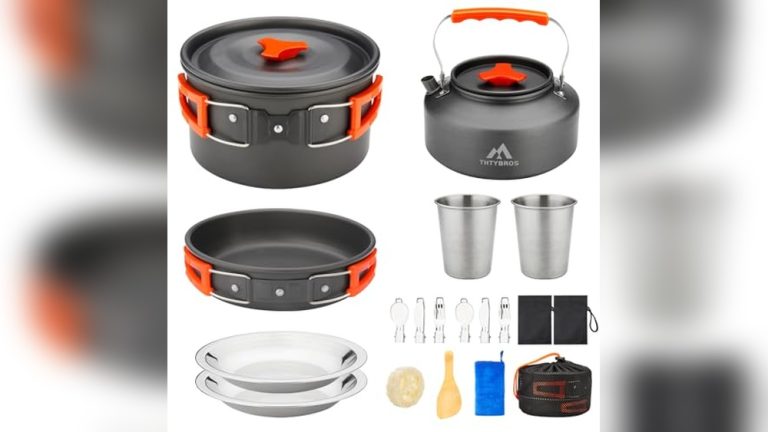
- Cookware: Choose one pot, one pan, and a spork. Titanium or aluminum is lightweight.
- Food: Instant meals, oatmeal, pasta, and canned goods are popular. Always carry some high-calorie snacks like nuts or energy bars.
- Water: A collapsible water bag or bottle saves space. Consider a filter if you’ll be near streams or lakes.
Clothing
Pack clothes based on the weather and riding conditions. Layering is key.
- Base layer: Moisture-wicking shirts and underwear.
- Mid layer: Fleece or synthetic jacket for warmth.
- Outer layer: Waterproof shell for rain and wind.
- Riding gear: Jacket, pants, gloves, boots, and helmet. Always wear protective gear, even on short rides.
- Camp clothes: Light shorts, T-shirt, and sandals for relaxing.
Tools And Safety Equipment
You must be ready for basic repairs and emergencies.
- Tool kit: Include wrenches, pliers, screwdrivers, tire patch kit, and chain lube.
- First aid kit: Compact kit with bandages, antiseptic, pain relievers, and any prescription medicine.
- Navigation: GPS, phone, or paper map. Don’t rely only on electronics.
- Emergency items: Flashlight, whistle, and a multi-tool.
Packing Comparison
To help you choose, here’s a comparison of popular camping gear options:
| Item | Weight (lbs) | Packed Size | Price Range ($) |
|---|---|---|---|
| Lightweight Tent | 2.5 | 16″x6″ | 100–250 |
| Synthetic Sleeping Bag | 2.2 | 13″x7″ | 60–150 |
| Inflatable Pad | 0.9 | 10″x4″ | 30–80 |
| Jetboil Stove | 0.8 | 7″x4″ | 70–120 |
Credit: ridermagazine.com
Packing Your Motorcycle Efficiently
Once you have your gear, packing it well is vital for safety and comfort. A poorly packed bike can be unstable, hard to maneuver, and dangerous.
Understanding Weight Distribution
The most important rule: keep heavy items low and centered. This keeps your bike balanced and easier to control.
- Heavy gear: Place tools, stove, and food in panniers closest to the bike’s center.
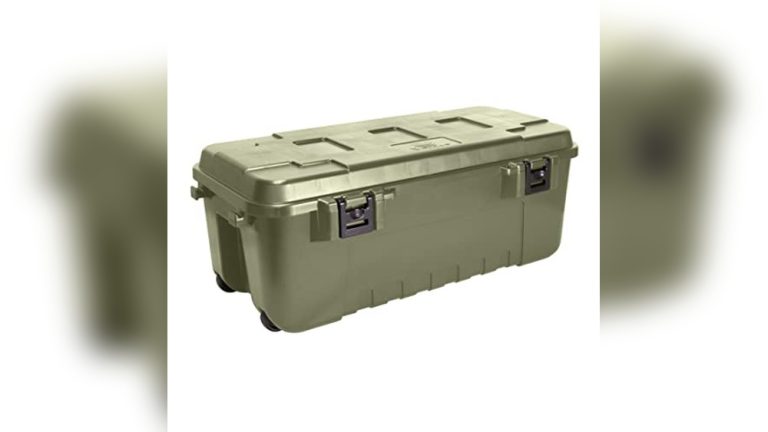
- Light gear: Sleeping bag, clothes, and tent can go in a tail bag or on top of panniers.
- Frequently used items: Keep rain gear, snacks, and maps within easy reach.
Using Motorcycle Luggage
Motorcycle luggage comes in many types. Each has its pros and cons.
- Hard panniers: Waterproof, secure, and easy to organize. They add weight and cost more.
- Soft saddlebags: Lighter, flexible, and cheaper. They’re less secure and can get wet.
- Tail bag: Good for light, bulky items.
- Tank bag: Great for small items, maps, and electronics.
Packing Order And Method
Pack your gear in the order you’ll use it. For example, tent and sleeping bag go at the bottom because you need them only at camp. Rain gear goes on top, ready for sudden storms.
- Roll clothes and pack tightly to save space.
- Use stuff sacks to organize gear.
- Separate wet/dry items with waterproof bags.
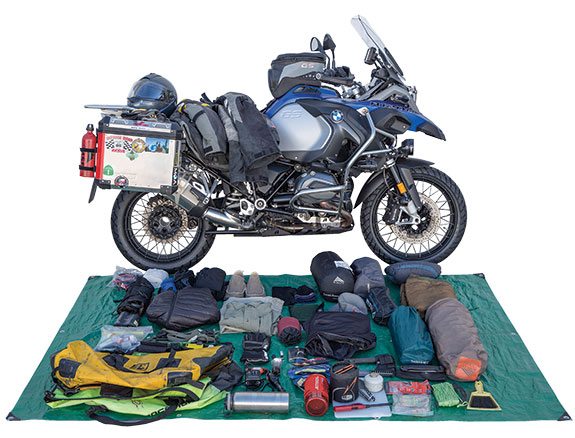
Here’s a sample packing layout:
| Luggage Type | Best Items to Pack | Accessibility |
|---|---|---|
| Panniers | Tools, food, stove, water | Moderate |
| Tail Bag | Sleeping bag, tent, camp clothes | Low |
| Tank Bag | Maps, snacks, phone | High |
Securing Your Load
Always secure your bags with straps or bungee cords. Loose gear can shift, fall off, or become a hazard. Double-check straps before each ride. Waterproof covers help protect gear in rain.
Planning For Weather And Conditions
Weather is unpredictable, especially in the mountains or desert. Being prepared is key to safety and comfort.
Rain And Cold
Rain can make riding dangerous and camping uncomfortable. Waterproof gear is essential.
- Rain suit: Keep a two-piece rain suit or poncho handy.
- Dry bags: Store electronics and clothes in dry bags.
- Warm layers: Even in summer, nights can be cold. Bring a fleece or insulated jacket.
Heat And Sun
Hot weather brings its own challenges.
- Hydration: Carry extra water. Dehydration is a risk while riding.
- Sun protection: Use sunscreen and sunglasses. A hat is helpful at camp.
- Ventilated gear: Riding jackets with mesh panels keep you cool.
Real-world Example
Many riders have faced sudden weather changes. For instance, a trip through the Rockies can see sun, rain, and snow in one day. Riders who packed only summer gear often struggle. Layering and waterproofing are critical, even for short trips.
Food And Water Strategies
Food and water are basic needs, but they take up space and weight. Efficient planning saves room and keeps you healthy.
Packing Food
Choose foods that are calorie-dense, lightweight, and easy to cook. Instant noodles, rice, pasta, and freeze-dried meals are favorites.
- Avoid glass jars and bulky cans.
- Bring snacks for riding: Nuts, bars, dried fruit.
- Store food away from your tent to avoid animals.
Water Management
Water is heavy, so plan carefully.
- Carry 2–3 liters for riding and camp.
- Use collapsible bottles to save space.
- If camping near water, bring a filter or purification tablets.
Cooking At Camp
Keep cooking simple. Most riders cook one-pot meals to reduce cleanup and packing.
- Use a single-burner stove for coffee, soup, and pasta.
- Bring only one pot and one pan.
- Clean cookware after each use to avoid attracting wildlife.
Packing Clothes And Personal Items
Clothes and personal items can quickly fill your bags if you’re not careful. Pack only what you need, focusing on versatility.
Layering For Comfort
Layering lets you adjust to changing temperatures. Three layers work well:
- Base layer: Moisture-wicking shirts and underwear.
- Insulation layer: Fleece or synthetic jacket.
- Shell layer: Waterproof jacket and pants.
Wear riding gear on the bike, and switch to camp clothes in the evening.
Packing Tips
- Roll clothes to save space.
- Bring quick-drying fabrics.
- Limit shoes to riding boots and camp sandals.
Toiletries And Hygiene
Pack a small kit with essentials:
- Toothbrush, toothpaste, soap, and towel.
- Sunscreen, insect repellent, and lip balm.
- Travel-size deodorant and wipes.

Credit: www.advpulse.com
Safety And Emergency Preparedness
Riding and camping both have risks. Being prepared can prevent problems and help you handle emergencies.
Tool Kit Essentials
A compact tool kit should include:
- Wrenches, pliers, screwdrivers.
- Tire patch kit, chain lube.
- Zip ties, duct tape.
First Aid Kit
A basic first aid kit is critical. Include:
- Bandages, gauze, antiseptic.
- Pain relievers, allergy medicine.
- Any personal medications.
Navigation And Communication
Don’t rely only on GPS or phone. Batteries can die, signals can drop.
- Bring a paper map and compass.
- Charge your phone and carry a power bank.
Common Mistakes To Avoid
Beginners often forget:
- Spare keys.
- Emergency contacts.
- Backup batteries.
Packing For Different Trip Lengths
The packing list changes based on how long you’ll be away. Here’s a quick comparison:
| Trip Length | Gear Needed | Extra Items |
|---|---|---|
| Weekend (1–2 nights) | Basic camp gear, food, water | Minimal clothes, simple meals |
| Week-long (5–7 nights) | Full camp gear, extra food | More clothes, backup power |
| Multi-week (10+ nights) | All gear, advanced tools | Maintenance items, larger first aid kit |
For longer trips, plan for resupply stops, laundry, and bike maintenance.
Organizing And Packing Smart
Packing is not just about what you bring, but how you organize it. Smart packing saves time, reduces stress, and keeps you safe.
Packing Systems
Use bags and pouches to group similar items:
- Kitchen bag: Stove, pot, utensils.
- Clothing bag: All clothes and personal items.
- Tool bag: Repair tools and supplies.
- First aid bag: Medical items.
Label bags for quick access.
Waterproofing
Rain can ruin gear and make camp uncomfortable. Use waterproof bags or liners for electronics, clothes, and food.
- Dry bags are best for expensive or sensitive items.
- Trash bags work for backup waterproofing.
Security
Keep valuables secure and out of sight. Lock hard panniers if possible. Don’t leave gear unattended at camp or stops.
Real-world Packing Examples
Experienced riders share their packing strategies. For example, John, a rider from Colorado, uses hard panniers for heavy gear and a tail bag for his tent and sleeping bag. He packs food in small zip bags and carries a water filter for mountain streams.
Maria, from California, prefers soft saddlebags and packs light clothes, a single-burner stove, and freeze-dried meals. She always brings a rain jacket, even in dry weather.
One non-obvious insight: Many riders use their motorcycle jacket as a pillow at night. It saves space and adds comfort.
Packing For International Trips
If you’re camping abroad, consider extra requirements:
- Documents: Passport, visas, insurance.
- Currency: Carry local cash.
- Language: Bring phrasebooks if needed.
- Bike paperwork: Registration, permits.
International riders face more border checks and need to plan for regulations on camping and gear.
Environmental Responsibility
Camping is about enjoying nature, so it’s important to protect it.
- Pack out all trash.
- Use biodegradable soap and minimal chemicals.
- Avoid disturbing wildlife.
- Camp only in allowed areas.

Credit: www.youtube.com
Advanced Packing Tips
Experienced campers use special tricks:
- Compression sacks reduce sleeping bag and clothing size.
- Multi-use items: Bandana as towel, scarf, or pot holder.
- Spare gloves for wet conditions.
Another non-obvious tip: Bring a small tarp. It can be used as a groundsheet, shelter, or cover for your bike.
Final Checklist Before Departure
Before you leave, review your packing:
- Check tire pressure and bike maintenance.
- Secure all bags and straps.
- Review weather forecasts.
- Confirm route and backup plans.
- Test all electronics and charge batteries.
- Double-check documents and permits.
A final walk-around can reveal forgotten items or loose straps.
FAQs For How to Pack for Motorcycle Camping
How Can I Pack Light For Motorcycle Camping?
Packing light starts with choosing compact gear and limiting extras. Focus on essentials and multi-use items. Roll clothes, use compression sacks, and avoid bulky items. Only bring what you truly need.
What Are The Best Foods To Bring?
Choose high-calorie, lightweight foods like energy bars, nuts, dried fruit, instant noodles, and freeze-dried meals. Avoid items that spoil easily or require refrigeration.
How Do I Protect My Gear From Rain?
Use waterproof bags, covers, and liners for all sensitive items. Store electronics and clothes in dry bags. Always carry a rain suit for yourself and waterproof covers for your luggage.
What Should I Do If My Motorcycle Breaks Down During Camping?
Carry a basic tool kit, tire repair kit, and emergency contacts. Try simple fixes first (like patching a tire or tightening bolts). If needed, contact roadside assistance or local mechanics. Always have a backup plan and know your route.
Where Can I Find Reliable Motorcycle Camping Resources?
You can find detailed guides and forums on official adventure sites and camping organizations. One helpful source is Adventure Motorcycling, which offers tips, gear reviews, and route planning.
Packing for motorcycle camping takes practice, but the rewards are huge. The freedom to explore, sleep under the stars, and ride new roads is worth the effort. With careful planning and smart packing, you can make your next trip comfortable and safe.
Remember, every item should serve a purpose, and less is often more. Enjoy your journey—both on the bike and at camp.