Solo Motorcycle Camping: The Ultimate Guide for Adventurous Riders

Solo Motorcycle Camping: The Ultimate Guide For Adventurous Riders
The open road, the hum of your engine, and the freedom to camp wherever you choose—solo motorcycle camping is a dream for many riders. It blends the thrill of motorcycling with the peace and connection of sleeping under the stars. This adventure isn’t just about riding; it’s about self-reliance, smart planning, and creating unforgettable memories. If you’re thinking about heading out on your own with just your bike and a tent, you’re about to unlock a new level of adventure travel.
But solo motorcycle camping also brings unique challenges. You have limited space, must plan carefully, and need to be ready for surprises. The good news? With the right knowledge, anyone can do it safely and enjoyably—even if you’re a beginner.
This guide covers everything you need to know, from packing the right gear and picking a campsite to staying safe and making the most of your journey. Let’s dive in and help you prepare for your best ride yet.
Why Choose Solo Motorcycle Camping?
There’s something special about traveling alone on two wheels. For many, freedom is the main reason. You set your own schedule, stop when you like, and follow your own pace. There’s no need to compromise or wait for anyone else. It’s just you, your bike, and the road.
Self-discovery is another big draw. When you travel alone, you learn about yourself. You handle problems on your own, make decisions, and grow in confidence. Many solo campers say they feel more connected to nature and their surroundings. The simplicity of camping—cooking your own food, setting up your tent—can bring a sense of peace and satisfaction that’s hard to find elsewhere.
Solo motorcycle camping is also cost-effective. You avoid hotel fees and expensive restaurants. Many public campsites are affordable or even free, especially in national forests or on public lands.
Essential Gear For Solo Motorcycle Camping
Packing for a solo trip is different from car camping or group rides. Your motorcycle has limited space, so every item must be useful and light. Here’s what you really need:
Shelter And Sleeping
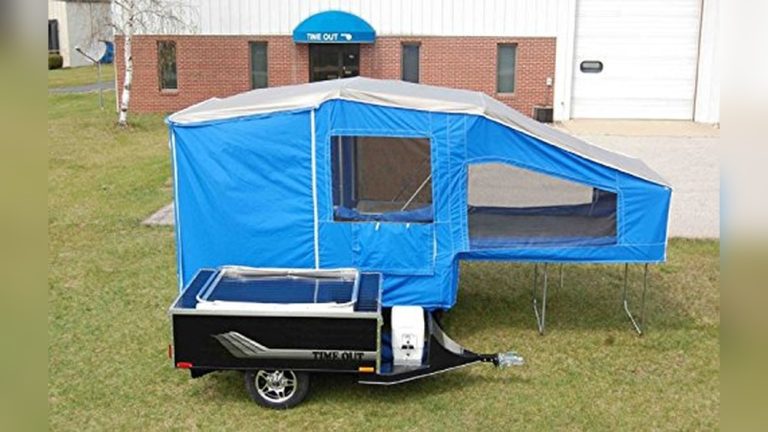
- Tent: Choose a lightweight, compact tent. A one-person tent saves space, but a two-person tent gives you more room for gear.
- Sleeping bag: Pick a sleeping bag rated for the coldest temperature you expect. Down bags pack smaller but cost more.
- Sleeping pad: It’s not just for comfort—a pad also insulates you from cold ground.
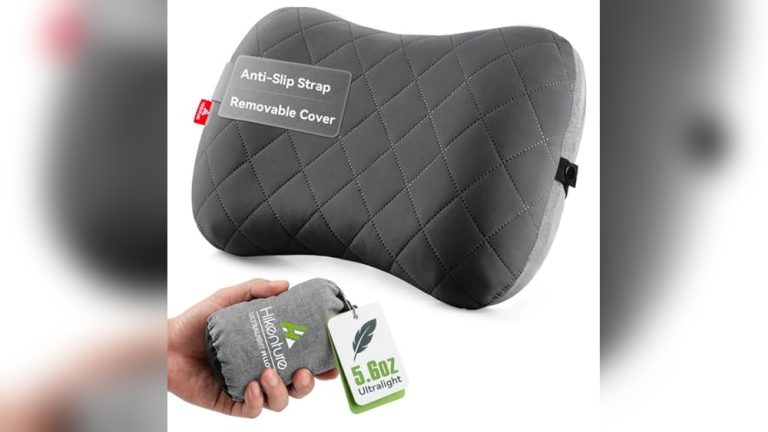
- Pillow: A small inflatable pillow or a stuff sack filled with clothes works well.
Cooking And Food
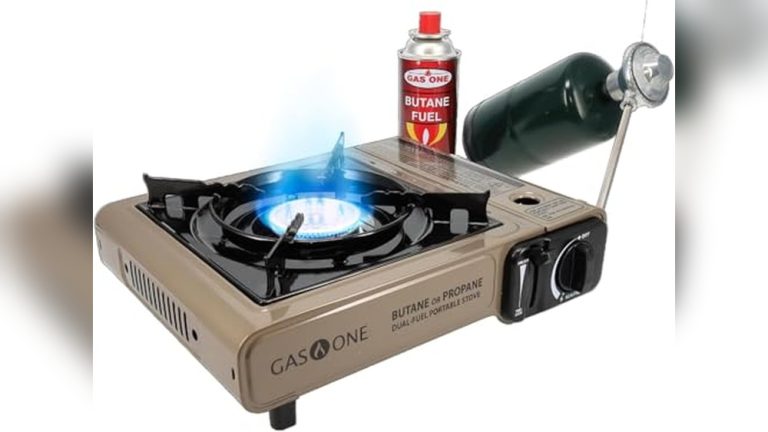
- Stove: A compact camp stove lets you cook basic meals. Canister stoves are easy to use.
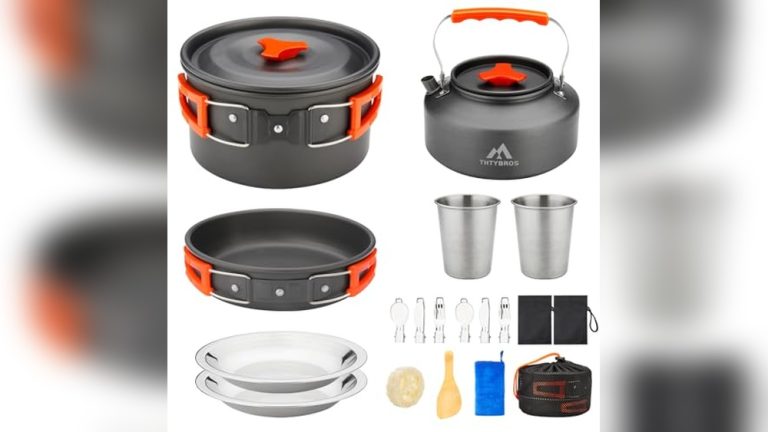
- Cookware: One small pot and a metal cup are usually enough.
- Utensils: Bring a spork or lightweight fork and spoon.
- Food: Dehydrated meals, instant noodles, oatmeal, nuts, and jerky are popular choices.
- Water: Carry enough for at least a day, plus a filter or purification tablets for emergencies.
Clothing
- Riding gear: Helmet, jacket, gloves, boots, and armored pants. Safety comes first.
- Camping clothes: Warm base layers, a mid-layer (fleece or down), rain gear, and a hat.
- Extra socks and underwear: These make a big difference in comfort.
Tools And Maintenance
- Basic tool kit: Your bike’s kit plus a few extras like tire levers and a multitool.
- Tire repair kit: For fixing flats on the road.
- Chain lube: A small bottle to keep your chain running smoothly.
- Duct tape and zip ties: For quick fixes.
Safety And Navigation
- First aid kit: Include bandages, antiseptic, pain relievers, and any personal medications.
- Headlamp or flashlight: A headlamp is best, leaving your hands free.
- Power bank: To keep your phone and devices charged.
- Maps and GPS: Don’t rely only on your phone—paper maps are a good backup.
Personal Items
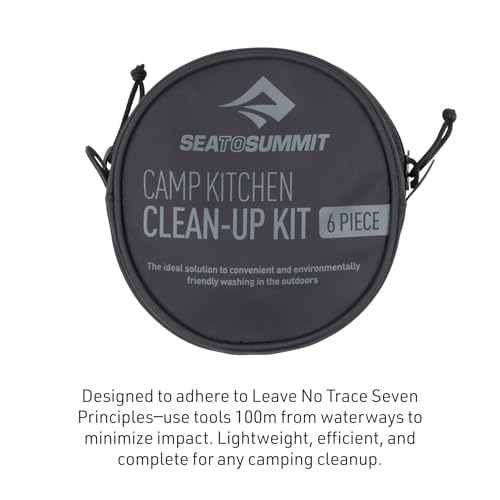
- Toiletries: Toothbrush, toothpaste, biodegradable soap, quick-dry towel, and wet wipes.
- Insect repellent and sunscreen: These make camping much more comfortable.
- Trash bags: Always pack out what you bring in.
Optional But Helpful
- Camp chair: Lightweight folding chairs add comfort but take space.
- Camera or journal: For capturing memories.
Example Packing List For A 3-day Trip
| Category | Essential Items | Weight Estimate |
|---|---|---|
| Shelter | Tent, sleeping bag, pad, pillow | 6 lbs (2.7 kg) |
| Cooking | Stove, pot, utensils, food, water | 7 lbs (3.2 kg) |
| Clothing | Riding gear, camp clothes, socks/underwear | 8 lbs (3.6 kg) |
| Tools | Tool kit, tire repair, chain lube | 2 lbs (0.9 kg) |
| Other | First aid, headlamp, toiletries, extras | 3 lbs (1.4 kg) |
Non-obvious tip: Ultralight backpacking gear can be expensive, but it saves space and weight—consider renting or buying used if you’re just starting.

Credit: www.youtube.com
Choosing The Right Motorcycle
Not every motorcycle is ideal for camping, but almost any bike can work with the right setup. The key factors are comfort, cargo capacity, and reliability. Here’s how to pick and prepare your ride:
- Adventure bikes: These are built for long distances and rough roads. They handle extra weight well and often come with luggage racks.
- Touring bikes: Designed for comfort and cargo, great for paved roads.
- Dual-sport bikes: Lighter and more off-road capable, but may have less storage.
- Standard/naked bikes: Can work with soft luggage, but less weather protection.
Modifying Your Bike For Camping
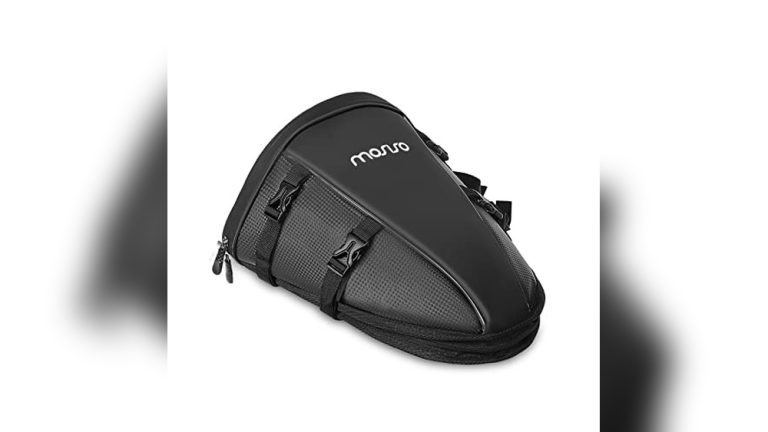
- Luggage systems: Hard cases, soft panniers, or a dry bag strapped to the rear seat are common choices.
- Crash protection: Engine guards and handguards protect your bike (and you) during falls.
- Lighting: Extra lights help if you ride at night.
- Windshield: Reduces fatigue on long rides.
Motorcycle Comparison Table
Here’s a quick look at how popular motorcycle types compare for solo camping:
| Type | Comfort | Cargo Capacity | Off-road Ability | Best For |
|---|---|---|---|---|
| Adventure | High | Excellent | Good | Long, mixed-terrain trips |
| Touring | Very High | Excellent | Poor | Paved roads, comfort |
| Dual-Sport | Medium | Limited | Excellent | Off-road, light gear |
| Standard | Medium | Fair | Poor | Short trips, light packing |
Insider advice: Don’t let the bike stop you! Riders have camped on everything from scooters to sport bikes. Good packing and a positive attitude matter most.
Packing Smart: Space, Weight, And Balance
Packing for solo motorcycle camping is a skill. You have to fit all your gear into small spaces and keep your bike safe to ride. The secret? Pack light, pack tight, and pack right.
- Weight distribution: Keep heavy items low and close to the center. This helps your bike handle better.
- Use packing cubes or dry bags: Separate gear by type—clothes, cooking, tools—so you can find things easily.
- Soft vs. hard luggage: Soft panniers are lighter and safer in a crash, but hard cases offer more protection from rain and theft.
- Don’t overpack: Most beginners bring too much. You really can survive with less.
Example Packing Setup
- Left pannier: Cooking gear and food.
- Right pannier: Clothes and sleeping gear.
- Top case or rear bag: Tools, first aid, rain gear.
- Tank bag: Maps, camera, snacks, phone.
Overlooked detail: Leave room for food and water you may buy on the road. If your bags are full at the start, you’ll struggle to add anything new.

Credit: www.reddit.com
Planning Your Route And Campsites
Good planning is the backbone of a successful solo trip. You want to balance adventure with safety and comfort.
Route Planning Tips
- Set realistic daily distances: 150-300 miles (240-480 km) per day is comfortable, especially if you want time to explore.
- Mix up road types: Highways get you there fast, but back roads and scenic byways offer better views and less traffic.
- Know your fuel range: Some remote areas have few gas stations. Carry extra fuel if needed.
- Watch the weather: Check forecasts before you leave, and have backup plans for storms.
Finding Campsites
- Public campgrounds: National and state parks are reliable and often have bathrooms and water.
- Dispersed camping: In many national forests and Bureau of Land Management (BLM) lands, you can camp for free in undeveloped areas. Follow Leave No Trace rules.
- Private campgrounds: These offer more amenities but cost more.
- Stealth camping: Setting up camp in non-designated spots is risky and often not legal. Only do this if you understand local laws and are respectful.
Campsite Comparison Table
| Type | Cost | Facilities | Privacy | Availability |
|---|---|---|---|---|
| Public Campground | $10–$35/night | Bathrooms, water, fire pits | Low–Medium | High (book early) |
| Dispersed | Free | None | High | High (but remote) |
| Private | $20–$60/night | Showers, Wi-Fi, stores | Low | High |
| Stealth | Free | None | Very High | Unpredictable |
Non-obvious insight: Many motorcycle-friendly campgrounds allow you to share sites with other riders for a reduced rate—ask at check-in.
Setting Up Camp: What Matters Most
Arriving at your campsite is a relief, but your work isn’t done. Setting up camp the right way ensures a safe and restful night.
Picking The Best Spot
- Flat ground: Always choose flat, dry ground for your tent.
- Away from hazards: Avoid camping under dead trees (widowmakers) or too close to water (flood risk).
- Access to your bike: Keep your motorcycle close but not blocking your tent exit.
- Wind protection: Use natural barriers like bushes or rocks to block wind.
Setting Up Efficiently
- Park your bike on stable ground, using a kickstand pad if needed (a crushed can works in soft soil).
- Lay out your tent, sleeping pad, and bag.
- Set up your stove and prepare food before dark.
- Hang up wet gear to dry overnight.
Keeping Gear Safe
- Lock your bike: Use a disc lock or cable lock, even in remote areas.
- Hide valuables: Keep them inside your tent or locked in your luggage.
- Cover your bike: A simple cover keeps attention away and protects from weather.
Surprising tip: Many animals are attracted to the smell of food and toiletries. Store these away from your sleeping area, or use a bear canister if in bear country.
Cooking And Eating On The Road
Food is fuel, and good meals keep your spirits high. But cooking on a motorcycle trip needs to be simple, fast, and mess-free.
Easy Meal Ideas
- Breakfast: Instant oatmeal, granola bars, instant coffee.
- Lunch: Tortillas with peanut butter, tuna packets, jerky, trail mix.
- Dinner: Dehydrated meals (just add hot water), instant noodles, rice and beans.
Cooking Tips
- Use as few pots and utensils as possible—cleanup is easier.
- Carry spices or hot sauce to make simple food taste better.
- Plan for at least one no-cook meal in case you arrive late or tired.
Water And Hygiene
- Always treat water from streams or lakes.
- Bring hand sanitizer and clean up before eating.
- Dispose of waste water at least 200 feet from water sources.
Practical insight: Many rest stops and gas stations have microwaves—consider packing one or two microwave meals for emergencies.
Safety And Security For Solo Riders
Traveling alone means you need to be extra careful. Here are the most important safety tips:
Personal Safety
- Share your route: Tell a friend or family member where you’re going and check in daily if possible.
- Stay aware: Trust your instincts—if a place feels unsafe, move on.
- Avoid riding at night: It’s harder to see animals, obstacles, or road hazards.
Bike Security
- Park in visible areas: Near your tent or in well-lit places.
- Use multiple locks: Thieves are less likely to target a well-secured bike.
- Don’t leave valuables in plain sight.
Health And Emergencies
- First aid skills: Know how to treat minor injuries or insect bites.
- Carry extra medication: If you need it daily, bring spares.
- Emergency contacts: Program local emergency numbers into your phone.
Hidden danger: Dehydration is common on long rides. Drink more water than you think you need, especially in hot climates.

Credit: www.youtube.com
Weather Challenges And How To Prepare
Weather is unpredictable, and solo riders must be ready for anything.
Dealing With Rain
- Waterproof gear: Invest in a good rain suit and waterproof gloves.
- Pack gear in dry bags: Even hard cases can leak.
- Ride slower: Wet roads reduce traction.
Handling Cold
- Layer up: Wear multiple thin layers for better warmth.
- Use heated grips or vests: They make cold mornings bearable.
- Change out of wet clothes quickly: Hypothermia is a real risk.
Beating The Heat
- Light, breathable riding gear: Mesh jackets are a good choice.
- Take breaks in the shade.
- Avoid riding during the hottest part of the day.
Advanced tip: Check for altitude changes on your route. Higher elevations can be much colder than expected, even in summer.
Dealing With Common Problems
No trip goes exactly as planned. Here’s how to handle some common solo camping issues:
Flat Tire
- Find a safe spot to stop.
- Use your repair kit to plug or patch the tire.
- Carry a compact air pump or CO2 cartridges.
Lost Or Dead Phone
- Always carry a paper map as backup.
- Use a whistle or bright gear to signal for help if needed.
Bike Won’t Start
- Check basics: Fuel, battery, kill switch.
- Carry jumper cables or a small jump starter.
- Know how to push-start your bike (works for some models).
Illness Or Injury
- Rest and assess—don’t push yourself if you feel really sick.
- Use your first aid kit.
- If serious, call for help or ride to the nearest town.
Lesser-known trick: If you drop your bike, use the “back to the bike” lift—face away from the bike, grab the handlebars and seat, and walk backward to lift using your legs.
The Solo Rider’s Mindset: Enjoying The Journey
Traveling alone isn’t just about logistics—it’s about mindset. Many new solo campers worry about loneliness or boredom. The truth? Most riders find solo trips deeply rewarding.
- Be open to new experiences: Say hello to fellow campers or locals.
- Keep a journal: Writing down your thoughts helps process the day.
- Take breaks to enjoy the scenery: Don’t rush from point A to B.
Unexpected benefit: Solo camping often leads to spontaneous adventures—like joining other riders for a meal or discovering a hidden waterfall.
Environmental Responsibility
As a solo camper, you leave a bigger impact on the places you visit than you might think. It’s your job to minimize your footprint.
- Pack out all trash: Even biodegradable items.
- Use existing campsites: Don’t make new fire rings or clear new spots.
- Respect wildlife: Watch from a distance, never feed animals.
- Follow fire rules: Many areas have fire bans—always check first.
For more on responsible camping, the Leave No Trace Center for Outdoor Ethics offers helpful guidelines.
Frequently Asked Questions
What Is The Best Motorcycle For Solo Camping?
There’s no single “best” motorcycle—adventure bikes and touring bikes offer the most comfort and storage, but any reliable bike can work. Focus on what fits your riding style, the terrain you’ll cover, and how much gear you plan to bring.
How Do I Stay Safe When Camping Alone?
Always share your plans with someone, trust your instincts about people and places, and choose campsites in safe, legal areas. Lock your bike, keep valuables hidden, and don’t hesitate to move if you feel uncomfortable.
What’s The Most Important Gear To Bring?
The most critical gear includes a tent, sleeping bag, first aid kit, and basic tools. Don’t forget your phone, a charger, and a backup way to navigate (like paper maps).
How Do I Find Good Campsites On My Route?
Research before you go—public campgrounds and national forests offer reliable options. Motorcycle forums and apps like iOverlander can help you discover hidden gems and rider-friendly spots.
What’s The Biggest Mistake Beginners Make?
The most common mistake is overpacking. It’s easy to bring too much “just in case,” but this makes riding harder and less enjoyable. Start with the basics, and adjust your setup as you gain experience.
—
Solo motorcycle camping is the ultimate blend of freedom, challenge, and self-discovery. Every ride brings new lessons and stories. With smart planning and the right attitude, you’ll find that the open road and a night under the stars offer more than just adventure—they give you a sense of connection and accomplishment that lasts long after the trip is over.
So pack your bags, check your bike, and start your own journey—the world is waiting, one campsite at a time.