How to Make Tent Camping More Comfortable: Expert Tips & Tricks

Tent camping is a wonderful way to connect with nature, escape from daily routines, and create memorable experiences. However, many people struggle to make their tent camping trips truly comfortable. If you’ve ever spent a sleepless night shivering in your tent or woke up with a sore back, you know how important comfort can be.
The good news is, tent camping doesn’t have to mean roughing it. With the right planning, gear, and practical tips, you can turn your campsite into a cozy retreat. Whether you’re a beginner or a seasoned camper, this guide will help you make tent camping more comfortable, so you can focus on relaxing and enjoying the great outdoors.
Choose The Right Tent For Comfort
Your tent is your home away from home. Selecting the right tent can make a huge difference in your camping comfort.
Tent Size Matters
Many beginners make the mistake of buying a tent that’s too small. Manufacturers often label tents as “2-person,” “4-person,” etc., but these numbers are based on sleeping bags placed close together. For real comfort, choose a tent that’s one size larger than your group. For example, if two people are camping, use a 3-person tent. This extra space allows room for gear, movement, and even sitting up comfortably.
Tent Shape And Design
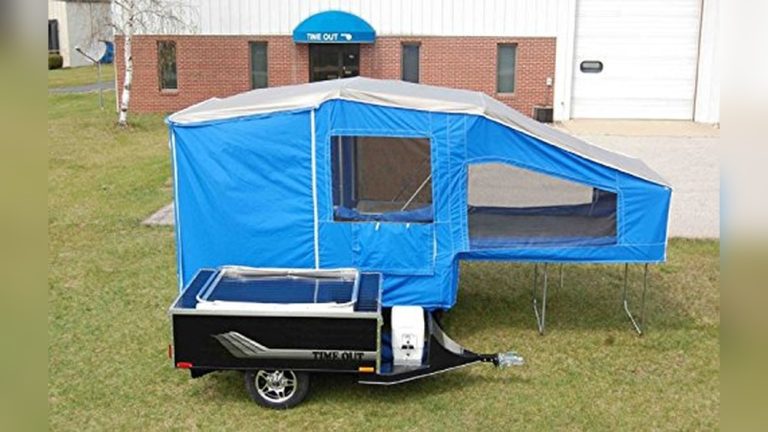
Dome tents are popular for their wind resistance, but cabin-style tents offer more headroom and space to stand. If comfort is your priority, cabin tents are a great option. Look for tents with a vestibule or awning for extra storage and shade. Good ventilation is also key—choose tents with multiple windows or mesh panels to prevent stuffiness.
Weather Protection
Make sure your tent is waterproof and has a rainfly that covers the whole tent. Leaky tents can ruin a trip. Check reviews for real-world feedback about the tent’s performance in rain and wind. If you camp in hot climates, a tent with UV protection is worth considering.
Quick Comparison
Here’s a quick comparison of tent types for comfort:
| Type | Headroom | Ease of Setup | Ventilation | Weather Protection |
|---|---|---|---|---|
| Dome | Moderate | Easy | Good | Good |
| Cabin | Excellent | Moderate | Very Good | Good |
| Tunnel | Good | Moderate | Excellent | Moderate |
Select The Best Campsite Location
Even the best tent won’t help if you pick a poor spot. Where you set up your tent affects your comfort all night.
Look For Flat, Dry Ground
Avoid slopes and low areas where water can collect. Flat, dry ground helps you sleep well and keeps you away from puddles during rain. Clear away rocks, sticks, and anything that could poke through your tent floor.
Shade And Sun
Consider the sun’s path. Setting your tent in shade can keep it cooler during the day, especially in summer. But avoid pitching under old trees with dead branches—these can fall in wind.
Proximity To Water
Being near water is handy, but not too close. Choose a spot at least 200 feet from rivers or lakes. This reduces bugs and keeps you safe from flooding.
Wind Direction
Face your tent door away from strong winds. If possible, use natural windbreaks like bushes or hills to shield your tent.
Quiet And Privacy
For a peaceful experience, avoid busy trails or campsites. Look for spots that offer privacy and quiet, away from crowds.

Credit: americanwildernesscampground.com
Invest In A Quality Sleeping System
A good night’s sleep is essential for comfort. Your sleeping setup includes a sleeping pad, sleeping bag, and pillow.
Sleeping Pads: Types And Benefits
Sleeping pads insulate you from the cold ground and provide cushion. There are three main types:
- Foam Pads: Lightweight, durable, but can be thin.
- Self-Inflating Pads: Offer more comfort, easy to use, but heavier.
- Air Pads: Very comfortable, adjustable firmness, but can puncture.
For most campers, self-inflating pads or thick air pads provide the best comfort.
Sleeping Bags: Temperature And Shape
Choose a sleeping bag rated for the coldest temperature you expect. If you’re unsure, pick a bag that’s 10°F colder than the forecast. The shape also matters:
- Mummy bags: Warm and compact, but less room to move.
- Rectangular bags: More space, better for comfort.
- Double bags: Good for couples.
Pillows And Extra Comfort
Don’t underestimate a pillow. Bring a compact camping pillow or use a stuffed sack of clothes. Some campers bring inflatable pillows, but foam or down pillows offer better support.
Comparison Of Sleeping Pads
| Pad Type | Comfort Level | Weight | Durability | Insulation |
|---|---|---|---|---|
| Foam | Basic | Light | Excellent | Good |
| Self-Inflating | Very Good | Moderate | Good | Excellent |
| Air | Excellent | Light | Moderate | Very Good |
Create A Cozy Tent Interior
A tent can feel much more comfortable with a few simple touches.
Use A Groundsheet Or Footprint
Place a groundsheet under your tent. This protects the tent floor and adds a layer against moisture. It also helps with insulation.
Bring Soft Lighting
Bright flashlights can be harsh. Use LED lanterns or string lights to make your tent cozy and welcoming. Warm light is better for relaxing.
Organize Your Gear
Keep your tent tidy. Use hanging organizers or small bins for personal items. Store shoes outside or in a vestibule to keep dirt out.
Decorate For Comfort
Add a small rug, blanket, or even a battery-powered fan. These make the tent feel like home. If you camp with kids, let them bring a favorite toy or book.
Keep Bugs Out
Seal zippers and use bug nets for doors and windows. This keeps insects outside and improves sleep quality.
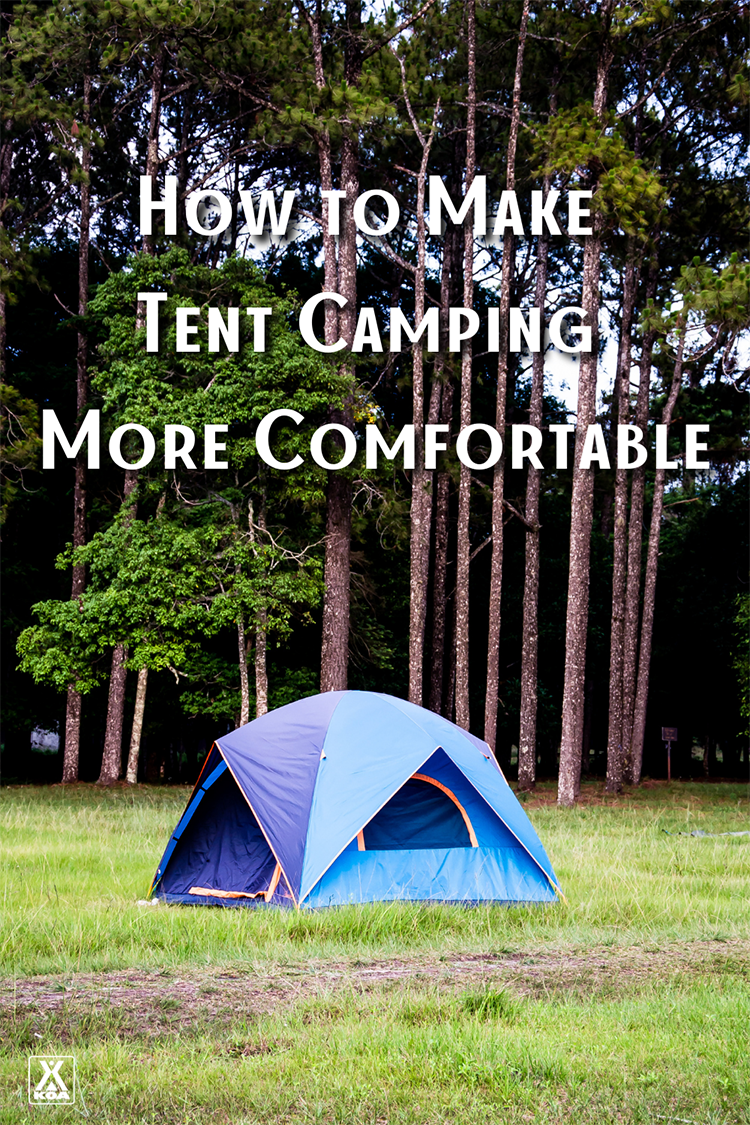
Credit: koa.com
Dress For Comfort
Wearing the right clothes is key to comfortable camping, especially at night.
Layering Is Essential
Weather can change quickly. Wear layers so you can adjust as needed. Start with a moisture-wicking base layer, add a warm middle layer, and finish with a waterproof jacket if needed.
Choose Fabrics Wisely
Cotton can stay wet and cold. For camping, use synthetic or wool fabrics. These dry fast and keep you warm even if damp.
Warm Socks And Hat
Feet and head lose heat quickly. Bring thick socks and a warm hat for sleeping, especially in cold weather.
Change Clothes Before Bed
Change into clean, dry clothes before sleeping. This helps you feel fresh and avoids chills from sweat.
Eat Well For Comfort
Food is not just fuel—it boosts your mood and warmth. Eating the right foods can help you sleep better and feel more comfortable.
Plan Easy, Hot Meals
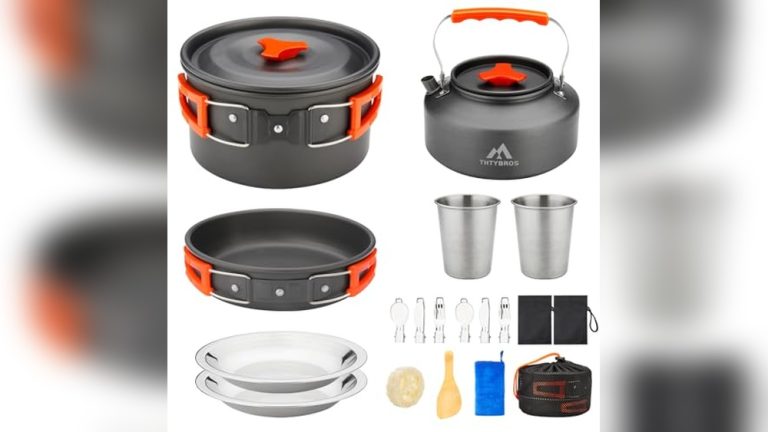
Bring foods that are easy to cook and filling. Hot meals like soup, pasta, or oatmeal provide warmth and comfort. Avoid complicated recipes unless you’re experienced.
Snacks For Energy
Keep snacks like trail mix, energy bars, or fruit handy. These help maintain energy during the day and can be eaten in the tent if needed.
Hydration
Drink enough water, but not too much before bed. This avoids nighttime trips outside. Use an insulated bottle to keep water cool or hot.
Safe Food Storage
Store food in sealed containers. Attracting animals is uncomfortable and dangerous. Use bear-proof canisters if needed.
Stay Warm And Dry
Staying warm and dry is the foundation of comfort. Even summer nights can get cold.
Insulate Your Tent
If camping in cold weather, use a tent with a double wall. Add blankets or sleeping bag liners for extra warmth.
Keep Moisture Out
Ventilate your tent to reduce condensation. Wet gear and clothes should be stored outside or in a vestibule.
Use Hot Water Bottles
Fill a hot water bottle and place it in your sleeping bag before bed. This trick can add warmth for hours.
Drying Wet Clothes
Hang wet clothes outside or in a sheltered area. Avoid bringing them inside the tent.
Rain Gear
Bring a rain jacket, poncho, and waterproof boots. Always have spare socks.
Add Extra Comfort Items
Some items aren’t essential, but make camping much more enjoyable.
Camp Chairs
A folding camp chair provides a comfortable seat around the fire or inside your tent. Sitting on the ground can be uncomfortable for long periods.
Portable Tables
Small tables are useful for eating, playing games, or organizing gear.
Hammocks
If trees are available, a hammock is a relaxing spot for reading or napping.
Earplugs And Eye Masks
Nature can be noisy—wind, animals, or other campers. Earplugs and eye masks help you sleep better.
Portable Fans Or Heaters
Battery-operated fans are great for hot weather. Electric heaters (for campsites with power) can make cold nights more comfortable.
Practice Good Hygiene
Staying clean improves both comfort and health.
Hand Washing
Bring soap, hand sanitizer, and a wash basin. Clean hands before eating or touching your face.
Toiletries
Pack toothbrush, toothpaste, wet wipes, and deodorant. Wet wipes are especially useful for quick cleaning.
Manage Waste
Dispose of trash properly. Use designated bins or pack out all waste. This keeps your campsite clean and comfortable.
Shower Solutions
Some campgrounds have showers. If not, portable shower bags or sponge baths can help you feel fresh. Baby powder can reduce sweat and odor.
Manage Bugs And Wildlife
Insects and animals can disturb your comfort. With the right approach, you can keep them at bay.
Mosquito Control
Use bug spray with DEET or natural repellents like citronella. Consider bringing mosquito coils or battery-powered repellents.
Ticks And Other Pests
Wear long pants and sleeves. Check for ticks after spending time in grass or woods.
Animal Safety
Store food away from your tent. Never leave snacks inside. Follow campground rules for wildlife safety.
Comparison Of Repellents
| Repellent Type | Effectiveness | Duration | Safe for Kids | Odor |
|---|---|---|---|---|
| DEET Spray | High | Long | Moderate | Strong |
| Citronella | Moderate | Short | Excellent | Mild |
| Picaridin | High | Long | Excellent | Mild |
| Electronic | Variable | Depends | Excellent | None |
Prepare For Weather Changes
Weather is unpredictable, and being ready makes camping much more comfortable.
Check Weather Forecasts
Before your trip, check local weather using reliable sources. Bring gear for rain, cold, or heat even if the forecast looks good.
Shelter Solutions
If your tent is not enough, bring a tarp for extra shelter. Tarps can protect against rain, wind, or sun.
Adjust Your Routine
If rain is expected, plan indoor activities or games. If it’s hot, focus on shade and hydration.
Plan Activities For Relaxation
Comfort isn’t just physical. Mental relaxation is just as important.
Bring Books Or Games
Reading, playing cards, or board games help pass time and relax. Choose lightweight activities.
Practice Mindfulness
Take time to enjoy nature. Practice deep breathing, watch birds, or meditate. This improves mood and overall comfort.
Socializing
Share stories, cook together, or sing songs. These activities create a cozy atmosphere.
Safety And Security For Peace Of Mind
Feeling safe is a big part of comfort. Simple steps can prevent problems.
Secure Your Tent
Lock zippers or use small padlocks if worried about theft. Keep valuables hidden.
Emergency Supplies
Carry a first aid kit, flashlight, and whistle. Know the location of the nearest help.
Know Your Surroundings
Learn about local wildlife, terrain, and emergency contacts. This knowledge brings peace of mind.
Save Time And Effort With Smart Packing
Packing smarter means less stress and more comfort at camp.
Make A Checklist
List all items before packing. Double-check essentials like sleeping gear, food, and clothing.
Use Packing Cubes
Packing cubes help organize gear and make it easy to find things.
Don’t Overpack
Bring only what you need. Heavy bags make camping harder. Focus on items that improve comfort.

Credit: beavermeadowcampground.com
Non-obvious Insights For Extra Comfort
Many campers overlook these simple but effective tips:
- Sleep Position: If you have back pain, sleep with a pillow under your knees or try sleeping on your side with a pillow between your legs.
- Tent Orientation: Set your tent so your head is uphill if sleeping on a slight slope. This prevents headaches and improves sleep.
- Pre-Chill Sleeping Bag: In hot weather, place your sleeping bag in the shade or cool area before bedtime. This makes falling asleep easier.
- Morning Routine: Prepare breakfast items the night before. A quick meal in the morning helps you start the day comfortably.
- Pre-Camp Test: Set up your tent and sleep system at home before your trip. This helps spot problems and ensures everything works.
FAQs (How to Make Tent Camping More Comfortable)
How Can I Stay Warm In A Tent During Cold Nights?
To stay warm, use a sleeping bag rated for low temperatures, add a sleeping pad for insulation, and wear warm clothes. Place a hot water bottle in your sleeping bag and make sure your tent is ventilated to reduce condensation. Avoid sleeping directly on the ground.
What Is The Best Way To Keep Bugs Out Of My Tent?
Seal all zippers and use bug nets for doors and windows. Apply insect repellent to skin and clothing, and keep food stored away from the tent. Avoid camping near water and long grass, which attract insects.
How Do I Choose The Right Tent Size For Comfort?
Select a tent one size larger than your group. For example, if you have two people, choose a 3-person tent. This gives extra space for gear and movement. Consider headroom and ventilation for added comfort.
What Should I Do If It Rains During My Camping Trip?
Bring a waterproof tent with a full rainfly, use a groundsheet, and pack rain gear like jackets and boots. Set up a tarp for extra shelter. Keep wet clothes and gear outside the tent to avoid moisture inside.
Can I Make Tent Camping Comfortable With Kids?
Yes! Bring familiar items like toys or books, use a larger tent for space, and add soft lighting. Plan easy meals and activities. Make sure kids have warm clothes and a comfortable sleeping setup.
Camping is about enjoying the outdoors, but comfort makes the experience much better. With the right tent, cozy sleeping gear, smart packing, and attention to details, you can turn any campsite into a relaxing retreat. Remember, comfort is not just about gear—it’s about planning, preparation, and a positive attitude. Whether you camp solo, with friends, or family, these tips help you sleep well, stay warm, and truly enjoy your time in nature. For more expert camping advice, visit REI Camping Expert Advice and make your next adventure more comfortable than ever.