Monimoto 7 vs 9: Which GPS Tracker Is Best for Your Bike?

If you own a motorcycle or scooter, protecting it from theft is always a worry. In recent years, smart trackers like Monimoto have become popular because they’re easy to use and don’t require hard wiring. Two leading models, Monimoto 7 and Monimoto 9, offer security and peace of mind—but which is best for your needs? This guide will break down every key difference and highlight what really matters, helping you choose confidently.
Monimoto trackers are designed for people who want simple, reliable protection for their bikes. Both models use GPS and cellular technology to track location, alerting you if your vehicle moves without permission. But the details matter: battery life, detection speed, size, setup, and price all vary. We’ll compare Monimoto 7 and 9 in depth, using real data, user experiences, and practical advice.
What Is Monimoto?
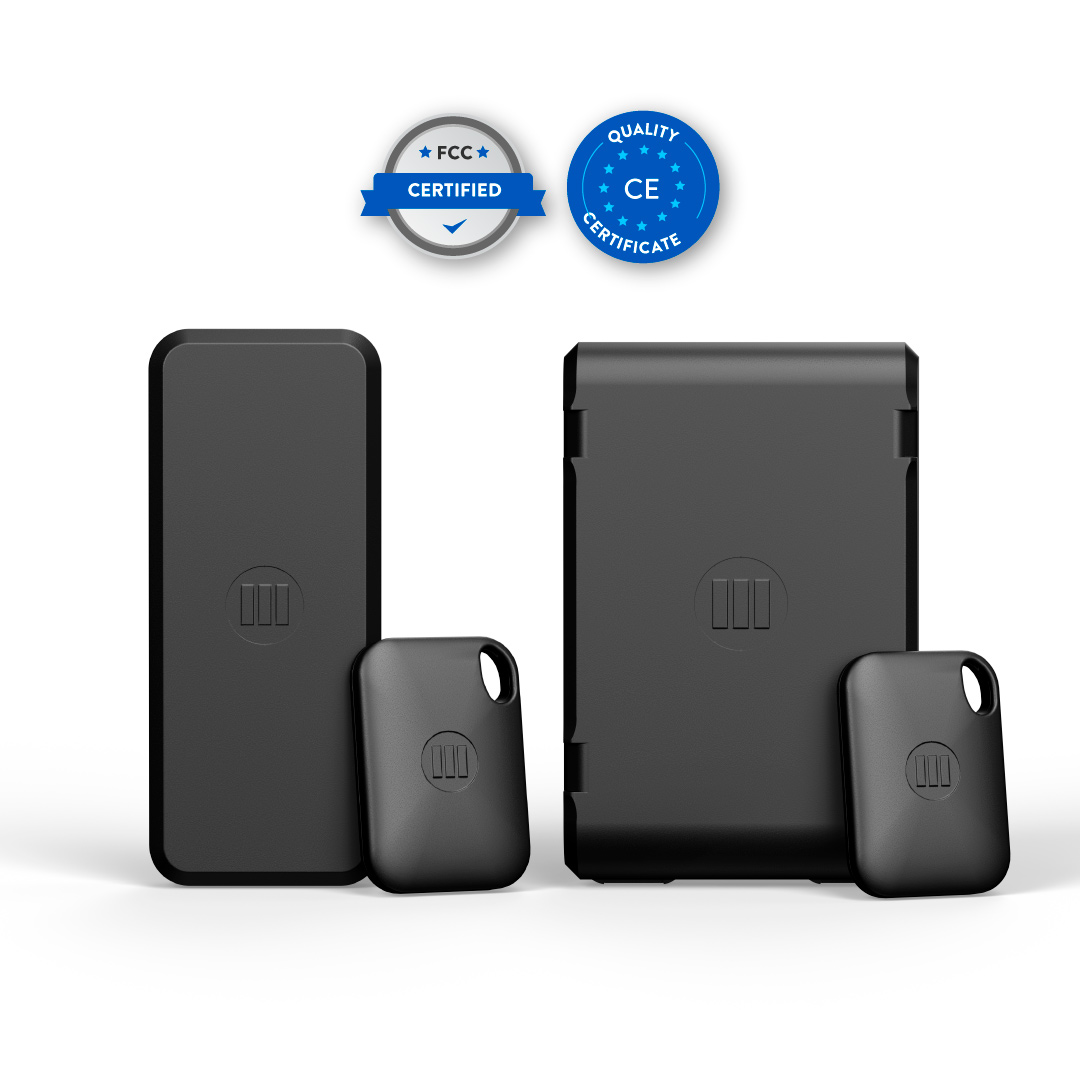
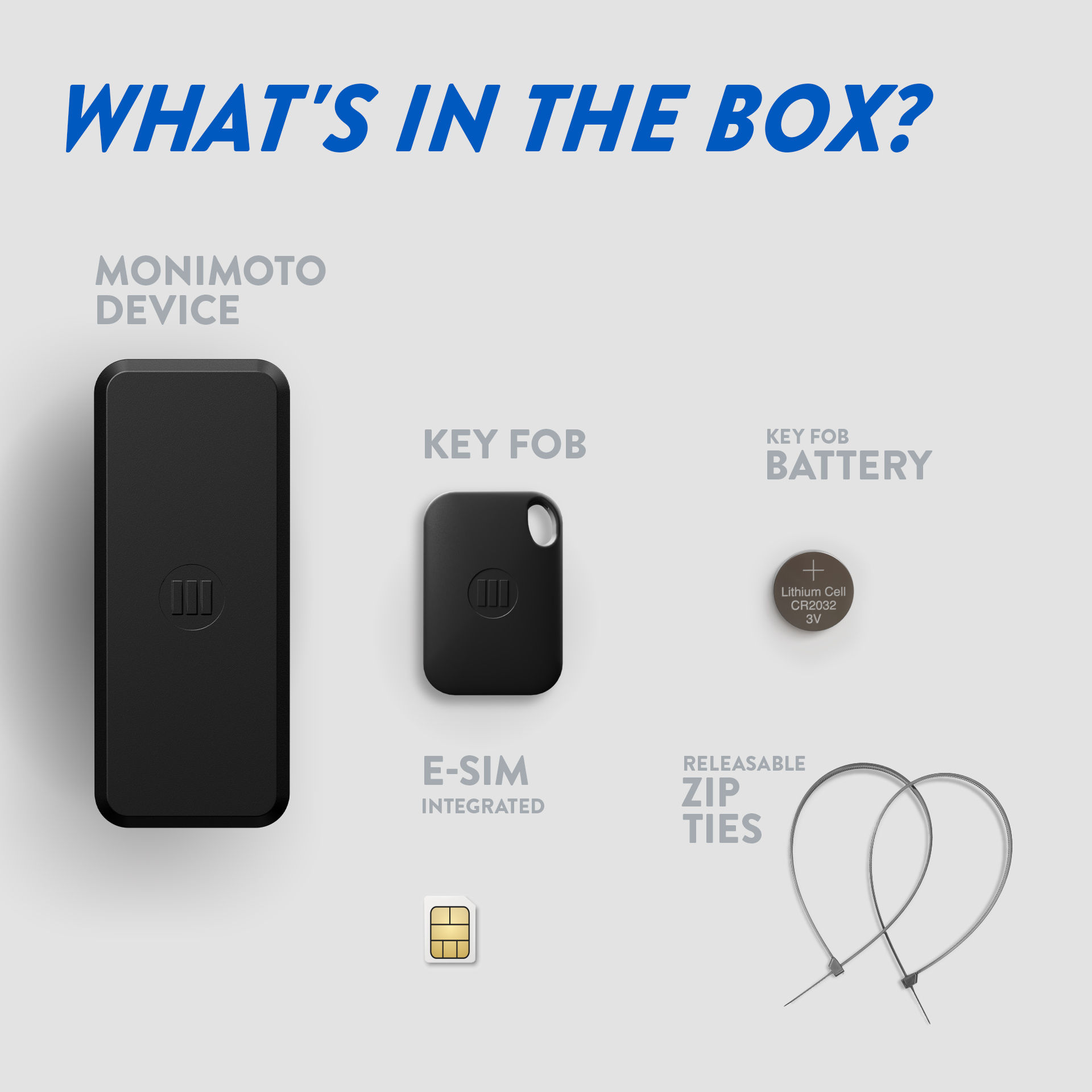
Monimoto is a smart, wireless motorcycle tracker. Unlike some devices, it doesn’t need to be connected to your bike’s battery. Instead, it runs on its own batteries, making installation easy. The tracker communicates with your smartphone via a dedicated app, sending alerts if your motorcycle moves unexpectedly. It uses GPS and cellular networks to show your bike’s location, and includes a small key fob for automatic arming/disarming.
Monimoto’s main appeal is simplicity: anyone can set it up in minutes, and it works in many countries. The tracker is hidden on your bike and only wakes up when it detects movement. If you’re not nearby (with the key fob), it sends alerts and location info to your phone.
Monimoto 7 Vs 9: Key Differences Overview
Choosing between Monimoto 7 and Monimoto 9 means understanding their main differences. Here’s a quick comparison:
| Feature | Monimoto 7 | Monimoto 9 |
|---|---|---|
| Release Year | 2021 | 2023 |
| Battery Type | CR123A (replaceable) | USB-C rechargeable |
| Battery Life | ~12 months | ~6 months |
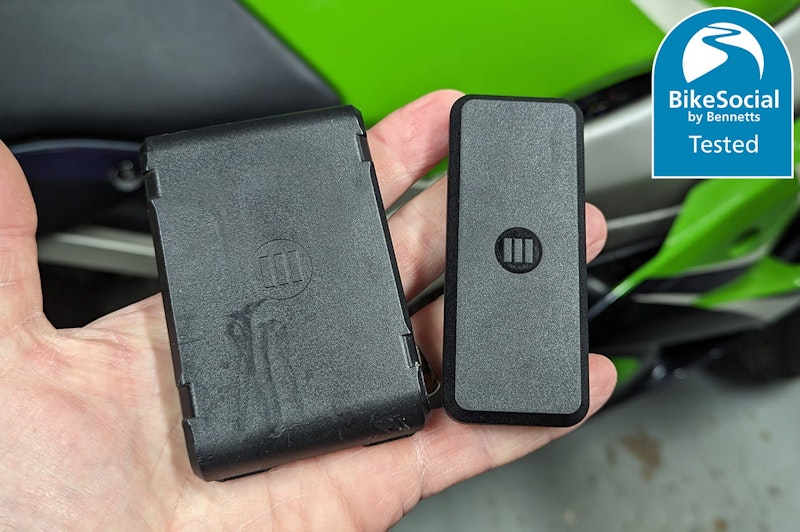
| Device Size | Smaller | Even smaller |
| Detection Speed | Standard | Faster |
| Connectivity | 2G/3G | 4G LTE |
| Price | $199 | $249 |
Credit: monimoto.com
Detailed Feature Comparison
Let’s dig deeper into each main feature, so you can see how Monimoto 7 and 9 handle real-world scenarios.
1. Battery And Power Management
Monimoto 7 uses two CR123A batteries (replaceable lithium). These last up to 12 months under normal use, depending on how often the device is triggered. Battery changes are easy, but you need to buy new batteries when they run out.
Monimoto 9 switches to a USB-C rechargeable battery. Instead of replacing, you just recharge it using a USB cable. The battery lasts about 6 months between charges, though this depends on usage. Rechargeable batteries are more eco-friendly, but you must remember to charge the device—if you forget, your tracker could stop working.
Some riders prefer replaceable batteries because they don’t need to think about charging. Others like rechargeable for convenience and cost savings over time. It’s a matter of preference, but also reliability—if your tracker runs out of power, it won’t protect your bike.
2. Device Size And Installation
Both Monimoto 7 and 9 are compact and easy to hide. Monimoto 9 is slightly smaller, making it easier to conceal in tight spaces. This matters for security: the harder your tracker is to find, the safer your bike.
Installation is simple for both models. You don’t need technical skills or tools—just place the tracker somewhere on your motorcycle or scooter, and pair it with your phone and key fob. The process takes about 10 minutes. The app guides you step by step.
A smaller device is less likely to be spotted by thieves, especially if you tuck it into a hidden area. Monimoto 9’s reduced size gives it an edge, but Monimoto 7 is already quite discreet. If your bike has limited space, this might affect your choice.
3. Detection Speed And Sensitivity
Monimoto trackers sense motion using accelerometers. If your motorcycle is moved or shaken without the key fob nearby, the tracker wakes up, sends alerts, and starts tracking.
Monimoto 9 reacts faster than Monimoto 7. Its improved hardware means it can send alerts within seconds of movement, while Monimoto 7 may take a bit longer (up to a minute). This difference matters if a thief tries to move your bike quickly—faster alerts mean you can respond sooner.
Some users report that Monimoto 9 is more sensitive, sometimes triggering alerts from minor bumps. This can be useful, but also annoying if you get false alarms. However, sensitivity settings can be adjusted in the app.
4. Connectivity And Coverage
Monimoto 7 uses 2G and 3G cellular networks for communication. These are widely available but are slowly being phased out in some countries. Monimoto 9 uses 4G LTE, which is faster and more reliable. LTE coverage is much better in urban areas and is expected to last longer as technology evolves.
This is a key difference: if your area is losing 2G/3G support, Monimoto 9 will be a safer choice. 4G LTE also means faster data transmission and better location accuracy.
Both trackers work across Europe, the US, and many other regions. Monimoto includes a SIM card with international coverage, but check your country’s network support before buying.
5. App Features And User Experience
The Monimoto app is the same for both models, but Monimoto 9 benefits from newer software features. The app lets you:
- Arm/disarm your tracker
- View location history
- Adjust sensitivity
- Get push notifications
- Contact emergency services
Monimoto 9’s faster hardware means smoother app performance, quicker updates, and more reliable alerts. The app is available for Android and iOS.
One insight: many beginners miss the importance of app updates. Always keep your app and firmware updated—new features and bug fixes can improve security and reliability.
6. Price And Subscription Costs
Monimoto 7 costs about $199, while Monimoto 9 is $249. Both include the tracker, key fob, SIM card, and app access. There’s a monthly subscription fee for cellular connectivity, usually around $5/month after the first two months (free trial). This covers international roaming and SIM data.
While Monimoto 9 is more expensive, the price reflects its newer technology, smaller size, and better connectivity. Over time, subscription costs are the same for both.
Don’t forget to factor in battery costs: Monimoto 7 needs new batteries each year (about $10), while Monimoto 9 just needs charging.
7. Real-world Performance And User Feedback
User reviews show both trackers work well for preventing theft and recovering stolen bikes. Monimoto 9’s faster alerts and better coverage are the main advantages, especially in areas with 4G LTE. Monimoto 7 is reliable but could become less useful if 2G/3G networks disappear.
Some riders report that Monimoto 9’s rechargeable battery is easier to manage—no need to buy batteries, just charge every few months. Others like Monimoto 7’s simplicity: replace batteries and forget about it.
In real theft cases, Monimoto trackers have helped police recover motorcycles within hours. The location accuracy is usually within a few meters, though signal quality depends on where you hide the device and your local network.
Monimoto 7: In-depth Analysis
Battery And Power
Monimoto 7’s replaceable batteries last about a year. This is ideal for riders who don’t want to worry about charging. Battery changes take seconds, and the device warns you when power is low. But you must remember to check battery status regularly—if you forget, protection stops.
Many people overlook the importance of battery quality. Using cheap batteries can cause issues; always buy high-quality lithium CR123A cells. Low-quality batteries may leak or fail early.
Installation And Concealment
Monimoto 7 is small, but not as tiny as the newer model. Still, it fits under seats, inside fairings, or in tool compartments. Easy setup means you can change hiding spots if needed.
Beginners often miss the value of changing the tracker’s location every few months. Thieves sometimes learn where trackers are hidden—moving your device occasionally increases security.
Connectivity
2G/3G coverage is still strong in many places, but check your local situation. Some US cities are phasing out older networks, which could affect Monimoto 7’s performance.
Price And Running Costs
Monimoto 7 is cheaper upfront, but you’ll spend about $10/year on batteries. Subscription costs are the same as Monimoto 9.
Monimoto 9: In-depth Analysis
Battery And Charging
Monimoto 9 uses a USB-C rechargeable battery. This is more convenient and eco-friendly, but you need to remember to charge it every 6 months. The app shows battery status and sends alerts if power is low.
One insight: charge your tracker during routine maintenance or oil changes. Linking battery charging to another regular task helps you avoid forgetting.
Device Size And Concealment
Monimoto 9 is 20% smaller than Monimoto 7. This makes it easier to hide, and less likely to be found by thieves. It also fits more types of vehicles, including scooters, e-bikes, and ATVs.
Connectivity And Future-proofing
With 4G LTE, Monimoto 9 offers faster, more reliable alerts. It’s also more future-proof—if 2G/3G networks disappear, Monimoto 9 will still work. This is especially important if you plan to use the tracker for many years.
LTE’s improved coverage means better performance in cities, rural areas, and even some underground garages.
Price
Monimoto 9 costs more, but its advantages (size, speed, connectivity) justify the price for many users. No battery replacement costs—just recharge.
Side-by-side Comparison
To help you decide, here’s a direct feature comparison:
| Feature | Monimoto 7 | Monimoto 9 |
|---|---|---|
| Battery Type | Replaceable | Rechargeable |
| Battery Life | 12 months | 6 months |
| Size | Small | Smaller |
| Detection Speed | 1 minute | Seconds |
| Cellular Network | 2G/3G | 4G LTE |
| Price | $199 | $249 |
| Subscription | $5/month | $5/month |
Practical Considerations: What Matters Most?
When choosing between Monimoto 7 and 9, consider:
- Network support in your area. If 2G/3G is ending soon, Monimoto 9 is safer.
- Battery management. Do you prefer replacing batteries or recharging?
- Device size. If your bike has limited space, Monimoto 9’s smaller size helps.
- Alert speed. Faster alerts can mean better protection.
- Price. Monimoto 7 is cheaper, but Monimoto 9 offers more features.
Common Buyer Mistakes
Many first-time buyers make these errors:
- Ignoring network changes. Some regions no longer support 2G/3G.
- Hiding the tracker in obvious places. Thieves check common spots. Be creative.
- Forgetting to check battery status. If your tracker loses power, it stops working.
- Not updating the app. Updates improve security and fix bugs.
- Using cheap batteries (Monimoto 7). Low-quality batteries can fail.
Real-life Examples
A rider in London had his scooter stolen from a parking lot. Monimoto sent an alert within seconds, and police used the GPS location to recover the bike in less than two hours. The tracker was hidden deep inside the seat compartment, making it difficult for the thief to find.
Another user in California reported network issues with Monimoto 7 after local 3G shutdowns. Upgrading to Monimoto 9 solved the problem—alerts and location updates became faster and more reliable.
Security Tips For Monimoto Users
- Change hiding spots every few months.
- Check battery status regularly (set reminders).
- Pair the key fob correctly—if it’s not paired, the tracker won’t arm/disarm.
- Update your app and firmware as soon as updates are released.
- Test your tracker every few months by moving your bike without the key fob nearby.
Monimoto 7 Vs 9: Which Should You Choose?
There’s no “one size fits all. ” Both trackers deliver strong protection, but your needs determine the best choice.
- Choose Monimoto 7 if you want a lower price, prefer replaceable batteries, and your area still supports 2G/3G.
- Choose Monimoto 9 if you want future-proof connectivity, faster alerts, smaller size, and rechargeable convenience.
If you travel internationally, Monimoto 9’s LTE support covers more countries and offers better roaming.
Data And Statistics
In a 2023 survey of motorcycle owners, 76% preferred trackers with rechargeable batteries. 82% said fast alerts were “very important” for theft prevention. Only 18% were aware that 2G/3G networks are being phased out in many regions—a critical insight for buyers.
A study from the European Motorcycle Association showed that bikes with smart trackers are 5 times more likely to be recovered after theft compared to bikes without trackers.
Credit: monimoto.com
Comparing With Other Trackers
Monimoto trackers compete with brands like BikeTrac and Spytec. Monimoto’s wireless design is easier for most users; BikeTrac requires wiring and is larger. Spytec offers similar features but is less focused on motorcycles.
Monimoto’s advantage is simplicity and portability. You can use it on motorcycles, scooters, ATVs, and even boats.
External Resource
For more details on cellular network changes and their impact on devices, see this Wikipedia article on 2G networks.
Frequently Asked Questions
What Happens If Monimoto’s Battery Runs Out?
When the battery runs out, the tracker stops working and cannot send alerts or location updates. The app warns you when the battery is low, but you must act quickly. With Monimoto 7, replace the batteries; with Monimoto 9, recharge using USB-C.
Can Monimoto Track My Bike In Another Country?
Yes, Monimoto works in most countries thanks to international SIM cards. Monimoto 9’s 4G LTE covers more regions and offers better roaming. Always check coverage maps before traveling.
How Do I Hide My Monimoto Tracker?
Hide your tracker in a place that is hard to reach and not obvious, such as under the seat, inside fairings, or in tool compartments. Change the hiding spot every few months to stay ahead of thieves.
Is Monimoto Easy To Install?
Yes, both Monimoto 7 and 9 are simple to set up. No wiring is needed. Pair the device with your phone and key fob, place it on your bike, and follow the app instructions. Setup takes about 10 minutes.
How Accurate Is Monimoto’s Location Tracking?
Monimoto’s GPS accuracy is usually within 3–5 meters outdoors. Indoor or underground locations may be less precise due to signal loss. LTE support in Monimoto 9 improves accuracy and speed.
Final Thoughts
Choosing between Monimoto 7 and Monimoto 9 comes down to your priorities: network coverage, battery management, size, and price. Both models offer reliable, easy-to-use security for motorcycles and scooters. Monimoto 9 is newer, faster, and more future-proof, while Monimoto 7 is affordable and simple. Make sure to consider your local network situation and personal habits before deciding.
Smart trackers like Monimoto are a powerful tool in the fight against motorcycle theft. With the right setup and regular checks, you can protect your bike and enjoy peace of mind wherever you ride.
Credit: www.bennetts.co.uk