Is Tent Camping Safe? Essential Tips for a Secure Adventure

Is Tent Camping Safe? A Complete Guide for Beginners and Curious Campers
Tent camping is a classic outdoor experience. People love it for the peace, the adventure, and the chance to connect with nature. But if you’re new to camping, or you’ve heard stories about wild animals, storms, or accidents, you might wonder: Is tent camping safe?
This question matters, especially if you plan to camp with family, friends, or alone. Safety is a top concern, and the answer depends on how well you prepare, what risks you understand, and the choices you make. In this guide, you’ll learn about safety from every angle: environment, gear, wildlife, weather, hygiene, and common mistakes. You’ll also see real data, practical advice, and expert tips that help you camp confidently.
Let’s explore what makes tent camping safe—or unsafe—and how you can enjoy your trip with peace of mind.
The Real Risks Of Tent Camping: Understanding The Basics
Tent camping is generally safe for most people, but it comes with risks. Knowing these risks helps you prepare and avoid trouble. Here are the main dangers you may face:
- Wildlife encounters: Bears, raccoons, snakes, and insects sometimes visit campsites.
- Weather hazards: Storms, lightning, floods, wind, and extreme temperatures can threaten campers.
- Fire risks: Campfires and cooking stoves can cause burns or wildfires if not handled carefully.
- Health and hygiene: Poor sanitation can lead to illness, infections, or food poisoning.
- Accidents: Trips, falls, cuts, and injuries are common in unfamiliar or rough terrain.
- Crime and theft: Some campgrounds may have issues with theft or, rarely, violent crime.
Most campers never face serious danger. According to the National Park Service, less than 0.01% of visitors to US national parks suffer serious injury each year. Fatal incidents are extremely rare, and most are linked to extreme weather or unsafe behavior.
Non-obvious Insight: Small Risks Matter
Many beginners focus on big threats like bears, but overlook small risks that cause most problems. For example, dehydration, sunburn, or poor food storage can ruin a trip. Paying attention to these “minor” hazards is often the key to safe camping.
Choosing A Safe Campsite: Location Matters Most
Where you set up your tent is one of the biggest factors in camping safety. Not all locations are equal. Here’s how to pick the safest spot:
Public Campgrounds Vs. Wild Camping
Most campers stay at public campgrounds. These sites are maintained, have rules, and often feature staff, security, and amenities. Wild camping (also called “dispersed camping”) means setting up your tent in remote, unmanaged areas. Let’s compare them:
| Factor | Public Campground | Wild Camping |
|---|---|---|
| Safety | High (monitored, rules, staff) | Lower (unpredictable, no staff) |
| Facilities | Bathrooms, water, fire pits | None |
| Wildlife Risk | Lower (managed) | Higher (natural habitats) |
| Emergency Help | Easy to access | Difficult to access |
Choosing a public campground is usually safer for beginners, families, and anyone worried about security.
Spotting Hazards Before Pitching Your Tent
Before setting up, check for these issues:
- Low ground: Avoid areas that could flood in rain.
- Dead trees/branches: These can fall and cause injury.
- Animal tracks: Don’t camp where you see signs of large animals.
- Distance from water: Stay 200 feet away from rivers/lakes to avoid flooding, insects, and animal traffic.
Non-obvious Insight: Wind And Weather Exposure
Many campers focus only on the ground, but wind exposure is often missed. Avoid open fields or hilltops where strong wind can damage tents or cause hypothermia.
Credit: dokasch.com
Tent Safety: Gear, Setup, And Maintenance
Your tent is your shelter. Good gear and proper setup make a huge difference. Let’s break down key points:
Picking The Right Tent
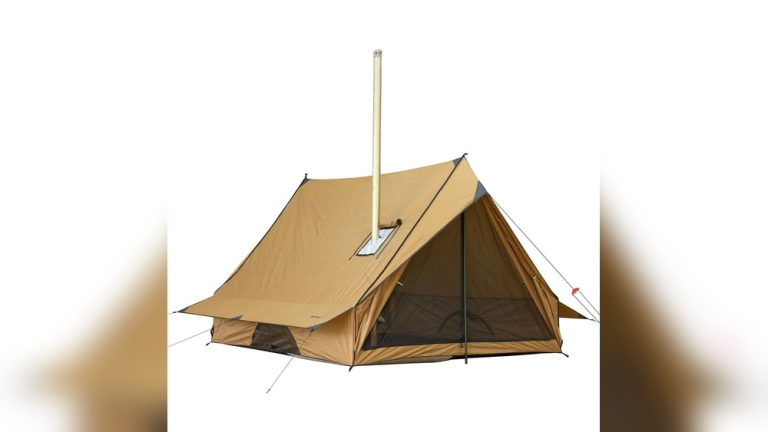
Choose a tent that matches your environment and group size. Look for these features:
- Waterproof materials: Essential for rain.
- Ventilation: Prevents condensation and overheating.
- Strong poles and stakes: Resist wind and rough weather.
- Size: Enough room for people and gear.
A well-made tent costs more, but protects you better.
Setting Up Your Tent Safely
Follow these steps:
- Clear the ground of rocks, sticks, and debris.
- Use all stakes and guy lines for stability.
- Point the tent door away from prevailing wind.
- Check seams and zippers for damage.
- Place a tarp or footprint underneath for extra protection.
Tent Maintenance
Inspect your tent before every trip. Look for:
- Tears or holes in fabric
- Broken poles
- Missing stakes
- Mold or mildew
Repair small problems before camping. Clean and dry your tent after each trip to prevent damage.
Comparison: Basic Vs. Advanced Tent Features
Here’s a quick look at what you get with entry-level and premium tents:
| Feature | Basic Tent | Premium Tent |
|---|---|---|
| Waterproof Rating | 1000-1500 mm | 3000+ mm |
| Ventilation | Limited | Multiple vents, mesh panels |
| Wind Resistance | Up to 20 mph | Up to 40 mph |
| Setup Time | 20-30 min | 10-15 min (quick setup) |
Non-obvious Insight: Tent Fire Safety
Most tents are made of synthetic materials that can burn quickly. Never use open flames inside your tent. Keep stoves, lanterns, and lighters outside the tent to avoid fire hazards.
Wildlife Safety: Sharing Space With Animals
Wildlife is part of the camping experience, but some animals pose risks. Understanding how to avoid trouble is important.
Common Animals Near Campsites
- Bears: Found in many North American parks. Attracted by food smells.
- Raccoons: Clever and persistent. Can open coolers and bags.
- Snakes: Often hide in tall grass or rocks.
- Mosquitoes and ticks: Carry diseases and bite.
Protecting Yourself And Your Food
- Store food in sealed containers or bear-proof lockers.
- Never keep food inside your tent.
- Dispose of trash in designated bins.
- Keep your campsite clean—no crumbs or leftovers.
Encountering Larger Animals
If you see a bear or other large animal:
- Stay calm; do not run.
- Make yourself look bigger (stand up, raise arms).
- Speak loudly but do not shout.
- Slowly back away.
Most wild animals avoid humans, but food attracts them. According to the US Forest Service, food-related animal encounters cause over 90% of “problem bear” incidents.
Non-obvious Insight: Scented Items Attract Animals
Many campers forget that soap, toothpaste, and deodorant can attract animals. Store these items with your food, away from your tent.
Weather And Environmental Hazards
Weather is a leading cause of camping injuries. Even experienced campers sometimes underestimate the power of storms, wind, or cold.
Rain And Flooding
Heavy rain can flood campsites, especially if tents are set up on low ground. Flash floods are rare, but can be deadly.
Tips:
- Check weather forecasts before your trip.
- Use waterproof gear.
- Camp on higher ground.
Lightning
Tents offer no protection from lightning. If storms are predicted:
- Stay away from tall trees and open fields.
- Do not touch metal tent poles during storms.
- If possible, seek shelter in a car or building.
According to the National Weather Service, lightning causes about 20-30 camping fatalities per year in the US.
Extreme Heat And Cold
Hypothermia can happen even in summer if you get wet and cold. Heat exhaustion is also a risk in hot climates.
Tips:
- Dress in layers.
- Use sleeping bags rated for the expected temperature.
- Drink plenty of water.
- Avoid strenuous activity during midday heat.
Wind And Storms
Strong winds can collapse tents or send debris flying. Secure your tent with extra stakes and guy lines. Avoid camping under trees with dead branches.
Comparison: Weather Risks By Region
Here’s a look at typical weather hazards in different US regions:
| Region | Main Weather Risks | Best Season for Camping |
|---|---|---|
| Pacific Northwest | Rain, wind | Late spring, early fall |
| Rocky Mountains | Cold, storms | Summer |
| Southeast | Heat, humidity, lightning | Spring, fall |
| Southwest | Extreme heat, flash floods | Fall, winter |
Non-obvious Insight: Early Morning Fog
Camping near water often means morning fog, which can make it hard to see and move safely. Use headlamps and be careful near the water’s edge.
Fire Safety: Campfires, Stoves, And Cooking
Campfires are a favorite part of camping, but they’re also a leading cause of accidents. Cooking safely is just as important.
Building A Safe Campfire
- Use designated fire rings or pits.
- Keep water or sand nearby to extinguish flames.
- Never leave a fire unattended.
- Extinguish the fire completely before sleeping or leaving.
Cooking In Camp
- Use portable stoves outside tents.
- Keep flammable materials away from flames.
- Supervise children and pets near hot surfaces.
Fire Statistics
Wildfires caused by campers are rare but serious. In 2022, US campers caused about 1,200 wildfires, most due to unattended or poorly extinguished fires (National Park Service).
Non-obvious Insight: Wind Can Spread Fire Fast
Even a small breeze can blow embers far from your campfire. Always check wind direction and strength before lighting a fire.
Credit: www.battlbox.com
Hygiene And Health: Staying Clean And Healthy
Good hygiene is easy to overlook but crucial for safety. Illness and infection are more common than wildlife or weather injuries.
Water Safety
- Bring enough drinking water, or use purification tablets/filters.
- Never drink directly from lakes or streams.
Bathroom And Waste
- Use campground toilets when possible.
- If wild camping, dig a “cat hole” 6-8 inches deep for waste.
- Pack out all toilet paper and hygiene products.
Food Handling
- Wash hands before eating and after touching raw foods.
- Keep food cold to avoid spoilage.
- Use clean utensils and cooking surfaces.
Disease Prevention
Mosquitoes and ticks can carry Lyme disease and West Nile virus. Wear long sleeves, use insect repellent, and check for ticks after hiking.
Non-obvious Insight: Hidden Allergies
Plants like poison ivy or oak are common near campsites. Many campers don’t recognize them and suffer rashes. Learn to identify these plants before your trip.
Accident Prevention: Common Mistakes And How To Avoid Them
Accidents happen, but most are preventable with good habits.
Trip And Fall Hazards
- Use headlamps or flashlights at night.
- Keep gear organized to avoid tripping.
- Watch for roots, rocks, and uneven ground.
Knife And Tool Safety
- Cut away from your body.
- Supervise children using knives or axes.
- Store tools safely when not in use.
First Aid
Bring a basic first aid kit with:
- Bandages
- Antiseptic wipes
- Tweezers (for splinters/ticks)
- Pain relief medication
Know how to use your kit before your trip. Many campers pack first aid supplies but don’t know basic skills.
Non-obvious Insight: Fatigue Increases Risk
Tired campers make more mistakes. Plan rest breaks, drink water, and avoid overexertion.
Credit: fridieoutdoors.com
Crime And Security: How Safe Are Campgrounds?
Most campgrounds are peaceful, but crime can occur. Theft is the most common problem.
Preventing Theft
- Lock valuables in your car or keep them out of sight.
- Do not leave expensive gear unattended.
- Keep your tent closed when not in use.
Dealing With Strangers
- Greet neighbors politely, but do not share too much personal information.
- Report suspicious behavior to campground staff.
According to the National Park Service, violent crime is extremely rare in US parks and campgrounds. Theft is more likely in crowded or urban-adjacent areas.
Non-obvious Insight: Group Camping Is Safer
Camping with friends or family reduces risk. Solo campers are more vulnerable to accidents and crime.
Essential Safety Gear For Tent Camping
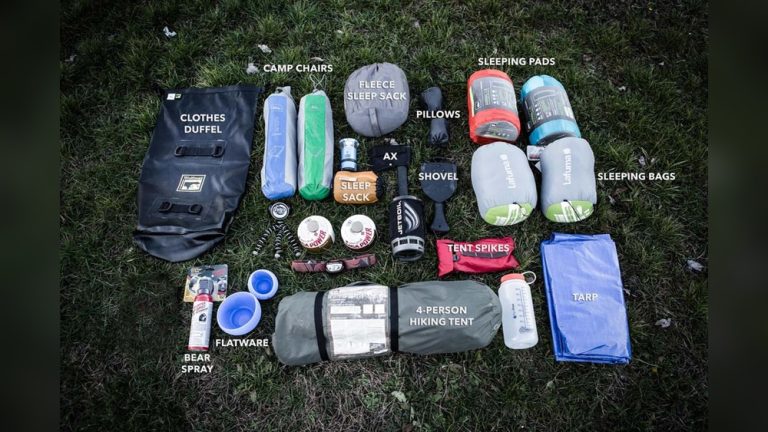
Having the right gear can prevent most problems. Here’s a checklist of must-have items:
- Quality tent with rainfly
- Ground tarp or footprint
- Sleeping bag rated for the season
- First aid kit
- Water filter or purification tablets
- Headlamp or flashlight
- Insect repellent
- Sunscreen
- Food storage containers
- Map and compass or GPS
- Emergency whistle
- Fire extinguisher or bucket of water
Non-obvious Insight: Backup Power
A small battery bank for your phone or GPS can be a lifesaver in emergencies. Don’t rely on campsite power outlets—they may not exist or may fail.
Practical Tips For Safe Tent Camping
Here are some proven tips you can use:
- Plan your trip: Check weather, terrain, and local regulations.
- Tell someone your plans: Let a friend or family member know where you’ll camp and when you’ll return.
- Arrive early: Set up in daylight for better visibility and safety.
- Follow campground rules: They exist for your protection.
- Leave no trace: Clean up your site to avoid attracting animals or causing harm.
Non-obvious Insight: Campsite Boundaries
Mark your tent area with reflective tape or string at night. This prevents tripping and helps you find your tent in darkness.
Tent Camping Safety For Families And Children
Camping with kids needs extra care. Children are curious and can wander or touch dangerous things.
Tips for family safety:
- Supervise children at all times, especially near water, fire, or wildlife.
- Teach basic safety rules before you arrive.
- Pack child-friendly first aid supplies (bandages, ointment).
- Keep emergency contacts handy.
Non-obvious Insight: Child-friendly Campsites
Some campgrounds offer special play areas, family zones, or safety programs. Ask about these features when booking.
Tent Camping Alone: Extra Safety Steps
Solo camping is popular but needs more planning. If you camp alone:
- Share your plans with someone you trust.
- Bring extra backup gear.
- Stay in public campgrounds if possible.
- Avoid risky hikes or activities.
Non-obvious Insight: Psychological Safety
Loneliness and anxiety are common for solo campers. Bring entertainment (books, music) and stay connected with friends via phone.
How Safe Is Tent Camping Compared To Other Outdoor Activities?
Tent camping is safer than many outdoor sports like climbing, kayaking, or mountain biking. Here’s a comparison of annual injury rates in the US:
| Activity | Annual Injury Rate (per 100,000 participants) | Fatality Rate |
|---|---|---|
| Tent Camping | 12 | 0.01% |
| Hiking | 22 | 0.02% |
| Kayaking | 48 | 0.09% |
| Rock Climbing | 112 | 0.15% |
The data shows that tent camping is one of the safest outdoor activities, especially if you follow basic precautions.
The Role Of Technology In Tent Camping Safety
Modern technology makes camping safer and easier. Here are some useful tools:
- GPS devices: Help you navigate and find your campsite.
- Weather apps: Warn you about storms or temperature changes.
- Personal locator beacons (PLB): Send distress signals in emergencies.
- Portable solar chargers: Keep devices powered.
Non-obvious Insight: Overreliance On Phones
Many campers depend on phones for maps and emergency calls. Remember, cell service is often weak or absent in remote areas. Always carry backup navigation tools.
Tent Camping Safety: Myths Vs. Facts
Let’s clear up some common misunderstandings:
- “Bears always attack campers.” In reality, bear attacks are rare and usually linked to improper food storage.
- “Tents protect against lightning.” Tents offer no protection; avoid camping in storms.
- “Public campgrounds are dangerous.” Most are safe, especially compared to wild camping.
- “Wild camping is always risky.” It can be safe with proper preparation, but demands more skill.
Non-obvious Insight: The “invisible” Risks
Most tent camping injuries come from slips, trips, or poor hygiene—not dramatic disasters. Focusing on simple safety pays off.
Making Tent Camping Safe: What Experts Recommend
Camping experts stress these points:
- Prepare for the environment: Know your location, weather, and possible wildlife.
- Use quality gear: Don’t skimp on tents, sleeping bags, or safety equipment.
- Stay alert: Supervise children and watch for hazards.
- Respect nature: Follow local rules and “leave no trace” principles.
- Practice basic skills: Know first aid, fire safety, and navigation.
If you’re unsure, join a guided camping trip or ask experienced friends for advice.
Frequently Asked Questions
Is Tent Camping Safe For Beginners?
Yes, tent camping is safe for beginners if you use public campgrounds, follow basic safety rules, and prepare properly. Avoid wild camping until you gain experience.
What Is The Biggest Danger In Tent Camping?
The most common dangers are weather (storms, cold, heat), poor hygiene, and accidents like trips or burns. Wildlife is less of a risk when you store food properly.
How Can I Keep Animals Away From My Tent?
Store all food and scented items in sealed containers away from your tent. Clean up your site and use bear-proof lockers if available.
Should I Worry About Crime While Camping?
Crime is rare in most campgrounds. Theft is the main concern. Keep valuables out of sight and lock your car. Report suspicious activity to staff.
What Should I Do In An Emergency While Camping?
Stay calm, use your first aid kit, and contact emergency services if possible. Public campgrounds often have staff or phones. In wild camping, use a whistle or locator beacon.
Final Thoughts
Tent camping is a safe, rewarding way to enjoy nature. Most risks are easy to manage with good preparation, quality gear, and a little common sense. Focus on the basics—weather, hygiene, fire, and wildlife—and you’ll avoid most problems. Whether you camp alone, with family, or with friends, the outdoors offers adventure and peace.
Respect the environment, follow safety tips, and enjoy your trip with confidence. If you want more in-depth advice, check official resources from the National Park Service or experienced outdoor guides. Safe camping starts with you.