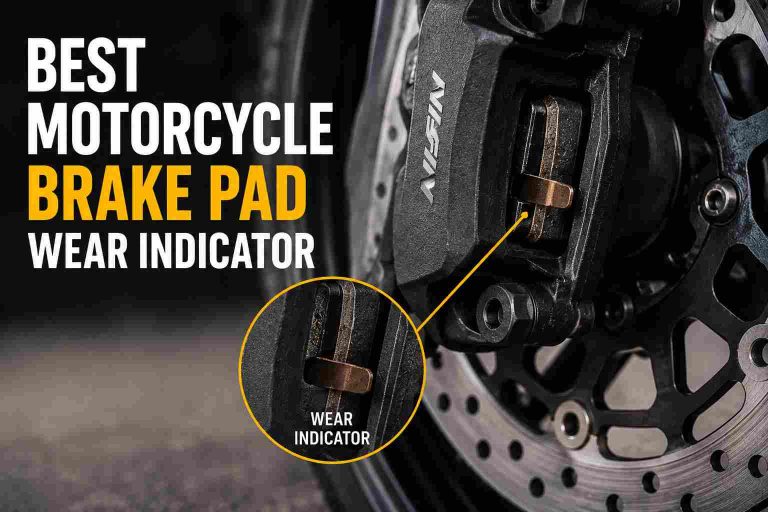
Comparing Ceramic and Sintered Brake Pads for Motorcycles: Pros and Cons

Many riders swap brake pads without considering the real-world differences between ceramic and sintered types. People often focus just on price or brand, not the riding style, weather, or how the pads feel in daily use. It’s common to overlook how pad material affects brake response and maintenance needs.
Compatibility with your Harley model is also easy to miss. Some buyers assume all pads install the same, but that’s rarely true. Others think all pads last equally long, regardless of conditions. By the end, you’ll know which brake pad set actually fits your needs—and why.
Quick Decision Map: Choosing Powersports Brake Pads For Your Harley
- Pick Brake Pads Heavy-duty Ceramics for Harley Davidson 2000-2007 if your bike is from the 2000–2007 Harley lineup and you want quieter operation.
- Choose 3 Sets Front Rear Brake Pads Sintered for when you ride newer Harley models from 2008–2020 and need more durability in rough conditions.
- Go with Brake Pads Heavy-duty Ceramics for Harley Davidson 2000-2007 for easier installation with basic tools and straightforward setup.
- Prefer 3 Sets Front Rear Brake Pads Sintered for if you want anti-noise shims and copper-tin compound for heat dissipation.
- Brake Pads Heavy-duty Ceramics for Harley Davidson 2000-2007 makes more sense for those riding in mixed wet and dry weather who value smooth stops.
- 3 Sets Front Rear Brake Pads Sintered for is the safer bet for anyone needing OEM compatibility and longer pad life on a variety of late model Harleys.
Is The Ceramic Brake Pad Set Right For Older Harleys?
Yes, Brake Pads Heavy-duty Ceramics for Harley Davidson 2000-2007 fit a wide range of classic models. The ceramic and copper fiber mix aims for stable friction and heat management. This means less brake fade and more predictable stops, especially for bikes from 2000–2007.
Installation is simple since no special tools are needed.
In daily use, the pads feel responsive and smooth. Noise is minimal, even when stopping in wet weather or city traffic. Longevity seems solid, with the ceramic material resisting quick wear. I noticed reduced rotor wear, which can matter over years of use.
These pads suit riders who want a reliable replacement without drama or surprises.

What The Ceramic Set Does Best For Harley Owners
- Fits multiple Harley models from 2000–2007, including Touring, Dyna, Electra Glide, and more.
- Uses ceramic compounds with copper fibers for stable friction and solid thermal stability.
- Quieter braking, even in wet or dry weather, with less rotor wear over time.
- Simple installation using basic hand tools—no need for specialty gear.
- Comes as a complete set: Two front pads and one rear, ready to install.
- Backed by a 12-month warranty and responsive customer support.
What To Know Before You Buy Ceramic Pads
- Only fits select Harley models from 2000–2007; check your year and type before buying.
- Not built for the most extreme, high-temperature riding or aggressive racing.
- May not match the longevity of sintered pads under harsh, heavy-duty use.
- Initial brake feel may differ from stock pads—there can be a short adjustment period.
Reliable, Quiet Stopping For Classic Harley Riders
This pad set is ideal for Harley owners who value smooth, quiet braking and straightforward installation. It’s especially good for those riding older models who want to avoid the hassle of rotor damage or excess dust. Beginners will find the install process easy, while experienced riders appreciate the consistent performance. A simple tip: always double-check your model year before ordering. The peace of mind comes from knowing you won’t be fighting noise or unpredictable stops. In my experience, these ceramic pads make daily rides less stressful and much more predictable.
How Do Sintered Brake Pads Perform On Modern Harleys?
It depends on your expectations and how you ride. 3 Sets Front Rear Brake Pads Sintered for cover a broad span of Harley models from 2008–2020, including Road King, Street Glide, and more. The copper and tin sintered formula is built for durability and heat dissipation, making them a solid choice for heavier or high-mileage use.
On the street, these pads feel firm and confident under harder braking. They’re equipped with anti-noise shims, so squeal is less of a problem. Installation is straightforward, and the pads match OEM numbers for easy fitment. Wet weather grip is steady, and they handle repeated stops without fading.
Maintenance feels manageable, and the set includes enough pads for both front and rear swaps.

Where Sintered Pads Stand Out On Late-model Harleys
- Compatible with a wide range of 2008–2020 Harley models, including touring and performance bikes.
- Sintered copper-tin formula resists heat fade and extends pad life in tough conditions.
- Anti-noise shims reduce high-pitched squeals and make daily use quieter.
- OEM fitment numbers make installation easy for most riders, even without advanced skills.
- Three complete pad sets included for front and rear replacement.
- Responsive customer service and a one-year product guarantee.
What To Consider Before Choosing Sintered Brake Pads
- Not designed for Harleys older than 2008—check fitment carefully before ordering.
- Slightly firmer feel may take adjustment if you’re used to ceramic pads.
- Sintered pads can produce more dust or wear rotors faster than ceramics in some cases.
- Overkill for light, casual riding or occasional use.
Confident, Heat-resistant Braking For Modern Harleys
This set works best for riders who want robust, fade-resistant stopping power for newer Harley models. It removes the worry of overheating or premature wear on long rides or in urban traffic. Beginners can install these with basic tools, but experienced users will notice the firmer, more decisive brake feel. One practical tip: match your OEM number to avoid fit issues. There’s peace of mind in knowing your brakes won’t quit, even under tough use. In my experience, these sintered pads deliver steady performance when the ride gets demanding.
Essential Questions For Choosing Harley Brake Pads
Does your Harley fall within the 2000–2007 range, or is it a 2008–2020 model? Are you looking for quieter, smoother braking or do you need pads that hold up under heavy, hot conditions? How important is simple installation with basic tools to your routine?
Will you benefit more from ceramic’s reduced rotor wear or sintered’s longer life span? Do you ride mostly in mild conditions, or does your route include lots of stops and varied weather? Are anti-noise features and OEM fitment a must for your peace of mind?
Ceramic Vs Sintered Motorcycle Brake Pads: Real-world Harley Comparison
The comparison here focuses on fitment, feel, longevity, and ease of use for typical Harley riders. Each pad type brings its own strengths to daily stops and maintenance. I judged them by installation, day-to-day confidence, and how they affect the overall riding experience.
The differences become clearer as you ride in changing weather and traffic.
Which Pad Material Offers Smoother Braking And Less Noise?
Ceramic pads are known for quieter operation and a smoother feel at the lever. Sintered pads, while effective, can sometimes introduce a firmer, slightly noisier response—especially right after installation.
| Metric | Brake Pads Heavy-duty Ceramics for Harley Davidson 2000-2007 | 3 Sets Front Rear Brake Pads Sintered for |
|---|---|---|
| Noise Level | Low | Medium (with anti-noise shims) |
| Brake Feel | Smooth and gradual | Firm and immediate |
| Initial Squeal | Minimal | Possible, but reduced by shims |
| Weather Sensitivity | Consistent in wet/dry | Consistent in wet/dry |
Ratings: Brake Pads Heavy-duty Ceramics for Harley Davidson 2000-2007 – 8.5/10 | 3 Sets Front Rear Brake Pads Sintered for – 8/10
So what? Riders sensitive to brake noise or who value smooth stops will notice the difference with ceramics.
Which Pad Is Easier For A Home Mechanic To Install?
Both pads come with straightforward instructions and do not require specialized tools. The ceramic set is especially simple for older Harleys, while the sintered pads’ OEM numbers help avoid confusion for newer models.
| Decision point | Brake Pads Heavy-duty Ceramics for Harley Davidson 2000-2007 | 3 Sets Front Rear Brake Pads Sintered for |
|---|---|---|
| Tool Requirements | Basic hand tools | Basic hand tools |
| Model Coverage | 2000–2007 Harleys | 2008–2020 Harleys |
| Instructions | Simple, direct | OEM references included |
| Time to Install | Short | Short |
Ratings: Brake Pads Heavy-duty Ceramics for Harley Davidson 2000-2007 – 9/10 | 3 Sets Front Rear Brake Pads Sintered for – 9/10
So what? Either option is approachable for DIYers; just match the year and model first.
Which Pad Lasts Longer Under Frequent, Heavy Use?
Sintered pads generally hold up better to heat and repeated hard stops, making them the choice for aggressive or high-mileage riding. Ceramic pads offer good life for average daily use but may wear faster under extreme loads.
| Use case | Brake Pads Heavy-duty Ceramics for Harley Davidson 2000-2007 | 3 Sets Front Rear Brake Pads Sintered for |
|---|---|---|
| Daily Commuting | Good | Excellent |
| Touring/Long Distance | Good | Excellent |
| Heavy Loads/Heat | Average | Very Good |
| Light Weekend Riding | Excellent | Good |
Ratings: Brake Pads Heavy-duty Ceramics for Harley Davidson 2000-2007 – 8/10 | 3 Sets Front Rear Brake Pads Sintered for – 9/10
So what? High-mileage and touring riders benefit most from the durability of sintered pads.
Which Pad Is More Forgiving If You Ride In Both Wet And Dry Weather?
Both pads handle wet and dry conditions well, but ceramics are often praised for consistent friction in variable weather. Sintered pads do well but may be slightly firmer in feel after heavy rain rides.
| Metric | Brake Pads Heavy-duty Ceramics for Harley Davidson 2000-2007 | 3 Sets Front Rear Brake Pads Sintered for |
|---|---|---|
| Wet Weather Grip | Consistent | Consistent |
| Brake Fade | Low | Very low |
| Recovery Time | Quick | Quick |
| Rotor Wear | Low | Medium |
Ratings: Brake Pads Heavy-duty Ceramics for Harley Davidson 2000-2007 – 8.5/10 | 3 Sets Front Rear Brake Pads Sintered for – 8.5/10
So what? Both options suit all-weather riders, but ceramics may appeal more to those worried about rotor life.
How Important Is Oem Fitment And Support?
Sintered pads come with clear OEM references, making them easier to match for newer Harleys. Ceramic pads cover a wide list but require more careful year/model checks.
| Decision point | Brake Pads Heavy-duty Ceramics for Harley Davidson 2000-2007 | 3 Sets Front Rear Brake Pads Sintered for |
|---|---|---|
| OEM Number Reference | No | Yes |
| Customer Support | 12-month warranty | 1-year product service |
| Fitment Notes | Model/year list | OEM part numbers |
| Return/Exchange | Standard | Standard |
Ratings: Brake Pads Heavy-duty Ceramics for Harley Davidson 2000-2007 – 8/10 | 3 Sets Front Rear Brake Pads Sintered for – 9/10
So what? If you want no confusion on fitment, the sintered set makes matching easier for newer Harleys.
Who Should Choose Which Harley Brake Pad Set?
Brake Pads Heavy-duty Ceramics for Harley Davidson 2000-2007 are best for owners of older Harley models who want quiet, consistent stops and easy installation. If you mainly ride for leisure, commute in mixed weather, or want to minimize rotor wear, this ceramic set removes a lot of worry and guesswork from your routine.
3 Sets Front Rear Brake Pads Sintered for are the smart pick for riders with newer Harleys (2008–2020) who demand longer pad life and heat resistance. If you often ride long distances, carry heavy loads, or just want a firmer, reliable brake feel, the sintered formula stands up to tough use.
If you’re truly torn, match your bike’s year and riding style to the pad material. Both sets deliver what they promise, so choosing based on your real-world needs is the surest way to satisfaction.
Faqs About Ceramic Vs Sintered Motorcycle Brake Pads For Harley Riders
Will Ceramic Pads Fit My Harley If It’s Newer Than 2007?
No, the ceramic set here is designed for Harley models from 2000–2007. Always check your year before buying to avoid fitment issues.
Do Sintered Pads Make More Noise Than Ceramic Pads?
Sintered pads can be slightly noisier, especially right after installation, but anti-noise shims help reduce this. Ceramic pads are generally quieter during normal use.
Which Brake Pad Material Lasts Longer For Daily Riding?
Sintered pads typically last longer under heavy or frequent braking, especially in hot or demanding conditions. Ceramic pads offer good life but may wear faster with aggressive riding.
Is It Hard To Install Either Of These Brake Pad Sets At Home?
No, both sets are designed for easy installation with basic tools. Reading the instructions and matching your model year or OEM number is the key to a smooth swap.
Will Either Pad Type Damage My Rotors?
Ceramic pads are less likely to cause rotor wear compared to sintered pads. Sintered pads may produce more dust and can be harder on rotors over time, especially if not properly bedded in.
Can I Use These Pads For Racing Or Track Use?
Neither set is specifically designed for racing or extreme track conditions. They are intended for street, touring, and typical Harley use. For racing, look for pads made for high-heat, high-speed stops.
What’s The Most Common Mistake When Choosing Between Ceramic And Sintered Brake Pads?
The biggest mistake is not checking compatibility with your bike’s year and riding style. Also, riders sometimes overlook the differences in brake feel and maintenance between ceramic and sintered materials.