
Do Motorcycles Have Horns: Essential Safety Features Explained

Have you ever wondered if motorcycles have horns? Maybe you’ve been on the road and noticed a quick beep from a bike, or perhaps you’re thinking about riding one yourself.
Horns are important for safety, alerting others to your presence and preventing accidents. But do motorcycles come equipped with them? Keep reading to find out the surprising answers and learn how your bike’s horn can keep you safer every time you hit the road.
Motorcycle Horn Basics
Motorcycles have unique safety features designed for two-wheel riders’ protection. One key feature is the Motorcycle Signaling Devices, including the horn. Understanding Motorcycle Horn Basics helps riders appreciate its role in traffic safety. The horn on a motorcycle is more than a simple noise maker; it is a vital part of the Motorcycle Alert Systems. This section explores the purpose and types of horns found on motorcycles.
Purpose Of Horns On Motorcycles
The Two-Wheeler Horn Importance lies in alerting others on the road to a rider’s presence. Horns provide an audible signal that can prevent accidents. They help communicate with pedestrians, other vehicles, and cyclists in busy or blind spots.
Key reasons for using horns on motorcycles:
- Warning signal: Alert others of immediate danger or unexpected situations.
- Communication: Indicate intentions like overtaking or approaching intersections.
- Compliance: Meet Legal Requirements For Motorcycle Horns in many regions.
- Enhance safety: Reduce the risk of collisions by improving awareness.
The Motorcycle Horn Function is simple but effective. A rider presses a button, activating the horn to emit a loud sound. This sound cuts through noise, grabbing attention quickly. The horn’s volume and tone must be strong enough to alert others but not cause disturbance.
| Purpose | Benefit |
|---|---|
| Warning | Prevent accidents by alerting others |
| Communication | Signal intentions clearly on the road |
| Legal Compliance | Meet regional safety laws |
| Safety Enhancement | Increase rider and pedestrian safety |
Common Horn Types
There are several Types Of Motorcycle Horns used as part of Motorcycle Safety Features. The choice depends on the bike model and rider preference. Most motorcycles come with an Electric Motorcycle Horn as standard equipment. This horn works by using electrical power to produce sound.
Common horn types include:
- Electric Horns: Use a diaphragm and electromagnet to create a loud beep. They are reliable and easy to install.
- Air Horns: Powered by compressed air, these produce a very loud sound. They are less common on motorcycles due to size.
- Mechanical Horns: Use a spring and diaphragm, but mostly outdated now.
Horn Installation On Motorcycles is usually straightforward for electric horns. They connect to the bike’s electrical system and activate via the handlebar button. Air horns require extra components, making them rare on two-wheelers.
| Horn Type | Sound Level | Installation Ease | Common Usage |
|---|---|---|---|
| Electric Horn | Moderate to Loud | Easy | Standard on most motorcycles |
| Air Horn | Very Loud | Complex | Rare on motorcycles |
| Mechanical Horn | Moderate | Moderate | Mostly old models |
The Horn Sound On Bikes varies by type but must always meet legal standards. Proper horn function ensures the motorcycle remains a safe vehicle on the road.
10 Best Motorcycle Horn: Read More
Legal Requirements For Motorcycle Horns
Motorcycles typically have horns as part of their standard equipment. These horns serve as audible warning devices to alert other road users. Various countries and regions set motorcycle legal requirements concerning horn use. These rules ensure that riders follow traffic safety rules and help maintain overall road safety. Understanding the horn laws by region and safety regulations is important for every rider. It ensures the horn functionality motorcycles must have meets the set standards and helps protect everyone on the road.
Horn Laws By Region
Horn laws vary widely depending on the country or state. Each area has rules about whether motorcycles must have horns, how loud they must be, and when to use them. Some regions require motorcycles to have horns meeting specific horn sound requirements to ensure they are heard clearly but not too loud to cause noise pollution.
Here is a table summarizing key vehicle horn regulations in various regions:
| Region | Horn Requirement | Sound Level (Decibels) | Usage Rules |
|---|---|---|---|
| United States | Mandatory | ≥ 80 dB | Used only for warnings |
| European Union | Mandatory | ≥ 83 dB | Allowed for safety only |
| India | Mandatory | ≥ 85 dB | Used to alert others |
| Australia | Mandatory | ≥ 82 dB | Used to warn pedestrians and vehicles |
In some countries, motorcycles without horns may not pass inspection or be legal to ride. Riders must check local horn laws by region before buying or modifying their motorcycles.
- Horn sound requirements ensure horns are loud enough for safety.
- Rules prevent misuse that can disturb others.
- Some regions limit horn use near hospitals or schools.
These rules balance rider safety standards with community comfort.
Safety Regulations
Safety regulationsmotorcycle safety equipment. Horns must work reliably to warn others and avoid accidents. The horn functionality motorcycles must have is part of broader rider safety standards designed to protect everyone on the road.
The key points of safety regulations include:
- Reliable sound: Horns must emit a clear, audible sound strong enough to catch attention.
- Easy access: Horn buttons should be easy to reach without losing control of the motorcycle.
- Regular checks: Horns must be tested during vehicle inspections to ensure they work properly.
- Proper use: Riders should use horns only for warnings, not for unnecessary noise.
Here is a list of common motorcycle horn usage guidelines:
- Use the horn to alert drivers who may not see you.
- Avoid prolonged horn use in traffic jams.
- Do not use the horn to express frustration or anger.
- Respect local noise regulations to avoid fines.
Following these traffic safety rules helps reduce accidents and enhances communication on the road. Horns, as part of audible warning devices, play a vital role in rider safety standards and must meet all set regulations. This ensures motorcycles remain safe and legal across different regions.
Horn Placement And Operation
Motorcycles are equipped with several safety features to ensure rider protection. One key feature is the Motorcycle Alert System, which includes horns as an essential component. Understanding the Horn Placement and Operation helps riders use their horns effectively. Horns alert other road users and prevent accidents. Knowing where horns are located and how to activate them is important for safe riding.
Typical Horn Locations
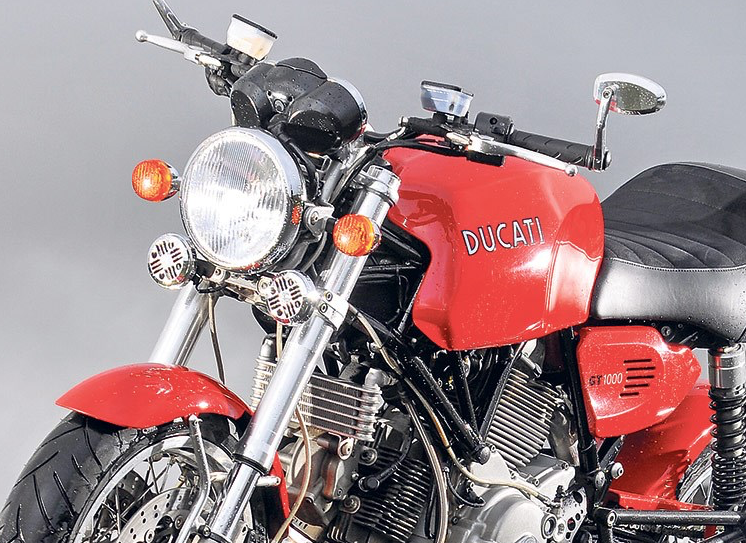
The Horn Placement On Bikes usually follows a standard pattern to make it easy for riders to find and use. Most motorcycles have their horns mounted on the front frame or near the engine. This position protects the horn and helps the sound travel clearly to other drivers and pedestrians.
- Front Frame: Most common place, near the front forks or under the headlight.
- Under the Fuel Tank: Some models place the horn here to save space.
- Behind the Front Wheel: Less common but found on specific designs.
Here is a simple table showing typical horn locations and their advantages:
| Horn Location | Advantages |
|---|---|
| Front Frame | Good sound travel, easy access, protected area |
| Under Fuel Tank | Saves space, less exposed to damage |
| Behind Front Wheel | Compact design, less visible but effective |
Bike manufacturers follow Horn Volume Standards to make sure the horn is loud enough. The sound must be clear and strong to alert others. The Motorcycle Horn Sound differs by type, ranging from single-tone to dual-tone horns. Each type fits different bike models and rider needs.
How To Use The Horn
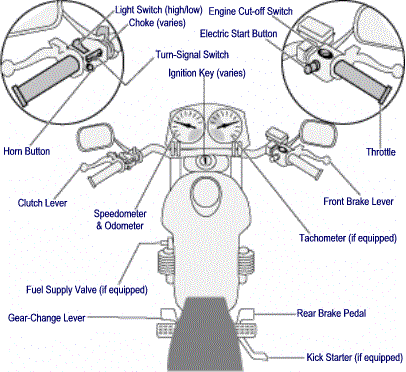
Knowing How To Activate Motorcycle Horn is essential for quick response in traffic. The horn button is usually located on the left handlebar, near the rider’s thumb. This placement allows riders to keep both hands on the handlebars while signaling.
Follow these steps for proper horn usage:
- Locate the Horn Button Location on the left handlebar.
- Press the button firmly but briefly to avoid startling others.
- Use the horn to warn pedestrians, alert other vehicles, or signal in emergencies.
- Do not use the horn for non-safety reasons to comply with Horn Usage Rules.
The Motorcycle Signaling Devices include the horn along with lights and indicators. Using the horn correctly improves safety and communication on the road. The horn must be used only when necessary to avoid noise pollution.
Different Bike Horn Types offer various sounds and volumes. Some riders may upgrade to louder or dual-tone horns for better alerting ability. Always check local laws about horn use and volume limits to stay safe and legal.
Credit: www.webbikeworld.com
Customizing Motorcycle Horns
Motorcycles do have horns, and customizing them is a popular way to enhance both safety and style. Customizing motorcycle horns lets riders express personality while improving motorcycle noise levels for better visibility on the road. Horns are a key part of motorcycle safety features, alerting others to a bike’s presence. Riders can choose from many options to upgrade their horns, including different sounds and volumes.
Upgrading Horns
Upgrading a motorcycle horn is a simple way to improve motorcycle horn functionality. Stock horns often lack power or distinct sound, which may reduce effectiveness. A bike horn upgrade can increase sound clarity and volume, helping riders be heard in busy traffic.
Common options for horn types for bikes include:
- Electric motorcycle horns: These provide loud, clear sounds and are easy to install.
- Air horns: Produce a strong, attention-grabbing sound but require more installation effort.
- Compact horns: Fit small bikes and scooters without adding bulk.
Before upgrading, check local horn sound regulations to avoid noise violations. Follow these horn installation tips for best results:
- Disconnect the battery before starting installation.
- Mount the horn securely to prevent vibrations.
- Connect wires correctly to avoid electrical issues.
- Test the horn sound before finalizing installation.
| Horn Type | Sound Level (dB) | Installation Difficulty |
|---|---|---|
| Electric Horn | 100 – 110 dB | Easy |
| Air Horn | 110 – 120 dB | Medium |
| Compact Horn | 90 – 100 dB | Easy |
Unique Horn Sounds
Choosing unique motorcycle horn sounds helps riders stand out and improves safety. Different sounds catch attention in various environments. Some riders prefer classic tones, while others select custom sounds for fun or personalization.
Custom motorcycle horns offer a range of sounds, including:
- Musical tunes
- Animal noises
- Multiple-tone alerts
These sounds can reduce confusion and improve recognition, especially in crowded areas. Keep in mind horn sound regulations to avoid overly loud or disruptive tones.
Benefits of unique horn sounds:
- Better alert for pedestrians and drivers
- Personalized style that matches the bike
- Enhanced motorcycle safety features through distinct signals
Always test new sounds to ensure they work well with the bike’s electrical system. Using electric motorcycle horns with programmable sound options provides flexibility. Riders can switch sounds based on different riding conditions for maximum safety and fun.
Alternatives To Traditional Horns
Motorcycles usually come equipped with horns to alert others on the road. Traditional horns produce a loud, sharp sound to warn pedestrians and drivers. Yet, new alternatives to traditional horns have emerged. These modern options improve safety and communication for riders. Alternatives include advanced vehicle sound signals and innovative alert systems. These options adapt to changing traffic environments and rider needs, offering better control over sound intensity and message clarity.
Electronic Horns
Electronic motorcycle horns are becoming popular among riders. They replace classic mechanical horns with digital sound devices. These horns offer several benefits:
- Clear and consistent sound output
- Multiple sound patterns and tones
- Adjustable motorcycle sound intensity
- Compact design and easy installation
Electronic horns comply with many horn regulations for motorcycles. Riders can select sounds that match local laws and personal preferences. Some models include:
| Feature | Description |
|---|---|
| Sound Variety | Different tones like beep, siren, or melody |
| Volume Control | Adjustable decibel levels for different situations |
| Power Usage | Low energy consumption for battery efficiency |
These audible warning devices enhance motorcycle communication systems by offering clear signals in crowded or noisy areas. Electronic horns help riders communicate faster and more safely.
Sound Signals And Alerts
Besides horns, motorcycles use various two-wheeler alert mechanisms to improve safety. Motorcycle safety alerts and auditory signals provide information beyond simple warnings. They include:
- Turn signal chimes: Soft sounds to remind riders to turn off indicators.
- Reverse alerts: Beeping sounds when the bike moves backward.
- Collision warning systems: Audio alerts that warn of nearby obstacles.
These signals work with motorcycle communication systems to reduce accidents. They are part of motorcycle horn types designed for diverse needs. Motorcycle auditory signals vary by model and manufacturer but focus on clarity and timeliness.
The table below shows common sound alerts used on motorcycles:
| Alert Type | Purpose | Sound Description |
|---|---|---|
| Turn Signal Chime | Indicator reminder | Soft, repetitive beep |
| Reverse Alert | Safety while reversing | Short, sharp beeps |
| Collision Warning | Obstacle detection | Rapid, rising tone |
Using these motorcycle safety alerts improves rider awareness. They add layers to audible warning devices, making roads safer for all.
Credit: www.doityourself.com

Credit: www.youtube.com
FAQs For Do Motorcycles Have Horns
Do All Motorcycles Come With Horns?
Most motorcycles come equipped with horns as a safety feature. Horns alert other drivers and pedestrians of your presence. However, some custom or vintage bikes may lack a horn. It’s important to check local laws, as many regions legally require motorcycles to have functioning horns.
Why Do Motorcycles Need Horns?
Motorcycle horns are essential for safety. They help warn other road users of potential danger or your approach. Horns reduce the risk of accidents by improving communication on the road. This makes riding safer for both motorcyclists and others nearby.
Are Motorcycle Horns Different From Car Horns?
Motorcycle horns are generally smaller and less loud than car horns. They are designed to fit compactly on motorcycles. Despite size differences, motorcycle horns must be loud enough to alert others effectively. Both types serve the same purpose: signaling and warning.
Can I Replace My Motorcycle Horn With A Louder One?
Yes, you can replace your motorcycle horn with a louder model. Ensure the new horn complies with local noise regulations. Installing a louder horn can improve safety by increasing your alert range. Professional installation is recommended to avoid electrical issues.
Conclusion
Motorcycles do have horns, but they are smaller than car horns. Riders use them to warn others and stay safe. A horn helps in busy traffic and quiet streets alike. It’s a simple tool that saves lives every day. Knowing this helps you understand motorcycle safety better.
Stay alert and respect all vehicles on the road. Safety matters for everyone, whether on two wheels or four.


