Do Motorcycles Have Speakers: Ultimate Guide to Sound Systems

Have you ever wondered if motorcycles come with speakers? Whether you love riding solo or with friends, music can make your ride more exciting and enjoyable.
But can you actually listen to your favorite tunes while cruising down the road? You’ll discover how motorcycles handle sound, what options you have for adding speakers, and how to get the best audio experience on your bike. Keep reading to find out everything you need to know about motorcycle speakers and make your rides more thrilling than ever.

Credit: alsurweb.ar
Motorcycle Audio Systems
Motorcycles often come with different audio options, depending on the model and brand. Motorcycle audio systems let riders enjoy music, GPS directions, or phone calls while on the road. Many modern bikes include factory-installed motorcycle speakers, but riders can also choose to upgrade or add new sound systems. These options improve sound quality and bring more features. Understanding what is available helps riders pick the best setup for their needs.
Factory-installed Speakers
Many motorcycles come with factory-installed motorcycle speakers as part of the bike’s original equipment. These speakers are built into the design and often found on touring or cruiser models. They offer a good sound experience without extra work or cost. Factory speakers are designed to handle wind and road noise and are usually waterproof or water-resistant.
Key features of factory-installed speakers include:
- Durability: Made to withstand outdoor conditions and vibrations.
- Integration: Connected to the bike’s main audio system and controls.
- Sound Quality: Balanced audio for clear music and voice calls.
Here is a simple comparison of factory speaker benefits:
| Feature | Factory-Installed Speakers | Aftermarket Options |
|---|---|---|
| Ease of Use | Plug and play, no extra installation needed | Requires installation, sometimes complex |
| Weather Resistance | Typically waterproof or water-resistant | Varies by product, some are waterproof |
| Sound Quality | Good for general use | Can offer higher quality and more power |
Factory speakers support basic motorcycle music systems and connect easily with the bike’s stereo. Riders who want simple audio often choose factory options for their reliability and ease.
Aftermarket Audio Options
Riders seeking better sound or new features often turn to aftermarket motorcycle audio products. These include waterproof motorcycle speakers, helmet Bluetooth speakers, and full motorcycle stereo installation kits. Aftermarket systems let users customize sound levels, bass, and connection types.
Popular aftermarket audio upgrades include:
- Bluetooth Helmet Speakers: Small, wireless, and fit inside helmets for personal audio.
- High-Power Speakers: Larger, louder speakers mounted on the bike for better sound.
- Amplifiers and Subwoofers: Added to improve sound depth and volume.
Benefits of aftermarket upgrades:
- Customization: Choose sound quality, size, and style.
- Advanced Features: GPS voice, phone calls, voice control.
- Compatibility: Works with most bikes, not limited to factory models.
Here is a quick checklist for choosing aftermarket motorcycle audio upgrades:
| Consideration | Details |
|---|---|
| Waterproof Rating | Look for IPX5 or higher for durability |
| Bluetooth Support | Enables wireless music and calls |
| Installation Type | Simple plug-in vs. full stereo installation |
| Power Output | Higher wattage means louder sound |
Aftermarket bike speakers and motorcycle music systems offer strong sound and more control. Riders can pick parts to fit their budget and riding style. These upgrades improve the riding experience with clear, loud audio on any road.

Credit: garagebaggerstereo.com
Types Of Motorcycle Speakers
Many riders want to enjoy music or GPS directions while on the road. Do motorcycles have speakers? Yes, they do, but the types vary by design and purpose. Motorcycle Sound Systems come in several forms to fit different bikes and rider needs. These systems often include Waterproof Motorcycle Speakers and other Motorcycle Speaker Accessories to protect against weather and vibration. Understanding the main types helps choose the right setup for comfort and sound quality.
Handlebar Speakers
Handlebar Speakers For Motorcycles attach directly to the handlebars, close to the rider’s ears. They offer clear sound without bulky equipment. These speakers are popular for riders who want easy access to controls and music.
Key features of handlebar speakers:
- Compact size fits most handlebar styles
- Easy installation with clamp mounts
- Usually come with waterproof and dustproof ratings
- Compatible with Motorcycle Bluetooth Speakers for wireless music
Many handlebar speakers include volume and track controls, enhancing safety by reducing distractions. These speakers integrate well into a Motorcycle Stereo Setup, connecting to smartphones or GPS units.
| Feature | Benefit |
|---|---|
| Waterproof Rating | Protection from rain and splashes |
| Mount Type | Clamp or bracket for secure fit |
| Connectivity | Bluetooth or wired options |
Fairing Speakers
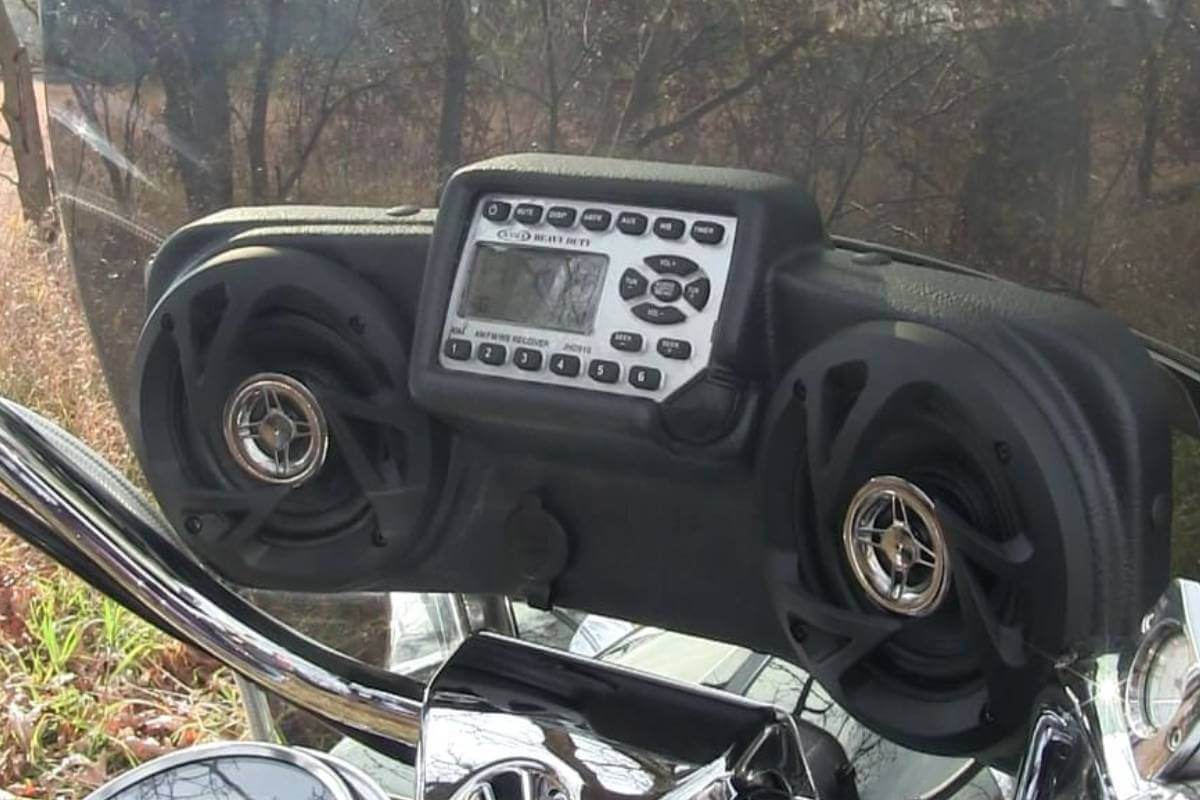
Fairing Speaker Installation targets motorcycles with a front fairing. These speakers fit inside or on the fairing, delivering louder and richer sound. They suit riders who want a full Motorcycle Audio Systems experience during long rides.
Advantages of fairing speakers:
- Better sound projection and volume
- More space for bigger speaker sizes
- Less exposure to weather elements
- Often integrated with factory stereo systems
Fairing speakers work well with amplifiers and subwoofers. This setup creates a more immersive sound environment. Waterproof Motorcycle Speakers are common in fairing systems to handle road conditions.
| Speaker Type | Best For | Installation |
|---|---|---|
| Two-way Speakers | Balanced sound with highs and lows | Inside fairing panel |
| Coaxial Speakers | Simple setup, good sound quality | Fairing or dash mounts |
Helmet Audio Systems
Helmet Audio Technology includes speakers built inside motorcycle helmets. These systems provide music and communication without external speakers. They offer a clean look and protect audio gear from weather.
Helmet audio systems usually feature:
- Lightweight, thin speakers embedded in ear areas
- Noise reduction to improve sound clarity
- Bluetooth connectivity for hands-free calls and music
- Integration with In-Helmet Communication Systems for rider-to-passenger talk
These systems enhance safety by keeping the rider’s helmet sealed. They also reduce wind noise compared to external speakers. Motorcycle Bluetooth Speakers inside helmets allow easy control via smartphone apps or handlebar remotes.
Installation And Compatibility
Many motorcycles today come with speakers or allow adding them for music and navigation. Installation and compatibility are key for a good sound system. Not all motorcycles support speakers the same way. Understanding wiring, power needs, and protection against weather helps ensure the system works well and lasts long.
Wiring And Power Sources
Installing speakers on a motorcycle needs proper wiring and power supply. Motorcycles have limited space and electrical power compared to cars. So, the wiring must be neat, safe, and strong enough for the speakers.
Most motorcycles use a 12V battery. Speakers need power from this battery or the motorcycle’s electrical system. Use a fuse to protect the wiring from short circuits or overloads. Connect the speaker wires to the battery or an accessory power source that turns off with the ignition.
Common wiring tips:
- Use insulated wires to avoid shorts.
- Keep wires away from moving parts and heat sources.
- Use connectors designed for vibration resistance.
- Secure wires with zip ties or clamps.
Here is a simple wiring overview:
| Component | Connection | Notes |
|---|---|---|
| Speaker | Speaker wires | Polarity matters (+ and -) |
| Power source | 12V battery or switched ignition | Use fuse inline |
| Ground | Chassis or negative battery terminal | Good clean contact |
Correct wiring ensures speakers get steady power and avoid damage. Check the motorcycle’s manual for power limits and wiring diagrams before starting.
Weatherproofing Considerations
Motorcycles face rain, dust, and sun. Speakers must resist these elements to work well outdoors. Weatherproofing is critical for durability and sound quality.
Choose speakers labeled as waterproof or water-resistant. Materials like rubber seals and waterproof membranes block moisture. Cover speaker connections with waterproof tape or heat shrink tubing.
Key weatherproof tips:
- Use sealed speaker enclosures to prevent water entry.
- Apply corrosion-resistant coatings on metal parts.
- Protect wiring with conduit or flexible tubing.
- Mount speakers away from direct water spray if possible.
Table below shows common weatherproof features:
| Feature | Description | Benefit |
|---|---|---|
| IP Rating | Ingress Protection level (e.g., IP65) | Resists dust and water spray |
| Rubber Gaskets | Seals edges of speaker grills | Keeps moisture out |
| UV-Resistant Materials | Plastic or metal parts | Prevents sun damage |
| Waterproof Connectors | Sealed plugs and sockets | Stops corrosion and shorts |
Proper weatherproofing means fewer repairs and better sound over time. Check product specs and install with care to keep your speakers safe.
Sound Quality And Performance
Many motorcycles come equipped with speakers designed to deliver music and audio while riding. The sound quality and performance of these systems depend on several factors, including speaker design, placement, and how well they handle the challenges of the motorcycle environment. Unlike car audio systems, motorcycle speakers must work under loud wind, engine noise, and vibrations. These conditions affect the speaker output motorcycle and overall listening experience. Riders often choose Bluetooth motorcycle speakers or waterproof motorcycle speakers to enjoy music safely and clearly. Understanding how these speakers perform helps riders decide the best audio setup for their bikes.
Speaker Output And Volume
The motorcycle speaker volume must be high enough to cut through road noise. Most bike audio systems use vibration-resistant speakers that maintain clear sound even at higher volumes. Here are key points about speaker output and volume:
- Power Handling: Speakers on motorcycles usually have lower wattage than car speakers but are designed to maximize output efficiently.
- Volume Control: Riders can adjust volume via handlebar controls or connected devices like smartphones through Bluetooth motorcycle speakers.
- Sound Clarity: High volume does not always mean good sound. Quality speakers balance volume and clarity to avoid distortion.
- Helmet Speaker Compatibility: Some systems integrate with helmet speakers, allowing better sound isolation and clearer audio.
| Speaker Type | Typical Wattage | Best Use | Volume Range |
|---|---|---|---|
| Waterproof Motorcycle Speakers | 20-40W | Outdoor use, rain protection | Medium to High |
| Vibration-Resistant Speakers | 15-30W | Rough terrain, high vibration areas | Medium to High |
| Helmet Speakers | 5-15W | Personal listening, noise isolation | Low to Medium |
Choosing speakers with the right power and design improves sound quality on motorcycles. Proper bike speaker installation also affects volume and output, ensuring the audio can be heard clearly over wind and engine noise.
Noise And Vibration Challenges
Motorcycles create strong noise and vibrations that impact sound systems. These challenges reduce audio clarity and speaker lifespan. Manufacturers develop special noise cancellation motorcycle features and vibration-resistant speakers to tackle these issues. Understanding these challenges helps riders pick better audio systems.
Common noise and vibration problems:
- Wind Noise: High speeds cause wind sounds that drown out music.
- Engine Noise: Engine and exhaust sounds add to background noise.
- Road Vibration: Rough roads cause vibrations that can distort speaker cones.
Solutions involve:
- Noise Cancellation Technology: Helps reduce unwanted background sounds for clearer audio.
- Waterproof Motorcycle Speakers: Designed to resist weather and maintain performance despite moisture.
- Vibration-Resistant Speakers: Built with materials and mounts that absorb shocks and prevent damage.
- Helmet Speaker Compatibility: Using speakers inside helmets limits external noise.
Proper placement and secure bike speaker installation reduce vibration effects. Many riders prefer Bluetooth motorcycle speakers for wireless convenience and better control over sound settings. These features enhance the listening experience, even in tough riding conditions.
Safety And Legal Aspects
Motorcycles increasingly include audio integration options, such as helmet speakers and Bluetooth motorcycle speakers. These systems aim to improve communication and entertainment on the road. Yet, rider safety and traffic safety must remain priorities. Understanding the safety and legal aspects of motorcycle audio systems helps riders make smart choices. This section explores how these devices affect rider awareness and outlines current noise regulations and laws.
Impact On Rider Awareness
Adding motorcycle communication devices and audio systems can influence how alert a rider stays. Sound plays a key role in staying aware of the environment. Loud music or conversations through speakers might cause rider distraction.
Key points to consider:
- Sound awareness helps detect emergency vehicles and other hazards.
- High volume levels can block important outside noises.
- Helmet speakers allow hands-free communication but may reduce focus.
- Some riders find audio calming, which may improve concentration.
- Using audio devices responsibly supports overall safety.
Here is a simple table showing pros and cons of motorcycle audio devices regarding rider awareness:
| Benefit | Risk |
|---|---|
| Hands-free communication | Reduced ability to hear traffic sounds |
| Access to GPS instructions | Possible distraction from music or calls |
| Improves rider mood | Overuse can cause sensory overload |
Balanced use of these devices enhances safety. Riders should keep volume at a level that does not block critical sounds. Regular checks of surroundings remain essential to avoid accidents.
Regulations On Motorcycle Audio
Different regions set rules for motorcycle audio systems to protect traffic safety. These noise regulations limit how loud Bluetooth motorcycle speakers and other devices can be. Laws vary but focus on avoiding noise pollution and distractions.
Common legal points include:
- Maximum allowable decibel levels for motorcycle speakers.
- Restrictions on modifying exhausts combined with audio devices.
- Rules against playing music that disturbs others on public roads.
- Requirements to maintain clear hearing of sirens and horns.
Examples of typical motorcycle audio laws in some areas:
| Region | Noise Limit (dB) | Notes |
|---|---|---|
| California, USA | 80 dB | Must not interfere with hearing emergency vehicles |
| UK | 75 dB | Music volume must not distract rider or others |
| Australia | 82 dB | Helmet speakers allowed if safe and legal |
Riders should check local laws before installing or using audio systems. Following these rules helps reduce rider distraction and promotes safer roads.
Credit: carpuride.com
Popular Brands And Models
Many riders want to enjoy music or communicate while on the road. This desire brings up a common question: do motorcycles have speakers? The answer varies by brand and model. Some motorcycles come with built-in Motorcycle Audio Systems, while others need Bike Speakers Installation kits. Popular brands offer different options for Motorcycle Communication Devices and Motorcycle Sound Systems. These systems include Waterproof Motorcycle Speakers, Helmet Speakers, and Handlebar Speakers. Bluetooth technology is common for easy connection, making Bluetooth Motorcycle Speakers a popular choice. Let’s explore some popular brands and models known for their audio and entertainment features.
Harley-davidson
Harley-Davidson is famous for offering motorcycles with built-in Motorcycle Stereo Systems. Many touring models come with large, powerful speakers. These include waterproof and weather-resistant options for long rides. The Boom! Box system supports Bluetooth, USB, and radio.
- Models with Speakers: Electra Glide, Road Glide, Street Glide
- Features: Integrated touchscreen, voice commands, multi-speaker setup
Honda
Honda offers Motorcycle Entertainment on many of its touring bikes. Their Gold Wing model is well-known for advanced sound systems. It includes Helmet Speakers and handlebar controls for easy access.
- Models with Speakers: Gold Wing, Gold Wing Tour
- Features: Premium audio, Bluetooth connectivity, navigation integration
Bmw
BMW motorcycles focus on comfort and tech, including Motorcycle Audio Systems. Some models come with factory-installed Handlebar Speakers and stereo setups. These systems are designed to work well in all weather conditions.
- Models with Speakers: R 1250 RT, K 1600 GT
- Features: Waterproof speakers, Bluetooth compatibility, user-friendly controls
Indian Motorcycle
Indian Motorcycle offers great sound options with their premium bikes. Their Motorcycle Stereo Systems are powerful and clear. The models often include Bluetooth Motorcycle Speakers for easy pairing.
- Models with Speakers: Chieftain, Roadmaster, Springfield
- Features: High-quality speakers, waterproof design, multiple connectivity options
Aftermarket Brands For Bike Speakers Installation
Riders who want to upgrade can choose from popular aftermarket brands. These brands specialize in Bike Speakers Installation kits, Waterproof Motorcycle Speakers, and Helmet Speakers.
| Brand | Type | Special Features |
|---|---|---|
| JM | Handlebar Speakers | Waterproof, powerful bass, easy install |
| Boss Audio | Motorcycle Stereo Systems | Bluetooth, weather-resistant, remote control |
| SoundBot | Helmet Speakers | Compact, wireless, noise isolation |
FAQs For Do Motorcycles Have Speakers
Do Motorcycles Come With Built-in Speakers?
Most motorcycles do not have built-in speakers as a standard feature. However, many riders install aftermarket speaker systems for music and navigation audio while riding.
Can I Add Speakers To My Motorcycle?
Yes, you can add speakers to your motorcycle using specially designed waterproof and vibration-resistant audio systems. These systems are made to handle outdoor riding conditions.
Are Motorcycle Speakers Waterproof?
Quality motorcycle speakers are usually waterproof or water-resistant to withstand rain and moisture. This ensures durability and consistent sound performance during rides.
How Do Motorcycle Speakers Connect To Devices?
Motorcycle speakers typically connect via Bluetooth or wired connections to smartphones or music players. Bluetooth is popular for wireless convenience and ease of use.
Conclusion
Motorcycles can have speakers, but not all do. Many riders add speakers to enjoy music on the road. These speakers are built to handle wind and noise. They help make rides more fun and relaxing. Choosing the right speakers depends on your bike and needs.
Sound quality and durability matter most for good speakers. Riding with music can improve your mood and focus. Think about safety when using speakers while riding. Enjoy your ride with the right sound setup.