Do You Have to Wear a Motorcycle Helmet in Tennessee: Essential Guide

Absolutely — here’s a more SEO-friendly rewrite of your blog post that improves readability, adds helpful detail, uses stronger heading structure, and naturally incorporates key phrases like “motorcycle helmet law in Tennessee” and “Do you have to wear a motorcycle helmet in Tennessee?”
Riding a motorcycle can be exciting, but it also comes with serious risks. One of the simplest ways to stay safe is by wearing a helmet. If you are asking, “Do you have to wear a motorcycle helmet in Tennessee?” the answer is yes.
Tennessee has strict motorcycle helmet laws, and both drivers and passengers must wear helmets while riding. In this guide, we’ll explain what the law says, why helmets matter, what type of helmet is required, and what can happen if you ride without one.
Tennessee Motorcycle Helmet Law: What the Law Says
Tennessee law requires all motorcycle riders and passengers to wear a helmet. This applies to everyone, regardless of age.
There are no general age-based exceptions. Whether you are riding your own motorcycle or sitting on the back as a passenger, you must wear a helmet that meets state safety standards.
This law is designed to reduce the risk of serious head injuries and fatalities in motorcycle accidents.
Why Wearing a Helmet Matters
Wearing a motorcycle helmet is about more than following the law. It is one of the most important safety decisions a rider can make.
Here are a few reasons helmets are so important:
- Helmets protect your brain from traumatic injury.
- Helmets reduce the risk of skull fractures in a crash.
- Helmets can save lives by absorbing impact during accidents.
- Helmets may lower medical costs by reducing the severity of injuries.
Even a low-speed motorcycle crash can cause devastating head trauma. A helmet helps protect you when the unexpected happens.
Types of Motorcycle Helmets
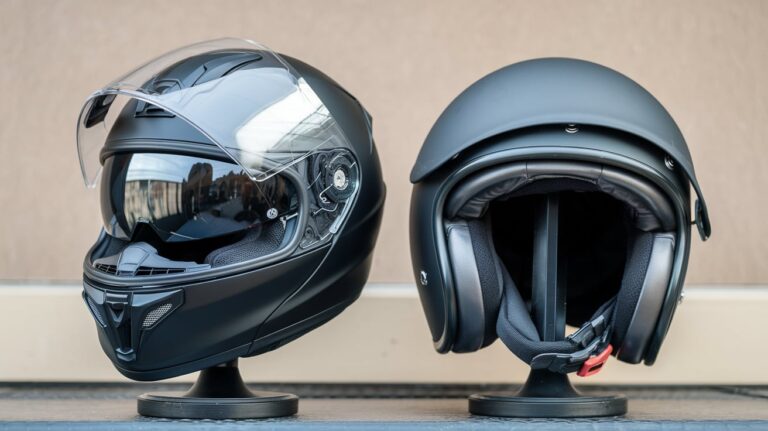
Not all helmets provide the same level of protection. Some styles cover more of your head and face, while others offer less coverage.
Full-Face Helmet
A full-face helmet offers the most protection because it covers your entire head, face, and chin. This is generally considered the safest option.
Open-Face Helmet
An open-face helmet covers the head but leaves the face exposed. It provides more protection than no helmet, but less than a full-face model.
Half Helmet
A half helmet covers only the top of the head. It offers the least coverage and protection of the common helmet styles.
Modular Helmet
A modular helmet can be worn as a full-face helmet or opened up like an open-face helmet. It gives riders flexibility, but safety levels depend on whether the chin bar is engaged.
What to Look for in a Motorcycle Helmet
When choosing a helmet, safety should always come first. A good helmet should fit properly and meet recognized safety standards.
Look for these features:
- Proper fit: The helmet should be snug but not painful.
- DOT approval: In Tennessee, your helmet should meet U.S. Department of Transportation (DOT) safety standards.
- Comfort: If a helmet is uncomfortable, you may be less likely to wear it consistently.
- Good visibility: Your helmet should not limit your ability to see clearly.
- Ventilation: Airflow helps keep you cool on long rides.
A helmet only works well if it fits correctly and is built to protect you in a crash.
What Happens If You Don’t Wear a Helmet in Tennessee?
Failing to wear a helmet in Tennessee can lead to serious consequences.
1. Fines and Court Costs
If you are caught riding without a helmet, you may be fined. In many cases, court costs may also apply.
2. Greater Risk of Injury
Without a helmet, you are much more likely to suffer a serious head injury in a crash.
3. Higher Chance of Death
Motorcycle accidents can be fatal, especially when the rider is not wearing protective gear.
4. Expensive Medical Bills
Head injuries and other crash-related injuries can lead to major hospital bills and long-term treatment costs.
The legal penalty is only part of the risk. The real danger is the increased chance of life-changing injury.
Are There Any Exceptions to the Tennessee Helmet Law?
Tennessee’s helmet law is very strict, and there are generally no broad exceptions for riders or passengers.
Some people may believe there are exceptions for parades or private property, but it is important to understand the law carefully and verify any limited circumstances with an attorney or official legal source.
If you are riding on public roads, you should assume that helmet use is required.
Why Tennessee Enforces Its Helmet Law
Tennessee enforces its motorcycle helmet law to help protect riders from the severe consequences of crashes. Head injuries are among the most serious injuries in motorcycle accidents, and helmets are proven to reduce the risk.
By requiring helmets, the state aims to:
- reduce fatalities
- lower the severity of injuries
- improve rider safety
- reduce healthcare costs related to crashes
The law is meant to protect both riders and passengers.
Frequently Asked Questions About Tennessee Motorcycle Helmet Laws
Do you have to wear a motorcycle helmet in Tennessee?
Yes. Tennessee law requires all motorcycle riders and passengers to wear helmets.
What is the penalty for not wearing a helmet in Tennessee?
Penalties may include fines and court costs.
Are there any exceptions to the helmet law in Tennessee?
Tennessee helmet requirements are strict, and riders should assume helmets are required unless a specific legal exception applies.
What type of helmet is required in Tennessee?
Helmets must meet DOT safety standards.
Is a passenger required to wear a helmet too?
Yes. Passengers must wear helmets as well.
What is the safest type of helmet?
A full-face helmet is generally considered the safest because it offers the most protection.
Final Thoughts
If you are wondering, “Do you have to wear a motorcycle helmet in Tennessee?” the answer is yes. Tennessee law requires both riders and passengers to wear helmets, and doing so can significantly reduce the risk of serious injury or death.
A helmet is one of the most important pieces of safety gear a motorcyclist can wear. It helps protect your head, lowers medical costs, and may save your life.
If you ride in Tennessee, make helmet use a habit every time you get on your bike.
If you want, I can also:
- optimize this further for a specific keyword,
- convert it into a more legal-blog tone, or
- format it into clean WordPress HTML for direct publishing.