Does Texas Have a Motorcycle Helmet Law in 2025: Know Your Rights

Does Texas Have a Motorcycle Helmet Law?
If you ride in Texas—or plan to—you’ve probably asked yourself this: Do I have to wear a helmet?
The answer isn’t a simple yes or no. Texas does have a motorcycle helmet law, but it’s not what you might expect. I live and ride here, and I’ve had to look up these rules more than once just to be sure I wasn’t accidentally breaking the law. So if you’re unsure, you’re not alone.
In this article, I’ll break it all down in plain English. No legal talk. No guessing. Just what the law says and what it means for real riders like you and me.
Yes, There’s a Helmet Law in Texas—but It’s Not for Everyone
Texas law says some riders must wear helmets, and some don’t have to. Here’s how it breaks down:
- If you’re under 21, you must wear a helmet. No way around it.
- If you’re 21 or older, you can ride without a helmet—but only if you meet certain conditions.
To legally ride helmet-free in Texas, you need one of these two things:
- Proof you passed an approved motorcycle safety course (like the MSB course), or
- Proof you have at least $10,000 in medical insurance that covers motorcycle injuries.
That’s it. Meet either of those, and you’re allowed to ditch the helmet. But—and this is important—police can’t pull you over just to check if you meet the helmet-free rule. They need another reason to stop you first.
It’s a bit strange, right? There’s a helmet law, but if you’re over 21 and meet the rules, it’s basically optional.
Why This Law Confuses So Many Riders
When I first started riding in Texas, I assumed helmets were either required or not. But this mix of age, training, and insurance makes it hard to know what’s legal—especially if you’re new or just passing through.
And to be honest, a lot of riders still choose to wear a helmet even when they don’t have to. I usually do. It’s not just about the law—it’s about staying safe. But I’ll admit, in the middle of a Texas summer, taking the helmet off is tempting.
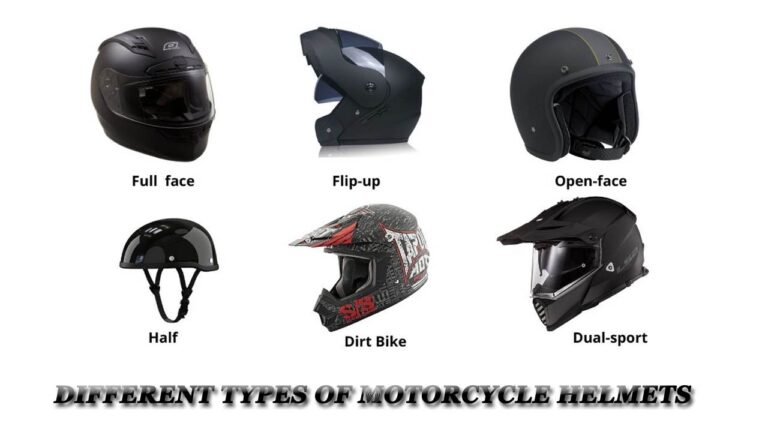
What Counts as a “Helmet” in Texas?
Okay, so let’s say you do fall under the rule that requires a helmet. What kind of helmet are we talking about?
Texas doesn’t just want you to throw on any old thing. The law says the helmet must meet the Federal Motor Vehicle Safety Standard #218—which is a fancy way of saying it needs to be DOT-approved.
So, no novelty helmets. No cheap knockoffs. If it doesn’t have the DOT sticker, it won’t cut it under Texas law.
Here’s a simple way I remember it:
If it wouldn’t save your head in a real crash, it won’t pass the law.
Honestly, if you’re going to wear a helmet, make sure it’s a good one. I’ve tried on a few uncomfortable, noisy ones just to get by—but trust me, a quality helmet makes a huge difference in how much you enjoy the ride.
You can also see :Does West Virginia Have a Helmet Law in 2025?
Riding Without a Helmet in Texas: What You Need to Know
Let’s say you’re over 21 and want to ride without a helmet. You’ve either taken the safety course or you’ve got the right medical insurance. You’re good to go, right?
Mostly, yes. But there are still a few things to keep in mind:
- You should carry proof of your course completion or insurance when you ride. It’s not legally required to have it on you at all times—but if something happens, it helps.
- If you get pulled over for something else—like speeding—a cop might ask to see that proof. If you can’t show it, you could get a ticket.
- Passengers also have to follow the helmet law. So if your passenger is under 21, they must wear a helmet—even if you don’t have to.
I’ve had a buddy get pulled over once because his passenger wasn’t wearing a helmet. The officer didn’t care that my friend met the no-helmet rule—his passenger didn’t, so they got a citation.
Just Visiting Texas? Here’s What Applies to You
If you’re not from Texas but plan to ride here, the same rules apply. It doesn’t matter where your license is from. If you’re riding in Texas, you have to follow Texas law.
So if you’re 21 or older and riding helmet-free, you’ll still need proof of insurance or that safety course, just like any local rider.
I’ve talked to out-of-state riders who thought they could skip the helmet since their home state had looser laws—but Texas doesn’t make exceptions based on where you’re from. So it’s better to know the rules before you hit the road.
What Happens If You Break the Helmet Law?
So, what if you ignore the helmet law and ride without qualifying for the exemption?
Well, Texas doesn’t play around. If you’re caught riding without a helmet and you don’t meet the legal requirements, you can get hit with a Class C misdemeanor.
That means:
- You could get a fine of up to $500.
- If you’re in a crash, and you weren’t wearing a helmet, your insurance payout could be affected.
- In some cases, your injury claim might get reduced, especially if the court thinks your injuries would’ve been less serious with a helmet.
It’s not just about the money, though. A helmet can save your life. I’ve seen riders walk away from crashes just because they had good gear on—including a proper helmet. Without it? Things get messy real fast.
Why Some Riders Still Choose Not to Wear Helmets
You might be wondering, “If helmets are that important, why does Texas even allow people to ride without one?”
Honestly, it comes down to freedom and personal choice.
A lot of riders in Texas—especially seasoned ones—feel like they should have the right to decide. Some say helmets limit their vision or make them feel disconnected from the road.
I get it. On a hot summer day in Texas, wearing a full-face helmet feels like you’re baking your brain. But for me, the extra protection is worth it—especially after hearing real stories from people who crashed.
That said, I do know riders who swear by helmet-free riding. They feel more “in the moment,” more free, more alive. As long as they meet the legal requirements, that’s their call.
The Texas Helmet Law Isn’t as Simple as “Yes” or “No”
That’s really the bottom line here.
Texas does have a motorcycle helmet law—but it’s not a blanket rule. It depends on your age, your training, your insurance, and your personal risk tolerance.
If you’re under 21, it’s a hard yes: you must wear a helmet.
If you’re 21 or older, the law says you can choose not to wear one—but only if you’ve either:
- Completed a motorcycle safety course, or
- Have enough health insurance to cover crash-related injuries.
And either way, if you’re going to wear a helmet, make sure it’s a real, DOT-approved one.
How Texas Compares to Other States
If you’re curious how Texas stacks up, it’s one of the more flexible states when it comes to helmet laws.
Some states—like California and New York—have a universal helmet law. That means everyone, no matter how old or experienced, has to wear a helmet. Period.
On the flip side, a few states like Iowa, Illinois, and New Hampshire have no helmet law at all. In those states, you’re free to ride helmet-free with zero legal consequences.
Texas falls somewhere in the middle. It gives adults the option to go without a helmet—but only if they meet certain safety or insurance requirements.
Here’s a quick breakdown:
- Texas: Helmet required under 21; optional over 21 if you qualify.
- California: Helmet required for everyone.
- Florida: Optional over 21, but only with $10,000+ in medical insurance.
- Illinois: No helmet law at all.
Texas’s approach seems to aim for balance—protecting young or inexperienced riders while giving seasoned ones a bit of freedom.
A Real-World Take: Helmet or No Helmet?
Let’s be real here—just because something is legal doesn’t mean it’s smart.
I’ve ridden with and without a helmet (briefly, just to see the difference), and it’s like night and day. No helmet? You feel exposed. Bugs hit your face. Road noise is deafening. One little mistake could turn into a big, bloody problem.
With a helmet, I feel like I’m in the zone. Less distracted. More protected. And way less worried about what might happen if I hit gravel or a car doesn’t see me.
Some of the best helmets out there are surprisingly light and well-ventilated now, too. It’s not like you’re wearing a bowling ball on your head anymore.
So yeah, you can go without a helmet in Texas—but I wouldn’t recommend it unless you really understand the risks.
Frequently Asked Questions
Does Texas Require Motorcycle Helmets?
Yes, Texas requires helmets for riders under 21. Over 21, optional if insured or trained.
What Are The Helmet Laws In Texas?
Riders under 21 must wear helmets. Over 21, helmets are optional with insurance or training.
Can Adults Ride Without A Helmet In Texas?
Yes, adults over 21 can ride without a helmet if they have insurance or training.
Are There Penalties For Not Wearing A Helmet In Texas?
Yes, fines and penalties apply for riders under 21 not wearing helmets. Over 21 must meet conditions.
Final Thoughts: Helmet Laws Are Just One Part of the Ride
So, does Texas have a motorcycle helmet law? Yep, but it’s not a one-size-fits-all rule.
Texas gives adult riders some freedom, but it comes with conditions. If you’re under 21, you have no choice—you’ve got to gear up. Over 21? You’ve got options, but only if you’ve done your homework (and maybe your insurance paperwork).
Whether you wear a helmet because you have to or because you want to, the smart move is always safety first. Roads here in Texas are wide and wild, and sometimes unpredictable. A good helmet doesn’t just follow the law—it can save your life.
Ride safe, ride smart, and make sure you always know the rules wherever you roll.