How Big Is A 15 Helmet: Size Guide 2026

A 15 helmet is typically designed to fit a head circumference of 15 inches. These helmets are often used for children or individuals with smaller head sizes.
Understanding helmet sizes is crucial for safety and comfort. Choosing the right helmet size can be confusing. Helmets come in various sizes, and a 15 helmet might seem small. Yet, it serves a specific purpose. Knowing the exact fit helps prevent injuries and ensures proper protection.
This guide will help you understand the importance of helmet size and how to measure it correctly. Whether you’re a parent looking for your child or someone with a smaller head, finding the right helmet size is essential for safety. Let’s explore the details of a 15 helmet and its significance.
Introduction To Helmet Sizes
Choosing the right helmet size is crucial for safety. An ill-fitting helmet can cause discomfort and reduce protection. Understanding helmet sizes helps you select the best fit.
Importance Of Proper Fit
A helmet that fits well offers the best protection. It should feel snug but not tight. A loose helmet can shift during a crash, failing to protect your head.
Proper fit also ensures comfort. A helmet that is too tight can cause headaches. It can also distract you while riding. Comfort allows you to focus on the road.
Common Helmet Size Standards
Helmet sizes are usually measured in centimeters. They correspond to the circumference of your head.
| Size | Head Circumference (cm) |
|---|---|
| Small | 53-56 |
| Medium | 57-58 |
| Large | 59-60 |
| Extra Large | 61-62 |
To find your size, measure your head with a tape measure. Wrap it around your head just above your eyebrows and ears. Match your measurement to the size chart.
Credit: www.ebay.com
Measuring Your Head For A Helmet
Finding the right helmet size is crucial for safety and comfort. A helmet that fits well can protect your head better in case of an accident. This section will guide you on how to measure your head for a helmet accurately.
Tools You Need
Before you start measuring, gather these tools:
- Flexible tape measure
- Mirror
- Pen and paper to note down the measurement
Step-by-step Guide
Follow these steps to measure your head:
- Wrap the Tape Measure: Place the tape measure around your head, just above your eyebrows and ears.
- Check the Measurement: Ensure the tape measure is snug but not too tight. The tape should be level all around your head.
- Read the Measurement: Look in the mirror to read the number on the tape measure. Write it down.
- Repeat for Accuracy: Measure two more times to ensure accuracy.
| Helmet Size | Head Circumference (in inches) |
|---|---|
| Small | 20 – 21.75 |
| Medium | 21.75 – 23.25 |
| Large | 23.25 – 24.75 |
| Extra Large | 24.75 – 26.25 |
By following these steps, you can find the right helmet size. A proper fit ensures maximum protection and comfort.
Understanding Helmet Size Charts
Choosing the right helmet size ensures safety and comfort. Understanding helmet size charts is crucial. These charts help you find the perfect fit for your head. This section will guide you through reading and converting helmet sizes.
Reading The Size Chart
Helmet size charts list various sizes and corresponding measurements. Measure your head’s circumference using a soft tape measure. Place it about an inch above your eyebrows. Compare your measurement with the chart. Look for the size that matches your measurement.
Converting Sizes
Helmet sizes can vary between brands. Sometimes, sizes are listed in inches or centimeters. Check the size chart for conversions. This helps if you are between sizes. For example, a 15-inch head circumference may convert to a medium size. Always double-check the brand’s chart for accuracy.

Credit: www.yourcentralvalley.com
The Specifics Of A 15 Helmet
The 15 helmet is a standard size used in many activities. Knowing its specifics can help in making informed decisions. This section delves into the key details of a 15 helmet.
Dimensions And Specifications
The dimensions of a 15 helmet are crucial for fit and comfort. Typically, a 15 helmet has the following measurements:
| Measurement | Size |
|---|---|
| Inner Circumference | 15 inches |
| Height | 9 inches |
| Width | 8 inches |
The inner circumference is the most important measurement. It ensures the helmet fits snugly on the head. The height and width provide an idea of the overall size. These measurements ensure the helmet covers the head properly.
Who Typically Wears A 15 Helmet
A 15 helmet is often worn by specific groups:
- Children: The 15 helmet size is ideal for children aged 5-10.
- Small Adults: Adults with smaller head circumferences may also use a 15 helmet.
- Recreational Users: Those engaging in casual activities like biking or skateboarding.
Knowing who wears a 15 helmet can help in selecting the right size. It ensures safety and comfort for the user.
Comparing Different Brands
When choosing a 15 helmet, brand differences play a big role. Each brand has its own sizing and fit. This can make choosing the right helmet tricky. Let’s look at two popular brands and their variations in sizing.
Brand A Vs Brand B
Brand A offers helmets that are slightly larger in size. They focus on providing extra comfort. Many users find Brand A helmets more spacious. This is ideal for those who prefer a looser fit.
Brand B has a more snug fit. Their helmets are known for better aerodynamics. This brand is preferred by professional athletes. They prioritize a tighter fit for safety and performance.
| Feature | Brand A | Brand B |
|---|---|---|
| Size Fit | Looser | Snug |
| Comfort | High | Medium |
| Aerodynamics | Medium | High |
Variations In Sizing
Sizing can vary greatly between brands. It’s important to measure your head. Use a flexible tape measure for accuracy. Compare your measurements with the brand’s size chart.
- Brand A sizes range from Small to XXL.
- Brand B offers sizes from XS to XL.
Some brands may also have different shell sizes. This affects how the helmet fits on your head. Always try on different brands before making a decision.
Remember, a well-fitted helmet is key to safety. Choose wisely based on your needs and preferences.

Credit: www.instagram.com
Common Fitting Issues And Solutions
Finding the right helmet size can be challenging. One common issue is fitting. A helmet that doesn’t fit well can cause discomfort and reduce safety. Here, we will discuss common fitting issues and provide solutions to ensure your helmet fits perfectly.
Helmet Too Tight
A helmet that’s too tight can cause headaches and pressure points. This discomfort can distract you while riding. First, check the sizing. Measure your head circumference and compare it with the helmet size chart. The helmet should sit level on your head and not tilt back.
Adjust the interior padding. Some helmets come with removable pads. Swap them out for thinner ones to create more space. Loosen the straps. Ensure they are snug but not overly tight. If the helmet still feels tight, consider a larger size.
Helmet Too Loose
A helmet that’s too loose can move around. This can be dangerous and uncomfortable. First, check the fit. The helmet should not slide off your head easily. Adjust the interior padding. Add thicker pads to take up extra space.
Tighten the straps. Make sure they keep the helmet securely in place. Shake your head gently. The helmet should stay put. If it moves a lot, you may need a smaller size.
Tips For Trying On Helmets
Finding the right helmet size is crucial for safety and comfort. A 15-inch helmet may be the right size for you, but it’s important to try it on properly. Here are some tips to help you.
What To Look For
The helmet should sit level on your head. The front edge should be one inch above your eyebrows. Check if the helmet fits snugly. It should not move when you shake your head. Also, ensure there are no pressure points. If you feel pain, try a different size.
Adjusting Straps And Pads
The straps should form a “V” under your ears. Tighten the chin strap until it’s snug. You should be able to open your mouth without feeling discomfort. Adjust the pads inside the helmet for a better fit. Some helmets come with extra pads. Use them to fill any gaps. This will make the helmet more comfortable and secure.
Care And Maintenance Of Your Helmet
Taking proper care of your helmet ensures it lasts longer and stays safe. Regular maintenance also keeps it looking good and clean. Follow these simple steps to maintain your helmet.
Cleaning Your Helmet
Cleaning your helmet is essential for hygiene and longevity. First, remove the interior padding and liners. Wash them with mild soap and water. Let them air dry completely before reattaching.
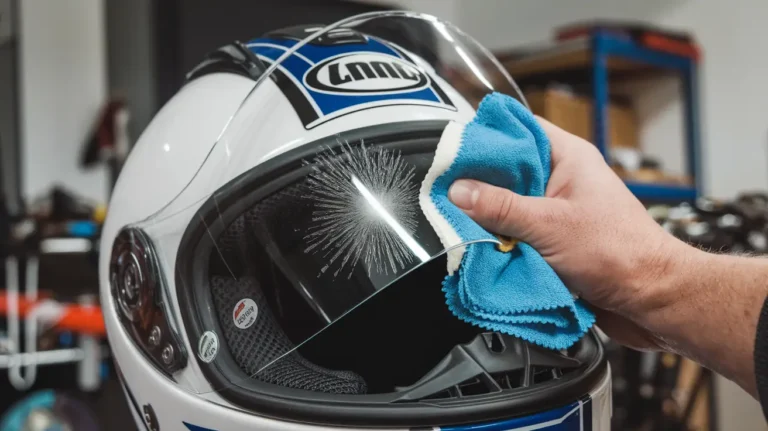
Use a soft cloth and mild cleaner for the helmet’s exterior. Avoid harsh chemicals. These can damage the helmet material. Clean the visor with a microfiber cloth and gentle cleaner. This keeps it clear and scratch-free.
- Remove interior padding
- Use mild soap and water
- Air dry completely
- Soft cloth for the exterior
- Avoid harsh chemicals
- Microfiber cloth for the visor
When To Replace Your Helmet
Knowing when to replace your helmet is crucial for safety. Helmets degrade over time. Replace your helmet every five years. This is a general rule. If your helmet gets damaged, replace it immediately. Even small cracks can be dangerous.
Here are signs you need a new helmet:
- Visible cracks or dents
- Worn-out padding
- Loose or broken straps
- Unpleasant odor that won’t go away
Remember, a well-maintained helmet is a safe helmet. Take good care of it to ensure your safety on the road.
FAQs For How Big Is A 15 Helmet
What Is The Size Of A 15 Helmet?
A 15 helmet typically refers to a helmet with a circumference of 15 inches. It’s often used for specific head measurements, ensuring a snug fit.
Who Usually Wears A 15 Helmet?
A 15 helmet is often worn by children or individuals with smaller head sizes. It’s essential for safety and comfort.
How To Measure For A 15 Helmet?
To measure for a 15 helmet, use a flexible tape around the head’s widest part. Ensure accuracy for a proper fit.
Are 15 Helmets Available In Stores?
Yes, 15 helmets are available in most sports and cycling stores. Online retailers also offer a variety of options.
Conclusion
A 15 helmet size offers good protection for many head sizes. It fits well and ensures comfort during activities. Knowing your helmet size is crucial for safety. Always measure your head before buying. Choosing the right helmet can prevent injuries.
Stay safe and enjoy your adventures.