How Long Do Motorcycle Jackets Last: Ultimate Durability Guide Revealed

If you ride a motorcycle, your jacket is more than just gear—it’s your shield. You might wonder, how long do motorcycle jackets really last?
Knowing this can save you money and keep you safe on the road. You’ll discover the key factors that affect your jacket’s lifespan and learn how to tell when it’s time for a replacement. Keep reading to protect yourself and get the most out of your investment.

Credit: www.arcanefox.com
Motorcycle Jacket Lifespan
Understanding the motorcycle jacket lifespan helps riders plan for gear replacement and safety. Motorcycle jackets do not last forever. Their durability depends on many factors like material, use, and care. Proper maintenance of motorcycle jackets can extend their life. Knowing how long different types last protects riders from worn-out gear that may fail during a crash. This section explains what controls the wear and tear motorcycle jackets face and how materials impact their longevity.
Factors Affecting Durability
The factors affecting jacket durability vary widely. Daily use, weather, and storage affect the abrasion resistance motorcycle jackets offer. Rough rides and bad weather cause faster wear. Some key points:
- Frequency of use: More rides cause more stress on the jacket.
- Exposure to elements: Sun, rain, and wind can degrade materials.
- Storage conditions: Damp or hot storage can weaken fibers and leather.
- Type of riding: Off-road causes more abrasion than city rides.
- Quality of stitching and zippers: Poor construction reduces overall durability.
Maintenance is vital. Regular cleaning, conditioning, and checking for damage improve the protective gear lifespan. A table below shows estimated lifespan ranges for common motorcycle jackets based on use and care:
| Jacket Type | Light Use (1-2 rides/week) | Heavy Use (Daily Riding) | Maintenance Level |
|---|---|---|---|
| Leather Motorcycle Jackets | 8-12 years | 4-6 years | High maintenance extends life |
| Textile Motorcycle Jackets | 5-8 years | 3-5 years | Regular cleaning needed |
| Waterproof Motorcycle Jackets | 6-9 years | 3-6 years | Proper drying and care essential |
Materials And Their Longevity
The materials used in motorcycle jackets greatly affect their durability of motorcycle jackets. Leather and textile are the most common types, each with pros and cons for lifespan.
Leather motorcycle jacket longevity is often longer. High-quality leather resists abrasion well and improves with care. Leather needs regular conditioning to avoid cracking. It can last over a decade with good maintenance. On the downside, leather is heavier and less breathable.
Textile motorcycle jacket lifespan tends to be shorter but offers better waterproofing and lightness. Many textile jackets use strong fibers like Cordura or Kevlar. These provide excellent abrasion resistance but may degrade faster under constant sun or moisture. Textile jackets often include waterproof membranes, affecting waterproof motorcycle jackets durability. Proper washing and drying keep these membranes working longer.
Here is a quick look at how materials compare:
- Leather: High abrasion resistance, needs conditioning, longest lifespan.
- Textile: Lightweight, water-resistant, easier to clean, moderate lifespan.
- Mesh or Hybrid: Good ventilation, shorter lifespan due to less abrasion resistance.
Choosing gear means balancing protection, comfort, and expected wear and tear motorcycle jackets face. Proper care extends any jacket’s life and keeps riders safe.
Credit: leatherskinshop.com
Leather Jackets
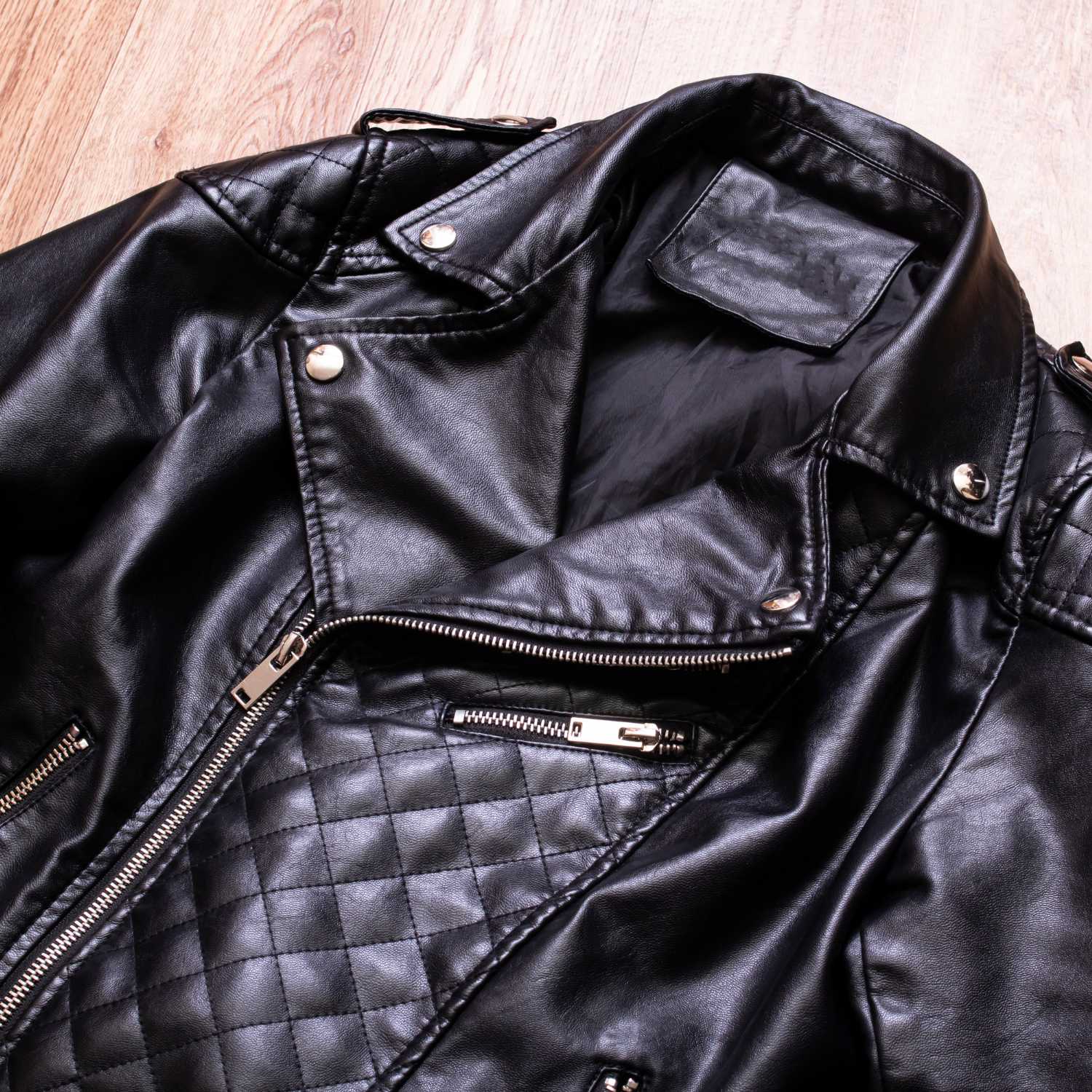
Leather jackets remain a top choice for riders due to their strong protection and style. These jackets offer excellent abrasion resistance, which helps in accidents. Leather Jacket Lifespan depends on many factors like use, care, and quality. High-quality leather jackets can last for years but require regular maintenance to keep their strength and look. Understanding Jacket Wear And Tear and following proper Jacket Care Tips can improve Motorcycle Gear Longevity. This section explores how leather jackets age and how to extend their life.
Wear And Tear Over Time
Leather jackets face constant stress from riding conditions and daily use. The quality of the leather and stitching affects the Motorcycle Jacket Durability. Over time, the jacket may show signs of wear such as:
- Fading color from sun exposure
- Cracks or dryness in the leather
- Loose stitching or torn seams
- Worn zippers and hardware
- Loss of waterproofing and flexibility
These issues reduce the protective value of the jacket and affect comfort. Below is a table summarizing common wear signs and their impact:
| Wear Sign | Impact on Jacket | Effect on Protection |
|---|---|---|
| Fading Color | Less attractive appearance | No direct effect |
| Cracks/Dryness | Leather becomes brittle | Reduces abrasion resistance |
| Loose Stitching | Seams may split | Compromises structural integrity |
| Worn Hardware | Zippers or buttons fail | Affects fit and closure |
| Loss of Waterproofing | Water seeps through | Reduces comfort and protection |
Understanding these signs helps in planning Motorcycle Jacket Replacement Timeframe. Regular inspection is key for safe riding.
Care Tips To Extend Life
Proper care plays a vital role in Riding Gear Maintenance and boosting Motorcycle Gear Longevity. Leather jackets need gentle cleaning and conditioning to stay strong and flexible. Follow these Jacket Care Tips:
- Clean regularly: Use a damp cloth or special leather cleaner to remove dirt.
- Condition the leather: Apply leather conditioner every few months to prevent drying and cracking.
- Store properly: Hang the jacket on a wide hanger away from direct sunlight and heat.
- Maintain waterproofing: Use a leather waterproof spray to keep the jacket water-resistant.
- Repair promptly: Fix loose stitches and broken hardware quickly to avoid bigger damage.
Below is a simple care routine to follow for best results:
| Task | Frequency | Purpose |
|---|---|---|
| Clean with damp cloth | Monthly or after rides | Remove dirt and sweat |
| Apply leather conditioner | Every 3-6 months | Keep leather soft and flexible |
| Check zippers and seams | Monthly | Prevent and repair damage |
| Apply waterproof spray | Every 6 months or before rain | Maintain water resistance |
These steps improve Fabric Quality Motorcycle Jackets and extend the jacket’s life. Proper care helps riders enjoy their leather gear longer and safer.
Textile Jackets
Textile jackets are a popular choice among riders because they offer flexibility, lighter weight, and good protection. They often come with features like waterproofing and ventilation, making them suitable for different weather conditions. Understanding the motorcycle jacket durability of textile jackets helps riders know how long their gear will last and how to care for it properly. Textile jackets can last for several years but their lifespan depends on fabric quality, usage, and care.
Common Fabrics Used
Textile motorcycle jackets use various fabrics designed to balance abrasion resistance, comfort, and breathability. The most common fabrics include:
- Cordura: A durable nylon fabric known for strong fabric wear and tear resistance. It offers excellent protection against abrasions.
- Polyester: Lightweight and affordable. Polyester jackets often have a water-resistant coating but wear faster than Cordura.
- Kevlar: Used as reinforcement panels inside jackets. Kevlar provides high motorcycle safety apparel longevity by increasing abrasion resistance.
- Nylon: A common fabric that offers moderate durability and protection but less weather resistance.
Many textile jackets combine these materials to improve strength and comfort. For example, a jacket might use Cordura for the main body and Kevlar at impact zones like elbows and shoulders.
| Fabric | Durability | Water Resistance | Abrasion Resistance |
|---|---|---|---|
| Cordura | High | Moderate | High |
| Polyester | Medium | Good (with coating) | Medium |
| Kevlar | Very High | Low | Very High |
| Nylon | Medium | Low | Medium |
Choosing the right fabric affects your jacket’s overall protective gear lifespan. Textile jackets usually last between 3 to 6 years depending on use and care.
Maintenance For Longer Use
Proper motorcycle jacket care extends the life of textile jackets. These jackets face challenges like dirt, sun exposure, and rain, which impact durability. Following simple jacket maintenance tips helps maintain protection and appearance.
- Regular Cleaning: Use mild soap and cold water. Avoid harsh chemicals that damage fabric and coatings. Clean the jacket after rides, especially if exposed to mud or sweat.
- Drying: Air dry your jacket away from direct sunlight. High heat can weaken fibers and reduce waterproofing.
- Waterproofing: Apply a waterproof spray to maintain the jacket’s water resistance. This is essential for waterproof motorcycle jackets to keep you dry and safe.
- Storage: Store jackets in a cool, dry place. Avoid folding them tightly to prevent fabric creases and damage.
- Check Wear and Tear: Inspect seams, zippers, and protective inserts regularly. Replace or repair worn parts to keep the jacket effective.
These maintenance steps reduce fabric wear and tear and improve motorcycle safety apparel longevity. Textile jackets usually show signs of wear after 3 to 5 years of regular use, but good care can extend this period.
Comparing leather vs textile jackets, textile jackets require more frequent cleaning but dry faster and offer better weather protection. Understanding weather impact on jackets helps riders prepare and maintain their gear properly.
Impact Of Riding Habits
The impact of riding habits plays a vital role in determining how long motorcycle jackets last. Your daily routine, riding frequency, and the conditions you face influence the jacket’s wear and tear. Understanding these factors helps riders protect their gear and extend its life. Motorcycle jacket durability depends not only on the jacket material quality but also on how you use and care for it. Different habits lead to different levels of damage, especially to abrasion resistance and protective gear longevity.
Frequency Of Use
The riding frequency impact directly affects the lifespan of a motorcycle jacket. Riders who wear their jackets daily experience faster wear compared to occasional riders. Every ride causes some friction, stretching, and exposure to dirt or sweat. Over time, this reduces the jacket’s strength and comfort.
Leather motorcycle jacket lifespan usually lasts longer with moderate use but can wear out quickly with heavy daily use. Textile motorcycle jackets wear differently; some may fade or tear faster with constant use.
- Daily use: Jacket shows signs of wear within 1-2 years without proper care.
- Weekly rides: Jackets last 3-5 years with regular maintenance.
- Occasional use: Jackets may remain in good condition for 5+ years.
To improve lifespan, follow these jacket maintenance tips:
- Clean the jacket after rides to remove dirt and sweat.
- Store in a cool, dry place to avoid material degradation.
- Check zippers and seams regularly to fix minor damages early.
The table below summarizes the effect of riding frequency on jacket durability:
| Riding Frequency | Average Jacket Lifespan | Maintenance Importance |
|---|---|---|
| Daily | 1-2 years | High |
| Weekly | 3-5 years | Moderate |
| Occasional | 5+ years | Low |
Environmental Exposure
Weather effects on jackets greatly influence motorcycle jacket durability. Rain, sun, wind, and dust cause different types of damage depending on the jacket material quality. Exposure to harsh environments breaks down fibers and weakens abrasion resistance.
Leather jackets suffer from drying and cracking under strong sunlight. Textile motorcycle jacket wear increases with constant rain and dirt, causing fading and fabric weakening. Salt from coastal areas accelerates corrosion on metal parts like zippers and snaps.
Effective motorcycle jacket care involves protecting the jacket from environmental damage:
- Use waterproof sprays for textile jackets before rides in wet conditions.
- Apply leather conditioners to prevent cracking and dryness.
- Clean off dust and salt after rides in dusty or coastal areas.
- Store jackets indoors away from direct sunlight and moisture.
Ignoring weather impact shortens the protective gear longevity significantly. Jackets exposed to extreme climates need more frequent maintenance and may require earlier replacement to ensure rider safety.
Signs It’s Time To Replace
Motorcycle jackets do not last forever. Even the best textile and leather jackets wear out over time. Knowing the signs it’s time to replace your jacket helps keep you safe. Every rider should watch for clear signals of jacket aging and damage. This protects you from injury and ensures your gear works well on every ride.
Damage Indicators
Damage indicators are the first signs your motorcycle jacket may be near the end of its life. Jacket wear and tear happen gradually but become more obvious with use. Look closely for these common problems:
- Rips and tears: Small cuts can get bigger quickly, reducing protection.
- Frayed stitching: Loose threads weaken the jacket’s structure.
- Worn-out zippers and snaps: Broken fasteners affect fit and safety.
- Faded colors and stiff fabric: Signs of UV damage and material aging.
- Cracks in leather: Leather motorcycle jacket aging causes loss of flexibility.
Table below compares damage indicators for textile and leather jackets:
| Damage Indicator | Textile Motorcycle Jacket Lifespan | Leather Motorcycle Jacket Aging |
|---|---|---|
| Fabric tears | Common after 3-5 years | Less common but can happen |
| Stitching wear | More visible on seams | Can crack or loosen |
| Material stiffness | Fades with UV exposure | Leather becomes brittle |
| Fastener damage | Zippers break easily | Snaps corrode over time |
Regular jacket maintenance tips like cleaning and conditioning help slow damage. Still, note these damage indicators motorcycle gear experts trust. They guide riders on when to start planning for new gear.
Safety Concerns
Safety concerns motorcycle jackets raise grow as the jacket ages. Protective gear lifespan is not just about looks. It is about how well the jacket can absorb impact and protect the rider. Over time, impact resistance degradation happens. This reduces the jacket’s ability to keep you safe during crashes.
Watch for these safety issues:
- Armor breakdown: Padding and protectors lose shape and firmness.
- Material thinning: Fabric becomes thin, allowing more abrasion.
- Loss of waterproofing: Water can soak in and make the jacket heavy.
- Reduced breathability: Causes discomfort and can lead to rider fatigue.
Here is a quick checklist of gear replacement guidelines based on safety:
- Replace armor every 3-5 years.
- Change jacket if fabric feels thin or worn.
- Switch out gear after any major crash.
- Update waterproofing treatments yearly.
Ignoring these safety concerns motorcycle jackets present risks. A jacket past its prime may fail during an accident. Proper care extends durability, but knowing when to replace is key. Protect yourself by following these simple rules on protective gear lifespan.
Maximizing Jacket Life
Protective motorcycle clothing is an important investment for every rider. Understanding how long a motorcycle jacket lasts depends on many factors like material quality and how well you care for it. Extending motorcycle jacket life means taking steps to reduce jacket wear and tear. Proper storage and regular cleaning help maintain motorcycle jacket durability and keep the gear safe from damage. This section focuses on simple ways to maximize your jacket’s lifespan through smart care habits.
Proper Storage
Proper motorcycle jacket storage methods prevent damage and keep the jacket in good shape. Storing a jacket correctly protects the fabric or leather and prevents wrinkles, cracks, or fading.
- Use a wide hanger: Avoid thin wire hangers that can distort the jacket’s shape. A wide, padded hanger supports shoulder structure.
- Keep it in a cool, dry place: Avoid direct sunlight or damp areas. Sunlight fades colors, and moisture causes mold or mildew.
- Store inside a breathable garment bag: Textile motorcycle jacket care benefits from breathable bags that prevent dust without trapping moisture.
- Do not fold leather jackets: Folding causes creases and cracks, reducing leather motorcycle jacket lifespan.
Here is a simple table showing storage tips for different jacket materials:
| Jacket Material | Recommended Storage Method | Storage Tips |
|---|---|---|
| Leather | Hang on wide padded hanger | Keep away from sunlight and moisture |
| Textile | Hang or fold carefully | Store in breathable garment bag |
| Mesh | Hang in cool, dry place | Avoid folding to prevent wrinkles |
Proper storage is essential for motorcycle gear maintenance. It helps keep the jacket material quality intact and extends its usability.
Regular Cleaning
Regular cleaning is key to preserving motorcycle jacket durability. Dirt, sweat, and grime cause jacket wear and tear over time. Cleaning removes harmful substances and keeps the jacket looking fresh.
Follow these jacket cleaning tips to care for your protective motorcycle clothing:
- Check the care label: Always read instructions for your specific jacket. Leather and textile jackets require different methods.
- Use mild cleaners: Harsh detergents damage the material. Use soap or cleaner made for motorcycle gear.
- Spot clean stains: Clean small spots quickly to prevent permanent marks.
- Air dry only: Never use a dryer. Hang the jacket in a ventilated area to dry naturally.
- Condition leather: Apply leather conditioner regularly to keep leather soft and prevent cracking.
Here is a quick guide for cleaning different jacket materials:
| Jacket Material | Cleaning Method | Care Tips |
|---|---|---|
| Leather | Wipe with damp cloth, use leather cleaner | Condition after cleaning |
| Textile | Machine wash gentle cycle or hand wash | Use mild detergent, air dry |
| Mesh | Hand wash or gentle machine wash | Do not bleach, air dry |
Consistent cleaning and maintenance improve your motorcycle jacket durability. These simple steps help protect your investment and keep your gear ready for every ride.
Credit: agvsport.com
Common Answer For How Long Do Motorcycle Jackets Last
How Long Do Motorcycle Jackets Typically Last?
Motorcycle jackets usually last 3 to 7 years with regular use. Quality materials and proper care extend their lifespan significantly.
What Factors Affect Motorcycle Jacket Durability?
Material quality, frequency of use, exposure to weather, and maintenance all impact a jacket’s durability. Leather jackets generally last longer than textile ones.
How Can I Extend My Motorcycle Jacket’s Life?
Clean your jacket regularly, store it in a cool, dry place, and repair any damage promptly to prolong its lifespan.
When Should I Replace My Motorcycle Jacket?
Replace your jacket if it shows significant wear, damage, or loses protective features to ensure maximum safety during rides.
Conclusion
Motorcycle jackets last longer with proper care and use. Quality materials and stitching also affect their lifespan. Regular cleaning and avoiding harsh conditions help maintain the jacket’s strength. Replace a jacket if it shows heavy wear or damage. Safety matters most when riding.
A good jacket protects you well for many years. Choose one that fits your needs and style. Keep it clean, check for wear, and ride safely. Your jacket can serve you well if you treat it right.