How Often Should You Change Your Motorcycle Helmet: Expert Tips

<p>Motorcycle helmets are one of the most important pieces of safety gear for riders. They help protect your head in the event of a crash, reduce the risk of serious injury, and can even save your life. But helmets do not last forever. So, how often should you change your motorcycle helmet? In this guide, we’ll explain when to replace a helmet, how to tell if it’s worn out, and how to keep it in the best possible condition for safer riding.</p>

<figure class="wp-block-image size-large">
  <img decoding="async" src="https://lookaside.instagram.com/seo/google_widget/crawler/?media_id=3480146240277055794" alt="How Often Should You Change Your Motorcycle Helmet: Expert Tips" title="">
</figure>

<p class="wp-block-paragraph">Credit: www.instagram.com</p>

<h2>Why Motorcycle Helmets Are So Important</h2>
<p>Motorcycle helmets are designed to protect your head from impact, debris, wind, and weather. In an accident, the helmet absorbs and helps distribute the force of a collision, which can reduce the severity of head and brain injuries. That is why wearing a quality helmet that is in good condition is essential every time you ride.</p>

<p>However, even the best helmet has a limited lifespan. Over time, the materials inside the shell can break down, padding can wear out, and straps can weaken. For that reason, it is important to know when it is time for a replacement.</p>

<h2>How Often Should You Replace a Motorcycle Helmet?</h2>
<p>In general, motorcycle helmets should be replaced every 3 to 5 years, depending on usage, care, and the manufacturer’s recommendations. If the helmet has been involved in a crash, dropped hard, or shows signs of damage, it should be replaced immediately.</p>

<p>Here are the most important times to replace your helmet:</p>
<ul>
  <li>After any accident or impact</li>
  <li>Every 3 to 5 years</li>
  <li>When it shows visible signs of wear</li>
  <li>If it no longer fits properly</li>
  <li>If the padding, straps, or shell are damaged</li>
</ul>

<h3>Replace Your Helmet After an Accident</h3>
<p>If your motorcycle helmet has been involved in a crash, it should be replaced right away, even if it looks fine on the outside. Internal damage is not always visible, and the helmet may no longer provide full protection. A helmet is built to absorb impact once, and after that, its safety performance may be reduced.</p>

<h3>Replace Your Helmet Every 3 to 5 Years</h3>
<p>Most experts recommend replacing a motorcycle helmet every 3 to 5 years. This is because the foam liner, glue, padding, and other materials can degrade over time due to sweat, heat, moisture, sunlight, and regular use. Even if you rarely ride, aging materials can still affect how well the helmet performs.</p>

<h3>Replace Your Helmet When It Shows Signs of Wear</h3>
<p>Inspect your helmet regularly for cracks, dents, fading, loose padding, or damaged straps. Small signs of wear may not seem serious, but they can reduce the helmet’s ability to protect you. If anything looks worn out or damaged, it is best to replace the helmet sooner rather than later.</p>

<h3>Replace Your Helmet If It No Longer Fits Properly</h3>
<p>A helmet should fit snugly and securely. If it becomes too loose, too tight, or uncomfortable, it may not protect you the way it should. A poor fit can also make riding distracting and unsafe. If the fit has changed over time, consider replacing the helmet with one that matches your head shape and size better.</p>

<h2>How to Tell If Your Helmet Needs Replacing</h2>
<p>Sometimes it is obvious that a helmet needs to go. In other cases, the signs are more subtle. Watch for these common warning signs:</p>
<ul>
  <li>Cracks or dents in the shell</li>
  <li>Loose, compressed, or damaged padding</li>
  <li>Frayed or broken chin straps</li>
  <li>Loose visor or face shield parts</li>
  <li>Helmet that feels unstable or shifts while riding</li>
  <li>Persistent discomfort or pressure points</li>
</ul>

<h3>Cracks or Dents</h3>
<p>Any crack, dent, or deep scratch in the outer shell may indicate structural damage. If the shell is compromised, the helmet may not absorb impact properly. Even small visible damage can mean it is time to replace it.</p>

<h3>Loose or Worn Padding</h3>
<p>The inner padding helps the helmet fit securely and absorb comfort-related pressure. If the padding feels soft, loose, or compressed, the helmet may no longer fit correctly. A poor fit reduces safety and comfort, so replacement may be necessary.</p>

<h3>Damaged Straps</h3>
<p>The chin strap is critical because it keeps the helmet in place during a crash. If the strap is frayed, torn, stretched, or the buckle is broken, the helmet should be replaced. A helmet that does not stay secure cannot protect you effectively.</p>

<h3>Uncomfortable Fit</h3>
<p>If your helmet causes pain, moves around too much, or no longer feels snug, it may not be the right choice anymore. A proper fit is essential for both safety and comfort. When the fit is off, a replacement is often the best solution.</p>

<h2>How to Make Your Motorcycle Helmet Last Longer</h2>
<p>While no helmet lasts forever, proper care can help extend its life and keep it in better condition. Good maintenance also helps you spot problems early.</p>

<ul>
  <li>Clean it regularly</li>
  <li>Store it in a safe, dry place</li>
  <li>Avoid dropping it</li>
  <li>Keep it away from extreme heat and sunlight</li>
  <li>Follow the manufacturer’s care instructions</li>
</ul>

<h3>Clean Your Helmet Properly</h3>
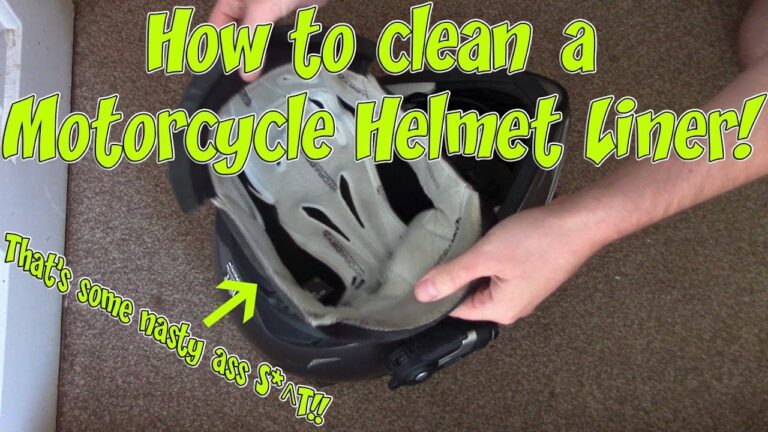
<p>Use mild soap and water to clean the helmet shell and interior surfaces when possible. Avoid harsh chemicals, solvents, or abrasive cleaners, as they can damage the materials and reduce the helmet’s lifespan.</p>

<h3>Store It Correctly</h3>
<p>Store your helmet in a cool, dry place away from direct sunlight and moisture. UV rays and heat can weaken helmet materials over time. Using a helmet bag or a protective case can also help prevent scratches and accidental damage.</p>

<h3>Avoid Dropping It</h3>
<p>Even a simple drop from a bike seat, table, or shelf can cause hidden damage. If a helmet hits the ground hard, inspect it carefully. If you suspect an impact, replacing it is the safest choice.</p>

<h2>Why Helmet Materials Break Down Over Time</h2>
<p>Helmet components age due to regular exposure to sweat, cleaning products, temperature changes, and UV rays. The inner EPS foam liner, which absorbs impact, can degrade gradually. The outer shell may also weaken after long-term use or repeated exposure to the elements. That is why a helmet should not be used indefinitely, even if it still looks acceptable.</p>

<figure class="wp-block-image size-large">
  <img decoding="async" src="https://www.rommelhdsmyrna.com/fckimages/HD-Helmets-SB11.png" alt="How Often Should You Change Your Motorcycle Helmet: Expert Tips" title="">
</figure>

<p class="wp-block-paragraph">Credit: www.rommelhdsmyrna.com</p>

<h2>Frequently Asked Questions</h2>

<h3>How often should you replace a motorcycle helmet?</h3>
<p>Most motorcycle helmets should be replaced every 3 to 5 years, or sooner if they are damaged or involved in a crash.</p>

<h3>What are the signs that a helmet should be replaced?</h3>
<p>Look for cracks, dents, loose padding, broken straps, or a fit that no longer feels secure.</p>

<h3>Does dropping a motorcycle helmet ruin it?</h3>
<p>It can. A hard drop may cause internal damage that is not visible from the outside. If the impact was significant, replacement is recommended.</p>

<h3>Can I use a helmet after a crash?</h3>
<p>No. If a helmet has been in a crash, it should be replaced immediately, even if there are no visible cracks.</p>

<h3>How can I tell if my helmet fits properly?</h3>
<p>A proper helmet should fit snugly all around your head without causing pain. It should not shift excessively when you move or shake your head.</p>

<h2>Conclusion</h2>
<p>Knowing how often to change your motorcycle helmet is essential for your safety. As a general rule, replace it every 3 to 5 years, after any accident, or sooner if you notice signs of wear or damage. Make sure your helmet fits properly, store it correctly, and inspect it regularly to help it last as long as possible. When in doubt, choosing a new helmet is always the safer decision.</p>

<h2>FAQs</h2>
<p>Here are some common questions about motorcycle helmet replacement:</p>

<table>
  <tr>
    <th>Question</th>
    <th>Answer</th>
  </tr>
  <tr>
    <td>How often should I change my helmet?</td>
    <td>Every 3 to 5 years, or immediately after a crash or impact.</td>
  </tr>
  <tr>
    <td>Can I use my helmet if it has a small crack?</td>
    <td>No. Any damage can affect safety, so it is best to replace it.</td>
  </tr>
  <tr>
    <td>What is the best way to clean my helmet?</td>
    <td>Use mild soap and water and avoid harsh chemicals.</td>
  </tr>
  <tr>
    <td>Where should I store my helmet?</td>
    <td>In a cool, dry place away from direct sunlight and heat.</td>
  </tr>
  <tr>
    <td>How can I tell if my helmet fits properly?</td>
    <td>It should fit snugly, stay in place, and feel comfortable without pressure points.</td>
  </tr>
</table>
If you want, I can also:
- make it more SEO-optimized,
- rewrite it in a more human, engaging blog tone, or
- add meta title, meta description, and FAQ schema.