
How to Pack a Motorcycle for Camping: Essential Tips and Tricks

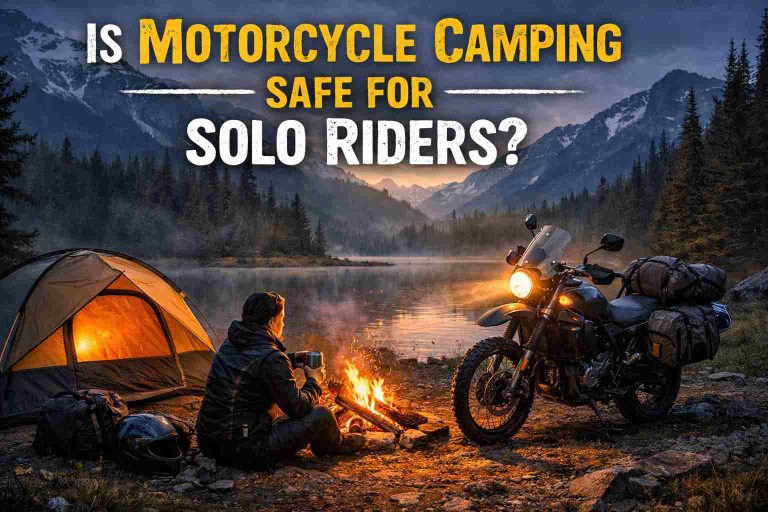
Packing a motorcycle for camping is both an art and a science. With less space than a car, every inch matters—and a poor packing job can ruin your trip or even make your ride unsafe. But when done right, motorcycle camping offers freedom, adventure, and connection with the outdoors.
Whether you’re planning your first overnight ride or your tenth, understanding how to pack a motorcycle for camping can make your journey smoother and safer.
Many beginners think it’s all about cramming stuff into bags and hitting the road. But smart packing means more than fitting everything; it’s about balancing weight, protecting gear, staying organized, and making sure your essentials are easy to reach. In this guide, you’ll discover practical steps, common mistakes, and expert tips for packing your motorcycle for a camping adventure.
Choosing The Right Camping Gear For Motorcycle Travel
Motorcycle camping demands gear that’s compact, lightweight, and durable. Since space is limited, each item should serve a clear purpose. Let’s break down what matters most.
Tent Selection
Look for a small, lightweight tent. Most riders prefer a 1- or 2-person tent, but consider space for your gear inside. Many motorcycle-specific tents have a vestibule for storing boots or bags. Aim for a tent under 5 lbs (2.2 kg) and less than 18 inches (45 cm) when packed.
Sleeping Bag And Pad
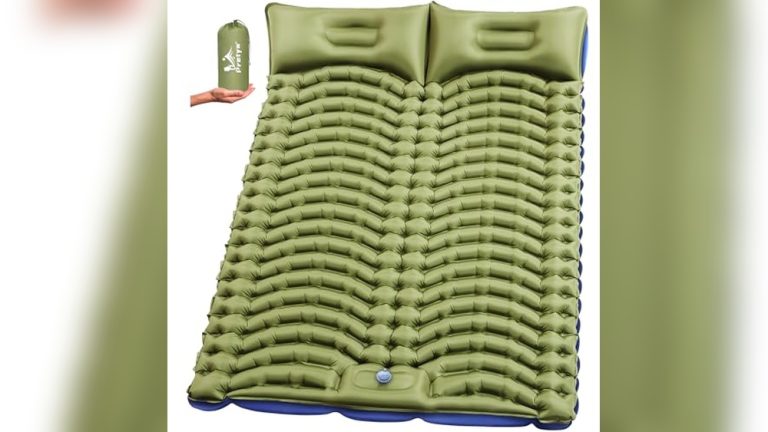
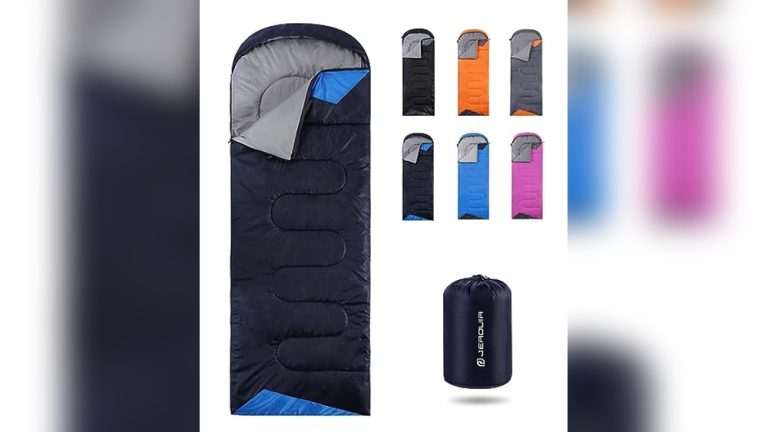
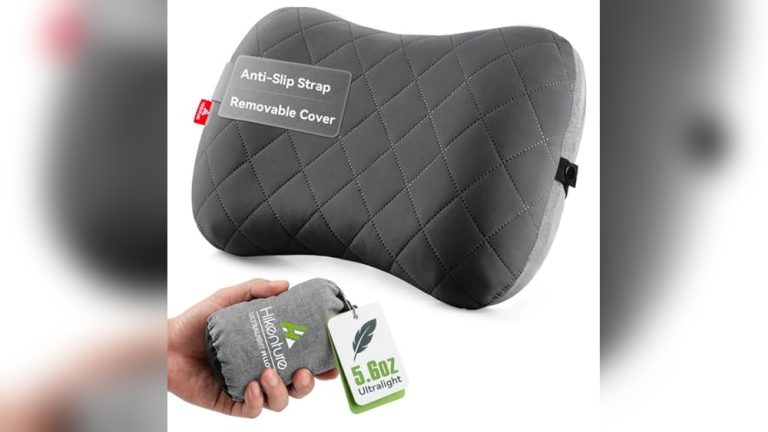
Choose a sleeping bag that packs small but fits your expected temperature range. Synthetic bags handle moisture better, but down bags are lighter. Your sleeping pad should be compact (inflatable pads are popular) and offer enough comfort for a good night’s sleep.
Cooking And Food
Go for a compact stove (like a canister stove), lightweight cookware, and dehydrated meals. Avoid bulky pots and pans. Bring a water filter or purification tablets if you’ll be away from clean water sources.
Clothing
Pack layered clothing so you’re ready for changing temperatures. Use moisture-wicking base layers and a lightweight rain jacket. Avoid packing too many clothes—most riders bring 2-3 days of outfits and wash as needed.
Essential Tools And Spare Parts
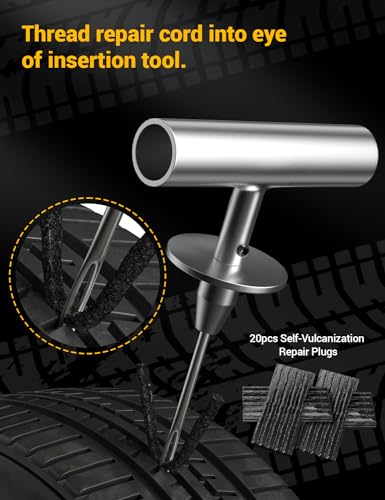
Carry basic tools, a tire repair kit, and spare bulbs or fuses. Choose tools that fit your bike’s bolts and fasteners.
Electronics
Keep electronics minimal: phone, GPS, power bank, and a headlamp. Use waterproof cases or bags.
Safety And Hygiene
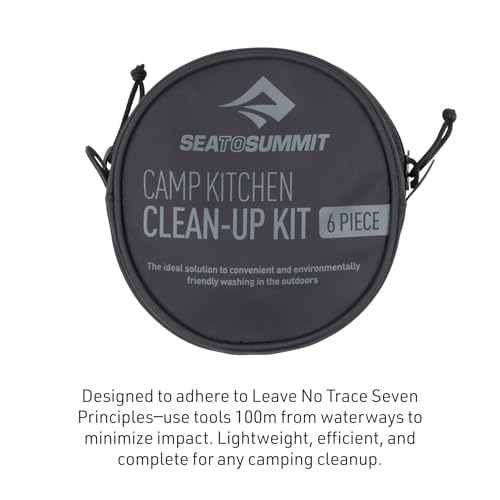
Bring a first aid kit, insect repellent, sunscreen, and a small towel. For hygiene, pack biodegradable soap and a toothbrush.
Organizing Your Motorcycle Luggage
Proper organization is vital for both safety and convenience. You’ll need to balance weight, accessibility, and security.
Types Of Motorcycle Luggage
Motorcycle luggage comes in several forms. Here’s a quick comparison:
| Luggage Type | Capacity | Weather Resistance | Security |
|---|---|---|---|
| Saddlebags | 15–40 liters per side | Good (especially hard bags) | Lockable (hard bags) |
| Top Case | 20–50 liters | Excellent | Lockable |
| Tank Bag | 5–20 liters | Varies | Quick access, not secure |
| Dry Bags | 10–40 liters | Waterproof | Depends on mounting |
Hard luggage (plastic or metal cases) offers weather protection and security. Soft luggage (fabric bags) is lighter and easier to fit on different bikes. Many riders use a mix: hard cases for valuables, soft bags for clothes.
Packing Order: What Goes Where
Keep heavy items low and close to the bike’s center. Place lighter things higher. Here’s a typical packing order:
- Saddlebags: Clothes, food, spare parts, tools.
- Top case: Electronics, first aid kit, rain gear, cooking gear.
- Tank bag: Wallet, phone, maps, snacks.
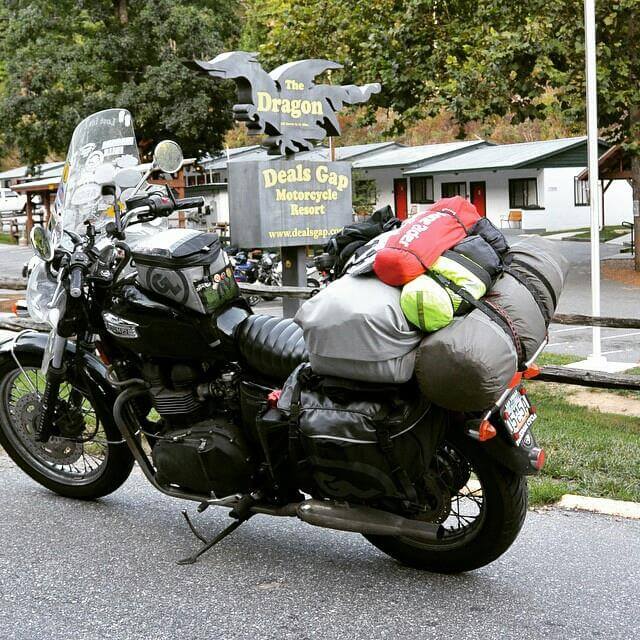
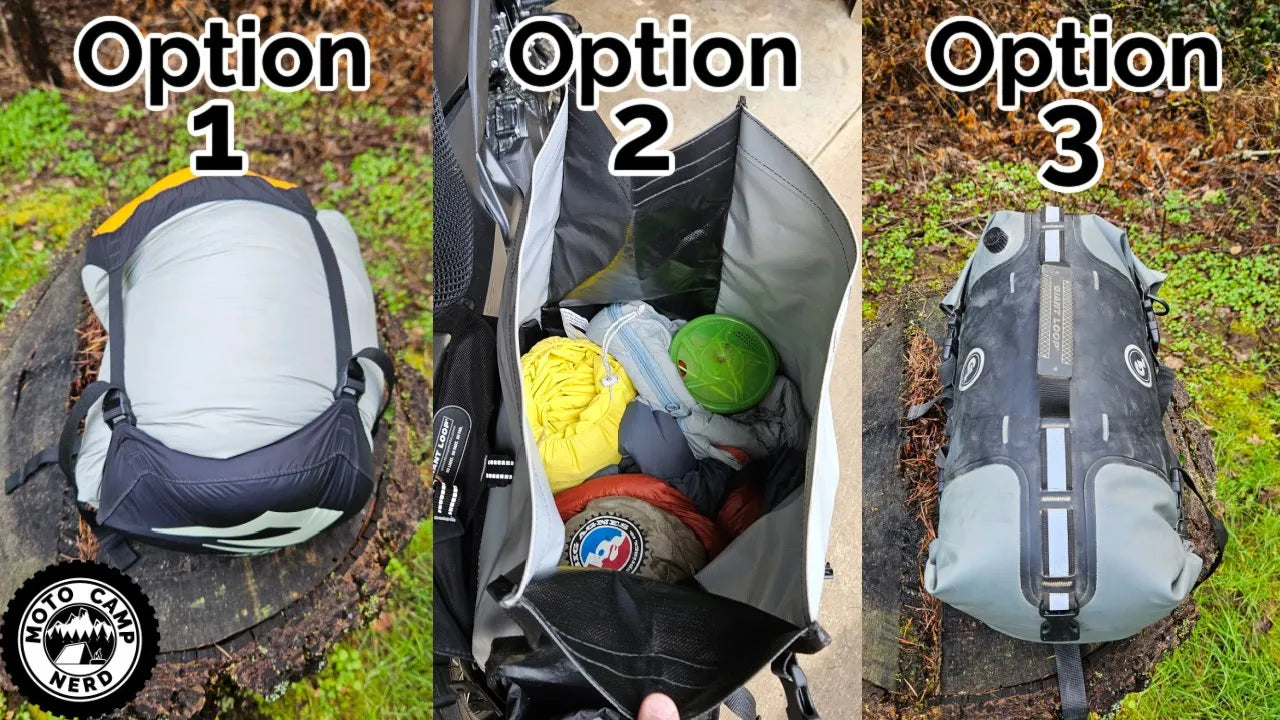
- Dry bag (on rear seat): Tent, sleeping bag, sleeping pad.
This order keeps the bike stable and makes important items easy to reach.
Weight Distribution: Safety And Handling
A motorcycle’s handling changes with extra weight. Poor balance can cause wobbling, slow steering, or tip-overs.
Weight Placement
Follow these rules:
- Keep heavy items low and centered (near the rear axle).
- Distribute weight evenly between left and right sides.
- Avoid packing too much on the tail—this can lift the front wheel and affect steering.
Maximum Weight Limits
Every motorcycle has a maximum payload (often called “GVWR”—Gross Vehicle Weight Rating). Check your owner’s manual. This includes rider, passenger, luggage, and gear.
| Motorcycle Type | Average Payload Limit | Recommended Luggage Weight |
|---|---|---|
| Adventure Bike | 400–500 lbs (180–225 kg) | 60–90 lbs (27–41 kg) |
| Cruiser | 350–450 lbs (160–205 kg) | 60–80 lbs (27–36 kg) |
| Sport Bike | 300–350 lbs (136–160 kg) | 50–65 lbs (23–29 kg) |
| Dual Sport | 280–350 lbs (127–160 kg) | 40–60 lbs (18–27 kg) |
Never overload your bike. Excess weight can damage suspension, tires, and brakes.
Adjusting Suspension And Tire Pressure
Before riding, adjust your suspension for extra weight. Many bikes have preload settings—check your manual. Also, increase tire pressure to handle the load. Too little pressure can cause tire wear or blowouts.
Waterproofing And Protecting Your Gear
Rain, mud, and dust are common on motorcycle camping trips. Protecting your gear from water and dirt is essential.
Waterproof Luggage
Use dry bags or waterproof covers for sleeping gear and clothes. Hard cases are usually waterproof, but check seals.
Packing Gear Inside Bags
Line soft bags with plastic trash bags or use smaller dry bags inside. This is a cheap way to add waterproofing. Keep electronics in zippered bags or waterproof pouches.
Quick Access To Rain Gear
Keep your rain jacket and pants near the top of a bag or in your tank bag. When the weather turns, you want to grab them fast.
Dealing With Mud And Dust
Bring a small brush or cloth to wipe off bags and boots. Store muddy gear in a separate dry bag to keep other items clean.
Packing Tips For Efficiency And Comfort
Efficient packing saves time and reduces stress. Here are proven tips from experienced riders:
- Make a packing list before each trip. Check off each item as you pack.
- Pack only what you need. Leave “just in case” items at home unless they’re safety essentials.
- Test pack your gear before the trip. Ride with it for a short distance to check balance and fit.
- Use packing cubes or stuff sacks to organize clothes and gear inside bags.
- Roll clothes instead of folding—they take up less space and stay wrinkle-free.
- Pack heavier items first, lighter items last.
- Keep your tent, sleeping bag, and pad together—it makes setting up camp easier.
- Label bags or use color coding to identify contents quickly.
- Secure loose straps so they don’t flap in the wind or catch on the bike.
- Leave space for souvenirs or extra food you might pick up along the way.
Many beginners forget to test their setup. Always do a short “loaded ride” before your big trip. You’ll spot problems early.
Common Mistakes To Avoid
Packing mistakes can turn a fun trip into a disaster. Here are errors to watch for:
- Overpacking: Too much gear means heavy bags and hard handling.
- Poor weight balance: Uneven loads cause wobbling and unsafe steering.
- Ignoring waterproofing: Wet clothes and gear ruin comfort.
- Packing essential items out of reach: Make sure rain gear and first aid are easy to grab.
- Loose or unsecured items: Straps or bags that flop can damage gear or cause accidents.
- Forgetting tools and spares: No tools means trouble if your bike breaks down.
- Neglecting tire pressure and suspension: Overloaded bikes need adjustments.
- Not checking luggage mounts: Loose mounts can let bags fall off mid-ride.
- Missing packing list: Forgetting a critical item is common without a checklist.
- Packing dirty or wet items with clean gear: Use separate bags to avoid odors and mildew.
An often-missed mistake: forgetting to lock or secure luggage when leaving the bike unattended. Theft happens, even in remote places.
Credit: timeline.cityofdavid.org.il
Packing For Different Weather And Destinations
Where and when you ride affects what you need to pack.
Cold Weather Camping
Bring extra layers, a warmer sleeping bag, and insulated gloves. Use a tent with better wind protection. Pack a small emergency blanket for extra warmth.
Hot Weather Camping
Pack light clothing, a sleeping bag liner, and extra water. Avoid heavy boots and jackets. Bring sunscreen and a hat for shade.
Rainy Or Humid Conditions
Use more waterproof bags and covers. Pack quick-drying clothes and avoid cotton. Bring extra socks.
Off-road Or Remote Destinations
Carry extra fuel, water, and a more complete tool kit. Pack a small shovel and emergency supplies. Use tougher luggage and avoid fragile electronics.
Packing For Solo Vs Group Motorcycle Camping
Packing changes depending on whether you ride alone or with others.
Solo Camping
You’ll need all essentials yourself: tent, stove, tools, first aid. Focus on lightweight gear and efficient packing.
Group Camping
Share some gear: stove, cooking pots, water filter, first aid kit. Divide weight among bikes. Coordinate packing lists to avoid duplicates.
A non-obvious insight: In a group, assign each person a key item (like tent or stove) so everyone knows what they’re responsible for.
Security And Theft Prevention
Camping means your bike and gear are sometimes out of sight. Protecting your belongings is crucial.
Locking Luggage
Use lockable hard cases for valuables. Soft bags can be secured with cable locks or padlocks.
Keeping Gear Safe At Campsites
Store expensive items (electronics, wallet) in your tent at night. Hide bags under your rain cover or dry bag.
Parking Tips
Choose well-lit areas. Park with other riders if possible. Use a disc lock or chain to secure your bike.
Preventing Gear Theft
Don’t leave loose items (helmets, jackets) on the bike. Take them with you or lock them up.
Many riders overlook small items—like gloves or tools—that can be easily stolen.
Packing For Different Motorcycle Types
Each motorcycle type has unique packing challenges.
| Bike Type | Best Luggage Setup | Key Packing Challenge | Tip |
|---|---|---|---|
| Adventure | Hard cases + dry bags | Large capacity, but needs balance | Use both side and rear luggage |
| Cruiser | Leather saddlebags + top case | Limited protection from weather | Add waterproof liners |
| Sport | Tail bag + tank bag | Small space, aerodynamic concerns | Pack light and secure tightly |
| Dual Sport | Soft bags + dry bags | Off-road vibration | Use rugged, flexible bags |
For sport bikes, avoid overloading the tail. Adventure bikes can carry more, but need careful weight distribution.
Credit: motocampnerd.com
Packing Checklist For Motorcycle Camping
Before you go, review this simple checklist:
- Tent
- Sleeping bag
- Sleeping pad
- Cooking stove
- Cookware
- Food and snacks
- Water filter/purification
- First aid kit
- Tools and tire repair kit
- Layered clothing
- Rain gear
- Electronics (phone, GPS, power bank)
- Helmet, gloves, riding jacket
- Personal hygiene items
- Insect repellent and sunscreen
- Packing cubes/stuff sacks
- Dry bags/plastic liners
- Locks and security devices
- Camping chair (optional)
- Trash bags (for dirty gear)
- Backup keys
Checking off this list before each trip helps avoid forgotten items.
Real-world Examples And Packing Stories
Let’s look at two packing stories to highlight lessons learned.
Story 1: Overloaded Adventure
John packed for a weeklong trip with his adventure bike. He brought a full-size tent, two sleeping bags, extra clothes, and even a folding table. After 100 miles, his bike handled poorly and his luggage mounts broke. He learned to cut his gear in half, switch to a smaller tent, and test load before leaving.
Story 2: Rainy Night Rescue
Maria packed her gear in soft bags but forgot waterproof liners. Heavy rain soaked her clothes and sleeping bag. She spent a cold night and had to dry everything at a laundromat. Next time, she used dry bags and kept rain gear on top.
A non-obvious insight: Most riders pack more for comfort than necessity. But the real comfort comes from a safe, light, and organized bike.

Credit: ridetofood.com
Frequently Asked Questions
How Do I Pack Clothes For Motorcycle Camping?
Roll clothes tightly to save space. Use packing cubes or stuff sacks to organize by type (shirts, pants, socks). Pack only what you need—most riders bring two sets for riding, one for camp, and extra underwear. Choose moisture-wicking materials for comfort.
What Should I Do If My Gear Gets Wet While Riding?
Remove wet items as soon as possible and dry them at camp. Use dry bags for storage and hang clothes under your tent’s vestibule or on a line. If your sleeping bag gets wet, pack a spare liner or emergency blanket for warmth.
How Can I Keep My Gear Safe From Theft While Camping?
Lock hard luggage and secure soft bags with cable locks. Store valuables in your tent at night. Park in visible, well-lit areas. Never leave electronics or wallets on the bike unattended.
How Much Weight Can I Safely Carry On My Motorcycle?
Check your bike’s payload limit in the manual. Most bikes safely carry 40–90 lbs (18–41 kg) of luggage. Weigh your gear before packing and distribute weight evenly. Adjust suspension and tire pressure for the load.
What’s The Best Way To Organize My Luggage For Easy Access?
Keep frequently used items (rain gear, snacks, first aid kit) in your tank bag or top case. Use color-coded bags or labels. Pack sleeping gear together in a dry bag and store heavy items low and near the center of the bike.
Packing a motorcycle for camping is about preparation, balance, and smart choices. With the right gear, organized luggage, and attention to weight and waterproofing, you’ll enjoy the freedom of the open road and the beauty of the outdoors. Take time to plan, test your setup, and learn from each trip. That way, your motorcycle camping adventure will be safe, comfortable, and full of unforgettable moments. If you want more detailed gear reviews or motorcycle camping advice, check out ADV Pulse for expert resources.
One Comment