
How To Plan A Camping Trip Without Stress Or Mistakes: Expert Tips

Planning a camping trip should bring excitement, not stress. But for many, the thought of packing, choosing a site, and organizing every detail quickly becomes overwhelming. Small mistakes—like forgetting gear or picking the wrong location—can turn a fun escape into a headache.
If you want to enjoy nature without worry, a clear, smart plan makes all the difference. With the right steps, you’ll avoid common errors and make your adventure memorable for all the right reasons.
This guide is your practical advisor for stress-free camping. You’ll learn how to pick the best spot, pack efficiently, organize meals, and keep everyone safe—plus some tips that even seasoned campers often miss. Whether you’re new to camping or want to refine your skills, you’ll find clear advice and real examples for every stage.
Let’s dive in so you can look forward to your trip instead of dreading the details.
Why Careful Planning Matters
Camping is more than just sleeping outdoors. It’s about connection to nature, relaxation, and adventure. But without good planning, unexpected problems can ruin the experience. A 2023 survey by the Outdoor Foundation found that 56% of campers had at least one major issue—such as forgotten gear, food shortages, or poor campsite selection. Even small details, like packing enough batteries or checking weather, can make a big difference.
Careful planning:
- Minimizes stress
- Prevents expensive mistakes
- Keeps everyone safe and comfortable
- Helps you enjoy each moment
Experienced campers know: preparation is the foundation for fun. For example, imagine forgetting your tent poles or sleeping bag—suddenly, your night becomes cold and uncomfortable. Or if you don’t check local wildlife warnings, you might face unexpected animal encounters. Even choosing the wrong food can make meals difficult and less enjoyable. A little extra attention before you leave home saves hours of trouble at the campsite.
Another reason to plan is safety. If you’re camping in an area with sudden weather changes, such as mountain regions, a lack of preparation can put you at risk. Campers who don’t research local conditions often find themselves unprepared for rain, cold, or heat.
Bringing a proper first-aid kit and knowing emergency contacts makes a real difference in these situations.
Choosing The Right Campsite
The location sets the tone for your trip. Where you camp affects everything—privacy, safety, activities, and even how you sleep. Here’s how to pick wisely.
Understand Your Goals
Start by deciding what you want:
- Relaxation: Seek quiet, scenic spots.
- Adventure: Look for hiking trails, lakes, or mountains nearby.
- Family-friendly: Choose sites with facilities and easy access.
Ask yourself: “What do I want from this trip?” For example, if you want to read and relax, avoid busy campgrounds near highways. If you plan to hike, search for campsites near trailheads.
Many campers miss this step and end up at places that don’t match their needs. A solo traveler might prefer a remote area, while families need playgrounds and bathrooms. Think about everyone in your group—kids, older adults, and pets may have different requirements.
Research Campground Options
Use reliable resources like Recreation.gov or state park websites. Compare factors:
- Facilities: Bathrooms, showers, picnic tables, fire pits
- Allowed activities: Fishing, swimming, biking
- Accessibility: Parking, wheelchair access, proximity to main roads
- Crowds: Some popular sites fill up months in advance
Check reviews—campers often share details about noise, cleanliness, and hidden issues. For example, one reviewer might mention that a site has lots of mosquitoes or noisy neighbors. Look for recent reviews; conditions can change quickly.
Also, check maps and photos. Some campgrounds post pictures of each site, helping you see shade, flatness, and privacy. If you want to avoid loud groups, look for sites away from playgrounds and main roads.
Compare Campsite Features
Here’s a comparison of three common options:
| Type | Facilities | Privacy | Cost | Booking Needed |
|---|---|---|---|---|
| State Park | Bathrooms, water, fire rings | Medium | $15-$35/night | Yes |
| National Forest | Primitive, sometimes none | High | Free-$20/night | Often not |
| Private Campground | Full amenities, playgrounds | Low | $30-$60/night | Yes |
If you’re new to camping, state parks are often a safe choice. They offer basic comforts and are usually well-maintained. National forests are great for experienced campers who want more privacy and fewer rules, but facilities may be minimal.
Private campgrounds can be convenient, especially for families and large groups. They offer extra services—like Wi-Fi, swimming pools, or rental cabins—but are often busier and more expensive.
Check Rules And Restrictions
Some areas restrict:
- Fire use (especially in dry season)
- Pets
- Group size
- Alcohol
Read the rules before booking. Missing details like “no fires allowed” can change your plans. For example, if you plan to cook over a campfire but fires are banned due to drought, you’ll need a stove instead.
Also, check rules about noise and quiet hours—some campgrounds enforce strict limits. If you bring a pet, make sure the site allows animals and check leash requirements.
Confirm Reservations
Popular sites can fill up quickly—sometimes months ahead. For national parks, reserve early. Always double-check confirmation emails and payment receipts.
Non-obvious tip: If you’re flexible, mid-week stays are less crowded and often cheaper. Weekends are busiest, so arriving on Tuesday or Wednesday gives you more space and peace. Last-minute cancellations sometimes free up spots—check online often for openings.
Creating A Packing Checklist
Packing is a source of stress for many campers. The right checklist saves time and avoids last-minute panic.
Start With Essentials
These basics should always be packed:
- Tent (with stakes and rainfly)
- Sleeping bag (appropriate for temperature)
- Sleeping pad or air mattress
- Cooking gear (stove, fuel, pots, utensils)
- Food and snacks
- Water bottles and filtration system
- Clothing for weather and activity
- First-aid kit
- Headlamp/flashlight (plus extra batteries)
- Trash bags
Don’t forget personal hygiene items—like toothbrush, soap, and toilet paper. Many campgrounds don’t supply these. A small towel, biodegradable soap, and hand sanitizer are useful additions.
Customize For Your Trip
Think about:
- Length of stay
- Weather forecast
- Activities (swimming, hiking, fishing)
- Kids or pets
For families, add games, books, and extra snacks. For hiking, bring lightweight gear. If you’re camping with pets, pack their food, bowls, leash, and a blanket or bed.
If your trip involves water activities, pack swimsuits, towels, and waterproof shoes. For cold nights, add hats, gloves, and extra blankets. Always check the forecast and adjust your list.
Avoid Common Packing Mistakes
- Forgetting small essentials: Like bug spray, sunscreen, or matches
- Overpacking: Heavy bags slow you down and clutter the site
- Not checking gear: Test your tent, stove, and flashlight at home
It’s easy to overlook items like chargers, spare batteries, or an extra pair of shoes. Beginners often bring too much clothing or bulky gear, making setup harder. Try to pack only what you’ll really use.
Also, check your equipment before leaving—set up your tent in your backyard, light your stove, and make sure flashlights work. If something is broken or missing, you’ll have time to fix it.
Packing Table Example
Compare what’s needed for different trip types:
| Item | Weekend Trip | Long Trip (5+ days) | Family Trip |
|---|---|---|---|
| Tent | Small | Large/extra space | Family-size |
| Food | Easy meals | Variety, more storage | Kid-friendly snacks |
| Clothing | Weather basics | Layers, extra socks | Extra for spills |
| Entertainment | Minimal | Books/cards | Toys/games |
Non-obvious tip: Pack a small repair kit—duct tape, sewing kit, and zip ties. It solves problems like torn tents and broken gear, which beginners often overlook. For example, if your tent zipper breaks or a strap snaps, duct tape and zip ties can save the day.
Another smart addition is a multi-tool—these are handy for cooking, repairs, and emergencies. If you plan to hike, bring a lightweight backpack and extra water.
Planning Food And Meals
Food planning is more than choosing what to eat. It affects your comfort, health, and enjoyment.
Know Your Cooking Options
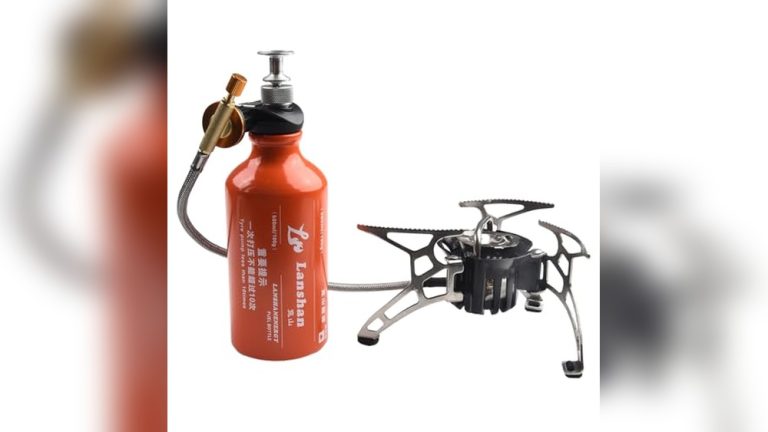
- Camp stove: Reliable and safe. Most parks allow them.
- Fire pit: Fun, but check local rules.
- Cold meals: Good for short trips or lunch.
Some campgrounds have BBQ grills or communal kitchens. Check ahead so you know what to bring. For backpacking, lightweight stoves and freeze-dried meals are best. For car camping, you can bring a cooler and more ingredients.
Build A Simple Meal Plan
Decide meals for each day:
- Breakfast: Oatmeal, eggs, fruit
- Lunch: Sandwiches, wraps, salads
- Dinner: Pasta, grilled meats, veggies
- Snacks: Nuts, granola bars, jerky
Plan easy meals to save time. For long trips, rotate food to avoid boredom. If you’re camping with kids, pack familiar foods—they’re less likely to complain.
Think about cooking time and effort. Simple meals like pasta, rice, or grilled veggies are easy and filling. Avoid recipes that need many steps or ingredients.
Store And Preserve Food
- Use coolers with ice packs for perishables.
- Bring food in sealed containers—protects from animals and insects.
- For backpacking, choose dehydrated meals.
If you don’t have access to refrigeration, stick to foods that don’t spoil—like canned beans, peanut butter, crackers, and dried fruit. Pack food in reusable containers to reduce waste.
Avoid Food Mistakes
- Underestimating food needs: Pack extra, especially for kids and active days.
- Poor storage: Animals can steal unsecured food.
- Complex recipes: Simple is better in the wild.
One common mistake is forgetting snacks—people get hungry between meals, especially after hiking. Also, don’t pack only sweet snacks; include salty and protein-rich options.
Non-obvious tip: Freeze water bottles for the cooler—they keep food cold and serve as drinking water as they melt. Another trick: use two coolers—one for drinks, one for food. This keeps food colder longer because you don’t open it as much.
Sample Meal Table
Here’s how to structure a two-day meal plan:
| Meal | Day 1 | Day 2 |
|---|---|---|
| Breakfast | Pancakes, fruit | Oatmeal, coffee |
| Lunch | Turkey sandwich | Tuna wrap |
| Dinner | Grilled chicken, veggies | Pasta with tomato sauce |
| Snacks | Trail mix, apples | Granola bars, nuts |

Credit: www.amazon.com
Safety And Emergency Preparedness
Safety is often ignored until something goes wrong. Good planning keeps everyone healthy and secure.
Know The Local Risks
Check for:
- Wildlife (bears, snakes, insects)
- Weather hazards (storms, heat, cold)
- Water safety (rivers, lakes)
Research local conditions on park websites or ranger stations. For example, some areas have ticks or poison ivy. Others have strict rules about storing food to prevent bear problems. If you’re camping near water, check for currents and depth.
Another risk is altitude—mountain campsites may cause headaches or breathing issues for some people. Know your limits and ask rangers about local dangers.
Prepare Your First-aid Kit
A basic kit should include:
- Bandages, gauze, tape
- Antiseptic wipes
- Tweezers (for ticks)
- Pain relievers
- Allergy medicine
- Emergency blanket
Add specific items if you have allergies or medical needs. For kids, include child-safe medicines and bandages. For pets, bring their medications and basic supplies.
Include insect repellent and sunscreen. Many campers forget these and end up uncomfortable or burned. For longer trips, pack extra supplies—blisters, cuts, and scrapes are common.
Plan For Emergencies
- Share your itinerary with someone at home.
- Know the nearest hospital or ranger station.
- Bring a map—phones may not work in remote areas.
If you’re camping alone, check-in with friends daily by text or call. For groups, assign one person to keep emergency contacts. Learn how to use a compass and read maps.
Bring a small waterproof notebook for emergency info—like campsite number, ranger station phone, and medical details.
Avoid Common Safety Mistakes
- Ignoring weather forecasts: Always check before leaving.
- Not learning basic first-aid: Take a free online course.
- Skipping water purification: Streams may carry bacteria.
Water purification is often missed—boil water, use filters, or bring purification tablets. Even clear mountain streams can carry germs.
Non-obvious tip: Pack a whistle for each camper. It’s the easiest way to signal for help if lost. Brightly colored clothing or gear also helps others find you in an emergency.
Organizing Activities And Entertainment
Camping isn’t just sitting around a fire. Activities keep everyone engaged and happy.
Plan Outdoor Activities
Popular options:
- Hiking: Choose trails by difficulty and length.
- Swimming: Make sure water is safe and allowed.
- Fishing: Get permits if needed.
- Biking: Check for bike-friendly paths.
Ask everyone in your group what they enjoy—include variety. For example, mix hiking with relaxing time at the campsite.
If you’re with kids, plan scavenger hunts, nature walks, or simple outdoor games. For adults, consider photography, bird watching, or stargazing.
Prepare For Downtime
Bring:
- Card games
- Books
- Drawing supplies
- Musical instruments
Rain or nighttime can limit outdoor fun. A backup plan prevents boredom. Many campers bring portable speakers for music, but keep volume low to respect others.
If you’re creative, try journaling or sketching. A small art kit or camera can make downtime more enjoyable.
Avoid Activity Pitfalls
- Over-scheduling: Allow free time for relaxation.
- Ignoring group interests: Mix activities for all ages and abilities.
- Not checking activity rules: Some parks restrict swimming or biking.
Flexibility is important—if someone wants to rest, don’t force activities. Check local rules for fishing and biking; many parks require permits or limit where you can go.
Non-obvious tip: Bring a small notebook. Record wildlife, weather, or funny moments—makes memories more vivid. You can use this notebook to track useful details for future trips, like which sites worked best or what gear was most helpful.

Credit: iantaylortrekking.com
Managing Group Dynamics
Camping with others brings unique challenges. Communication and teamwork are key.
Assign Roles
Give everyone a task:
- Cooking
- Setting up tents
- Gathering firewood
- Cleaning up
This keeps everyone involved and prevents arguments. For larger groups, assign a leader to coordinate activities and solve problems.
If someone is new to camping, pair them with an experienced camper. This helps them learn and feel included.
Set Expectations
Discuss:
- Quiet hours
- Sharing gear
- Personal space
Clear rules help avoid misunderstandings. For example, agree on when to wake up, who cooks, and how chores are divided.
If you have kids, set boundaries for where they can play. For teens, discuss phone use and group participation.
Handle Conflict
If tension arises:
- Step back and cool off
- Focus on solutions, not blame
- Remember: The goal is fun, not perfection
Encourage respect and patience. If someone makes a mistake, help them fix it instead of criticizing.
Non-obvious tip: Rotate roles each day. Everyone gets a chance to try something new and avoids feeling stuck. For example, switch cooking duties or let different people lead hikes.
Budgeting And Cost Control
Camping is usually affordable, but costs can add up if you’re not careful.
Estimate Expenses
Consider:
- Campsite fees
- Food and supplies
- Gear rental or purchase
- Transportation (gas, parking)
- Permits and licenses
Write down all expected costs before booking. Include extras like firewood, ice, or activity fees.
For first-timers, borrowing or renting gear saves money. If you camp often, buying good-quality gear is a long-term investment.
Save Money
- Borrow gear from friends
- Choose free or low-cost sites
- Buy food in bulk
- Share costs among group
Also, look for sales on camping gear—many stores offer discounts before summer or after the season ends.
Campgrounds sometimes offer group rates or discounts for seniors, students, or veterans.
Avoid Budget Mistakes
- Not tracking expenses: Keep a simple log on your phone.
- Impulse buying gear: Rent or borrow for your first trip.
- Overpaying for extras: Many “luxury” items are unnecessary.
It’s easy to buy too many gadgets—stick to basics and upgrade only as needed.
Non-obvious tip: Check local outdoor clubs—they often loan gear or offer member discounts. Some clubs host group camping trips and provide free workshops on skills like cooking and navigation.
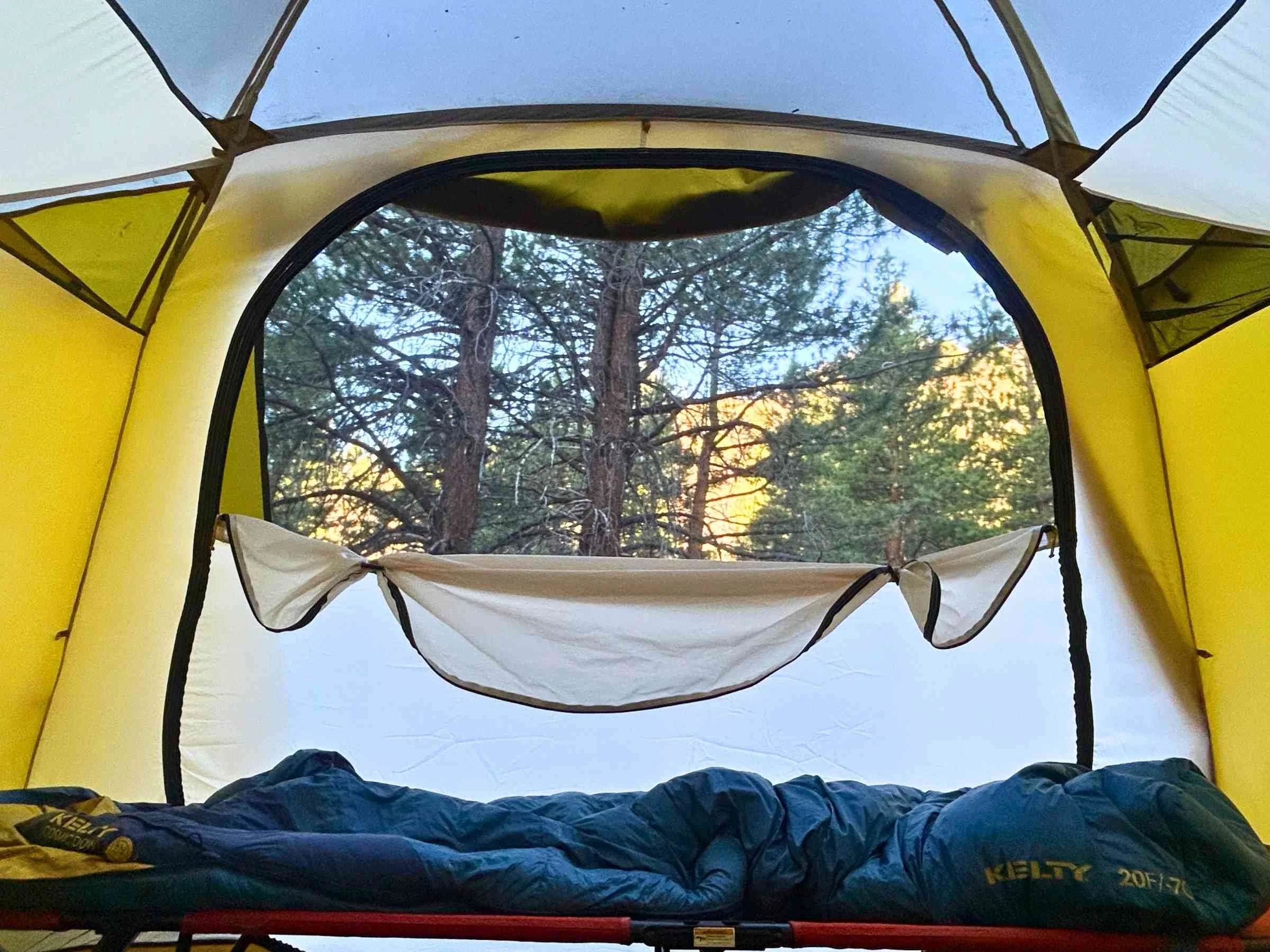
Credit: www.treelinereview.com
Weather Planning And Adaptation
Weather can change quickly outdoors. Preparing for all conditions prevents discomfort and danger.
Check Forecasts
Use reliable sources like the National Weather Service. Look for:
- Temperature highs and lows
- Rain or storms
- Wind speeds
Update your plan as the trip approaches. If storms are likely, pack extra tarps and check for safe shelter options.
Pack For All Conditions
Bring:
- Rain gear (jackets, ponchos)
- Warm layers (even in summer)
- Sun protection (hats, sunglasses)
- Waterproof bags for electronics
For cold nights, bring sleeping bag liners and warm socks. For hot days, pack light clothing and extra water.
Adapt On-site
- Move tents away from low spots (flood risk)
- Set up tarps for shelter
- Delay activities if storms approach
If weather turns bad, have indoor games or reading materials ready. For heatwaves, plan activities in the morning or evening.
Non-obvious tip: Bring microfiber towels. They dry quickly and help in both rain and heat. For sudden weather changes, they’re handy for wiping gear, drying off, or providing extra warmth.
Packing Up And Leaving No Trace
Leaving a campsite clean is respectful and required in many parks.
Follow Leave No Trace Principles
- Pack out all trash (including food scraps)
- Clean fire pits (remove unburned wood)
- Minimize impact—avoid disturbing plants and animals
- Restore the site: Smooth out tent spots, scatter rocks
Always check for forgotten items—lost gear is wasteful and can harm wildlife. Use reusable containers and avoid single-use plastics.
If you brought firewood, take unused wood home or leave it as directed. Don’t burn trash or leave food behind.
Final Checks Before Leaving
- Double-check for forgotten items
- Inspect for any lost gear
- Take photos to remember the site
Walk the site carefully—look under tables and around tents. Many campers leave small things like utensils, sunglasses, or chargers.
Photos help you remember good spots for next time and prove you left the site clean.
Avoid Departure Mistakes
- Leaving behind trash: Animals and future campers suffer
- Damaging natural features: Stay on trails and respect boundaries
- Rushing: Take time for a careful sweep
Non-obvious tip: Bring extra trash bags—many campsites don’t provide them, and you’ll need one for unexpected waste. Also, bring gloves for picking up trash or cleaning fire pits.
Technology And Connectivity
Many campers want a balance between unplugging and staying safe.
Decide On Device Use
- Limit phones for emergencies and photos
- Consider bringing a solar charger
- Use offline maps and apps
Before the trip, download guides, maps, and weather forecasts. This way, you can check information even without a signal.
If you want to unplug, set phone limits—like checking only once a day or turning off notifications.
Stay Connected Safely
- Share your location with someone at home
- Bring a backup battery
- Keep devices in waterproof bags
For remote areas, consider a satellite phone or emergency beacon. These help in places without cell coverage.
Avoid Tech Mistakes
- Relying on GPS alone: Always have a physical map
- Overusing devices: Enjoy nature, not screens
- Forgetting chargers: Solar or portable chargers are best
Non-obvious tip: Download weather alerts for your region—they work offline and warn about sudden changes. Many navigation apps let you save maps for offline use—practice using them before your trip.
Extra Tips For Stress-free Camping
- Arrive early: Gives you time to set up and fix problems.
- Walk the site before pitching your tent: Look for flat, dry ground away from hazards.
- Double-check gear: Test everything at home.
- Bring backup light: Headlamps are safer than flashlights.
- Make a simple schedule: Structure helps, but don’t over-plan.
- Expect surprises: Flexibility keeps stress low.
- Plan a “trial run”: If you’re new, camp in your backyard or a local park before heading far away.
- Use color-coded bags for gear: Makes packing and finding items easier.
Frequently Asked Questions
How Early Should I Book A Campsite?
Most popular campsites—especially in national parks—should be booked 2–6 months in advance. Some spots allow booking closer to the date, but during peak season, early reservations are crucial to secure your preferred site.
What Is The Best Way To Keep Food Safe From Animals?
Store all food in sealed containers and place them in a locked car or use bear-proof lockers if available. Never leave food or trash unattended. Hanging food from a tree is a common method, but it’s not always allowed or effective for all animals.
How Can I Prevent Common Camping Injuries?
Prepare with a well-stocked first-aid kit, learn basic first-aid skills, and always check the site for hazards like sharp rocks or uneven ground. Wearing proper shoes and using insect repellent reduces the risk of cuts and bites.
What Should I Do If The Weather Changes Suddenly?
Have rain gear and extra layers ready. Move tents away from low areas to avoid flooding. If storms approach, seek shelter in a car or designated safe area. Always check forecasts before leaving and adapt your schedule as needed.
Is It Okay To Bring Technology On A Camping Trip?
Yes, but use it wisely. Devices are useful for emergencies and navigation, but try to limit screen time to enjoy nature. Bring backup power and keep devices in waterproof bags. Use offline maps and weather alerts for safety.
Camping should be joyful, not stressful. With careful planning, smart packing, and awareness of common mistakes, you can turn any trip into a relaxing adventure. Remember to stay flexible, respect nature, and enjoy each moment—because the best memories come from being present, not perfect. For more detailed planning tools and campsite reviews, visit Recreation.gov—a trusted resource for all outdoor explorers.
3 Comments