Is It Legal to Listen to Music While Riding a Motorcycle? Expert Guide

Are you someone who loves riding your motorcycle and wonders if you can listen to music while on the road? It sounds like a great way to make your ride more enjoyable, but is it actually legal?
You might be surprised by the rules that affect your safety and your rights. Keep reading to find out what the law says, how it can impact your ride, and what you should consider before you hit play. This knowledge could save you from fines—or worse—while still letting you enjoy your favorite tunes.
Laws On Motorcycle Audio Use
Listening to music while riding a motorcycle has become popular with modern helmet audio systems. Yet, many riders ask about the laws on motorcycle audio use. These laws vary widely by country and region. Understanding them helps riders stay safe and avoid legal trouble. Traffic laws motorcycle headphones and helmet Bluetooth legality are key parts of these rules. Riders must balance enjoyment with safety and legal limits.
Country-specific Regulations
Country motorcycle audio restrictions differ based on road safety policies and cultural attitudes. Some countries allow listening to music while riding but with limits on volume and device type. Others ban headphones or earplugs completely to reduce distractions.
Here is a summary of common rules in various countries:
| Country | Audio Device Allowed? | Key Restrictions |
|---|---|---|
| United States | Varies by state | Some states ban headphones; others allow hands-free audio devices motorcycle |
| United Kingdom | Generally allowed | Volume must not block out traffic sounds; no headphones covering both ears |
| Australia | Mostly banned | Use of headphones or earbuds prohibited for safety |
| Germany | Allowed with conditions | Helmet audio systems OK if ambient sounds can be heard |
Countries focus on reducing risk from distracted riding laws. Many permit helmet Bluetooth legality only if it does not impair hearing important sounds like sirens or horns.
State And Local Variations
State motorcycle audio rules can be very different within the same country. In the US, for example, states create their own laws about traffic laws motorcycle headphones use. Local authorities may add extra rules for specific roads or cities.
Common variations include:
- Complete bans on headphones covering both ears.
- Allowing only one earbud or helmet speakers.
- Restrictions on volume to ensure awareness.
- Requirements to use hands-free audio devices motorcycle for calls or music.
Some states also regulate the use of motorcycle helmet audio laws to ensure riders hear ambient traffic sounds. This helps prevent accidents caused by missing important auditory cues. Local rules can add fines or warnings for violations.
Riders should check specific state motorcycle audio rules before using devices. This prevents legal consequences motorcycle music and keeps riders safe.
Penalties For Violations
Breaking distracted riding laws or ignoring motorcycle safety regulations on audio use can lead to penalties. Authorities treat unsafe music listening as a risk to both rider and others.
Common penalties include:
- Fines ranging from small amounts to hundreds of dollars.
- Points on the rider’s license, increasing insurance costs.
- Warnings or citations from traffic officers.
- Possible court appearances for repeated offenses.
Serious violations may result in:
- Suspension of motorcycle license.
- Increased scrutiny from law enforcement.
- Liability for accidents caused by distracted riding.
Legal consequences motorcycle music offenses serve to promote safer riding habits. Riders must use approved devices and keep volume low. Following helmet Bluetooth legality standards reduces risks of fines and accidents.
Safety Implications
Listening to music while riding a motorcycle raises important questions about safety. The Safety Implications go beyond just legal concerns. Understanding how music affects rider awareness, noise distractions, and helmet compatibility is crucial for safe riding. Many riders enjoy music, but it can influence focus and hearing on the road. This section explores key factors linked to Rider Safety And Music.
Impact On Rider Awareness
Music can change how well a rider notices their surroundings. The Impact Of Music On Rider Concentration is significant because it may reduce the ability to hear important sounds like horns, sirens, or engine noises. This loss of Auditory Awareness While Riding can increase the risk of accidents.
Key points include:
- Reduced reaction time: Music can distract the brain from processing external sounds quickly.
- Lowered situational awareness: Riders may miss visual cues while focusing on their music.
- Difficulty hearing emergency signals: Critical sounds may be masked by music.
Here is a comparison of rider alertness with and without music:
| Condition | Alertness Level | Reaction Speed |
|---|---|---|
| No Music | High | Fast |
| With Music | Moderate to Low | Slower |
Safe Riding Practices With Music require riders to keep volume low or use only one earbud. This helps maintain better awareness.
Noise Distraction Risks
Noise distractions from music increase Distracted Riding Risks. Loud music can cause hearing fatigue and block out natural road sounds. This breaks one of the fundamental rules of safe riding: staying alert to the environment.
Common risks caused by noise distractions:
- Missing traffic signals and warnings
- Not hearing other vehicles approaching
- Reduced ability to judge distance and speed
Motorcycle Noise Regulations and Motorcycle Music Laws in many regions limit or ban headphone use to reduce these risks. Legal Restrictions On Headphones vary but often aim to protect rider hearing and focus.
Below are some safe listening tips to reduce noise distractions:
- Keep volume at a moderate level
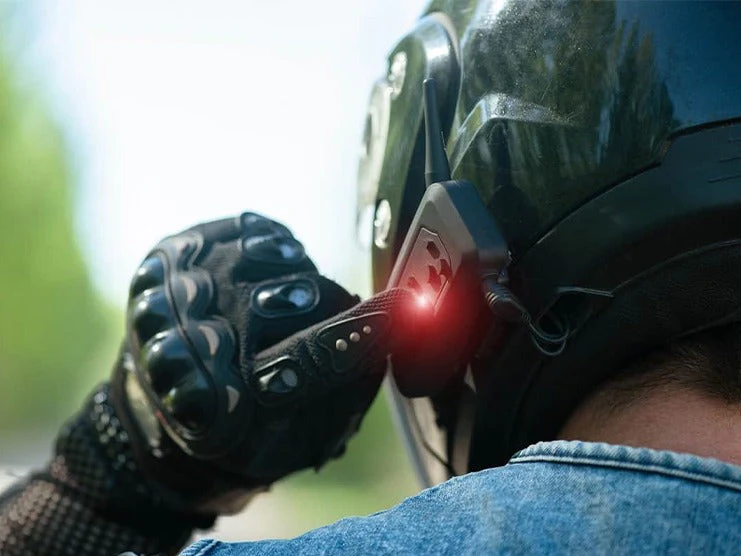
- Use helmet audio systems designed for motorcycles
- Avoid music in heavy traffic or bad weather
Helmet Compatibility
Helmet audio systems and headphone use must match Motorcycle Helmet Sound Compatibility standards. Some helmets come with built-in speakers designed to balance sound without blocking external noise. This helps riders enjoy music while maintaining safety.
Important factors for helmet compatibility:
- Proper fit to avoid blocking natural sounds
- Speakers that do not cover ears completely
- Easy volume control without removing helmet
Using incompatible headphones may violate Motorcycle Music Laws or Legal Restrictions On Headphones. It can also reduce hearing of traffic sounds, increasing accident risk.
Here is a summary table of helmet audio options:
| Audio Type | Safety Level | Compliance With Laws |
|---|---|---|
| Built-in Helmet Speakers | High | Usually compliant |
| Over-ear Headphones | Low | Often non-compliant |
| Single Earbud | Moderate | Varies by location |
Choosing the right helmet and audio system supports Safe Riding Practices With Music. It balances enjoyment and safety on the road.
Types Of Permitted Devices
Listening to music while riding a motorcycle can be enjoyable but comes with legal limits. Different devices have different rules depending on safety and distraction concerns. Understanding the types of permitted devices helps riders follow the law and stay safe. Laws vary by state and country, but most focus on how the device affects hearing and attention. This section explains common devices allowed and their rules under Riding Motorcycle Music Legality and Distracted Riding Laws.
Bluetooth And Wireless Headsets
Bluetooth and wireless headsets are popular for listening to music on motorcycles. Many riders prefer these because they offer hands-free control and reduce wire tangling. Laws about Bluetooth Headset Motorcycle Rules usually allow their use if they do not block hearing important sounds like sirens or horns.
- Bluetooth headsets connect directly to phones or music devices.
- They often include noise-canceling features, which can be risky if too strong.
- Most states allow one earbud or headset but ban both ears being covered.
- Wireless headsets should not distract the rider or reduce awareness of surroundings.
Some helmets come with built-in Bluetooth systems, called Helmet Audio System Legality. These are legal when used responsibly and volume stays within limits. Riders should check local Motorcycle Audio Laws before using these devices.
| Device Type | Allowed Use | Common Restrictions |
|---|---|---|
| Bluetooth Headset (single ear) | Permitted in most regions | One ear only, volume limits apply |
| Helmet Bluetooth Audio System | Permitted with volume control | No full ear blocking, no loud volume |
| Wired Headphones | Usually restricted | Both ears blocked, distraction risk |
Speakers Versus Earbuds
Choosing between speakers and earbuds affects legal use and safety. Motorcycle Speaker Usage Regulations vary by location. External speakers can share music with others but may disturb traffic noise awareness. Earbuds fit inside the ear and can block important sounds.
Speakers mounted on motorcycles:
- Must not be too loud to distract other drivers.
- Allowed in most places but volume must stay within limits.
- Can help riders stay aware of traffic sounds around them.
Earbuds inside the ear canal:
- Often restricted or banned under Earbud Use Motorcycle laws.
- Can block emergency sirens or horns.
- Single-earbud use is sometimes allowed for calls or navigation.
| Device | Pros | Cons |
|---|---|---|
| Speakers | Less ear blocking, share sound | May disturb others, volume regulated |
| Earbuds | Good sound quality, private listening | Can block important sounds, often illegal |
Volume Restrictions
Volume Limits Motorcycle Riding exist to protect both riders and others on the road. Loud music can distract and reduce the rider’s ability to hear traffic. Many states have strict Motorcycle Audio Laws setting maximum volume levels.
Riders must keep volume at a safe level to comply with Distracted Riding Laws. Excessive volume may result in fines or penalties. Here are key points on volume restrictions:
- Volume must allow hearing emergency signals like sirens and horns.
- Some areas require riders to keep one ear free from audio devices.
- Using speakers or headsets at high volume is often illegal.
- Helmets with built-in audio systems must have volume control features.
Safe listening practices reduce risks and improve awareness. Following Wireless Earphones Motorcycle Laws and volume restrictions helps riders stay legal and safe.

Enforcement And Real-world Scenarios
Understanding the enforcement and real-world scenarios of listening to music while riding a motorcycle is crucial. Laws vary by location, and police officers apply Motorcycle Noise Regulations and Motorcycle Audio Laws differently. Riders must know how law enforcement handles checks and what behaviors may lead to violations. This section explores how police enforce these rules, common infractions, and experiences shared by motorcycle riders. It helps clarify the balance between enjoying music and maintaining Riding Safety And Music guidelines.
Police Practices
Law enforcement officers conduct regular Law Enforcement Motorcycle Checks to ensure riders follow safety and noise regulations. These checks often focus on noise levels, use of helmet speakers, and any signs of distracted driving. Police look for violations of Motorcycle Audio Laws and Motorcycle Noise Regulations that could impair a rider’s ability to hear traffic sounds or emergency signals.
Typical police practices include:
- Stopping riders for loud audio devices or helmet speakers that exceed sound limits.
- Checking if riders use Motorcycle Helmet Communication Devices properly and legally.
- Warning or ticketing riders distracted by audio distractions motorcycle riders often face.
Some police departments use decibel meters to measure sound from helmet speakers or external audio systems. Officers also educate riders about Rider Music Listening Rules to prevent Distracted Driving Motorcycle incidents. The focus is on safety, making sure music does not interfere with attention to road conditions.
Common Violations
Several common violations appear during police checks related to listening to music on motorcycles. Most involve breaking Motorcycle Audio Laws or ignoring Motorcycle Noise Regulations. Here are frequent infractions:
- Playing music too loudly, exceeding legal decibel limits.
- Using unauthorized helmet speakers or communication devices.
- Covering both ears with headphones, reducing environmental awareness.
- Failing to hear emergency vehicle sirens due to audio distractions.
| Violation | Potential Penalty | Safety Risk |
|---|---|---|
| Loud music via helmet speakers | Fine or warning | Reduced traffic awareness |
| Using non-approved audio devices | Device confiscation or fine | Distraction and hearing loss |
| Wearing earbuds in both ears | Fine or license points | Missing emergency sounds |
Understanding these violations helps riders stay within legal limits and protect themselves. Observing Motorcycle Riding Legal Tips prevents penalties and improves safety.
Rider Experiences
Many riders share stories about their experiences with music while riding and encounters with law enforcement. Some report police officers stopping them for Helmet Speakers Legality checks or loud music complaints. Others mention learning about Rider Music Listening Rules during routine stops.
Common themes in rider experiences include:
- Realizing music volume affects ability to hear road sounds.
- Switching to approved Motorcycle Helmet Communication Devices for safer audio listening.
- Balancing enjoyment of music with Riding Safety And Music practices.
Riders also discuss how following Motorcycle Noise Regulations reduces risk of fines and improves focus. Several recommend keeping volume low and using single-ear devices to avoid audio distractions motorcycle riders face. These stories highlight the importance of obeying laws and staying alert.
Overall, rider experiences show that respecting audio rules supports safer riding and better compliance with law enforcement.
Alternatives For Safe Listening
Listening to music while riding a motorcycle raises many questions about safety and legality. Many riders want to enjoy music without breaking legal regulations motorcycle music rules or risking distracted driving motorcycle incidents. There are smart alternatives for safe listening that follow riding music legal guidelines and protect both the rider and others on the road. These options balance enjoyment with caution, making motorcycle safety audio possible without breaking the law.
Hands-free Communication Systems
Hands-free communication systems provide a safe way to listen to music and stay connected. These devices, often called helmet communication devices or Bluetooth helmet headphones, allow riders to hear music and make calls without using their hands. This reduces the chance of distracted driving motorcycle accidents.
Key benefits of hands-free motorcycle systems include:
- Clear sound quality without blocking outside noise
- Easy control through voice commands or buttons on the helmet
- Ability to communicate with other riders or answer phone calls safely
- Compliance with motorcycle audio laws that ban earphones inside the ear canal
Here is a quick comparison of popular hands-free systems:
| System | Range | Music Quality | Price |
|---|---|---|---|
| Brand A | 1 km | High | $$$ |
| Brand B | 500 m | Medium | $$ |
| Brand C | 2 km | High | $$$$ |
Using hands-free communication systems helps riders follow legal regulations motorcycle music rules and focus on the road.
Music Apps With Safety Features
Safe music apps riders can use improve motorcycle safety audio by limiting distractions. These apps offer features designed specifically for riders who want to enjoy music without compromising safety.
Features found in safe music apps:
- Automatic volume adjustment based on speed and noise
- Easy-to-use interfaces with large buttons for quick control
- Voice commands for changing tracks or adjusting volume
- Integration with helmet communication devices for clear sound
Some apps also include alerts for traffic or road hazards, helping riders stay alert. These safe music apps riders prefer support riding music legal guidelines and reduce distracted driving motorcycle risks.
Here is a summary of popular safe music apps:
| App Name | Safety Feature | Platform | Price |
|---|---|---|---|
| RideSafe Music | Speed-based volume control | iOS, Android | Free |
| HelmetTunes | Voice commands | iOS | Free with ads |
| RoadAlert Audio | Traffic alerts | Android | Subscription |
Using External Speakers
External speakers motorcycle legality varies by location. Many riders choose external speakers to enjoy music without blocking ear canals, which helps comply with motorcycle audio laws.
Advantages of using external speakers include:
- Allowing ambient sounds like traffic or emergency signals
- Reducing ear fatigue compared to headphones or in-ear devices
- Easy installation on most motorcycle models
Some riders worry external speakers cause noise pollution or disturb others. Legal regulations motorcycle music specify maximum volume limits to avoid fines.
Check local laws before installing external speakers. Use the following table to understand common rules:
| Region | Max Volume (dB) | Restrictions |
|---|---|---|
| State A | 80 | No speakers facing rear |
| State B | 75 | Mute when stopped |
| State C | 85 | Use only in rural areas |
External speakers offer a balance between enjoyment and safety while following riding music legal guidelines.
Frequently Asked Questions
Is It Legal To Listen To Music While Riding A Motorcycle?
Laws vary by location, but many places restrict or ban music while riding. Always check local regulations before using headphones or speakers on a motorcycle.
Can Listening To Music Affect Motorcycle Riding Safety?
Yes, music can distract riders and reduce awareness of traffic sounds. This distraction increases the risk of accidents and impairs reaction time.
Are Motorcycle Helmet Speakers Allowed By Law?
Helmet speakers are legal in some areas if volume is low and ambient sounds remain audible. Confirm your local laws before using helmet audio devices.
What Are The Penalties For Illegal Music Use On Motorcycles?
Penalties can include fines, citations, or points on your license. Enforcement depends on local traffic laws and the severity of the offense.
Conclusion
Listening to music while riding a motorcycle depends on your local laws. Some places allow it with certain rules, while others do not. Safety should always come first. Music can distract you from important sounds on the road. Use only one earbud or keep the volume low if allowed.
Stay alert and aware of your surroundings. Riding safely helps prevent accidents and keeps you and others safe. Always check your local traffic rules before playing music on your ride. Stay smart, stay safe, and enjoy the journey responsibly.