Motorcycle Airbag Vs Armor: Ultimate Protection Showdown 2025

When you ride a motorcycle, your safety gear can make all the difference between a minor scrape and a serious injury. You’ve probably heard about both motorcycle airbags and armor, but which one really protects you better?
Choosing the right protection isn’t just about comfort—it’s about your life on the road. You’ll discover the key differences between motorcycle airbags and armor, so you can decide what keeps you safest every time you hit the throttle. Keep reading to find out which gear gives you the edge when it matters most.
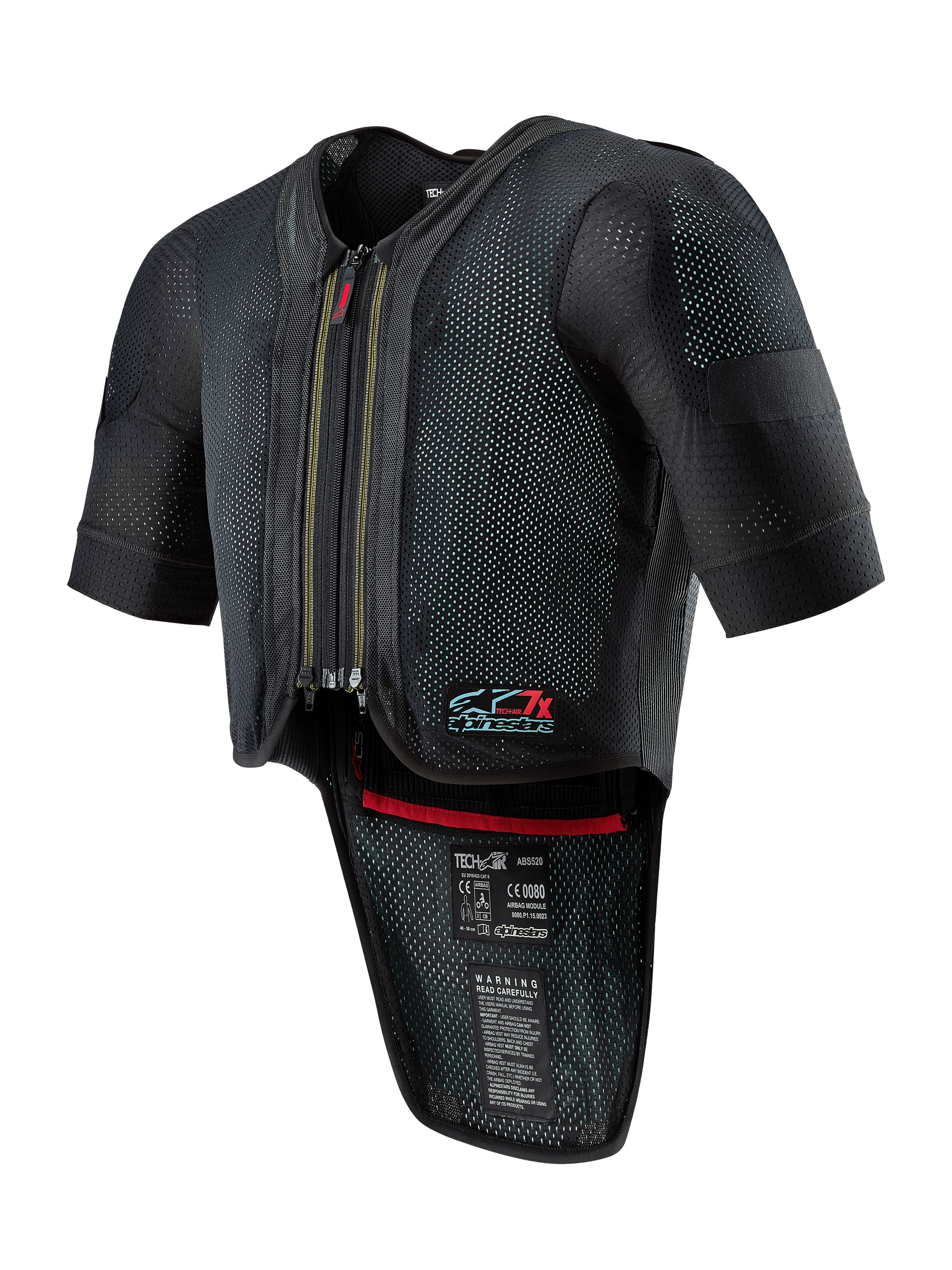
Credit: at.alpinestars.com
Motorcycle Airbags
Motorcycle safety gear has evolved with new rider safety innovations like wearable airbag systems. These systems provide an added layer of protection beyond traditional armored motorcycle jackets and motorcycle armor types. Motorcycle airbags are part of protective motorcycle equipment designed to reduce injury during crashes. They work differently from standard armor by inflating upon impact, offering dynamic motorcycle crash protection. Understanding how airbag vest technology works helps riders choose the right impact protection gear.
Types Of Airbags
There are several types of motorcycle airbags available, each designed for different needs and riding styles. The most common types include:
- Airbag Vests: Lightweight and worn over or under a jacket, these vests inflate around the torso.
- Integrated Airbag Jackets: Jackets with built-in airbags, combining armor and airbag protection in one piece.
- Standalone Airbag Modules: Systems that attach to existing jackets or suits, providing airbag protection without replacing gear.
- Wireless Airbag Systems: These use sensors on the bike and rider to detect crashes and trigger airbag deployment remotely.
- Tethered Airbag Systems: Connected by a cord to the bike, the airbag inflates if the rider separates from the motorcycle.
The following table summarizes these types:
| Airbag Type | Description | Best For |
|---|---|---|
| Airbag Vests | Worn over or under clothing, inflates around torso | Casual riders, commuters |
| Integrated Jackets | Airbag built into jacket, combines armor and airbags | Sport and touring riders |
| Standalone Modules | Attach to existing gear, add airbag protection | Riders with favorite jackets |
| Wireless Systems | Uses sensors, no physical tether | Advanced riders, tech enthusiasts |
| Tethered Systems | Connected by cord to bike, deploys on separation | Street riders, urban commuters |
How Airbags Work
Motorcycle airbags use an airbag deployment mechanism to protect riders during crashes. The system detects sudden changes in movement or separation from the bike and inflates the airbag instantly.
Key steps in the process include:
- Detection: Sensors detect impact or rapid acceleration/deceleration.
- Activation: The system triggers inflation within milliseconds.
- Inflation: The airbag fills with gas, creating a cushion around the rider’s upper body.
- Protection: The inflated airbag absorbs impact forces, reducing injury risk.
- Deflation: The airbag deflates slowly after the impact to allow movement.
Some wearable airbag systems use electronic sensors, while others rely on mechanical tethers. The difference affects response time and reliability. Electronic systems can also connect to the motorcycle’s electronics for faster detection.
The airbag covers vital areas such as the chest, back, and neck. This protection complements traditional armored motorcycle jackets by adding dynamic cushioning during a crash.
Advantages Of Airbags
Airbag vest technology offers several benefits over standard motorcycle armor types. Some key advantages include:
- Improved Impact Protection: Airbags absorb energy from crashes, reducing blunt force injuries.
- Coverage of Vital Areas: Airbags protect the chest, spine, and neck more effectively than some armor.
- Lightweight and Comfortable: Wearable airbag systems often weigh less than heavy armor pieces.
- Dynamic Protection: Airbags inflate only during a crash, allowing more freedom during normal riding.
- Easy to Use: Airbag vests and jackets are simple to wear and maintain.
- Reusable: Many systems can be repacked and used again after deployment.
These advantages make airbags a popular choice for riders seeking enhanced motorcycle crash protection without sacrificing comfort. They work well with other protective motorcycle equipment for full safety.
Limitations Of Airbags
Despite many benefits, motorcycle airbags have limitations. Riders should be aware of these to use airbags effectively.
- Cost: Airbag systems often cost more than traditional armor.
- Maintenance: Some systems require regular checks and repacking after deployment.
- Deployment Conditions: Airbags activate only in specific crash scenarios and may not inflate in all accidents.
- Bulkiness: Integrated airbag jackets can be bulkier than regular jackets.
- Limited Coverage: Airbags mainly protect the torso, leaving limbs less protected.
- False Deployments: Rare but possible, causing inconvenience and repair costs.
Understanding these limitations helps riders balance their choice between airbags and other motorcycle armor types. Combining airbags with traditional impact protection gear can maximize safety on every ride.
Motorcycle Armor
When comparing Motorcycle Airbag systems and traditional Motorcycle Armor, understanding what armor offers is crucial. Motorcycle armor is a key part of Motorcycle Protective Gear that riders use to reduce injuries during crashes. It focuses on Impact Protection and Abrasion Resistance, helping protect vital body parts. Unlike airbag systems, armor is worn as padding inside jackets, pants, or suits. This section explores different types of armor, the materials used, benefits, and drawbacks of this essential Motorcycle Safety Equipment.
Types Of Armor
Motorcycle armor comes in various types designed to protect different body parts. Each type targets areas most vulnerable in accidents. Riders often combine multiple armor types for full protection.
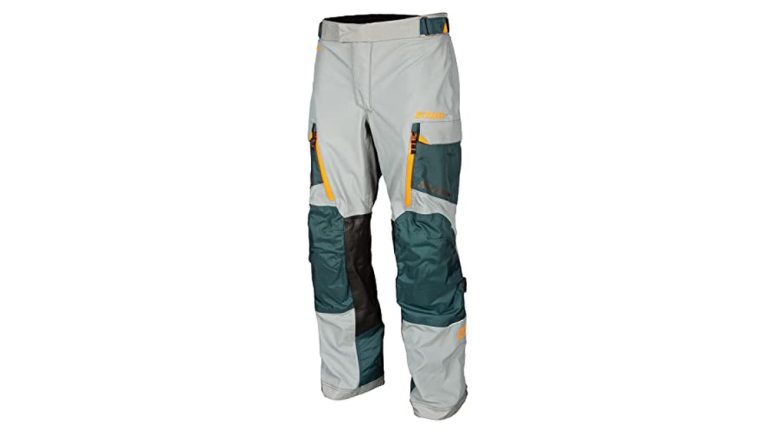
- Back Protectors: Shield the spine and lower back. Often shaped to fit the natural curve of the back.
- Chest Protectors: Cover the chest and ribs, helping reduce impact forces on the torso.
- Shoulder Armor: Protects shoulder joints, usually integrated into jackets or suits.
- Elbow and Forearm Armor: Guards elbows and lower arms from impact and abrasion.
- Knee and Shin Armor: Provides protection for knees and shins, common injury points in falls.
Armor can be built into clothing or sold as removable pads. Some riders add extra padding depending on their risk level and riding style.
| Armor Type | Protection Area | Common Use |
|---|---|---|
| Back Protector | Spine, Lower Back | Motorcycle Jackets, Race Suits |
| Chest Protector | Chest, Ribs | Adventure Jackets, Racing Gear |
| Shoulder Armor | Shoulders | Motorcycle Jackets |
| Elbow/Forearm Armor | Elbows, Forearms | Motorcycle Jackets, Armored Shirts |
| Knee/Shin Armor | Knees, Shins | Motorcycle Pants, Race Suits |
Materials Used In Armor
The choice of Body Armor Materials strongly influences protection quality. Armor uses materials that absorb impact and resist abrasion. These materials make a big difference in rider safety and comfort.
Common materials used include:
- Foam Padding: Lightweight and shock-absorbing. Often used as a base layer in armor padding types.
- Viscoelastic Foam: Soft under normal conditions but hardens on impact. Excellent for Impact Protection.
- Hard Plastic (Polyethylene, Polypropylene): Provides a tough outer shell to spread impact forces.
- Kevlar and Aramid Fibers: Known for high Abrasion Resistance. Used in protective clothing materials for cut and tear resistance.
- Memory Foam: Molds to the body, offering both comfort and shock absorption.
| Material | Key Feature | Use in Armor |
|---|---|---|
| Foam Padding | Shock Absorption | Base Layer in Soft Armor |
| Viscoelastic Foam | Hardens on Impact | High-Performance Armor Pads |
| Hard Plastic | Impact Spreading | Outer Shell in Armor |
| Kevlar/Aramid Fibers | Abrasion Resistance | Protective Clothing Materials |
| Memory Foam | Body Conforming | Comfort & Impact Protection |
Many modern armor designs combine these materials to balance flexibility, comfort, and safety.
Benefits Of Armor
Motorcycle armor offers several important benefits for riders. This form of Motorcycle Safety Equipment reduces injury risks and improves overall protection.
- Impact Protection: Armor absorbs and spreads crash forces, lowering injury severity.
- Abrasion Resistance: Protects skin from road rash and cuts during slides.
- Comfort and Fit: Designed to fit the rider’s body, allowing movement without restricting riding style.
- Reusable Protection: Unlike some airbag systems, armor stays effective after multiple uses.
- Lightweight Options: Many armor types are light, so riders can wear them daily without discomfort.
- Cost-Effective: Generally less expensive than full airbag systems, making them accessible for many riders.
These benefits make armor a reliable choice for Rider Injury Prevention in various riding conditions.
Drawbacks Of Armor
Despite its many benefits, armor has some drawbacks. Riders should understand these limits before choosing their gear.
- Limited Coverage: Armor protects only the areas where it is placed, leaving gaps exposed.
- Rigid Feel: Some armor types, especially hard plastic, can restrict movement or feel bulky.
- Less Protection Against Complex Impacts: Armor does not protect against all forces, such as twisting or multiple impacts.
- Maintenance Required: Armor padding can wear out and needs regular inspection or replacement.
- No Active Response: Unlike Airbag Vest Technology, armor cannot deploy automatically during a crash.
These factors mean armor works best when combined with other Motorcycle Protective Gear.
Safety Comparison
Safety comparison between motorcycle airbag and armor highlights their roles in injury prevention. Both are essential motorcycle safety gear designed to protect riders during accidents. Understanding how each performs in impact protection, coverage areas, comfort, and durability helps riders choose suitable protective clothing. Choosing the right gear affects riding comfort and overall safety on the road.
Impact Protection
Impact absorption is the key function of both airbag vests and body armor. Airbag vests inflate instantly during a crash, creating a cushion around vital areas. This rapid inflation reduces the force transmitted to the rider’s body. Traditional body armor uses hard or soft padding to absorb and spread impact energy.
Key differences in impact protection:
- Airbag Vests: Inflate upon sudden movement, protecting chest, back, and sometimes shoulders and neck.
- Body Armor: Provides constant protection through foam or plastic plates at elbows, shoulders, knees, and back.
| Feature | Airbag Vest | Body Armor |
|---|---|---|
| Response Time | Milliseconds (inflates on crash) | Always active (worn padding) |
| Shock Absorption | High due to air cushion | Moderate to high depending on material |
| Protection Type | Dynamic (inflates only on impact) | Static (constant padding) |
Both types improve injury prevention but work best when combined. Airbag vests add an extra layer of protection to traditional armor.
Coverage Areas
Coverage areas vary between airbag vests and body armor. Airbag vests focus on protecting large, vital parts like the chest, back, and sometimes the neck. This makes them excellent for protecting internal organs and the spine.
Body armor offers targeted protection. Riders wear armor pieces on elbows, knees, shoulders, and back. This gear also covers joints, which are vulnerable during falls.
- Airbag Vests: Protect torso with some models extending to neck and hips.
- Body Armor: Covers limbs, joints, and specific body parts with high abrasion resistance materials.
Comparison of coverage:
| Body Area | Airbag Vest | Body Armor |
|---|---|---|
| Chest | Yes | Limited |
| Back | Yes | Yes |
| Neck | Sometimes | No |
| Elbows | No | Yes |
| Knees | No | Yes |
| Hips | Sometimes | Sometimes |
The best injury prevention combines both for full coverage protection.
Comfort And Mobility
Riding comfort and mobility enhancement are crucial for every rider. Airbag vests are lightweight and flexible until activated. Riders enjoy freedom of movement without feeling bulky. When inflated, they may restrict motion but only during a crash event.
Body armor is heavier and can feel rigid due to hard plates or dense foam. It may reduce mobility, especially on joints. Some modern armor designs use flexible materials to improve comfort.
- Airbag Vests: Lightweight, non-restrictive, worn under or over clothing.
- Body Armor: Heavier, may limit joint movement, often integrated into jackets and pants.
Comfort factors to consider:
- Weight of gear
- Flexibility of materials
- Ventilation and breathability
- Fit and adjustability
Choosing the right gear balances protection with freedom to move.
Durability And Maintenance
Durability and gear maintenance differ for airbag vests and body armor. Airbag vests contain electronic components and gas canisters. These require regular checks and careful storage to ensure proper function. Battery life and sensor calibration are important for safety.
Body armor is usually low maintenance. Made from abrasion-resistant materials, it withstands wear and tear well. Cleaning involves wiping or gentle washing without damaging protective layers.
| Aspect | Airbag Vests | Body Armor |
|---|---|---|
| Maintenance | Regular battery check, sensor tests, gas refill | Minimal, clean and inspect regularly |
| Durability | Good but sensitive to impacts and moisture | High abrasion resistance, long-lasting |
| Replacement | After deployment or sensor failure | When padding wears out |
Proper maintenance keeps motorcycle safety gear effective and ready for protection.
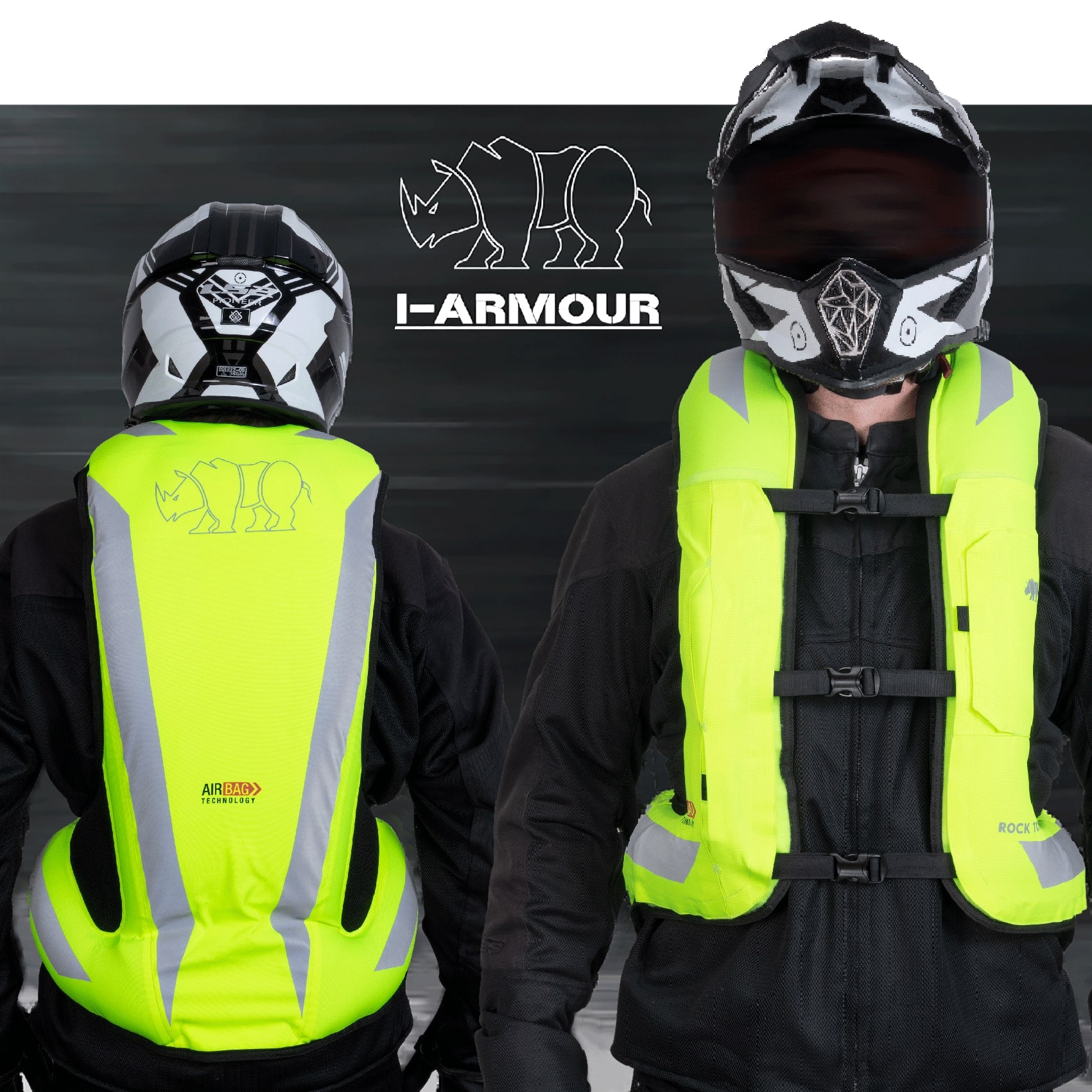
Credit: www.airbagmotorocktool.com
Cost And Accessibility
Choosing between a Motorcycle Airbag and traditional Armor often depends on cost and accessibility. Both options provide essential Motorcycle Crash Protection, but they differ in price, availability, and ease of use. Understanding these factors helps riders select the best Protective Motorcycle Gear for their needs and budget. This section breaks down the key points related to cost and accessibility for Impact Protection Motorcycle options, focusing on Motorcycle Airbag Vest versus various Motorcycle Armor Types.
Price Range
The price of Motorcycle Safety Equipment varies widely between Airbag Technology Motorcycles and traditional Motorcycle Body Armor. Airbag vests and jackets typically cost more due to advanced technology and materials.
- Motorcycle Airbag Vest: Usually priced between $400 and $1,200. The cost depends on brand, features, and battery life.
- Traditional Motorcycle Armor: Ranges from $50 to $300. Prices vary by protection level and material (foam, hard plastic, or carbon fiber).
Here is a simple comparison table:
| Type | Price Range | Protection Level |
|---|---|---|
| Motorcycle Airbag Vest | $400 – $1,200 | High (inflates on impact) |
| Traditional Motorcycle Armor | $50 – $300 | Medium to High (depends on material) |
Airbag jackets offer dynamic protection but come with a higher price tag. Armor pieces are more affordable but may not provide the same impact absorption. Riders should consider budget and protection needs for their Riding Gear Comparison.
Availability
Availability affects how easily riders can purchase Protective Motorcycle Gear. Traditional Motorcycle Body Armor is widely available in stores and online. It comes in many styles and sizes, catering to all types of riders.
- Armor pieces found in most motorcycle shops and sporting goods stores.
- Many brands offer options for chest, back, elbows, and knees.
- Easy to find budget-friendly and premium armor sets.
On the other hand, Motorcycle Airbag Vests and jackets are less common. They require special technology and may need ordering directly from manufacturers or specialty retailers.
- Fewer physical stores stock airbag jackets.
- Online shops often provide better selections for airbag gear.
- Some brands require registration or subscription for airbag system maintenance.
For riders wanting quick access, traditional Motorcycle Armor Types are easier to get. Those willing to wait or buy online can choose Airbag Technology Motorcycles gear for superior crash protection.
Ease Of Use
Ease of Use plays a big role in choosing between Motorcycle Airbag Vests and traditional armor. Armor is simple to wear. Riders slip on vests or pads and adjust straps. No special setup is needed.
- Lightweight and flexible armor allows free movement.
- No batteries or electronics to manage.
- Easy to clean and maintain.
Airbag jackets require more attention. They include sensors, batteries, and sometimes wireless activation systems.
- Must charge or replace batteries regularly.
- Check system status before each ride.
- Proper fitting is crucial for airbag deployment.
- Some models require pairing with a motorcycle or smartphone app.
While Airbag Technology Motorcycles gear offers advanced protection, it demands more care. Traditional Motorcycle Body Armor offers straightforward, no-fuss use. Riders must weigh convenience against protection for their Impact Protection Motorcycle needs.
Choosing Between Airbag And Armor
Choosing between a motorcycle airbag and traditional armor can be challenging for many riders. Both options offer unique protection and benefits tailored to different riding needs. Understanding the differences helps in selecting the right gear for your riding style and safety priorities. This section covers key points on riding style, environmental factors, and personal preferences to guide your decision in the Airbag Vest Vs Armor debate.
Riding Style Considerations
Your riding style plays a big role in deciding between an airbag vest and protective motorcycle armor. Each type suits different types of riding and safety demands.
- Sport Riding: High speeds and aggressive maneuvers increase crash risks. Airbag vests offer dynamic impact protection by inflating upon sudden deceleration. This feature can reduce injuries significantly.
- Touring and Long-Distance: Comfort is key on long rides. Traditional armor often fits inside jackets and offers steady protection without added bulk or maintenance.
- Off-Road Riding: Off-road motorcycle gear usually favors hard armor pieces for durability and repeated impacts from falls and debris.
- Urban Riding: Urban riding safety equipment needs to balance protection with ease of movement. Airbag vests provide extra safety without limiting flexibility.
Here is a quick Riding Safety Gear Comparison:
| Riding Style | Airbag Vest Benefits | Armor Benefits |
|---|---|---|
| Sport | Instant impact protection, reduces injury risk | Stable, lightweight, breathable |
| Touring | Additional safety layer, may feel bulky | Comfortable for long hours, consistent protection |
| Off-Road | Limited use, less durable in rough terrain | Durable, protects against repeated hits |
| Urban | High mobility, quick response to crashes | Light, easy to wear under clothing |
Environmental Factors
Environmental impact on gear affects performance and comfort. Your riding environment influences which safety gear suits you best.
Temperature, weather conditions, and terrain are key factors:
- Hot Weather: Armor with good ventilation keeps you cool. Some airbag vests offer breathable fabrics but can trap heat when inflated.
- Cold Weather: Armor layers provide insulation. Airbag vests can be worn over jackets but may reduce warmth.
- Rain and Wet Conditions: Waterproof or water-resistant armor is essential. Some airbag systems may not perform well in heavy rain or muddy conditions.
- Dust and Debris: Off-road riders need gear that resists dirt buildup. Hard armor is easier to clean and maintain in these environments.
Consider this Environmental Impact On Gear table:
| Condition | Armor | Airbag Vest |
|---|---|---|
| Heat | Ventilated, breathable | May trap heat when inflated |
| Cold | Good insulation | Can layer over jackets |
| Rain | Water-resistant options | Some systems not fully waterproof |
| Dust/Debris | Durable, easy to clean | Less durable in dirty conditions |
Personal Preferences
Personal safety preferences motorcycle riders hold will impact their choice between airbag vests and armor. Comfort, convenience, and confidence matter most.
- Rider Comfort and Protection: Some prefer lightweight armor for its low profile and breathability. Others value the extra protection that airbag technology provides.
- Maintenance and Cost: Armor generally requires less upkeep. Airbag vests need battery checks, replacements, and careful handling.
- Style and Fit: Armor fits inside most jackets, allowing a sleek look. Airbag vests add bulk but can be worn over or under clothing depending on design.
- Confidence Level: Riders seeking peace of mind may choose airbag vests for their active protection. Those trusting proven armor value consistent impact protection.
A quick overview of Rider Comfort And Protection factors:
- Weight and bulk
- Ease of use
- Cost and maintenance
- Style and appearance
- Level of impact protection

Credit: www.youtube.com
FAQs For Motorcycle Airbag Vs Armor
What Is The Main Difference Between Motorcycle Airbag And Armor?
Motorcycle airbags inflate upon impact, providing cushioning and shock absorption. Armor is rigid protection, designed to shield specific body parts from injury.
How Effective Are Motorcycle Airbags Compared To Armor?
Airbags reduce impact force by inflating instantly, offering dynamic protection. Armor offers consistent, passive protection but may not absorb shock as well.
Can Motorcycle Airbags Replace Traditional Armor Completely?
No, airbags complement armor but don’t fully replace it. Combining both offers the best protection for riders.
Are Motorcycle Airbags Comfortable To Wear All Day?
Yes, modern airbags are lightweight and ergonomic. They provide comfort without restricting movement during rides.
Conclusion
Choosing between motorcycle airbags and armor depends on your needs. Airbags offer extra protection during crashes. Armor provides constant defense and is usually lighter. Both help reduce injuries and keep riders safer. Think about comfort, cost, and riding style. Wearing some protection beats riding without any.
Stay safe, ride smart, and protect your body well. Your safety gear can save your life. Choose what feels best for your rides.