What Gear to Bump Start Motorcycle: Expert Tips for Quick Revival

Have you ever been stuck with a motorcycle that just won’t start? It’s frustrating, especially when you’re in a hurry or far from help.
Knowing how to bump start your bike can save you time and stress. But do you know exactly what gear to use to make it work smoothly and safely? You’ll discover the simple trick to choosing the right gear that gets your motorcycle running again.
Keep reading, and you’ll never feel powerless next time your bike won’t start.
Choosing The Right Gear
Choosing the right gear is critical for a successful bump starting motorcycle. The gear selected affects how smoothly the engine will turn over and start. Using the correct gear can make starting motorcycle without battery easier and safer. The key lies in understanding manual motorcycle start gears and their impact on engine power and control. Different gears offer various benefits and risks during the motorcycle ignition methods. Picking the wrong gear can cause the bike to stall or put you at risk. This section explains which gears work best and why.
First Gear Benefits
The first gear bump start is often the safest and most effective choice for motorcycle push start tips. First gear provides the most torque, helping the engine turn over faster. This increased force makes it easier to start the engine, especially on inclines or with low speed.
- High torque: First gear offers the most power to spin the engine.
- Better control: Lower speed keeps the bike stable during push.
- Reduced risk: Less chance of engine stalling or sudden jerks.
Using first gear allows a smooth connection between the wheels and engine. It helps maintain balance and gives the rider full control. This gear choice suits most safe motorcycle bump start situations.
| Gear | Torque | Engine Speed | Control Level |
|---|---|---|---|
| First | High | Low | High |
Second Gear Considerations
Second gear motorcycle start can work for bump starting but requires more care. It produces less torque than first gear but allows slightly higher speed. This gear may be useful on flat surfaces where you can build speed quickly.
- Moderate torque: Less force to turn the engine compared to first gear.
- Higher speed: Can push the bike faster for better engine turnover.
- Increased risk: Harder to control the bike during start.
Riders must keep balance and control steady during motorcycle starting techniques in second gear. The engine might stall if speed is too low. This gear suits experienced riders confident in their bump starting motorcycle skills.
| Gear | Torque | Engine Speed | Control Level |
|---|---|---|---|
| Second | Medium | Medium | Medium |
Avoiding Higher Gears
Avoiding high gear bump start is crucial for safety and success. Gears above second provide very low torque and require much higher speed to turn the engine. This makes starting motorcycle without battery difficult and unsafe.
- Low torque: Engine struggles to turn over in high gears.
- High speed needed: Difficult to reach necessary speed by pushing.
- Risk of falls: Loss of control due to speed and gear mismatch.
High gears can cause the bike to jerk or stall suddenly. They increase the chance of injury during motorcycle ignition methods. Avoid high gears to ensure a safe and smooth bump starting motorcycle experience.
| Gear Range | Torque | Required Speed | Safety Level |
|---|---|---|---|
| Third and above | Low | High | Low |

Credit: www.wikihow.com
Steps To Bump Start
Bump starting a motorcycle is a useful skill, especially when dealing with a dead battery. The bump start procedure offers a practical way to get the engine running without relying on the electric starter. This technique works best on manual transmission bikes and serves as a reliable kickstart alternative. Knowing the correct steps ensures safety and success. Below, the process breaks down into clear actions focusing on gear selection, clutch control, and smooth execution. Following these steps improves your chance of starting a dead battery motorcycle safely and efficiently.
Preparing The Motorcycle
Preparation is key to a successful bump start. First, place the motorcycle on a flat or slightly sloped surface to gain momentum easily. Ensure the bike is in good condition by checking the following:
- Turn off the ignition to prevent sparks.
- Set the kill switch to the ‘on’ position.
- Check the fuel level to avoid running out mid-start.
- Confirm the transmission is in neutral, then shift to the correct gear for bump starting.
Choosing the right gear is important. Use second gear for most motorcycles. It provides a balance between too much resistance in first gear and too little in higher gears. This gear selection helps in the engine ignition process by providing enough torque to turn the engine over.
| Gear | Effect on Bump Starting |
|---|---|
| 1st Gear | Too much resistance; hard to push quickly. |
| 2nd Gear | Ideal balance for smooth start and control. |
| 3rd Gear and Above | Too little resistance; engine may not turn over. |
Wear proper motorcycle gear such as gloves and boots to protect yourself during the process. Follow motorcycle safety tips by ensuring no obstacles are in the path and that you have enough space to roll the bike forward safely.
Engaging The Clutch
The clutch plays a critical role in the bump start procedure. Start by pulling the clutch lever fully to disengage the engine from the transmission. This action prevents the engine from stalling while you prepare to move the bike.
With the clutch engaged:
- Hold the clutch lever firmly to maintain control.
- Ensure the bike is stable as you begin to push or roll it forward.
- Maintain a steady speed; too slow may fail to turn the engine, too fast can cause loss of control.
Clutch engagement also allows you to control the transfer of motion from the wheels to the engine. When the bike gains enough momentum, releasing the clutch smoothly will connect power to the engine and start the ignition process.
Practice this step to get comfortable with clutch feel. This ensures you do not release it too quickly, avoiding engine stalls or sudden jerks. Clutch control improves the overall success of starting a dead battery motorcycle.
Releasing The Clutch Smoothly
The final and most delicate step involves releasing the clutch. Let go of the clutch lever slowly and steadily to allow the engine to catch the momentum. A smooth clutch release prevents the bike from jerking or stalling.
- As the bike moves forward, begin to release the clutch lever gradually.
- Listen and feel for the engine to start firing up.
- If the engine does not start, pull the clutch back and repeat the process.
- Once the engine fires, keep the throttle steady to maintain the engine running.
During this step, stay focused on balance and control. Abrupt clutch release can cause loss of control or damage the transmission. This phase is crucial in the motorcycle starting techniques and helps avoid the need for a kickstart alternative.
Remember, bump starting requires practice and patience. Following these steps with attention to motorcycle safety tips ensures a safe and effective start even with a dead battery motorcycle.
Safety Tips During Bump Starting
Bump starting a motorcycle requires careful attention to safety. The process involves pushing the bike to start the engine without using the electric starter. Correct use of the Best Gear For Bump Start is important, but safety is even more critical. Following specific Safety Tips For Bump Starting helps reduce risks of injury or damage. This section explains key safety steps to protect yourself and others during the Motorcycle Push Start Technique.
Wearing Protective Gear
Wearing proper Protective Gear For Motorcyclists is the first safety step. This gear protects your body if you slip or fall while bump starting. Always wear a helmet to protect your head. Gloves improve grip and protect your hands from scrapes. Durable jackets and pants shield your skin from road rash. Boots with good ankle support help maintain control and protect your feet.
- Helmet: Choose a DOT-approved helmet for head safety.
- Gloves: Use padded gloves to improve grip and protect hands.
- Jacket and Pants: Wear abrasion-resistant clothing.
- Boots: Select sturdy boots with ankle support.
Using the right Motorcycle Safety Equipment reduces injury risks during the Motorcycle Starting Procedures. It also boosts confidence when performing the bump start. Never skip this step, even for a quick push start.
Clearing The Area
Before attempting the Bump Starting Motorcycle process, always clear the area. Remove obstacles or debris that could cause trips or slips. Check the ground for oil spills or wet patches that make the surface slippery. Ensure there is enough space to push the motorcycle safely without hitting objects or people.
Clear the area by:
- Scanning the path where you will push the bike.
- Moving any loose objects like stones, tools, or branches.
- Making sure pets or bystanders stand well away.
| Hazard | Risk | Action |
|---|---|---|
| Loose gravel | Slipping or losing control | Sweep or avoid area |
| Oil or wet patches | Skidding while pushing | Dry area or change path |
| Obstacles (tools, stones) | Tripping and falling | Clear objects from path |
Proper Clearing Area For Bump Start is a vital step in Motorcycle Starting Procedures. It keeps the push start process safe and smooth.
Maintaining Balance
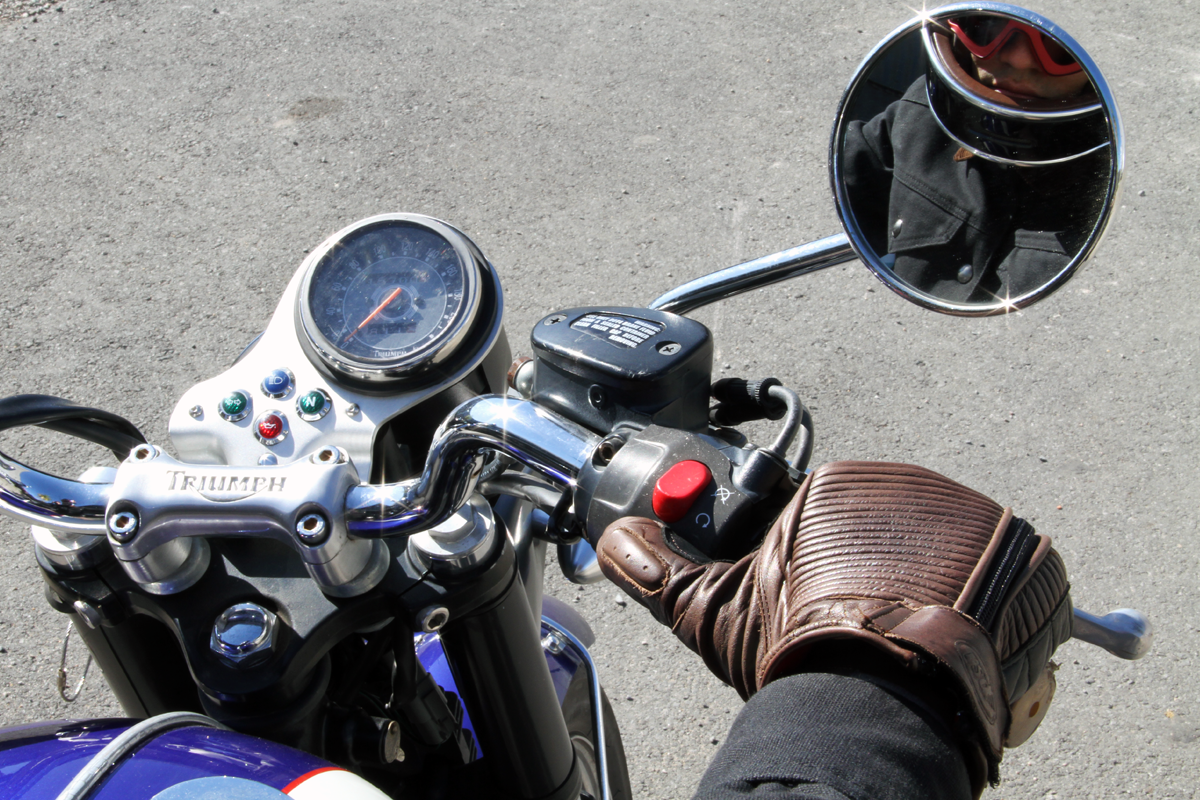
Maintaining balance on the motorcycle is crucial during bump starting. Losing balance can cause falls and injury. Focus on controlling the bike firmly with both hands on the handlebars. Keep your feet ready to support the bike as you push.
Follow these tips for Maintaining Balance On Motorcycle during the push start:
- Keep your body upright and centered over the bike.
- Use your legs to absorb shocks and help control the bike.
- Push steadily without sudden jerks or uneven pressure.
- Look straight ahead to maintain a steady path.
The right Motorcycle Starting Gear like non-slip gloves and boots aid in balance. Practicing the Motorcycle Push Start Technique in a safe space builds your skills. Good balance reduces the chance of falls and helps complete the bump start safely.
Credit: www.ellaspede.com
Common Mistakes To Avoid
Bump starting a motorcycle can save the day when the battery dies or the starter fails. Using the right gear and proper techniques ensures a smooth start without harming the engine. Many riders make errors that complicate the process or cause damage. Knowing the common mistakes to avoid helps keep your bike safe and running well. This section highlights key errors to watch for during the push starting techniques and bump start motorcycle steps.
Using Incorrect Gear
Choosing the correct gear for bump start is essential. Most motorcycles start best in 2nd gear. Using 1st gear often causes the bike to jerk or stall. Higher gears make it too hard to turn the engine over by pushing. This mistake can lead to frustration and wasted effort.
Why 2nd gear works best:
- Provides enough resistance to turn the engine smoothly
- Prevents sudden jerks that happen in 1st gear
- Allows the rear wheel to spin at a manageable speed
Here is a quick guide on motorcycle push start gear choices:
| Gear | Effect on Starting | Recommended Use |
|---|---|---|
| 1st Gear | Too much resistance, causes jerks | Not recommended for bump start |
| 2nd Gear | Balanced resistance, smooth engine turn | Best gear to bump start motorcycle |
| 3rd Gear and Above | Too little resistance, hard to get engine turning | Not effective for starting |
Common bump start mistakes include ignoring this gear choice. Always check the gear before pushing. This simple step improves success and protects your bike.
Rushing The Process
Many riders rush through the bump start motorcycle steps. Quick pushes or sudden releases can cause the bike to stall or jerk. This wastes time and risks damage. The right approach is steady and controlled.
Follow these tips to avoid rushing:
- Push the bike to a moderate speed—about 5 to 10 mph.
- Keep the clutch fully pulled in until ready to release.
- Release the clutch smoothly and gradually.
- Do not try to pop the clutch quickly to force start.
Rushing causes strain on the transmission and chain. The engine may flood with fuel if the process is too fast. This leads to motorcycle engine problems and harder restarts.
Motorcycle starting tips stress patience. Take your time to get the bike rolling steadily. A calm approach avoids mistakes that could cause more issues.
Ignoring Engine Issues
Push starting works best when the engine is healthy. Ignoring motorcycle engine problems before bump starting can cause damage. Some riders try to push start repeatedly without addressing underlying issues.
Signs of engine trouble include:
- Strange noises during push start attempts
- Engine flooding or fuel smell
- Hard to turn engine over even with push
- Smoke or unusual exhaust
Ignoring these signs risks avoiding engine damage. Instead, check and fix problems before push starting again. Common issues to inspect:
- Clogged spark plugs
- Fuel system blockages
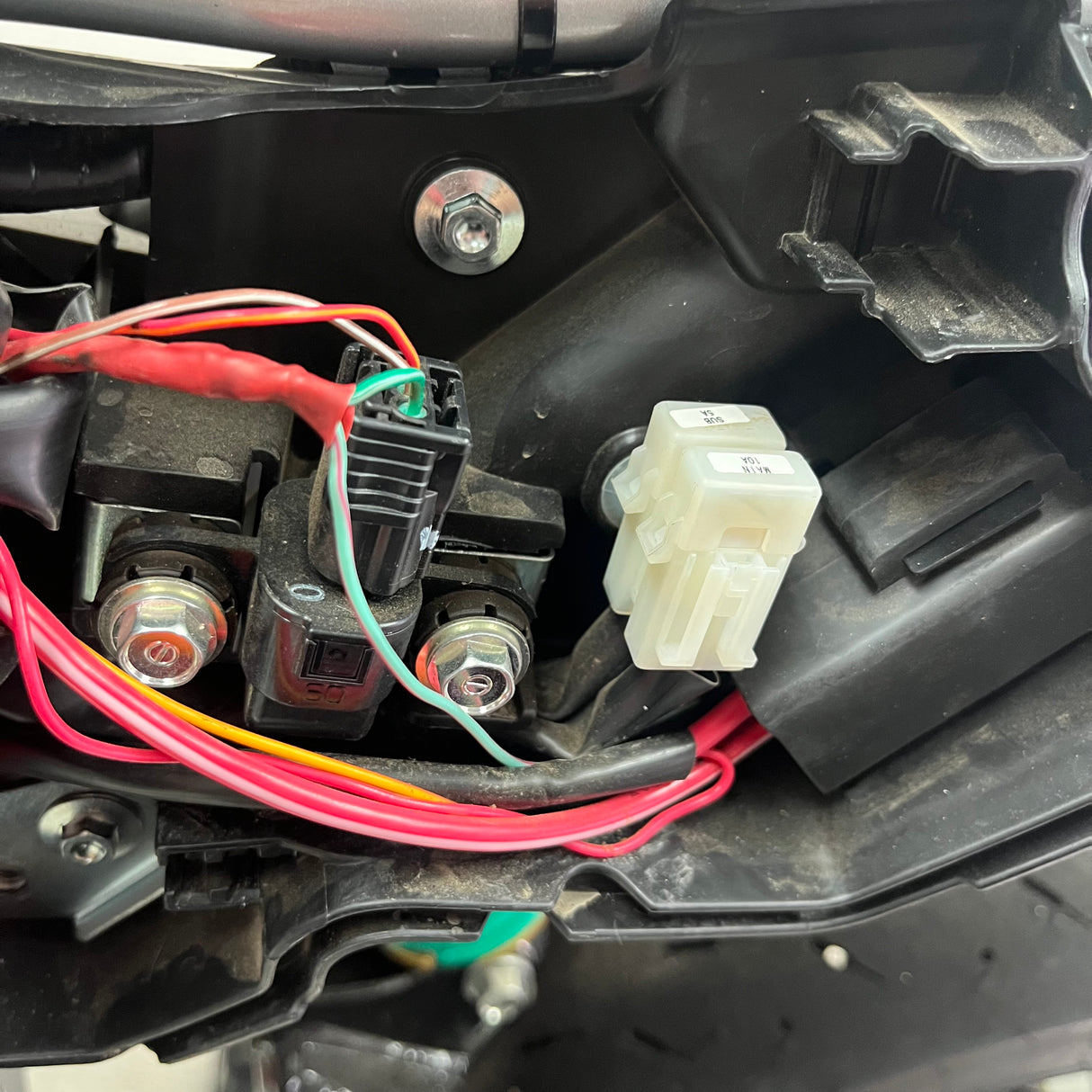
- Electrical faults affecting ignition
Starting a motorcycle without battery power requires extra care. Repeated failed attempts can worsen engine condition. Proper maintenance and quick diagnosis prevent damage and save time.
Credit: cameronjonesracing.com
FAQs For what gear to bump start motorcycle
What Gear Is Best To Bump Start A Motorcycle?
The best gear to bump start a motorcycle is usually second gear. It provides enough resistance to turn the engine without stalling. First gear can cause sudden jerks, while higher gears may not generate enough force to start the engine effectively.
Can You Bump Start A Motorcycle In Neutral Gear?
No, you cannot bump start a motorcycle in neutral. The bike needs to be in gear to transfer wheel movement to the engine. Neutral disengages the engine from the wheels, so bump starting requires a gear like first or second for proper engine rotation.
Why Is Second Gear Recommended For Bump Starting?
Second gear offers a balance between torque and control. It prevents sudden jerks that first gear might cause. At the same time, it generates enough force to crank the engine effectively. This makes second gear ideal for safely bump starting most motorcycles.
Is Bump Starting Safe For All Motorcycle Types?
Bump starting is generally safe for most motorcycles with manual transmissions. However, it is not recommended for bikes with automatic or CVT gearboxes. Always ensure the bike is on a stable surface and use proper gear to avoid damage or injury during bump starting.
Conclusion
Choosing the right gear makes bump starting a motorcycle easier and safer. Usually, second gear works best for a smooth start. First gear can cause the bike to jerk, and higher gears need more speed. Remember to keep the clutch control steady and release it quickly once you gain momentum.
Practice helps you get comfortable with the process. This simple skill can save you in many situations. Always check your bike’s manual for specific tips. Bump starting is a useful trick every rider should know.