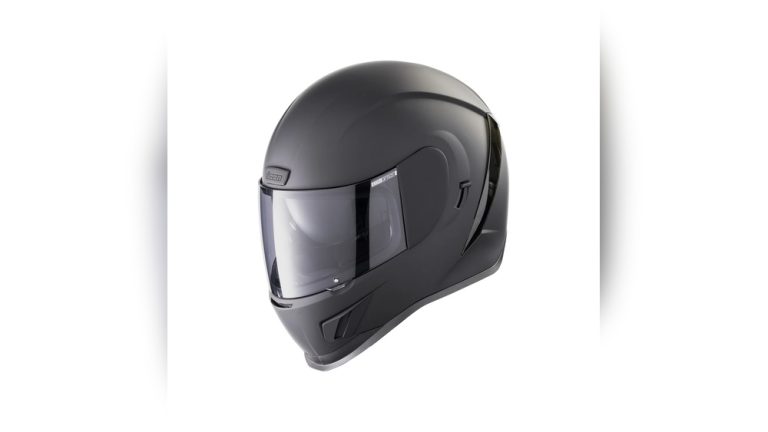
What to Do With Motorcycle Helmet When Parked: Top Solutions

Absolutely — here’s a rewritten, SEO-friendly version of your blog post with improved flow, cleaner formatting, stronger keyword targeting, and expanded content where helpful.


Motorcycle helmets are one of the most important pieces of riding gear. They protect your head and help keep you safe on the road. But once you park your bike, you may wonder: where should you keep your motorcycle helmet?

Leaving your helmet unattended can expose it to theft, weather damage, dirt, or accidental drops. Fortunately, there are several easy and practical ways to store and secure your helmet when your motorcycle is parked.

In this guide, we’ll cover the best ways to protect your helmet, keep it secure, and choose the storage method that works best for your riding routine.


1. Take Your Helmet With You

The simplest and most secure option is to carry your helmet with you.

If you bring your helmet inside, you don’t have to worry about someone stealing it or damaging it while your bike is parked. This is often the best choice if you are stopping somewhere briefly or want complete peace of mind.

Pros:

  • Keeps your helmet safe from theft
  • Protects it from weather and dirt
  • No need for extra locks or accessories

Cons:

  • Helmets can be bulky and heavy
  • Carrying them around can be inconvenient

If you choose this option often, a helmet bag or backpack can make it much easier.


2. Use a Helmet Lock

A helmet lock is a convenient and popular way to secure a helmet to your motorcycle. It allows you to leave your helmet on your bike while reducing the risk of theft.

Most helmet locks attach to the bike frame or another secure point. You can thread the lock through the helmet’s chin strap and fasten it in place.

Types of helmet locks:

  • Keyed locks
  • Combination locks
  • Integrated motorcycle helmet locks

Why use a helmet lock?

  • Simple and quick to use
  • Helps prevent theft
  • Lightweight and easy to carry

If you often park in public places, a helmet lock is one of the best motorcycle helmet storage solutions to consider.


3. Store It in a Top Box

A top box is one of the safest places to store a motorcycle helmet when parked. It is a hard storage case mounted to the rear of the bike, and many are large enough to hold one full-face helmet or even two smaller helmets.

Top boxes offer excellent protection from:

  • Theft
  • Rain
  • Dust
  • Scratches

Benefits of a top box:

  • Secure and lockable
  • Weather-resistant
  • Can store extra riding gear or personal items

Before buying one, make sure the top box is large enough for your helmet size and shape. Some full-face helmets may not fit in smaller boxes, so checking dimensions is important.

If you frequently ride with valuable gear, a top box is a smart investment.


4. Use a Helmet Bag

A helmet bag is another practical option for storing and carrying your helmet. It helps protect your helmet from scratches, dirt, and minor impacts while making it easier to carry around.

Many helmet bags come with:

  • Handles
  • Shoulder straps
  • Padding
  • Ventilation features

Advantages of a helmet bag:

  • Makes helmets easier to carry
  • Keeps them clean
  • Helps prevent scratches and scuffs

A helmet bag is especially useful if you need to bring your helmet into stores, offices, or restaurants. Some riders also use it as an added layer of protection inside a backpack or top box.


5. Place It on the Handlebar

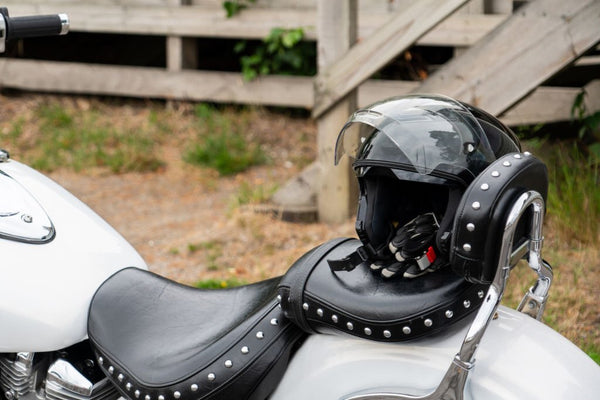
Some riders hang their helmet on the handlebar when parked. This is quick and easy, but it should only be used for very short periods and in low-risk situations.

The downside:

  • Helmet may fall off
  • Can be stolen easily
  • Exposed to weather and dirt

This is not the most secure option, so it should only be a temporary solution if you are staying close to your motorcycle. For better protection, use a helmet lock or storage bag instead.


6. Put It Under the Seat

If your motorcycle has under-seat storage, you may be able to place your helmet there. This is a great way to keep it out of sight and protected from casual theft.

However, not all motorcycles have enough room for a helmet under the seat, especially if you use a full-face or modular helmet.

Tips:

  • Check your seat storage size before relying on it
  • Make sure the helmet fits properly
  • Lock the seat if possible for added security

Under-seat storage is a convenient option, but it works best on bikes designed with enough room for a helmet.


7. Use a Cable Lock

A cable lock is another flexible and effective way to secure your helmet to your bike. Like a helmet lock, it usually threads through the helmet’s chin strap and attaches to a fixed part of the motorcycle.

Cable locks are popular because they are:

  • Lightweight
  • Easy to carry
  • Versatile
  • Quick to use

This makes them a good choice for riders who want a portable anti-theft solution. While cable locks are not completely theft-proof, they do make it much harder for someone to take your helmet casually.


8. Ask for Help When You Stop

In some situations, you may be able to ask a shop, café, or event staff to hold your helmet for you while you are inside.

This can be a useful option if:

  • You are only stopping for a short time
  • The location is trusted or monitored
  • You don’t want to carry your helmet around

Not every place will offer this, but it never hurts to ask. If staff are willing, it can be a convenient and safe temporary solution.


9. Keep It in Your Backpack

A backpack can also be used to carry and protect your motorcycle helmet, especially if you have a larger riding backpack or one made specifically for helmets.

Benefits of using a backpack:

  • Keeps your hands free
  • Makes helmet transport easier
  • Helps protect the helmet from dirt and minor damage

Some motorcycle backpacks include helmet compartments or external straps designed to hold a helmet securely. If you carry your helmet often, this may be one of the most practical options.


10. Keep Your Helmet Clean and Dry

Wherever you store your helmet, it’s important to keep it in good condition. Avoid leaving it on wet ground, in direct sunlight for long periods, or in areas where it can get dirty or damaged.

Best practices:

  • Wipe off moisture after riding in the rain
  • Store it in a bag or box when possible
  • Avoid placing it face down on rough surfaces
  • Keep it away from fuel, oil, and harsh chemicals

Proper care helps extend the life of your helmet and keeps it comfortable and safe to use.


Frequently Asked Questions

Where should I store my motorcycle helmet when parked?

The safest places are a top box, helmet bag, backpack, or locked storage compartment. If those aren’t available, a helmet lock or cable lock is a good alternative.

Is it safe to leave my helmet on the bike?

It is not the safest option. Helmets can be stolen, scratched, damaged by weather, or knocked off the bike.

Can I lock my helmet to my motorcycle?

Yes. You can use a helmet lock or cable lock to secure your helmet to your bike when parked.

Should I carry my helmet with me?

If you want the best protection against theft and damage, yes. Carrying your helmet is the most secure option, especially for short stops.

What is the best way to store a motorcycle helmet when parked?

The best option depends on your bike and riding habits, but a lockable top box is one of the most secure and practical solutions.


Conclusion

Knowing what to do with your motorcycle helmet when parked can help protect your gear and save you money in the long run. Whether you take it with you, lock it to your bike, or store it in a top box, the goal is the same: keep your helmet safe, clean, and secure.

The best storage method depends on your motorcycle, your surroundings, and how long you’ll be away from your bike. For maximum protection, choose a secure and weather-resistant option whenever possible.

If you ride often, investing in a good helmet lock, top box, or helmet bag can make parking much easier and give you peace of mind.


If you want, I can also:

  1. optimize this further for a specific SEO keyword,
  2. make it sound more natural and less AI-written, or
  3. format it in HTML/WordPress-ready markup.

Similar Posts

Leave a Reply

Your email address will not be published. Required fields are marked *