26650 Vs 18650 Battery: Ultimate Comparison for 2026

Are you trying to choose the right battery for your device but feel overwhelmed by the numbers and specs? When it comes to 26650 vs 18650 batteries, making the right choice can boost your gadget’s performance and battery life.
You might wonder which one lasts longer, charges faster, or fits better in your device. This article will clear up the confusion and help you pick the perfect battery that matches your needs. Keep reading to find out the key differences and which battery will power your life more efficiently.

Credit: www.barchart.com
Battery Size Comparison
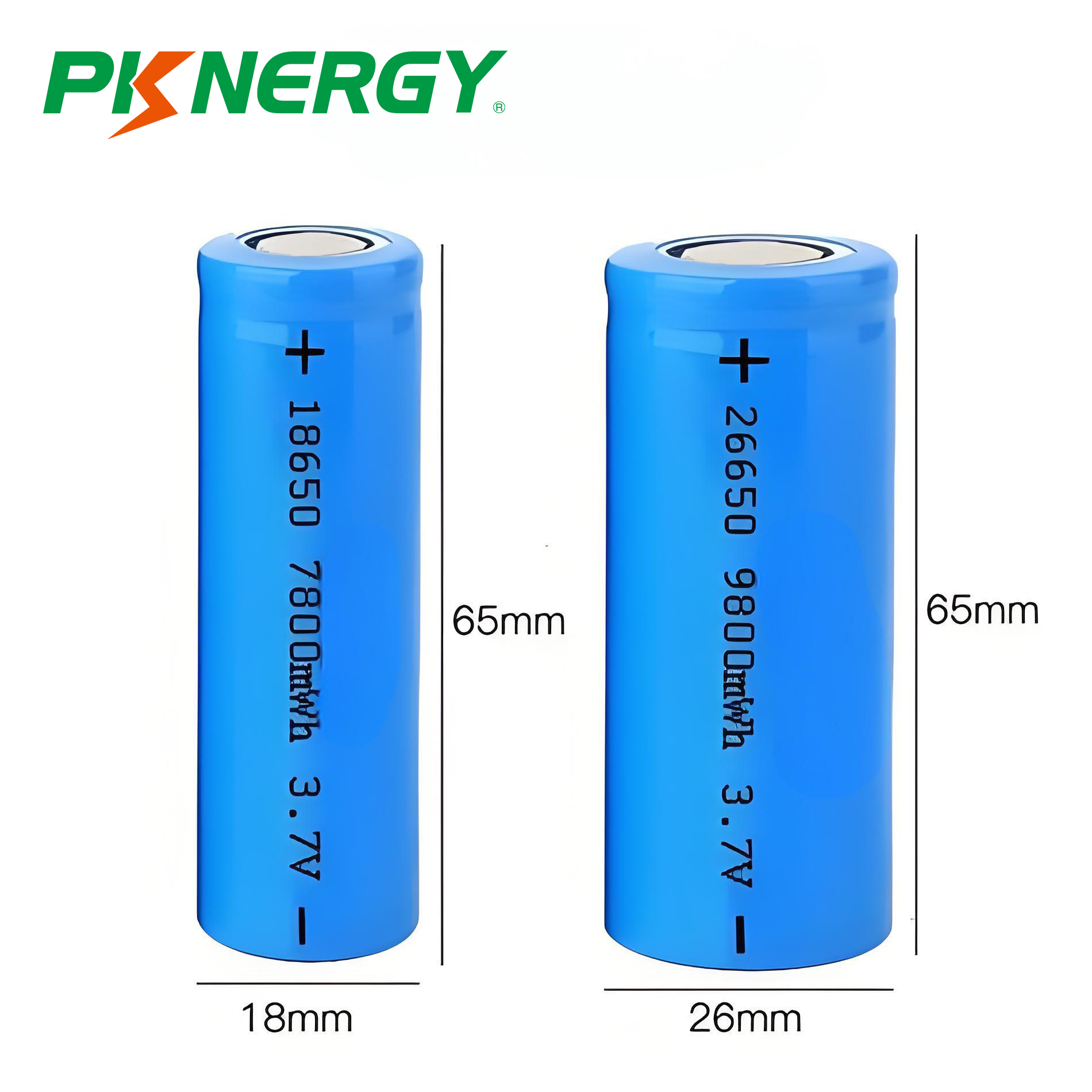
The battery size comparison between the 26650 and 18650 rechargeable lithium-ion batteries plays a key role in device compatibility and overall performance. Both batteries are popular choices for various electronics, but their physical size impacts how they fit and function inside devices. Understanding the battery dimensions comparison helps users select the right battery for their needs, focusing on power output and battery lifespan. The differences in size also influence battery weight differences, which affect portability and device design.
Dimensions And Weight
The 26650 battery is larger than the 18650 in both diameter and length. The numbers in their names indicate their size in millimeters. The 26650 battery measures about 26mm in diameter and 65mm in length, while the 18650 battery is 18mm in diameter and 65mm long.
| Battery Type | Diameter (mm) | Length (mm) | Typical Weight (g) | Typical Capacity (mAh) |
|---|---|---|---|---|
| 26650 | 26 | 65 | 70-85 | 4000-5000 |
| 18650 | 18 | 65 | 40-50 | 1800-3500 |
Battery weight differences are mainly due to the larger size and higher capacity of the 26650 battery. This larger size allows the 26650 battery to store more energy, offering a higher battery capacity than the 18650 battery capacity range. The added weight might affect the portability of devices but often leads to longer battery lifespan and better battery performance characteristics.
- 26650 batteries are heavier and bulkier than 18650 batteries.
- 18650 batteries are lighter and fit smaller devices easily.
- Larger size of 26650 allows for more power output and longer run time.
Impact On Device Design
The difference in 26650 battery size and weight greatly affects device design. Devices that use 26650 batteries need larger battery compartments. This can make devices bigger and heavier, which impacts how users handle them.
Device compatibility depends on the battery size. Many devices designed for 18650 batteries cannot fit 26650 batteries because of the diameter difference. Designers must consider the trade-off between power output and size.
Smaller devices prefer 18650 batteries due to their compact size and lighter weight. Larger devices like flashlights, power tools, and electric bikes benefit from the higher capacity and power of 26650 batteries.
- Size limitations: 26650 batteries require more space inside the device.
- Weight considerations: Heavier batteries increase the overall device weight.
- Battery lifespan: Devices with 26650 batteries often last longer per charge.
- Battery technology: Both batteries use similar lithium-ion technology but serve different design needs.
Understanding these points helps manufacturers balance battery performance characteristics with device size and user comfort. Choosing between 26650 and 18650 batteries is a decision based on device requirements and user priorities.
Credit: www.pknergy.com
Capacity And Performance
The capacity and performance of batteries play a crucial role in choosing the right power source for devices. Comparing the 26650 vs 18650 battery reveals key differences in how each battery stores and delivers energy. These differences affect device runtime, power output, and overall efficiency. Understanding these factors helps select the best rechargeable battery types for various applications.
Battery Capacity Differences
The 26650 battery capacity is generally higher than that of the 18650 battery. The 26650 battery is larger, allowing it to hold more energy. This size difference impacts the total milliampere-hour (mAh) rating, which measures how much charge a battery can store.
Here is a quick comparison:
| Battery Model | Typical Capacity (mAh) | Physical Size (mm) |
|---|---|---|
| 26650 | 4000 – 6000 | 26.5 x 65 |
| 18650 | 1800 – 3500 | 18 x 65 |
Key points to note:
- The 26650 battery has up to twice the capacity of the 18650.
- Greater capacity means longer usage before recharge.
- Higher capacity suits devices needing sustained power.
This capacity difference explains why 18650 battery applications often focus on compact devices, while 26650 batteries target higher power needs.
Discharge Rates
Battery discharge rates determine how quickly a battery can release its energy. This factor is critical for high-drain batteries used in devices like power tools and flashlights.
The 26650 battery typically supports higher continuous discharge currents than the 18650. This makes the 26650 better for devices that require strong bursts of power without overheating or voltage drops.
Example discharge rates:
| Battery Model | Max Continuous Discharge (A) | Pulse Discharge (A) |
|---|---|---|
| 26650 | 20 – 35 | 40 – 50 |
| 18650 | 10 – 20 | 20 – 30 |
Important facts:
- Higher discharge rates improve performance in demanding tasks.
- Lower discharge rates can reduce battery lifespan.
- 26650 batteries handle heat better during high current draws.
Choosing a battery with the correct discharge rate is vital for safety and efficiency in lithium-ion battery comparison.
Runtime And Efficiency
The 26650 vs 18650 runtime reflects how long devices run before needing a recharge. Runtime depends on battery capacity and how efficiently power is used.
Since 26650 batteries have higher capacity, they often provide longer runtime in similar devices. Their larger size also means better heat dissipation, which improves battery efficiency differences during use.
Consider these points about runtime and efficiency:
- Devices with high power consumption benefit from 26650 batteries.
- 18650 batteries suit devices where compact size matters more than runtime.
- Proper battery management extends the battery lifespan 26650 and 18650 models.
Efficient energy use reduces waste and helps maintain stable voltage output. Users must balance size, runtime, and efficiency based on their specific needs.
In summary, battery efficiency differences and runtime are key factors in deciding between these two popular rechargeable battery types.
Charging Characteristics
Understanding the charging characteristics of 26650 vs 18650 batteries reveals key differences in their performance and safety. These two popular rechargeable battery types vary in battery size dimensions, battery voltage ratings, and battery capacity comparison. Such factors affect how quickly they charge, how efficiently they manage heat, and the overall lifespan during repeated charging cycles. The way each battery handles charging impacts battery thermal management and battery safety mechanisms, which are crucial for safe and long-lasting use.
Charging Time
The charging time depends on battery capacity and charger output. The 26650 battery typically has a larger capacity than the 18650, leading to longer charging times if the same charger is used. Charging speed also relates to the battery discharge rate and how fast the battery can safely accept current.
- 26650 batteries often have capacities between 4000mAh to 5000mAh.
- 18650 batteries usually range from 1800mAh to 3500mAh.
- Higher capacity means more energy stored but longer recharge time.
- Charger current rating affects how fast charging completes.
| Battery Type | Typical Capacity (mAh) | Average Charging Time (hours) |
|---|---|---|
| 26650 | 4000 – 5000 | 4 – 7 |
| 18650 | 1800 – 3500 | 2 – 5 |
To improve battery charging efficiency, use a charger designed for the specific battery type. Fast chargers shorten charging time but may reduce battery lifespan if used improperly. Balanced charging currents keep batteries healthy and reliable.
Charging Safety Features
Safety is vital in lithium-ion batteries due to risks of overheating or overcharging. Both 26650 and 18650 batteries include battery safety mechanisms to protect users and devices. These mechanisms vary slightly because of different battery size dimensions and capacities.
- Overcharge protection: Prevents voltage from exceeding safe limits.
- Over-discharge protection: Stops battery from draining too low.
- Temperature monitoring: Helps with battery thermal management during charging.
- Short circuit protection: Avoids dangerous current spikes.
The lithium-ion battery differences affect how these safety features are implemented. Larger 26650 cells may require enhanced thermal controls to avoid overheating. Proper charging devices use circuits that monitor voltage and temperature closely. This ensures a safe charge and longer battery life.
| Safety Feature | Importance for 26650 | Importance for 18650 |
|---|---|---|
| Overcharge Protection | High | High |
| Over-discharge Protection | Medium | Medium |
| Thermal Management | Very High | High |
| Short Circuit Protection | High | High |
Users should always select chargers with built-in safety features matching their battery type. This reduces risks and supports the battery lifespan by preventing damage during recharge.
Applications And Compatibility
Choosing between the 26650 and 18650 batteries depends on their applications and compatibility with devices. Both batteries are popular rechargeable lithium-ion batteries but differ in size, capacity, and power output. Understanding where each battery fits best can save money and improve device performance. This section explains the 26650 battery applications, common uses for 18650 batteries, and device compatibility issues to consider before selecting one.
Common Uses For 26650 Batteries
The 26650 battery is larger and offers a higher capacity than the 18650. It provides a higher battery discharge rate and longer battery life span, which suits devices needing more power and longer runtime. The battery size difference means it fits only in devices designed for bigger cells.
- High-power flashlights: The 26650 is common in tactical and outdoor flashlights, offering longer use and brighter light.
- Electric tools: Cordless drills and saws benefit from the higher capacity and voltage rating.
- Electric vehicles (e-bikes, scooters): Larger battery packs use 26650 cells for more energy storage.
- Portable power banks: They support longer charging times and higher output power.
- Vaping devices: Some high-drain vape mods use 26650 batteries for better performance.
The table below compares key features of the 26650 battery related to its applications:
| Feature | 26650 Battery | Benefit |
|---|---|---|
| Capacity | Up to 5000mAh | Longer device runtime |
| Voltage Rating | 3.6V – 3.7V | Stable power output |
| Discharge Rate | Up to 25A | Supports high-drain devices |
| Size | 26mm x 65mm | Fits larger devices only |
Common Uses For 18650 Batteries
The 18650 battery is smaller but widely used due to its versatile battery form factor and solid performance. It has a lower capacity than the 26650 but fits many devices because of its compact size. The battery voltage rating is similar, making it suitable for many applications.
- Laptops and notebooks: Most laptop battery packs use 18650 cells.
- Portable electronics: Power banks, flashlights, and handheld devices commonly use 18650 batteries.
- Electric vehicles: Some e-bikes and electric skateboards use 18650 battery packs.
- Vaping devices: Many vape mods are designed for 18650 batteries.
- Power tools: Cordless screwdrivers and smaller tools often rely on 18650 batteries.
The 18650 battery fits in compact designs where space is limited but reliable power is needed. Here is a quick comparison of 18650 features relevant to its uses:
| Feature | 18650 Battery | Benefit |
|---|---|---|
| Capacity | 1800mAh to 3500mAh | Good for moderate runtime |
| Voltage Rating | 3.6V – 3.7V | Stable and consistent output |
| Discharge Rate | Up to 20A | Suitable for many devices |
| Size | 18mm x 65mm | Fits small and medium devices |
Device Compatibility Issues
Choosing the wrong battery size or type can cause device power compatibility problems. The battery form factor and physical dimensions must match the device’s battery compartment. The battery size difference between 26650 and 18650 means they are not interchangeable without adapter modifications.
- Physical fit: 26650 batteries are too large for devices made for 18650 cells.
- Voltage mismatch: Even small differences in voltage rating can damage sensitive electronics.
- Discharge rate limits: Devices needing a high discharge rate may not work well with lower-rate batteries.
- Battery management systems (BMS): Some devices have BMS tailored to specific battery types.
Before replacing or upgrading batteries, check the device manual for supported battery types and ratings. Using batteries with incorrect specifications may reduce battery life span or cause safety risks. Proper matching of battery capacity comparison and discharge rates ensures device safety and performance.
Durability And Lifespan
The durability and lifespan of batteries play a crucial role in their overall value and usability. For devices requiring reliable power, understanding how the 26650 battery compares with the 18650 battery size in these areas is essential. Both batteries are popular lithium-ion options but differ in capacity, size, and design, which affect their endurance and longevity. Evaluating their rechargeable battery lifespan and how they handle high-drain battery usage helps users choose the best fit for their needs.
Cycle Life Comparison
The battery cycle life comparison highlights how many complete charge and discharge cycles each battery can sustain before its capacity drops significantly. The 18650 battery size typically offers around 300 to 500 cycles under normal use. The 26650 battery capacity often supports a slightly higher number of cycles, sometimes reaching 500 to 600 cycles due to its larger physical size and better heat dissipation.
Key factors affecting cycle life include:
- Battery Discharge Rate: Higher discharge rates can reduce cycle life.
- Battery Energy Density: Denser batteries may degrade faster under stress.
- Battery Charging Efficiency: Proper charging extends lifespan.
| Battery Type | Typical Cycle Life | Capacity (mAh) | Voltage Differences (Nominal) |
|---|---|---|---|
| 18650 | 300 – 500 cycles | 1800 – 3500 | 3.6 – 3.7 V |
| 26650 | 500 – 600 cycles | 4000 – 5500 | 3.6 – 3.7 V |
Users with devices that need frequent recharging benefit from the 26650 battery’s longer cycle life. Yet, the 18650 battery remains popular for compact applications where space is limited.
Performance Over Time
Both batteries experience a decrease in performance over time. The lithium-ion battery performance declines as the internal chemistry degrades. The 26650 battery capacity often sustains power longer during each use because of its size and ability to handle high-drain battery usage more effectively. This means it maintains voltage levels better under heavy load.
Typical performance trends include:
- Initial high capacity and voltage output.
- Gradual reduction in capacity after multiple cycles.
- Lower voltage under load as the battery ages.
- Increased internal resistance affecting charging efficiency.
Performance differences between the two batteries can be summarized as:
| Aspect | 18650 Battery | 26650 Battery |
|---|---|---|
| Voltage Stability | Moderate under load | Better under high drain |
| Capacity Retention | Decreases faster | Retains capacity longer |
| Charging Efficiency | Good | Very Good |
The 26650 battery generally provides stronger performance over time, especially in devices with high power demands. The 18650 battery size suits moderate usage and smaller electronics where size matters more than extended performance.
Cost And Availability
Choosing between the 26650 and 18650 batteries often depends on cost and availability. These two popular lithium-ion battery types differ in size, capacity, and performance. Understanding their price points and how easy they are to find helps in making smart buying decisions. Both batteries support high-drain battery use, but their market presence varies. Let’s explore the battery price comparison and market availability for these batteries.
Price Differences
The 18650 battery size is smaller and more common, which affects its price. Typically, 18650 batteries are less expensive than 26650 cells. The 26650 battery capacity is higher, meaning it holds more charge but costs more. The battery lifespan difference also plays a role in price variations.
Key points in the battery price comparison:
- 18650 batteries usually cost between $5 and $15 per cell.
- 26650 batteries range from $10 to $25 each due to larger size and capacity.
- High-quality cells with better battery voltage rating often cost more.
- Price varies based on brand, capacity, and discharge rate.
Here is a simple table summarizing the typical price range:
| Battery Type | Typical Price Range | Capacity (mAh) |
|---|---|---|
| 18650 | $5 – $15 | 1800 – 3500 |
| 26650 | $10 – $25 | 4000 – 6000 |
The rechargeable battery comparison shows that 26650 batteries offer more power but require a higher investment. Those needing longer runtime may prefer the 26650 despite the cost.
Market Availability
The battery market trends show that 18650 batteries are more widely available. They are used in many devices, making them easy to find in stores and online. The 26650 battery is less common but growing in popularity due to its higher capacity.
Factors affecting market availability:
- Demand: 18650 batteries dominate in laptops, flashlights, and e-cigarettes.
- Production: More manufacturers produce 18650 cells, lowering costs.
- Specialized use: 26650 batteries suit power tools and high-capacity devices.
- Stock levels: Retailers often stock more 18650 cells due to steady demand.
Availability can also influence the battery performance evaluation since easier access means quicker replacements. For those needing high-drain battery use with specific size requirements, 18650 is often the first choice due to its presence in the market.
Summary of availability differences:
- 18650 batteries are found in most electronic stores and online shops.
- 26650 batteries may require specialized suppliers or online orders.
- Both types have many options, but 18650 offers more variety.
Safety Considerations
When comparing the 26650 Vs 18650 battery, safety considerations play a crucial role. Both batteries are popular lithium-ion types used in various devices, but their size, capacity, and performance affect how they handle heat and potential risks. Understanding battery thermal management and common hazards helps ensure safe use and extends the rechargeable battery lifespan. Proper safety measures protect users from accidents linked to overheating, short circuits, or misuse.
Thermal Management
Effective battery thermal management is vital for both 26650 and 18650 batteries. These lithium-ion cells generate heat during charging and discharging. Excessive heat can reduce battery life and increase safety risks. The larger 26650 battery capacity means it can store more energy, but it may also produce more heat if not managed well.
Key points for thermal management include:
- Heat dissipation: Larger cells like the 26650 have a bigger surface area, which helps release heat faster.
- Battery voltage comparison: Both batteries usually operate at similar voltages, but higher capacity cells may face more heat under load.
- Battery discharge rate: Higher discharge rates cause more heat; choosing the right battery for the device is important.
- Cooling systems: Devices using these batteries should have proper ventilation or cooling to prevent overheating.
Below is a simple comparison of thermal characteristics:
| Feature | 18650 Battery | 26650 Battery |
|---|---|---|
| Typical Capacity | 1800-3500 mAh | 4000-6000 mAh |
| Heat Generation | Moderate | Higher (due to capacity) |
| Surface Area for Cooling | Smaller | Larger |
| Recommended Cooling | Basic ventilation | Enhanced cooling preferred |
Risk Factors
Both 26650 and 18650 batteries carry lithium-ion battery risks if handled incorrectly. These risks can cause serious safety issues like fires or explosions. Users should be aware of common hazards and safety features.
Important risk factors include:
- Overcharging: Can cause overheating and damage internal cells.
- Short circuits: May lead to rapid heat build-up and fire.
- Physical damage: Punctures or dents increase the risk of failure.
- Improper storage: Exposure to extreme temperatures can degrade battery life and safety.
Battery safety features help reduce these risks:
- Built-in protection circuits to prevent overcharge and over-discharge.
- Thermal fuses that cut off power if temperature rises too much.
- High-quality casing to protect from physical damage.
Understanding battery application differences is key. The 26650 battery often supports high-capacity devices needing longer runtime but may demand better safety controls. The 18650 battery size fits smaller devices, with moderate capacity and risk.

Credit: www.ufinebattery.com
FAQs For 26650 Vs 18650 Battery
What Are The Main Size Differences Between 26650 And 18650 Batteries?
The 26650 battery is larger, measuring 26mm in diameter and 65mm in length. The 18650 is smaller, 18mm by 65mm. Size affects capacity and device compatibility.
Which Battery Offers Higher Capacity: 26650 Or 18650?
The 26650 battery generally provides higher capacity, often between 4000-5000mAh. The 18650 typically ranges from 1800-3500mAh. Larger size allows more energy storage.
Are 26650 Batteries Compatible With Devices Using 18650 Batteries?
No, 26650 batteries usually do not fit devices designed for 18650 batteries due to size differences. Always check device specifications before replacement.
Which Battery Type Lasts Longer Under Heavy Usage?
26650 batteries tend to last longer in heavy use because of their higher capacity and better heat dissipation. They suit high-drain devices better.
Conclusion
Choosing between 26650 and 18650 batteries depends on your device needs. The 26650 offers longer run time and higher capacity. The 18650 fits smaller devices and is easier to carry. Both batteries have their strengths and limits. Think about size, power, and how long you need to use them.
Understanding these points helps you pick the right battery. This way, your device works well and lasts longer. Simple choices make a big difference in battery life.