1 Gauge Vs 2 Gauge Vs 4 Gauge Jumper Cables: Ultimate Comparison Guide

When your car battery dies, having the right jumper cables can save you from a stressful situation. But with options like 1 gauge, 2 gauge, and 4 gauge cables, how do you know which one is best for you?
Choosing the wrong size could mean wasted money or even damage to your vehicle. This guide will help you understand the key differences between these jumper cables so you can pick the perfect fit for your needs. Keep reading to make sure you’re ready to jumpstart your car quickly and safely whenever you need it.
Jumper Cable Gauge Basics
Choosing the right jumper cable gauge is crucial for a safe and effective jump start. The gauge size affects how much electrical current the cable can handle and how well it performs. Understanding the basics of jumper cable gauge helps in selecting between 1 gauge, 2 gauge, and 4 gauge jumper cables. This section explains the key points about jumper cable gauge and its impact on electrical current capacity and cable resistance.
What Gauge Means
Jumper cable gauge refers to the thickness of the wire inside the cable. It is measured using the American Wire Gauge (AWG) system. The gauge size difference directly affects the cable’s electrical conductivity and overall performance.
Lower gauge numbers mean thicker wires. Thicker wires have:
- Lower resistance
- Higher electrical current capacity
- Better durability for heavy use
For example, a 1 gauge wire is thicker than 2 gauge, which is thicker than 4 gauge. This impacts the ampacity of jumper cables, or how much current they can safely carry.
| Gauge Size | Wire Diameter (inches) | Typical Use |
|---|---|---|
| 1 Gauge | 0.2893 | Heavy-duty battery jump start cables |
| 2 Gauge | 0.2576 | Mid-range automotive jumper cables |
| 4 Gauge | 0.2043 | Light-duty battery jump start cables |
Automotive jumper cables with a lower gauge number provide better electrical conductivity of cables. This is essential for quick and reliable jump starts, especially in larger vehicles or colder weather.
Impact On Current Flow
The cable thickness impact plays a major role in how much current flows through jumper cables. Thicker cables have less resistance, allowing more electrical current to pass with less heat buildup.
Here’s how jumper cable gauge affects current flow:
- Cable Resistance: Thinner cables have higher resistance, reducing current flow.
- Electrical Current Capacity: Thicker cables support higher ampacity of jumper cables, allowing stronger current flow.
- Heat Generation: Higher resistance in thinner cables causes more heat, risking damage.
Choosing the right gauge size helps avoid voltage drops and inefficient battery jump start cables. Larger gauge cables (like 1 gauge) reduce energy loss during the jump start process.
| Gauge Size | Maximum Current Capacity (Amps) | Resistance (Ohms per 1000 ft) |
|---|---|---|
| 1 Gauge | 170-200 | 0.126 |
| 2 Gauge | 95-130 | 0.2 |
| 4 Gauge | 60-85 | 0.4 |
Wire gauge comparison shows that as gauge size increases, electrical current capacity decreases. Battery jump start cables with the correct gauge size ensure safe and efficient power transfer from one battery to another.

Credit: www.walmart.com
1 Gauge Cables Features
1 Gauge Cables Features stand out in the world of jumper cables due to their superior thickness and electrical current capacity. These cables offer low cable resistance and excellent battery cable performance, making them a preferred choice among heavy-duty jumper cables. Understanding how 1 gauge cables compare to 2 gauge and 4 gauge jumper cables helps in selecting the best gauge for jump starters and other vehicle jump starting needs.
Current Capacity
1 gauge cables have a high electrical current capacity, which means they can carry more amps safely without overheating. The thicker jumper cable thickness reduces cable resistance, allowing more efficient power transfer between automotive battery cables.
Here are key points about the electrical current capacity of 1 gauge cables:
- Low Cable Resistance: Thicker wires reduce resistance and power loss.
- High Cable Ampacity: Can handle up to 170 amps or more, depending on length.
- Stable Battery Cable Performance: Consistent power flow during vehicle jump starting.
| Gauge Wire | Approximate Ampacity | Typical Use |
|---|---|---|
| 1 Gauge | 150-170 Amps | Heavy-Duty Jumper Cables for large vehicles |
| 2 Gauge | 100-130 Amps | Medium vehicles and general use |
| 4 Gauge | 60-85 Amps | Small vehicles and light loads |
The thick gauge wire in 1 gauge cables supports stronger battery cable performance. It is ideal for high-demand situations where less voltage drop is critical.
Best Use Cases
1 gauge jumper cables suit heavy-duty applications requiring reliable vehicle jump starting power. Their strength and low cable resistance make them the best gauge for jump starters in trucks, SUVs, and large engines.
Common scenarios for 1 gauge cables include:
- Jump starting large diesel trucks with high battery capacity.
- Powering off-road vehicles with strong batteries and high electrical loads.
- Commercial vehicles that demand heavy-duty jumper cables for consistent performance.
- Emergency roadside kits where maximum electrical current capacity is vital.
Automotive battery cables with 1 gauge thickness reduce the risk of cable overheating during jump starts. This enhances safety and reliability, especially in harsh conditions or colder climates.
Choosing 1 gauge cables improves vehicle jump starting success rates by delivering more amps quickly. This reduces battery cable performance issues often seen with thinner gauge wire.
2 Gauge Cables Features
The choice between 1 gauge, 2 gauge, and 4 gauge jumper cables depends largely on the electrical current capacity and specific needs of your vehicle. Among these, 2 gauge cables offer a solid balance of power and flexibility. They are thicker than 4 gauge cables but thinner than 1 gauge, making them a popular choice for many drivers. Understanding the features of 2 gauge cables helps in selecting the best jumper cable gauge for your vehicle. These cables can handle substantial current without being too bulky, fitting well into various automotive wiring gauge requirements.
Current Capacity
2 gauge jumper cables provide a robust electrical current capacity suitable for medium to heavy vehicles. The cable thickness of 2 gauge wire allows it to carry a higher ampacity compared to 4 gauge cables but slightly less than 1 gauge cables. This thickness ensures less voltage drop during the jump-start process, improving efficiency.
The ampacity of jumper cables varies with length, but here’s a general idea:
| Jumper Cable Gauge | Approximate Ampacity | Typical Use |
|---|---|---|
| 1 Gauge | 600-700 Amps | Heavy-Duty Trucks, Large Engines |
| 2 Gauge | 400-500 Amps | Mid-Sized Cars, SUVs, Light Trucks |
| 4 Gauge | 200-300 Amps | Small Cars, Compact Vehicles |
2 gauge cables handle enough current for most vehicle batteries without excessive bulk. Their cable size for jump starting balances safety and performance, limiting heat buildup during use.
Best Use Cases
Understanding where 2 gauge cables shine is key to making a smart purchase. These cables suit a wide range of automotive needs and offer versatility unmatched by thinner or thicker options.
- Mid-sized vehicles: Ideal for cars, SUVs, and light trucks with standard or slightly larger batteries.
- Everyday drivers: Perfect for users who want reliable jump-start power without the weight of heavy-duty jumper cables.
- Seasonal preparedness: Great for winter months when battery performance drops and reliable jump-starts become critical.
- DIY vehicle maintenance: Useful for home mechanics who work on various vehicles and need a dependable, flexible cable.
Compared to 4 gauge cables, 2 gauge cables offer better current flow for larger batteries but remain easier to handle than 1 gauge cables. Their flexibility makes them a smart choice for many drivers.
When selecting battery jump start cables, consider the vehicle’s battery size and engine power. 2 gauge cables suit most vehicles without requiring heavy-duty jumper cables’ bulk and weight. They also fit well into the vehicle battery cables category for efficient and safe jump-starting.
4 Gauge Cables Features
Choosing the right jumper cables depends on understanding the differences between 1 gauge, 2 gauge, and 4 gauge cables. Among these, 4 gauge cables offer a balance between size, weight, and performance. These cables have unique features that make them suitable for specific tasks without being too heavy or bulky. Knowing the 4 gauge cables features helps in selecting the best option for your car or equipment.
Current Capacity
The electrical current capacity of 4 gauge cables is moderate compared to thicker cables like 1 gauge or 2 gauge. This capacity defines how much electrical current the cables can safely carry without overheating or losing power. The ampacity of jumper cables is directly linked to cable thickness impact on performance.
Here is a quick overview of current capacity for different cable gauges:
| Cable Gauge | Approximate Amp Capacity | Resistance (Ohms per 10 ft) |
|---|---|---|
| 1 Gauge | 170-200 Amps | 0.1 |
| 2 Gauge | 130-160 Amps | 0.15 |
| 4 Gauge | 85-100 Amps | 0.25 |
Compared to 1 and 2 gauge cables, 4 gauge cables have higher resistance, which means more voltage drop over distance. This can reduce jumper cable performance in heavy-duty situations. Still, they provide enough current for many automotive tasks without being too heavy or thick.
Heavy-duty jumper cables often use thicker gauges for higher current needs. But 4 gauge cables strike a good balance for everyday use. Their cable gauge and resistance offer reliable power delivery for standard jump starts and other electrical tasks.
Best Use Cases
Understanding best use cases for 4 gauge cables helps match them with the right vehicle or job. These cables are not the thickest but still carry enough power for many common situations.
- Small to medium cars: Most passenger cars and light trucks can use 4 gauge cables for jump starts.
- Battery jump start cables: They work well for quick battery boosts in everyday driving scenarios.
- Emergency kits: Compact and lighter than thicker cables, ideal for keeping in a car emergency kit.
- DIY electrical tasks: Suitable for projects that need moderate current without heavy cable handling.
4 gauge cables may not handle very large engines or commercial vehicles. For those, 1 or 2 gauge cables provide better automotive jumper cables performance. Still, the 4 gauge option remains a popular choice for its portability and ease of use.
Here is a simple comparison to help decide the best gauge for jumper cables based on use:
| Use Case | Recommended Gauge | Reason |
|---|---|---|
| Compact Cars | 4 Gauge | Light, easy to use, enough current capacity |
| Medium Trucks | 2 Gauge | Better current capacity for larger engines |
| Heavy-Duty Vehicles | 1 Gauge | Maximum current and low resistance |
Choosing 4 gauge cables means accepting moderate cable thickness impact on weight and flexibility. They provide good performance for many drivers without the bulk of thicker cables.
Comparing Performance
Choosing the right jumper cable gauge affects how well your cables perform in different situations. The Jumper Cable Gauge Comparison between 1 gauge, 2 gauge, and 4 gauge cables reveals important differences in performance. These differences relate mainly to how much voltage drops during use and how durable and flexible the cables are. Understanding these Jumper Cable Performance Factors helps you pick cables that match your vehicle’s needs and usage environment.
Voltage Drop Differences
Voltage Drop In Jumper Cables happens because electrical current faces resistance as it travels through the cable. This resistance depends on the cable’s thickness and length. Thicker cables have less resistance and show lower voltage drop.
Here is a quick breakdown:
- 1 Gauge: Lowest voltage drop due to the thickest conductor.
- 2 Gauge: Moderate voltage drop, suitable for most medium to heavy-duty vehicles.
- 4 Gauge: Highest voltage drop, best for light vehicles or short jumps.
The table below compares the typical voltage drop for a 10-foot cable at 100 amps:
| Gauge | Approximate Voltage Drop (Volts) | Electrical Resistance (Ohms) |
|---|---|---|
| 1 Gauge | 0.2 V | 0.00032 Ω |
| 2 Gauge | 0.3 V | 0.00065 Ω |
| 4 Gauge | 0.5 V | 0.0013 Ω |
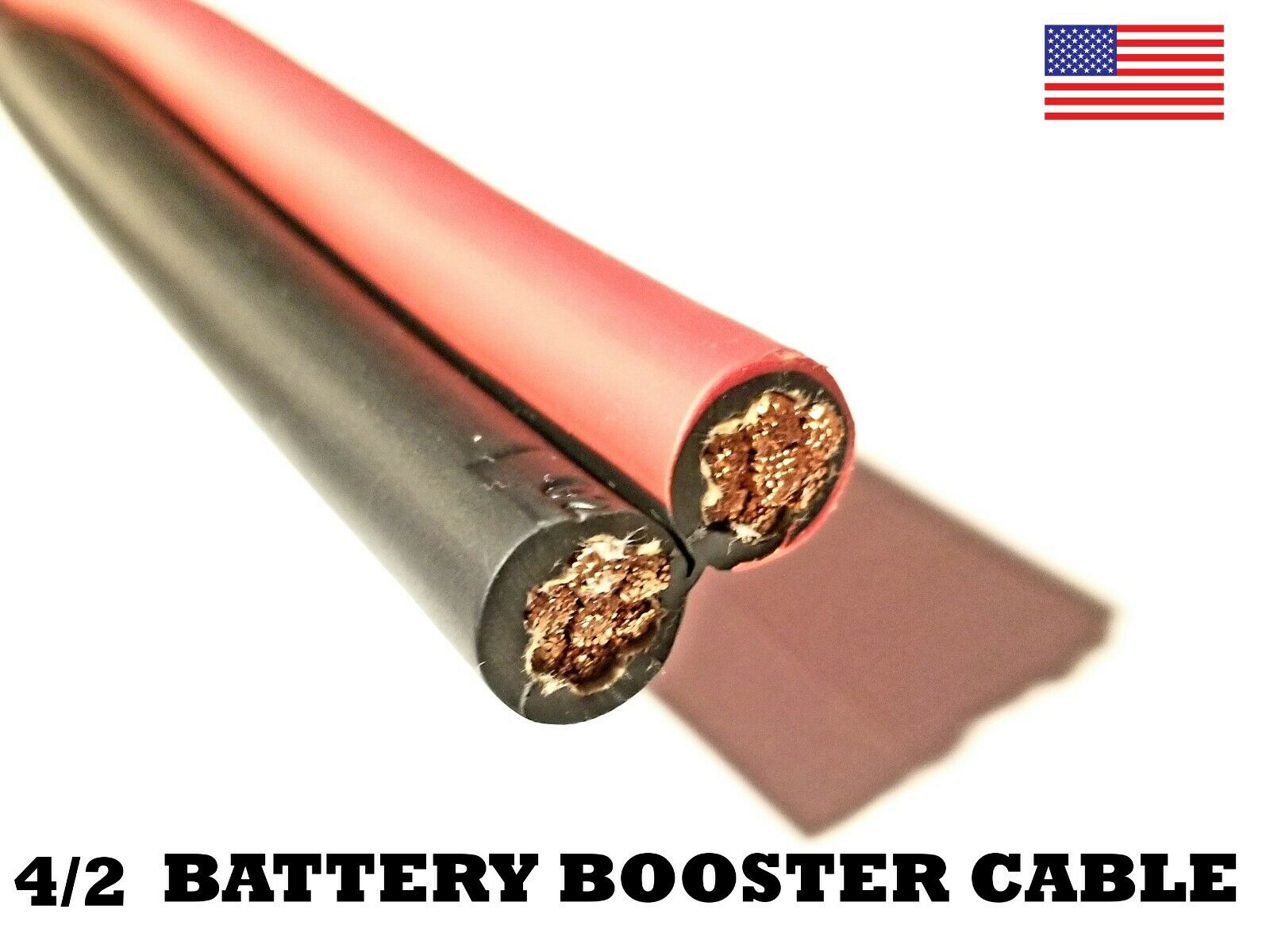
Cable Thickness And Conductivity directly impact this voltage drop. Thicker cables (like 1 gauge) have lower resistance, which means more power reaches the dead battery. This improves the chance of a quick and successful jump.
Durability And Flexibility
The Durability Of Jumper Cables depends on the quality of the materials and thickness of the insulation. Heavy-duty jumper cables usually come with thicker insulation and stronger copper wires, which resist wear and tear longer.
Here’s how the gauges compare in durability and flexibility:
- 1 Gauge: Most durable, built for repeated use and harsh conditions. Less flexible due to thick wires.
- 2 Gauge: Balanced durability and flexibility. Good for regular use and moderate conditions.
- 4 Gauge: Most flexible, easy to store and handle. Less durable for heavy or frequent use.
Flexibility Of Jumper Cables matters for ease of use. Thinner cables bend easily, making them convenient but less tough. Thicker cables offer better Ampacity Of Jumper Cables but require more effort to coil and store.
Consider these points about durability and flexibility:
- Heavy-duty jumper cables resist cracking and damage over time.
- Flexible cables work better in cold weather as they don’t stiffen quickly.
- Durability also depends on the outer coating material, like PVC or rubber.
Choosing the right gauge balances Automotive Battery Cable Gauges with your expected usage, weather, and storage needs.
Credit: acdcwire.com
Choosing The Right Gauge
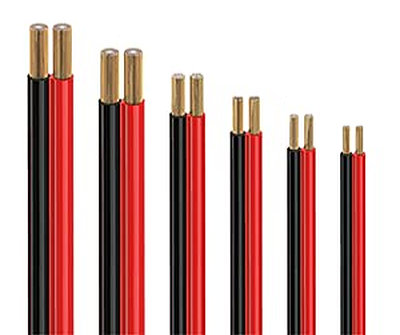
Choosing the right gauge for jumper cables is crucial to ensure a safe and effective battery jump start. The gauge of a cable shows its thickness and affects how much current it can carry. Thicker cables have lower electrical resistance in cables, allowing more power to flow with less voltage drop. Understanding the difference between 1 gauge, 2 gauge, and 4 gauge jumper cables helps match the cable to your vehicle’s needs. Picking the correct cable gauge improves cable durability and ensures the battery jump start works smoothly without damaging the equipment.
Vehicle Size And Engine Type
The size of your vehicle and its engine type play a big role in selecting the right jumper cable gauge. Larger engines need more power to start, so heavier-duty jumper cables with lower cable gauge numbers are better. The cable gauge comparison below shows the best match between engine size and cable thickness.
| Engine Size | Recommended Cable Gauge | Reason |
|---|---|---|
| Small Cars (4-cylinder) | 4 Gauge | Enough ampacity for smaller engines |
| Mid-size Cars and SUVs | 2 Gauge | Handles moderate engine sizes and power |
| Large Trucks and Heavy-Duty Vehicles | 1 Gauge | Supports high ampacity for big engines |
Heavy-duty jumper cables with a thicker jumper cable thickness reduce electrical resistance in cables. This allows for a better battery jump start, especially in cold weather or with diesel engines. Automotive jumper cables that are too thin may not deliver enough power for large engines. This can lead to slow or failed starts and can reduce cable durability over time.
For example, a diesel truck with a large engine needs 1 gauge cables for safe and fast starts. A small car can use 4 gauge cables and still get good performance. Knowing your engine size and cable gauge relationship helps prevent damage to both the battery and cables.
Frequency Of Use
The frequency of cable use affects how durable the cables need to be. Frequent use demands cables that can handle repeated stress and maintain low electrical resistance in cables. Heavy-duty jumper cables with thicker wires last longer and provide consistent cable ampacity over time.
- Occasional Use: 4 gauge cables are often enough. They are lighter and easier to store.
- Regular Use: 2 gauge cables balance durability and power capacity well.
- Frequent or Emergency Use: 1 gauge cables offer the highest cable ampacity and durability.
Regular battery jump start tasks can wear thin cables out quickly. A thicker jumper cable thickness reduces heat buildup and cable damage. It also ensures stable performance during each jump start. Automotive jumper cables with higher durability resist corrosion and physical damage better.
Here is a quick cable gauge comparison based on frequency:
- Light Use: 4 gauge cables
- Medium Use: 2 gauge cables
- Heavy Use: 1 gauge cables
Choosing cables based on frequency of cable use helps maintain safety and cable life. Good cable durability avoids frequent replacements and protects your vehicle’s battery. Always consider how often you expect to jump-start a vehicle before selecting jumper cables.
Safety Considerations
Choosing the right jumper cable gauge is vital for safety and performance during a battery jump-start. The cable thickness and current capacity directly affect how well the cables handle electrical flow. Understanding the ampacity of jumper cables helps prevent issues like overheating and damage to both vehicles. Safety tips for jumper cables include proper handling and connection to avoid sparks, burns, or equipment failure. This section explains key safety considerations when comparing 1 gauge vs 2 gauge vs 4 gauge jumper cables.
Preventing Overheating
Overheating is a common risk during battery jump-starts, especially with thinner cables. Electrical resistance in jumper cables causes heat buildup as current flows through them. The cable gauge impact on jump-start efficiency plays a major role here.
Why overheating happens:
- Thin cables have higher resistance, limiting current flow.
- High current through small gauge cables creates heat.
- Prolonged use or repeated attempts increase heat risks.
Jumper Cable Gauge Comparison and Heat Generation:
| Gauge | Approx. Diameter (inches) | Current Capacity (Amps) | Overheating Risk |
|---|---|---|---|
| 1 Gauge | 0.257 | 150-200 | Low (handles high current well) |
| 2 Gauge | 0.258 | 95-130 | Moderate (suitable for most cars) |
| 4 Gauge | 0.204 | 55-70 | Higher (for small cars, limited use) |
Preventing Overheating Jumper Cables:
- Choose the right gauge for your vehicle size and battery.
- Avoid long jump-start attempts to reduce heat buildup.
- Inspect cables regularly for damage or wear.
- Use cables with thick insulation to handle heat better.
Choosing the right jumper cable gauge lowers electrical resistance in jumper cables. This reduces heat and improves jump-start efficiency. Thicker cables (like 1 gauge) provide better safety for heavy-duty vehicles or cold conditions.
Proper Connection Tips
Proper jumper cable connection tips ensure a safe and effective jump-start. Incorrect connections can cause sparks, short circuits, or battery damage. Knowing the battery jump-start cable sizes helps match cables to vehicle needs.
Step-by-step connection guide:
- Turn off both vehicles. Remove keys and keep ignition off.
- Attach red (positive) clamp to the dead battery’s positive terminal.
- Connect the other red clamp to the booster battery’s positive terminal.
- Attach black (negative) clamp to the booster battery’s negative terminal.
- Connect the other black clamp to an unpainted metal surface on the dead car’s engine block or frame.
Important Safety Tips For Jumper Cables:
- Never connect negative clamps directly to the dead battery’s negative terminal.
- Check clamps for secure, clean contact to reduce electrical resistance.
- Keep cables clear of moving engine parts.
- Wear gloves and eye protection during the process.
Following these tips lowers risks and enhances cable performance. Ampacity of jumper cables combined with proper connection improves current flow and jump-start success. Jumper cable gauge comparison shows that thicker cables tolerate connection errors better due to higher current capacity.
Choosing the right jumper cable gauge and connecting cables properly keeps you safe and your vehicle ready to start. Safety considerations like these prevent damage and make jump-starting easier.
Credit: modernsurvivalblog.com
Frequently Asked Questions
What Is The Difference Between 1, 2, And 4 Gauge Jumper Cables?
The main difference is the cable thickness. 1 gauge is the thickest, carrying more current. 4 gauge is thinner and carries less current. Thicker cables deliver power faster and handle higher loads safely. Choose based on your vehicle’s battery size and engine type.
Which Gauge Jumper Cable Is Best For Car Batteries?
For most cars, 2 gauge cables are ideal. They balance current capacity and flexibility. 1 gauge suits larger engines or trucks needing more power. 4 gauge works for smaller cars or emergency use but may be slower.
How Does Jumper Cable Gauge Affect Charging Speed?
Lower gauge numbers mean thicker cables and faster charging. 1 gauge cables transfer power quickly, reducing jump-start time. Thinner cables like 4 gauge take longer and may struggle with heavy loads. Proper gauge ensures efficient and safe battery charging.
Can 4 Gauge Jumper Cables Jump-start A Truck?
4 gauge cables can jump-start small trucks but may struggle with large engines. For heavy-duty trucks, 1 or 2 gauge cables are safer and more effective. Using a cable too thin risks overheating and poor connection.
Conclusion
Choosing the right gauge for jumper cables depends on your needs. Thicker cables carry more power and work better for bigger engines. Thinner cables are lighter and easier to store but may not handle heavy loads. Always check your vehicle’s requirements before buying.
Keep cables in good condition to avoid problems. The right gauge ensures a quick and safe jump start every time. Remember, simple tools make a big difference in emergencies. Stay prepared and choose wisely.