3 Season Vs 4 Season Tent: Which One Should You Choose?

Camping can be exciting, but choosing the right tent is often confusing betwieen 3 Season Vs 4 Season Tent. Many campers struggle to decide between a 3 season tent and a 4 season tent. These tents look similar, but they are built for different weather, activities, and locations. If you pick the wrong tent, your camping trip can turn uncomfortable—or even dangerous. This article will help you understand the differences, advantages, and limits of each tent type. Whether you are a beginner or an experienced camper, you will learn how to make a smart choice, avoid common mistakes, and feel prepared for your next adventure.
What Is A 3 Season Tent?
A 3 season tent is the most popular tent type for campers, hikers, and backpackers. It is made for spring, summer, and fall. These tents are designed to protect you from rain, mild wind, and bugs. But they are not built for heavy snow or extreme cold.
Most 3 season tents are light and easy to carry. They have mesh panels to let air flow inside, which helps keep the tent cool and reduces condensation. The rainfly (the waterproof cover on top) can be removed in dry weather, making the tent even lighter and cooler.
Key Features
- Ventilation: Mesh windows and panels let air pass through. This keeps the tent comfortable in warm weather and prevents moisture from building up inside.
- Lightweight Materials: Most 3 season tents use thin fabrics and lightweight aluminum poles. This makes them easy to pack and carry, especially for backpackers.
- Simple Setup: These tents are quick to pitch. You can set them up in less than 15 minutes, even if you are new to camping.
- Weather Protection: The rainfly and bathtub-style floor keep you dry in moderate rain. The tent handles light winds but may struggle in storms.
- Compact Size: 3 season tents usually fit 1 to 4 people. They are small, so you can carry them easily on hiking trips.
Pros
- Easy to carry and pack
- Good for most camping trips
- Affordable compared to 4 season tents
- Comfortable in warm and mild weather
Cons
- Not suitable for winter camping
- Can collapse in heavy snow or strong winds
- May feel cold in late fall or early spring
Example
The REI Co-op Half Dome SL 2+ is a popular 3 season tent. It weighs about 4 pounds, fits two people, and has large mesh doors for airflow.
What Is A 4 Season Tent?
A 4 season tent is made for extreme conditions. It is designed to handle all four seasons, including harsh winter weather. These tents protect you from strong wind, heavy snow, and freezing temperatures. They are often used by mountaineers, winter campers, and explorers.
4 season tents have strong poles, thick fabrics, and fewer mesh panels. The rainfly covers the whole tent, and the shape is often rounded or sloped to let snow slide off.
Key Features
- Strong Structure: Extra poles and reinforced joints make the tent sturdy. It can resist wind gusts of up to 50 mph (sometimes more).
- Full Coverage Rainfly: The rainfly covers every part of the tent, including the doors and vestibules. This keeps snow and wind out.
- Minimal Mesh: Less mesh means less airflow, but it prevents cold air and snow from entering. The tent stays warmer inside.
- Heavier Materials: Fabrics are thick and durable. Poles are often made from strong aluminum or even carbon fiber.
- Snow Flaps: Some 4 season tents have flaps at the bottom to stop snow from blowing inside.
Pros
- Safe for winter and mountain camping
- Withstands snow, ice, and strong winds
- Keeps warmth inside
- Built for rough terrain
Cons
- Heavy and bulky to carry
- Can feel hot in summer
- Expensive compared to 3 season tents
- Takes longer to set up
Example
The MSR Access 2 is a famous 4 season tent. It weighs about 4 pounds, fits two people, and is used by winter backpackers and mountaineers.
How 3 Season And 4 Season Tents Differ
You may notice that both tents can protect you from rain and wind, but their designs are different. The main differences are in materials, structure, weight, and comfort.
Here is a simple comparison:
| Feature | 3 Season Tent | 4 Season Tent |
|---|---|---|
| Weather Protection | Rain, mild wind | Snow, strong wind, rain |
| Weight | 2–6 lbs | 4–10 lbs |
| Ventilation | High (lots of mesh) | Low (minimal mesh) |
| Setup Time | 5–15 minutes | 15–30 minutes |
| Cost | $100–$400 | $300–$900 |
Materials And Design
3 season tents use light nylon or polyester, thin poles, and plenty of mesh. This keeps them cool and light. 4 season tents use heavy nylon, thick poles, and have little or no mesh. The dome shape of 4 season tents helps snow slide off, preventing the tent from collapsing.
Weight And Portability
If you need to walk long distances, a 3 season tent is better. It is light and fits in a backpack. Most 4 season tents are bulky, but some newer models are lighter. Still, even the lightest 4 season tents are heavier than standard 3 season tents.
Comfort And Airflow
3 season tents are comfortable in warm weather. You can open windows and doors to let air in. 4 season tents feel warmer inside but may trap moisture. If you use a 4 season tent in summer, you might feel hot and sweaty.
Price
Because 4 season tents use stronger materials, they cost more. The extra expense is worth it if you camp in winter or extreme places. For most people, a 3 season tent is enough and costs less.
Choosing The Right Tent: What Matters Most
When you buy a tent, think about where, when, and how you will use it. Many beginners make mistakes by buying a tent that is too heavy, too expensive, or not strong enough.
1. Weather Conditions
- For warm, mild weather (spring, summer, fall), a 3 season tent is enough.
- For cold, snowy, or windy locations, choose a 4 season tent.
2. Activity Type
- Backpacking and hiking: Go with a light 3 season tent.
- Mountaineering, winter camping: Pick a strong 4 season tent.
3. Group Size
Most tents list how many people fit inside. But this is usually tight. If you want comfort, buy a tent for one person more than your group size.
4. Weight And Packing
If you must carry your tent far, choose a lighter model. A 3 season tent is best for long hikes. For car camping or base camps, weight is less important.
5. Budget
Set your budget before shopping. A good 3 season tent costs $150–$300. A strong 4 season tent may cost $400–$800. Don’t overspend if you camp only in mild weather.
Common Buyer Mistakes
- Buying a 4 season tent for summer trips (too hot, heavy, expensive)
- Picking a 3 season tent for winter camping (unsafe, cold)
- Ignoring ventilation (sweaty nights)
- Choosing the wrong size (too small for gear)
Non-obvious Insights
Many beginners think a “4 season tent” means it’s perfect for every trip. But in summer, these tents can feel uncomfortable. Also, some high-end 3 season tents can handle light snow if you camp in early winter, but always check the specifications.
3 Season Tent: In-depth Look
Let’s explore the 3 season tent more closely. These tents are popular for a reason—they are practical, easy to use, and fit most camping needs.
Construction
3 season tents use thin, flexible poles. The fabric is light and packs small. Mesh panels cover large parts of the tent, letting cool air inside. The rainfly is waterproof but can be removed.
Performance
These tents perform well in rain and light wind. The bathtub-style floor keeps water out. The mesh stops bugs from getting inside. But in rough weather, the tent can shake or collapse.
Popular Models
- Big Agnes Copper Spur HV UL2: Lightweight (2.7 lbs), roomy, lots of mesh.
- NEMO Dagger 2P: Strong, easy setup, comfortable in summer.
Practical Tips
- Always use the rainfly in bad weather.
- Stake the tent tightly for stability.
- Pack extra stakes for windy days.
When To Use
- Summer camping
- Backpacking trips
- Festivals and car camping
When Not To Use
- Winter camping
- Heavy snow or wind
4 Season Tent: In-depth Look
Now let’s study the 4 season tent. These tents are made for serious campers, mountaineers, and explorers.
Construction
4 season tents have thick, solid poles. The fabric is tough and resists tearing. The rainfly covers every part of the tent. Mesh panels are rare. Snow flaps help keep snow outside.
Performance
These tents can handle storms, snow, and freezing temperatures. The strong frame stays upright in high winds. Inside, the tent feels warmer, but ventilation is limited.
Popular Models
- The North Face Mountain 25: Heavy-duty, used by mountaineers.
- Hilleberg Nallo 2: Light for a 4 season tent, excellent in wind and snow.
Practical Tips
- Practice pitching the tent before your trip.
- Use snow stakes or anchors in deep snow.
- Keep the tent zipped to stay warm.
When To Use
- Winter camping
- High-altitude expeditions
- Extreme wind or snow
When Not To Use
- Summer camping (can feel hot)
- Mild weather trips (too heavy)
Comparing 3 Season Vs 4 Season Tent: Real-life Scenarios
To help you understand, let’s see how each tent type performs in different situations.
Spring Camping In The Woods
You are camping in mild weather, with temperatures around 60°F. Rain is possible, but no snow.
- 3 season tent: Perfect. Light, cool, easy to set up.
- 4 season tent: Works, but feels hot and heavy.
Winter Camping In The Mountains
You expect snow, wind, and temperatures below 30°F.
- 3 season tent: Unsafe. Can collapse under snow, feels cold.
- 4 season tent: Ideal. Stays upright, keeps you warm.
Backpacking Long Distances
You need to carry your tent in a backpack for 20 miles.
- 3 season tent: Best choice. Light and compact.
- 4 season tent: Possible, but heavy and tiring.
Unexpected Storms
A thunderstorm hits your campsite with strong wind and rain.
- 3 season tent: Holds up if properly staked, but may shake.
- 4 season tent: More stable, better protection.
Data Table: Tent Performance In Different Conditions
| Scenario | 3 Season Tent | 4 Season Tent |
|---|---|---|
| Warm weather | Excellent | Too hot |
| Cold weather | Poor | Excellent |
| Heavy snow | Unsafe | Safe |
| Long hikes | Easy | Hard |
| Strong wind | Moderate | Strong |
Understanding Tent Ratings And Testing
Tent makers often test their products for wind, rain, and snow. But ratings can be confusing. Some tents are rated for “3+ seasons,” which means they handle light snow but are not true 4 season tents. Always check:
- Maximum wind speed the tent can handle
- How much snow the tent resists
- Ventilation features
If you camp in extreme places, look for tents tested by mountaineers. Brands like MSR, Hilleberg, and The North Face are trusted.
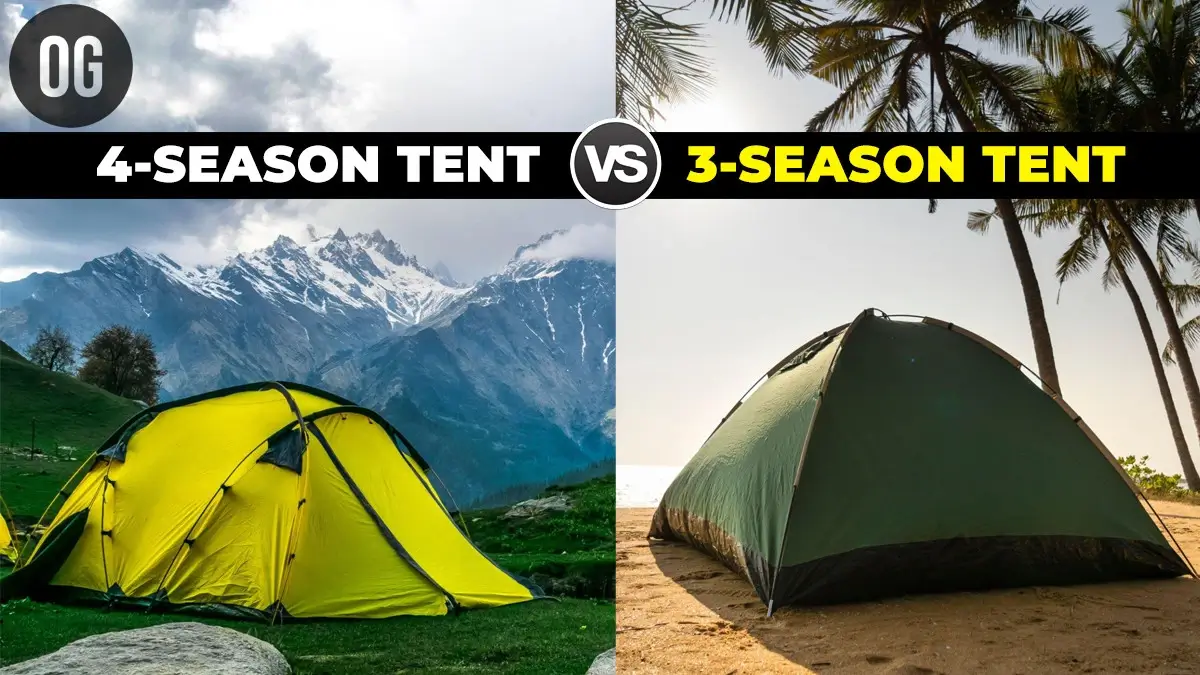
Credit: outdoorgears.in
3 Season Vs 4 Season Tent: Which Is Best For You?
There is no “perfect” tent. The best tent depends on your needs, budget, and location.
If you mostly camp in spring, summer, and fall, a 3 season tent is the best choice. It is light, comfortable, and affordable. If you plan winter camping, mountaineering, or trips to harsh locations, a 4 season tent is safer.
Don’t buy a 4 season tent just because it sounds better. Many campers regret buying heavy tents for simple trips. Think about your real camping plans.
Key Decision Points
- Weather: Choose based on the harshest conditions you expect.
- Comfort: Pick a tent that lets you sleep well.
- Weight: If you carry your tent far, choose light.
- Price: Don’t overspend for features you don’t need.
Advanced Tips For Tent Buyers
If you want to get more value from your tent, consider these insights:
- Some 3 season tents can be upgraded with a special footprint or extra rainfly for mild winter trips.
- If you camp in high humidity, look for tents with extra vents to reduce condensation.
- For high-altitude trips, always check pole strength and tent shape. Rounded domes are better for snow.
- Practice setting up your tent at home before your trip. This prevents mistakes and saves time.

Credit: ayamaya.com
Tent Maintenance And Care
A good tent lasts years if you care for it. Many beginners ruin their tents by storing them wet or packing them roughly.
Steps To Keep Your Tent In Good Shape
- Dry Completely: Always dry your tent after camping. Wet tents get moldy and smell bad.
- Pack Gently: Roll the tent instead of folding. This avoids creases and tears.
- Clean Dirt: Brush off mud and leaves before packing.
- Check Zippers and Poles: Fix any damage before your next trip.
- Store in a Cool Place: Heat can weaken tent fabric.
Taking care of your tent saves money and keeps you safe.
Environmental Impact: 3 Season Vs 4 Season Tent
Modern tents use synthetic materials like nylon and polyester. Making and disposing of these materials affects the environment.
- 3 season tents use less material, so they have a smaller footprint.
- 4 season tents are stronger, but their thicker fabrics use more resources.
Some brands offer tents made from recycled materials. If you care about the environment, look for these options. Also, buying a durable tent means you use fewer tents over time.

Credit: www.youtube.com
Upgrading Your Camping Experience
If you want to improve your camping trips, focus on these areas:
- Tent footprint: A groundsheet protects your tent floor and adds warmth.
- Sleeping pad: Choose a pad with good insulation for cold trips.
- Extra stakes: Bring strong stakes for windy locations.
- Repair kit: Always carry patches and spare poles.
These upgrades make both 3 season and 4 season tents more comfortable and safe.
Data Table: Tent Types And Recommended Use
Here’s a quick guide for common camping situations:
| Trip Type | Recommended Tent |
|---|---|
| Summer backpacking | 3 season tent |
| Winter mountaineering | 4 season tent |
| Festival camping | 3 season tent |
| Base camp (snow) | 4 season tent |
| Car camping (mild weather) | 3 season tent |
Frequently Asked Questions
What Is The Main Difference Between A 3 Season And 4 Season Tent?
The main difference is weather protection. A 3 season tent is made for mild weather (spring, summer, fall), while a 4 season tent can handle harsh winter conditions, including snow and strong wind.
Can I Use A 3 Season Tent In Winter?
It is not safe to use a 3 season tent in heavy snow or freezing temperatures. The tent can collapse, and you may feel very cold. If you camp in mild winter (no snow), some high-end 3 season tents may work, but always check the specs.
Are 4 Season Tents Worth The Extra Cost?
If you camp in winter or extreme places, a 4 season tent is worth the price. For regular camping, it is better to buy a good 3 season tent and spend your money on other gear.
How Do I Keep My Tent Warm In Cold Weather?
Use a tent with low mesh and a full rainfly. Add a sleeping pad with high R-value, and use a winter sleeping bag. Keep the tent zipped and block drafts.
Where Can I Learn More About Tent Types And Camping Safety?
You can read detailed guides and research on camping gear at Wikipedia. This helps you understand different tent types, history, and safety tips.
Camping tents are more than just shelters—they are your home in the wild. Choosing between a 3 season and 4 season tent is a big step. Think about your trips, the weather, and your budget. The right tent makes every adventure safer and more fun.
If you prepare well, you will enjoy camping no matter where you go.