Why 2006 Heritage Softail Problems Caught Me Off Guard ?

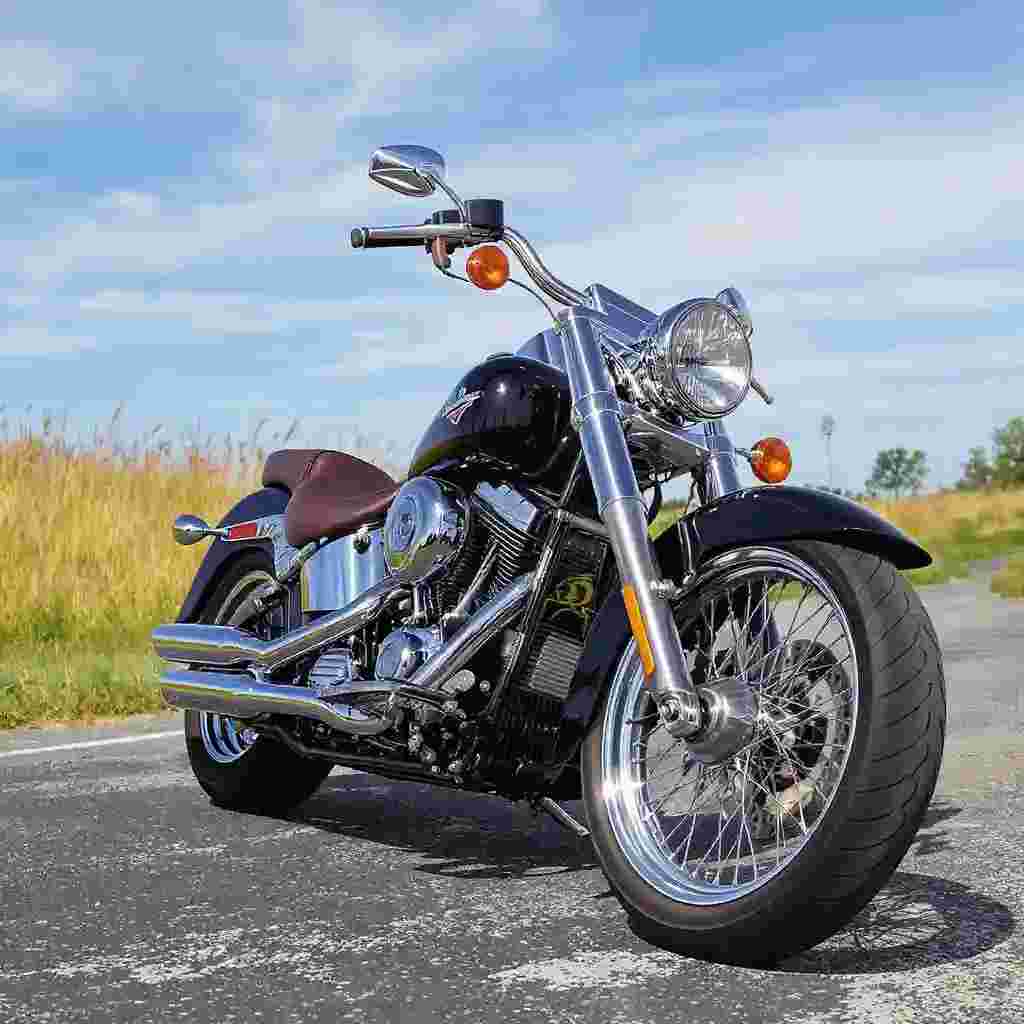
If you’re looking at the 2006 Harley-Davidson Heritage Softail, you’re not alone. It’s a bike that draws people in with its old-school charm, smooth ride, and classic lines.
I’ve ridden a few of these myself, and I totally get the appeal. But here’s the truth—like most bikes that are nearly 20 years old, the 2006 Heritage Softail comes with its own set of quirks and issues. Some are minor annoyances, others are things you’ll want to deal with before they leave you stranded. I have previously discussed 2005 Heritage Softail Problems and 2007 Softail Deluxe Problems.
This article dives deep into the most common 2006 Heritage Softail problems. I’m not here to scare you off. In fact, with the right care and a few upgrades, this bike can be a real gem. But knowing what you’re getting into is key.
1. Engine Heat: Hot Enough to Fry an Egg
Let’s start with the one that bugs people the most—engine heat.
The Twin Cam 88B engine in the 2006 Heritage Softail is solid, but it runs hot. Really hot. I’ve ridden one on a summer day in stop-and-go traffic, and trust me, the heat coming off that engine can roast your inner thighs. Even with jeans on, it’s enough to make you squirm.
Many riders report this same thing. It’s not that the engine is running poorly—it’s just not great at managing heat, especially at low speeds or when idling. And since it’s air-cooled, it relies on moving air to stay cool. That’s a problem when you’re stuck in traffic.
Ways riders deal with it:
- Adding an oil cooler (aftermarket kits help a lot)
- Installing “crotch coolers” or heat deflectors
- Avoiding long idling periods in hot weather
It’s manageable, but you’ll notice it.
2. Cam Chain Tensioner Wear: The Silent Engine Killer
Now let’s talk about the elephant in the room—the cam chain tensioners.
This is, hands down, the biggest mechanical issue with the 2006 Heritage Softail. The Twin Cam 88 used spring-loaded plastic shoes to keep the cam chains tight. Over time, those plastic shoes wear out. When they do, they can break down and send plastic debris into the oil system. If you’re lucky, you catch it early. If not, it can destroy the engine.
The scary part? There’s usually no warning. No noise, no check engine light—just sudden failure.
Here’s what riders (myself included) recommend:
- Inspect the cam chain tensioners every 20,000 miles or sooner
- Upgrade to the Screamin’ Eagle hydraulic tensioner kit (~$700 in parts)
- Or go all-in with a gear drive conversion to eliminate the chains completely
I’ve seen these tensioners fail at 15,000 miles and others last until 50,000. It’s hit or miss, but not something you can ignore.
3. Oil Leaks: A Messy but Common Problem
Another issue you’ll see pop up with these bikes is oil leaks. They’re usually not catastrophic, but they’re annoying and can be messy.
Common leak spots:
- Base gaskets
- Rocker box gaskets
- Oil line fittings
If you notice oil seeping around the top or bottom of the engine, you’re not alone. I’ve dealt with this on a few older Harleys. Sometimes it’s just a gasket replacement, other times it turns into a full top-end job if you’re already opening it up for something else—like those cam tensioners we just talked about.
Tips:
- Use synthetic fluids (they tend to seep less)
- Check for leaks regularly, especially around the heads and base
4. Transmission Quirks: Clunks, False Neutrals, and Stiff Shifts
Most riders love the way the Heritage shifts—until it starts acting up.
Transmission problems aren’t super common, but they do come up. Some folks report a “clunk” when shifting. Others struggle to find neutral or hit a false neutral between gears.
That’s something I’ve run into a few times. It usually gets worse if your clutch isn’t adjusted just right or if the primary fluid is low. In some rare cases, it’s a sign of internal wear in the gearbox.
Fixes that usually help:
- Adjust the clutch cable (especially after the bike has some miles)
- Make sure your fluids are clean and topped up
- Use a high-quality primary fluid designed for Harleys
The good news? If it’s not abused, the transmission in these bikes can last a long time. But if it’s acting up, don’t wait too long to sort it out.
5. Electrical Gremlins: Charging Problems and Speedo Fog
Now let’s get into electrical issues—because yeah, they’re part of the 2006 Heritage Softail story too.
Stator and Voltage Regulator Failure
One of the most common problems is the charging system failing. You’ll be riding along, and suddenly the battery light comes on—or worse, the bike dies. Most of the time, it’s either the stator or the voltage regulator. I’ve had to replace both on older Softails.
Symptoms to watch for:
- Battery not charging
- Dim or flickering lights
- Bike backfiring or running rough at low RPMs
Replacing the stator and regulator isn’t a huge deal, but it’s not cheap. Expect to spend around $200–$300 in parts and several hours of labor if you’re not doing it yourself.
Speedometer Condensation
Another quirky problem? Condensation in the speedo. It usually happens when the weather changes—riding from warm to cool, especially at night. It’s annoying more than anything else, but if you can’t read your speed, it becomes a safety issue too.
Some owners replace the speedometer, but even that doesn’t always fix it long term.
6. Clutch Problems: Not Always a Smooth Start
Even though Harley updated the clutch setup on the 2006 Heritage Softail—adding a lighter diaphragm spring and tweaking the ball-and-ramp assembly—it’s still a sore spot for many riders.
I’ve felt it myself. Sometimes the clutch grabs hard when you start off in gear, even with the lever pulled all the way in. Other times it’s tough to find that sweet friction zone, and the bike lurches forward when you’re trying to ease off the line.
Here’s what’s going on:
- The clutch may not be disengaging fully
- The cable might need adjusting
- Or there could be wear in the clutch basket
Harley’s had clutch recalls in recent years, though not specifically for the 2006 model. Still, the issues feel familiar—grabbing, lurching, and inconsistent engagement.
What helps:
- Careful clutch adjustment (sometimes it takes more than one try)
- Lubing the cable regularly
- If it keeps acting up, inspect or replace the ball-and-ramp setup
If the clutch is annoying you every ride, don’t just live with it. A simple adjustment often makes a big difference.
7. Paint Peeling: A Cosmetic Letdown
This one might not affect how the bike runs—but it still stings.
Some 2006 Heritage Softail owners report paint peeling, especially on the front and rear fenders. I’ve seen it firsthand, and while it doesn’t affect performance, it does affect pride. No one wants their Harley looking beat up, especially if they’re keeping it clean and well cared for.
It seems like a quality control issue with certain batches of paint from that year. If you notice it early, it might just be clear coat flaking. Left unchecked, though, it can lead to rust under the paint.
What you can do:
- Touch-up kits help for small spots
- For larger sections, a repaint or fender swap might be in order
- Keep a coat of wax or ceramic protectant to slow it down
It’s not the end of the world, but it’s worth checking if you’re looking to buy one of these used.
8. Crankshaft Runout: Rare but Real
Here’s one you don’t hear about as much—until you do a cam upgrade. That’s when crankshaft runout becomes a concern.
In simple terms, runout is when the crankshaft doesn’t spin perfectly straight. On some 2006 Twin Cam 88 engines, the runout gets excessive, especially if the bike has been modified or has high mileage.
Why does this matter?
Because if you’re upgrading the cams (especially with gear-drive setups), too much runout can cause serious damage. The gears need precision alignment to work properly. If the crank isn’t straight, those gear teeth start eating each other alive.
Before upgrading cams:
- Always measure crank runout
- Anything over 0.003″ is risky for gear drives
- If it’s too far out, you might need bottom-end work
This isn’t something you’ll notice on a casual ride. But if you’re planning performance upgrades, it’s an important check.
9. Battery and Grounding Issues
One of the most frustrating problems on these bikes can be something really simple: a bad ground or weak battery.
I’ve had electrical issues that looked major—fuel pump not priming, dash lights flickering, random cutouts—and it turned out to be a loose battery terminal. Or a corroded ground strap.
The 2006 Softail uses electronic systems that rely heavily on clean, tight grounds. If the ground connection to the ECM or frame isn’t solid, all kinds of weird stuff can happen.
Before you chase bigger issues:
- Check your battery voltage (should be over 12.6V when off, 14–14.5V when running)
- Clean and tighten the terminals
- Clean the chassis and ECM/BCM grounds
It sounds basic, but I’ve saved myself a trip to the shop more than once with this 5-minute check.
10. Transmission Issues: Clunks and False Neutrals
The 2006 Heritage Softail’s five-speed transmission is generally solid, but it’s not without quirks. Some riders have reported clunking noises when shifting or difficulty finding neutral. This “false neutral” feeling can catch you off guard, especially when stopping at a light or rolling into gear.
These problems usually pop up on bikes with higher mileage or those that have seen rough use. Over time, wear on the gear dogs, shift forks, or linkage can cause sloppy shifting or missed gears.
What to watch for:
- Gear slipping or jumping out of gear
- Hard to get into neutral or neutral not staying put
- Clunking or grinding noises during shifts
If you experience these symptoms, it’s wise to have the transmission inspected sooner rather than later. Left unchecked, worn parts can lead to bigger headaches or even transmission failure.
Solutions often include:
- Rebuilding the transmission with new gear dogs and shift forks
- Adjusting or replacing the shift linkage
- Checking the clutch for proper disengagement, since it affects shifting smoothness
While not common for every 2006 Heritage, these issues are worth keeping on your radar if you’re shopping for one or riding a high-mileage bike.
11. Stator and Voltage Regulator Failures: Charging System Woes
One common electrical trouble spot for the 2006 Heritage Softail is the charging system. The stator and voltage regulator are key players here.
A failing stator or voltage regulator can lead to a dead battery, dimming lights, or the bike running rough. Sometimes, the bike might even backfire or stall unexpectedly.
Here’s what to watch for:
- Battery warning light flickering or staying on
- Dimming headlights or dashboard lights at idle
- Difficulty starting the bike or losing power while riding
- Rough running or backfiring under load
Diagnosing charging problems can be tricky, but a quick voltage check can help. With the bike running at about 3000 RPM, the battery voltage should be around 14 to 14.5 volts. If it’s lower, something’s up.
Often, replacing the stator and voltage regulator together solves the problem, since they work as a team. Before buying expensive parts, though, double-check battery health and grounding connections—those simple things cause many headaches.
12. Engine Heat: Feeling the Burn
If you’ve ever sat in traffic on a hot day with a 2006 Heritage Softail, you probably know this problem well. The Twin Cam 88 engine is notorious for running hot—really hot.
Riders complain about burning legs, even through heavy pants. No matter how many “crotch coolers” or heat shields you add, the heat just finds a way.
This is not about engine reliability; the powertrain holds up well when maintained. It’s purely about heat management.
What helps:
- Aftermarket oil coolers are popular fixes
- Newer shocks with better damping sometimes help reduce heat soak
- Taking breaks in the shade or riding with better airflow gear
While it’s a tradeoff for that classic Harley V-twin feel, if you’re in a warm climate or do a lot of stop-and-go riding, expect to feel the heat.
13. Oil Leaks: The Classic Harley Drip
Oil leaks are almost a Harley tradition, and the 2006 Heritage Softail is no exception.
Leaks often show up around the rocker box gaskets and base engine gaskets. They’re usually slow drips or oil seepage rather than sudden spills.
While minor leaks might not hurt performance immediately, they can lead to dirty engine surfaces, reduced lubrication, and even cause clutch or electrical problems if oil migrates to those areas.
A few tips:
- Keep an eye on oil levels and top off as needed
- Inspect gaskets and seals regularly
- Replace any suspect gaskets to prevent bigger issues
Leaks can be frustrating, but they’re usually manageable with regular care.
14. Speedometer Condensation: Foggy View
Have you ever glanced down only to find your speedometer fogged up with condensation? You’re not alone.
This common issue affects many Harley models, including the 2006 Heritage Softail. The problem tends to appear when weather shifts from warm to cool or if the bike sits unused in humid conditions.
Condensation inside the gauge can make it hard to read your speed—a real safety concern.
The tough part? There’s no permanent fix. Even warranty replacements often bring back the fog.
What you can do:
- Park your bike in a dry, covered area
- Use silica gel packets in the gauge housing if you’re handy with disassembly
- Accept it as a quirky Harley thing and keep a good eye on your speedometer
15. Clutch Problems: The Grab and Lurch
The 2006 Heritage Softail made some clutch improvements over earlier models, aiming for a lighter pull. Still, riders often mention clutch issues.
Common complaints include the clutch grabbing unexpectedly when starting in gear, even with the lever fully pulled. This can cause a sudden lurch forward, which feels unsettling and sometimes unsafe.
Adjusting the clutch can help, but it’s tricky. Get it wrong, and you might lose a smooth friction zone, making the bike harder to control at slow speeds.
Over the years, Harley-Davidson has had recalls and service campaigns related to clutch master cylinders and components. While these may not always apply directly to the 2006 model, the clutch system remains one of those “needs attention” areas.
Tips for owners:
- Regularly check and adjust clutch cable free play
- Replace worn clutch plates if slipping or grabbing persists
- Consider hydraulic clutch upgrades if you want a smoother pull
Getting the clutch “just right” can take patience, but it’s worth the effort for a safer, more comfortable ride.
16. Paint Peeling: When Looks Matter
Some 2006 Heritage Softail owners notice peeling paint on the front and rear fenders. It’s mostly a cosmetic issue but can be disappointing on a bike known for its classic style.
The peeling might be due to factory paint quality or exposure to harsh weather and road debris.
While it won’t affect performance, fixing it can be pricey if you want to maintain showroom looks.
If you spot peeling:
- Consider a professional repaint or protective clear coats
- Use touch-up paint for smaller spots to prevent rust
- Keep your bike clean and waxed to protect the finish
17. Maintenance Tips: Keeping Your 2006 Heritage Running Strong
Owning a 2006 Heritage Softail means you need to be proactive. Routine care can save you time, money, and headaches.
Here are some essentials:
- Inspect Cam Chain Tensioners: These plastic shoes wear out and can cause serious engine damage if ignored. Check them around every 20,000 to 40,000 miles and replace or upgrade to hydraulic tensioners.
- Watch the Charging System: Test your battery voltage regularly and check grounds. Replace the stator and voltage regulator if you notice dim lights or starting problems.
- Address Oil Leaks Promptly: Fix gaskets before leaks get worse or cause other damage.
- Tune the Clutch: Adjust cable free play and replace plates if needed.
- Protect Your Paint: Regular washing and waxing help prevent peeling and rust.
18. Upgrades That Make a Difference
If you plan to keep your 2006 Heritage Softail for the long haul, some upgrades are worth considering:
- Screamin’ Eagle Hydraulic Cam Tensioners: These replace the problematic plastic shoes with a more durable hydraulic system, greatly reducing risk of engine failure.
- Aftermarket Oil Cooler: Helps with that notorious engine heat, especially in stop-and-go traffic or hot climates.
- Gear Drive Conversion: A more expensive but ultra-reliable upgrade that replaces cam chains and tensioners entirely.
- Hydraulic Clutch Conversion: Smooths out clutch pull and improves control.
- Better Seat and Suspension: Improves comfort on long rides.
These upgrades aren’t cheap, but they pay off in peace of mind and improved performance.
Is the 2006 Heritage Softail Worth It?
After talking through all the common 2006 Heritage Softail problems, you might wonder: Is this bike still a good choice?
The answer depends on what you want. If you love classic Harley style and don’t mind putting in some work to keep it running smoothly, the 2006 Heritage can be a great ride. It has solid handling, a comfy ride, and plenty of character.
But don’t expect a “set it and forget it” motorcycle. You’ll need to stay on top of maintenance, especially the cam chain tensioners and electrical system. Some repairs and upgrades are essential to avoid costly breakdowns.
If you’re willing to invest the time and money, the 2006 Heritage Softail can reward you with years of enjoyable riding. If not, you might want to consider a newer model with updated features and fewer known issues.
You can also read: My Honest Take on Best Year Heritage Softail Classic: Which I’d Buy Again 2025
FAQ: 2006 Heritage Softail Problems
1: What are common problems with the 2006 Heritage Softail?
Common issues include cam chain tensioner wear, engine heat, oil leaks, electrical failures, and clutch grabbing. Regular checks help avoid major repairs.
2: Why does the 2006 Heritage Softail engine run hot?
The Twin Cam 88 engine produces a lot of heat, especially in traffic. Aftermarket oil coolers and vents can help reduce rider discomfort.
3: How often should cam chain tensioners be checked on a 2006 Heritage Softail?
Inspect cam chain tensioners every 20,000 to 40,000 miles to prevent failure, which can cause severe engine damage.
4: Are there known electrical problems on the 2006 Heritage Softail?
Yes, stator and voltage regulator failures can cause battery drain and rough running. Checking battery and grounds often solves these issues.
5: Does the 2006 Heritage Softail have clutch problems?
Some riders report clutch grabbing and hard pulls. Adjustments or upgrades may be needed for smoother operation.
6: What causes oil leaks on the 2006 Heritage Softail?
Oil leaks often come from worn gaskets around rocker boxes and base seals. Regular maintenance helps catch leaks early.
7: How reliable is the 2006 Heritage Softail overall?
With proper upkeep, the 2006 Heritage Softail is reliable. Key is regular cam tensioner checks and electrical system care.
8: Are transmission issues common on the 2006 Heritage Softail?
Some owners report gear shifting problems and false neutrals, which may require transmission rebuilds or repairs.
9: Should I upgrade the cam chain tensioners on my 2006 Heritage Softail?
Upgrading to hydraulic or gear drive tensioners is recommended to improve reliability and avoid costly engine damage.
10: Does the 2006 Heritage Softail have paint problems?
Some riders notice paint peeling on fenders, which is cosmetic but may need repainting to keep the bike looking good.
Final Thoughts
Owning a 2006 Heritage Softail is like caring for a classic piece of motorcycle history. It’s not perfect, and it has its quirks — but that’s part of its charm.
By understanding the common problems and addressing them early, you can keep your bike running well and avoid surprises. Regular checks, timely upgrades, and a good mechanic go a long way.
If you decide to buy one, take the time for a thorough inspection, especially on the cam chain tensioners, oil leaks, and electrical system. Factor in maintenance costs so you’re ready to give your bike the care it deserves.
Riding a 2006 Heritage Softail is more than just transportation. It’s a connection to Harley-Davidson’s legacy and a chance to enjoy that unmistakable V-twin rumble on the open road.
Thanks for reading! If you have any questions or want to share your experiences with the 2006 Heritage Softail, feel free to reach out.