When Did Hockey Start Wearing Helmets: A Historical Timeline

Hockey players started wearing helmets in the 1970s. Before this, helmets were rare.
The game of hockey has always been fast and thrilling. But it was also dangerous. For many years, players did not wear helmets. This led to many injuries. People began to worry about player safety. Finally, in the 1970s, helmets became more common.
The National Hockey League (NHL) made helmets mandatory in 1979 for new players. This change improved safety in the sport. It marked a big step in hockey history. Helmets now protect players from head injuries. They are a key part of the game.
Early Days Of Hockey
The early days of hockey were raw and intense. Players braved the ice with minimal gear. There were no strict safety standards. This rough-and-tumble period saw many injuries. Helmets were not even a thought.
Origins Of The Game
Hockey’s origins date back centuries. The game evolved from stick-and-ball games. Ancient civilizations played similar sports. In the 19th century, modern hockey took shape. Canada became the sport’s epicenter.
Early Equipment
In the early days, equipment was basic. Players wore heavy woolen sweaters. Sticks were handmade from wood. Skates were simple blades strapped to boots. There was no protective gear.
Goalies had no masks. Players had no helmets. Injuries were common and severe. Despite risks, the sport’s popularity grew. Early players showed remarkable toughness. Their legacy paved the way for modern hockey safety.
Credit: thehockeynews.com
First Safety Concerns
The first safety concerns in hockey emerged as players began to suffer from serious head injuries. As the game evolved, these injuries became more frequent and severe. This led to a growing awareness of the need for better protection. Below, we delve into the initial injuries and the calls for protection that eventually led to the adoption of helmets in hockey.
Initial Injuries
Early hockey players faced numerous head injuries. These injuries ranged from cuts and bruises to more severe concussions. A lack of proper protection left players vulnerable during fast-paced games.
During the early 1900s, many players suffered from head injuries. The fast-moving puck and physical contact caused frequent accidents. Without helmets, players had little protection against these dangers.
Calls For Protection
As injuries increased, many began calling for better safety measures. Coaches, players, and medical professionals all voiced their concerns. They recognized the need for head protection to prevent serious injuries.
In the 1930s, some players started wearing makeshift helmets. These early helmets were often made from leather and provided minimal protection. Yet, they marked the beginning of a shift towards safer gameplay.
By the 1970s, the push for mandatory helmets gained momentum. The National Hockey League (NHL) implemented a helmet rule in 1979. This rule required all new players to wear helmets, significantly improving player safety.
| Year | Event |
|---|---|
| 1930s | First makeshift helmets appeared |
| 1970s | NHL made helmets mandatory for new players |
Overall, the history of hockey helmets is a response to growing safety concerns. Understanding the initial injuries and the calls for protection helps us appreciate the importance of this crucial piece of equipment.
Introduction Of Helmets
Hockey is a sport filled with high-speed action and physical contact. Over time, safety became a priority. This led to the introduction of helmets. Initially, helmets were not mandatory. Players often resisted wearing them. But the need for protection became clear as the game evolved.
First Helmet Designs
The first helmet designs were simple. They provided basic protection. Early helmets were made of leather. Players found them uncomfortable. These helmets did not offer much safety. Over the years, designs improved. Manufacturers used better materials.
Key features of early helmets:
- Leather construction
- Minimal padding
- Basic straps for fitting
With advancements in technology, helmets became more robust. They included better padding and stronger materials. This increased player safety on the ice.
Player Reactions
Initially, many players resisted wearing helmets. They believed helmets were unnecessary. Some thought helmets were uncomfortable. Others felt they restricted vision and movement. Despite these concerns, safety advocates pushed for helmet use.
Reasons for resistance:
- Uncomfortable fit
- Restricted vision
- Tradition of not wearing helmets
Over time, attitudes changed. Players began to see the benefits of wearing helmets. Coaches and leagues enforced helmet rules. Today, helmets are standard in all hockey games. They protect players from head injuries and concussions.
As technology advanced, so did helmet designs. Modern helmets are lightweight and offer excellent protection. They are a crucial part of a player’s gear.
Mandatory Helmet Rules
Mandatory Helmet Rules have shaped modern hockey. Safety became a priority as the sport evolved. Helmets have saved countless players from serious injuries. This section delves into how these rules were established and enforced.
League Regulations
In the 1970s, the NHL began addressing player safety. They introduced rules to protect athletes’ heads. By 1979, all new players were required to wear helmets. This was a significant step towards safer hockey.
| Year | Regulation |
|---|---|
| 1971 | Helmet use encouraged |
| 1979 | Mandatory helmets for new players |
Implementation Timeline
The transition to mandatory helmets was gradual. Veterans were exempt from the new rule. This meant some players opted to play without helmets. By the 1980s, helmet use became more common. The last player without a helmet retired in 1997.
- 1971: Helmet use encouraged
- 1979: Mandatory helmets for new players
- 1980s: Increased helmet use
- 1997: Last helmetless player retires
Today, helmets are a standard part of hockey gear. They have become essential for player safety. The mandatory helmet rules were a crucial turning point in hockey history.
Impact On The Game
The introduction of helmets in hockey marked a significant shift. It wasn’t just about adding a piece of equipment. The change had a profound impact on the game. This shift touched various aspects of hockey, from player safety to gameplay dynamics.
Player Safety
Helmets brought a new level of safety for players. Before their introduction, head injuries were common. Concussions and skull fractures were major concerns. Helmets helped reduce these risks. Players felt more secure on the ice. This led to fewer injuries and extended careers.
Gameplay Changes
Helmets also influenced the gameplay itself. Players became more confident in their movements. They could engage in more aggressive plays. This added intensity to the game. The overall pace of the game increased as a result. New strategies emerged, focusing on speed and physicality.
Helmet Technology Advances
Over the years, helmet technology in hockey has seen significant advancements. These improvements have made the sport safer for players. Let’s explore the various aspects of these technological advancements.
Material Improvements
Early hockey helmets were made of leather. They provided minimal protection. Modern helmets use advanced materials for better safety.
- Plastic Shells: Lightweight yet durable plastic shells replaced leather.
- Foam Padding: High-density foam padding absorbs impacts more effectively.
- Carbon Fiber: Some helmets now incorporate carbon fiber for extra strength.
These material improvements have drastically reduced head injuries.
Design Innovations
Design innovations have also played a crucial role in helmet technology advances.
- Adjustable Fit: Helmets with adjustable features ensure a snug fit for all head sizes.
- Ventilation: Improved ventilation systems keep players cool during the game.
- Face Protection: Integrated visors and cages protect the face and eyes.
These design changes have enhanced comfort and safety for players.
| Feature | Benefit |
|---|---|
| Plastic Shells | Lightweight and durable |
| Foam Padding | Better impact absorption |
| Adjustable Fit | Customized fit for all players |
| Ventilation | Improved airflow |
| Face Protection | Enhanced safety for face and eyes |
These advancements in helmet technology have made hockey a safer sport. Players can now focus more on the game and less on potential injuries.
Notable Players And Helmets
The history of hockey helmets is filled with remarkable stories and notable players. Helmets have evolved over time, becoming a crucial part of player safety. Let’s explore the pioneering athletes and iconic helmets that have left a mark on the sport.
Pioneering Athletes
Several players were early adopters of helmets, setting a trend for safety in hockey.
- George Owen: The first NHL player to regularly wear a helmet. He played for the Boston Bruins in the 1928-1929 season.
- Bill Masterton: His tragic accident in 1968 led to increased awareness of the importance of helmets.
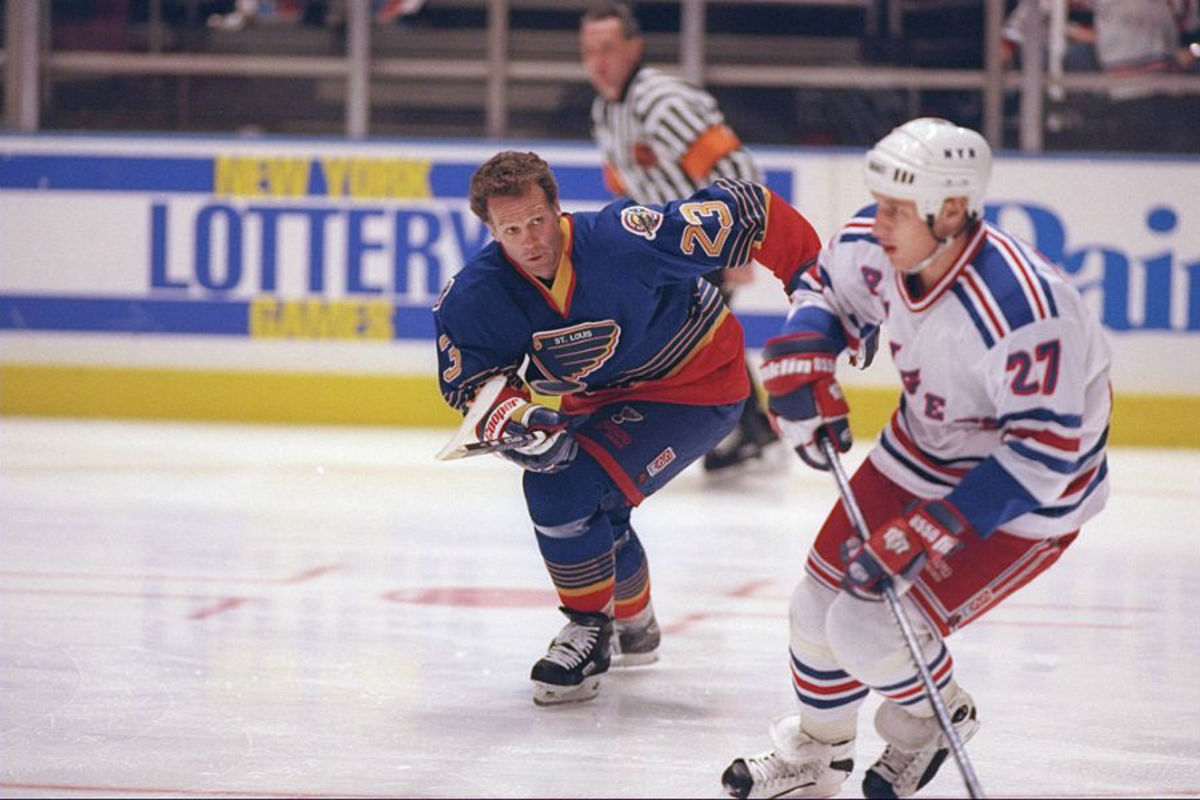
- Craig MacTavish: The last player to play without a helmet, retiring in 1997. His retirement marked the end of an era.
Iconic Helmets
Certain helmets have become iconic due to their design and the players who wore them. Here are some notable mentions:
| Player | Helmet | Details |
|---|---|---|
| Jacques Plante | Fiberglass Mask | First goalie to wear a mask regularly in 1959. |
| Wayne Gretzky | Jofa Helmet | Known for its unique shape and association with “The Great One.” |
| Dominik Hasek | Helmet-Cage Combo | Distinctive look combining helmet and cage, enhancing protection. |
These players and helmets have left a lasting legacy in hockey. They have not only enhanced safety but also added character to the game.

Credit: www.youtube.com
Future Of Hockey Helmets
The evolution of hockey helmets is a fascinating journey. The goal is not only safety but also performance. As technology advances, so do the helmets. The future of hockey helmets promises many exciting innovations. Let’s explore some of the upcoming trends and potential developments in this field.
Upcoming Trends
Hockey helmets are becoming lighter and more comfortable. Modern materials allow for better protection without the extra weight. 3D printing technology is playing a significant role. It enables customization for individual players, enhancing fit and comfort.
Another trend is the integration of smart technology. Helmets with sensors can monitor impacts. They provide real-time data to coaches and medical staff. This technology helps in preventing serious injuries. It also allows for immediate action if a player is at risk.
Potential Developments
One potential development is the use of advanced padding materials. These materials can absorb impacts more effectively. They reduce the force transferred to the player’s head. Researchers are exploring materials that mimic natural shock absorbers.
Another area of development is aerodynamics. Future helmets may have designs that reduce wind resistance. This can enhance player speed and agility. Improved airflow can also help in keeping players cool during intense games.
| Feature | Benefit |
|---|---|
| 3D Printing | Customized fit for each player |
| Smart Technology | Real-time impact monitoring |
| Advanced Padding | Better impact absorption |
| Aerodynamic Design | Enhanced speed and agility |
The future of hockey helmets is bright. With these advancements, players can expect better protection and performance. The game will be safer, faster, and more enjoyable for everyone involved.

Credit: ericzweig.com
Frequently Asked Questions
When Did Hockey Helmets Become Mandatory?
Hockey helmets became mandatory in the NHL for new players in the 1979-1980 season. The rule was introduced to improve player safety.
Who Was The First Nhl Player To Wear A Helmet?
George Owen of the Boston Bruins was the first NHL player to wear a helmet. He wore it in the 1928-1929 season.
Why Did Hockey Players Start Wearing Helmets?
Hockey players started wearing helmets to protect against head injuries. Increased awareness of concussions and safety concerns led to the change.
Are Hockey Helmets Required In All Leagues?
Yes, hockey helmets are mandatory in all professional and amateur leagues. This rule ensures player safety across all levels of play.
Conclusion
Hockey helmets became standard in the 1970s for safety reasons. Players and leagues realized the importance of head protection. Early adopters faced resistance, but safety concerns won. Helmets now protect players from serious injuries. The change has made hockey safer for everyone.
Today, all players wear helmets, setting a new norm. This shift shows the sport’s commitment to player safety. Hockey continues to evolve, prioritizing health and safety.