Motorcycle Touring Maps: Your Ultimate Guide to Epic Road Adventures

Motorcycle Touring Maps: Your Essential Guide For Unforgettable Rides
For many riders, a motorcycle is more than just a machine—it’s freedom on two wheels. But where you ride matters just as much as what you ride. Whether you’re a weekend explorer or planning a cross-country journey, motorcycle touring maps are your secret weapon for safer, smoother, and more inspiring adventures. These maps do more than show roads; they reveal the best routes, help you avoid trouble, and sometimes lead you to places you never imagined.
But with so many options—paper, digital, GPS-based, or hand-drawn—how do you pick the right one? Why do some riders still swear by paper maps in this digital age? And what are the biggest mistakes beginners make when choosing or using their touring maps?
This guide dives deep into every aspect, sharing practical tips, little-known insights, and real-world examples to help you plan your next motorcycle journey with confidence.
What Makes Motorcycle Touring Maps Special?
Not all maps are created equal. While a regular road map might get you from point A to B, motorcycle touring maps are designed for the unique needs of riders.
- They highlight scenic routes, twisty roads, and less-traveled paths perfect for motorcycles.
- Many include fuel stops, rest areas, campgrounds, and biker-friendly attractions.
- Some even rate roads by difficulty, pavement quality, or local traffic.
Motorcycle-specific maps often use bold colors, clear symbols, and special notes so you can plan routes based on your riding style—whether you crave mountain curves or wide-open highways.
Example: The Tail Of The Dragon
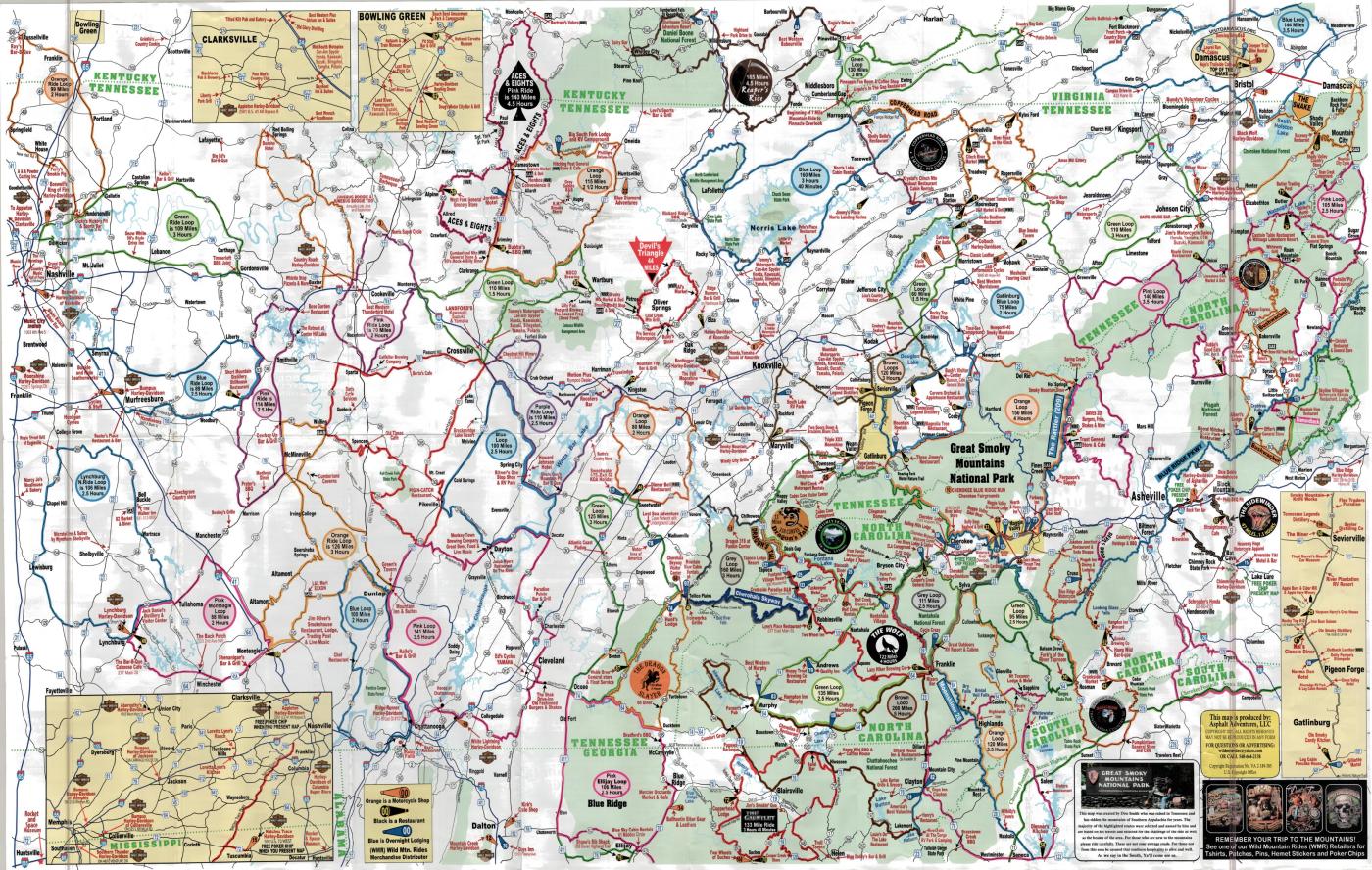
Consider the famous Tail of the Dragon at Deals Gap, North Carolina. Standard GPS might not even highlight this stretch, but motorcycle touring maps mark it as a must-ride for its 318 curves in 11 miles, while also warning about heavy police presence and nearby hazards.
Types Of Motorcycle Touring Maps
Choosing the right type can make or break your trip. Each style has pros and cons.
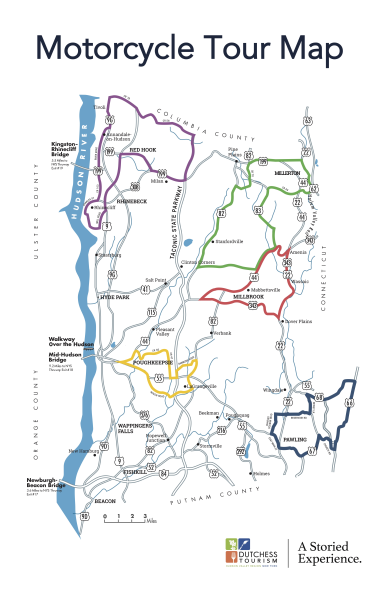
Paper Maps
Paper touring maps are still favored by many experienced riders. Why?
- Reliable: No battery needed. Works anywhere, even without signal.
- Big picture: Easy to see the whole region at once.
- Customizable: You can mark routes, notes, or detours with a pen.
Downsides include bulkiness and the need to stop for a closer look. Rain can be an issue, but waterproof options exist.
Digital Maps (apps And Gps)
Digital options are everywhere now:
- GPS Units: Devices like Garmin Zumo or TomTom Rider are built for motorcycles, with weatherproof screens and gloves-friendly buttons.
- Smartphone Apps: Google Maps, Rever, Scenic, and Kurviger offer turn-by-turn directions, live traffic, and route sharing.
Benefits include real-time updates, rerouting, and the ability to download maps for offline use. However, battery drain and screen visibility in sunlight can be problems.
Custom Maps And Hand-drawn Routes
Some riders create their own maps using tools like Google My Maps or even by hand. This lets you personalize every stop, but it takes time to research.
Comparison Of Map Types
Here’s how the main options stack up:
| Type | Strengths | Weaknesses | Best For |
|---|---|---|---|
| Paper Maps | Reliable, overview, no battery | Bulky, can get wet, no updates | Long trips, remote areas |
| GPS Units | Weatherproof, turn-by-turn, offline | Expensive, limited apps | Frequent travelers, harsh weather |
| Smartphone Apps | Cheap, live data, many features | Battery drain, screen glare | Tech-savvy, day trips |
Credit: old.dutchesstourism.com
How To Choose The Best Motorcycle Touring Map
Picking the right map depends on your destination, budget, and personal style. Here are the key factors to consider:
1. Trip Length And Location
- Short Rides: Apps or online maps work well for day trips or weekends.
- Long Tours: Paper maps or dedicated GPS units are better for cross-country or remote travels.
2. Level Of Detail Needed
Do you want to discover small side roads or just stick to main highways? Some maps show only major routes, while others highlight hidden gems.
3. Weather And Reliability
Rain, heat, or poor cell signal can kill a phone or GPS. Paper maps and waterproof GPS units are more reliable in extreme conditions.
4. Budget
- Apps: Many are free or low-cost, but advanced features may require a subscription.
- Paper Maps: Usually under $20, but high-quality sets can cost more.
- GPS Devices: Can range from $200 to $700+.
5. Personal Preferences
Some riders just love the feel of unfolding a big, colorful map and plotting by hand. Others prefer the convenience of digital.
Top Motorcycle Touring Maps And Apps
Here are some of the most trusted and popular options among riders.
Butler Maps
Butler Maps are made by and for motorcyclists. Their G1 series highlights the best paved roads in the US, with color-coding for scenery, difficulty, and pavement quality. Maps are waterproof and tear-resistant—a big plus for touring.
Garmin Zumo
Garmin Zumo GPS units are weatherproof, glove-friendly, and come preloaded with motorcycle-specific maps. They offer features like adventure routing, which picks twistier, more scenic roads.
Rever
The Rever app lets you plan, track, and share rides. You can discover routes created by other riders and download maps for offline navigation. It’s available for both iOS and Android.
Kurviger
Kurviger is a popular app, especially in Europe, that helps you find the most fun and winding routes. It allows for custom route planning and offline use.
Google Maps
While not motorcycle-specific, Google Maps is still useful for its up-to-date navigation, real-time traffic, and ease of use. For off-the-beaten-path trips, download offline maps in advance.
Scenic
Scenic is an iOS app focused on motorcycle touring, offering route planning, voice guidance, and a large library of shared rides. It’s great for discovering new roads.
Comparison Of Popular Touring Apps
Let’s compare features of the top apps:
| App | Platforms | Offline Use | Route Sharing | Price |
|---|---|---|---|---|
| Rever | iOS, Android | Yes (Premium) | Yes | Free / $5-10/mo for premium |
| Kurviger | Android, Web | Yes | Yes | Free / $10-30 one-time |
| Scenic | iOS | Yes | Yes | Free / in-app purchases |
| Google Maps | iOS, Android, Web | Yes | Limited | Free |
How To Read And Use Motorcycle Touring Maps
A map is only as good as your ability to use it. Here’s how to get the most out of your map, whether paper or digital.
Understanding Map Symbols And Legends
Most touring maps use special icons for fuel, food, lodging, and points of interest. Study the legend so you recognize these at a glance. Some even use color-coding for scenic quality, road surface, or traffic.
Planning Your Route
- Mark your start, stops, and destination.
- Identify rest areas every 1.5 to 2 hours.
- Check for fuel availability—some rural areas have long gaps between stations.
- Consider the weather and elevation; mountains can be colder and foggier.
Using Waypoints
Waypoints are key locations along your route—like towns, gas stations, or scenic overlooks. Most GPS apps let you add these, while on paper maps you can highlight or circle them.
Backup Plans
Always have a backup. Batteries die, phones get dropped, and GPS signals can be lost. Keep a small paper map in your tank bag, or download offline maps before you leave.
Common Mistakes Riders Make With Touring Maps
Even experienced riders sometimes make avoidable errors. Here are some to watch for:
- Relying 100% on GPS: Technology can fail. Always have a backup.
- Not downloading offline maps: In remote areas, you may lose signal.
- Ignoring map updates: Roads can close, or new routes may be added.
- Underestimating distances: Mountain roads can take much longer than highways.
- Missing local rules or hazards: Some roads may be closed to motorcycles or have seasonal restrictions.
Hidden Insights: What Most Beginners Miss
Beyond the basics, there are some map-related insights that many new riders overlook.
Local Rider Recommendations
Touring maps are great, but local riders often know about temporary hazards, secret routes, or the best places to eat. Stop at motorcycle shops or diners and ask locals for tips. Sometimes, this leads to the most memorable parts of your trip.
Map Scale Matters
A detailed map (1 inch = 1 mile) is better for planning local rides, while a broad overview is best for long journeys. Using the wrong scale can cause you to miss small roads or misjudge distances.
Update Frequency
Some digital maps update monthly, while paper maps might be out-of-date as soon as printed. Always check the map’s update date, especially after storms or construction season.
Advanced Map Features For Motorcycle Touring
Modern motorcycle touring maps, especially digital ones, have advanced features that make trip planning even better.
Curvy Road Routing
Some GPS units and apps can find the curviest roads between two points, skipping highways and boring straightaways. This is a game-changer if you crave twisties.
Weather Overlays
Certain mapping systems can show live weather, letting you avoid rain or plan for changing conditions.
Custom Layering
Many apps let you add layers—like favorite stops, gas stations, or even hazards. This custom view helps you plan smarter.
Community Routes
Apps like Rever or Scenic let you browse routes created by other riders, complete with ratings and photos. This is a fast way to find tried-and-tested rides.
Regional And International Motorcycle Touring Maps
Touring needs change depending on where you ride. Let’s look at some regional and international options.
United States
The US has a wealth of motorcycle touring maps, from the Butler G1 series to state-specific guides. The American Motorcycle Association (AMA) also publishes route guides for members.
Europe
Europe is a rider’s paradise, with maps covering the Alps, Pyrenees, Black Forest, and more. Kurviger and TomTom Rider are popular for finding twisty, scenic routes.
Asia And Australia
Touring in Asia and Australia often means dealing with remote areas and fewer services. Paper maps are essential backups. In Japan, the Touring Mapple series is a favorite among riders.
Africa And South America
Maps can be outdated, and road conditions change fast. Always combine a reliable GPS with the most recent paper map you can find. Local advice is priceless here.
Tips For Using Maps On The Road
Knowing what to bring and how to use it can make your ride easier and safer.
Protect Your Maps
- Use a tank bag with a clear window for paper maps.
- Keep digital devices in waterproof mounts.
- Store backup paper maps in a zip-lock bag.
Practice Quick Map Checks
Learn to quickly glance at your map at stoplights or rest breaks. Don’t stare at your phone or GPS while moving.
Keep Batteries Charged
Bring a USB charger or power bank for phones and GPS units. Some motorcycles have built-in charging ports.
Share Your Route
Tell a friend or family member your planned route and check in often, especially in remote areas.
How To Make Your Own Custom Touring Map
Sometimes, the best map is the one you make yourself. Here’s how you can create a personalized touring map.
Step 1: Research And Gather Data
- Use Google Maps, rider forums, and local websites to find scenic roads and interesting stops.
- Ask local riders for tips.
Step 2: Select Your Tools
- Digital: Use Google My Maps, Kurviger, or Rever to plot your route.
- Paper: Print sections of online maps or draw your own on a blank map.
Step 3: Add Key Points
Mark fuel stops, food, lodging, and any must-see attractions. Plan for breaks every couple of hours.
Step 4: Save And Share
Export your route to your GPS, phone, or print a copy. Share it with riding partners for feedback.
Custom Maps: Example Workflow
| Step | Tool/Resource | Action |
|---|---|---|
| 1. Research | Forums, Google, Local Shops | Find scenic roads, hazards |
| 2. Plot Route | Google My Maps, Kurviger | Draw route, add waypoints |
| 3. Mark Essentials | Map icons, notes | Gas, food, lodging, stops |
| 4. Export/Print | GPS, Phone, Printer | Save or print map |
Safety And Legal Considerations With Touring Maps
Maps help you plan, but safety comes first. Some key points to remember:
Obey Local Laws
- Some states or countries have restrictions—like no motorcycles on tollways or helmet laws. Touring maps sometimes include these notes, but always double-check.
- Speed limits and parking rules can change quickly, especially in small towns.
Watch For Seasonal Closures
Mountain passes and scenic roads can be closed by snow or landslides. Check for road closures before your trip.
Emergency Planning
- Mark hospitals, police stations, and emergency numbers on your map.
- Know where you can get help if you break down.
Credit: www.greatnortherncatskills.com
Environmental Impact And Responsible Riding
Your map can help you ride responsibly.
- Stick to marked roads and trails.
- Avoid sensitive areas, like wildlife habitats or private land.
- Use your map to find eco-friendly campsites or accommodations.
Riding responsibly means everyone can enjoy these roads for years to come.
The Future Of Motorcycle Touring Maps
Technology keeps evolving, and so do touring maps. Here’s what’s coming:
Augmented Reality (ar)
Some apps are testing AR overlays—imagine seeing turn-by-turn directions or points of interest right on your helmet visor.
Crowdsourced Updates
More maps are using rider feedback to update road conditions, hazards, and attractions in real time.
Global Integration
In the future, one map app might cover the whole world, syncing your routes, weather, and even bike maintenance data.
Non-obvious Insights For Smarter Touring
Let’s wrap up with two insights that most beginners miss:
- Plan for Fuel Gaps: On remote roads, gas stations can be 100+ miles apart. Always know your bike’s range and where you’ll refuel, even if it means calling ahead to confirm a station is open.
- Route Flexibility: The best rides often happen when you go off-script. Use your map as a guide, but stay open to detours, local events, or road closures. Sometimes the “wrong turn” becomes the highlight of your trip.
Frequently Asked Questions
What’s The Best Map For Motorcycle Touring In Remote Areas?
Paper maps are the most reliable in remote regions since they don’t need batteries or cell signal. Complement them with a GPS or offline app for navigation. Always carry both for safety.
How Do I Keep My Map Safe From Rain Or Wind While Riding?
Use a waterproof tank bag with a clear map window for paper maps. For phones or GPS units, invest in a sturdy, waterproof mount. Always have a backup in a sealed bag.
Are There Free Motorcycle Touring Maps Available?
Yes, many motorcycle clubs, tourism boards, and websites offer free downloadable maps. Apps like Google Maps and Kurviger have free versions, though some advanced features may require payment.
Can I Use A Car Gps For Motorcycle Touring?
You can, but motorcycle-specific GPS units are better. They’re designed to handle vibration, weather, and gloves. Car GPS units may not show twisty or scenic routes favored by riders.
How Often Should I Update My Touring Maps?
Update digital maps as often as possible, especially before big trips. For paper maps, check the publication date and look for updates every year or two. Always confirm critical info (like road closures) before you leave.
Motorcycle touring maps are more than just navigation tools—they’re the key to discovery, adventure, and safety on the open road. With the right map, every trip becomes a story worth telling. For more in-depth guides and the latest route data, check resources like the American Motorcyclist Association.
Wherever your next ride takes you, ride safe, stay curious, and let the map guide you to your next great adventure.
Credit: bikerbabemountainrider.blog