How Long Do Motorcycle Tires Last in Storage: Essential Lifespan Tips

Are you wondering how long your motorcycle tires can safely sit in storage before you need to replace them? Whether you’re putting your bike away for the season or storing spare tires, knowing how long they last is crucial for your safety and performance.
Using tires that have been stored too long can lead to unexpected wear or even dangerous blowouts. You’ll discover the signs to watch for, how storage conditions affect tire life, and expert tips to keep your tires in top shape.
Keep reading to protect your ride and ride with confidence every time you hit the road.
Tire Lifespan Factors
Understanding the tire lifespan factors is key to knowing how long motorcycle tires last in storage. Several elements affect the quality and safety of tires over time. These include the material composition, storage conditions, and the tire usage history. Each factor influences the rate of tire degradation in storage and the overall motorcycle tire lifespan. Proper knowledge helps in following tire storage best practices and extends the tire’s usability.
Material Composition
The material composition of motorcycle tires plays a major role in their durability during storage. Tires consist mainly of rubber compounds, fabric, and steel belts. The quality and type of rubber affect the rubber compound aging process and tire shelf life.
- Natural rubber is flexible but ages faster under heat and sunlight.
- Synthetic rubber offers better resistance to environmental factors.
- Reinforcing materials like steel belts provide strength but can corrode if exposed to moisture.
The blend of these materials determines how well the tire resists cracking, hardening, or other forms of deterioration. Tires with advanced synthetic rubber compounds often last longer in storage. Table below shows how material types affect tire lifespan:
| Material Type | Durability in Storage | Resistance to Aging |
|---|---|---|
| Natural Rubber | Moderate | Low |
| Synthetic Rubber | High | High |
| Steel Belts | High (if dry) | Moderate (moisture sensitive) |
Knowing the tire’s material composition helps in applying proper tire storage and tire maintenance tips to slow down aging.
Storage Conditions
Storage conditions greatly influence the environmental impact on tires and their longevity. Tires stored incorrectly can degrade faster due to heat, sunlight, or moisture. These factors cause the rubber to harden or crack.
Important tire storage best practices include:
- Keep tires in a cool, dry place away from direct sunlight.
- Avoid exposure to ozone sources like electric motors.
- Store tires upright or stacked carefully to avoid deformation.
- Use airtight bags to reduce oxygen contact and slow rubber aging.
The effects of temperature on tires are significant. High temperatures speed up chemical reactions in rubber, reducing tire life. Cold temperatures can make rubber brittle but generally cause less damage.
Proper tire storage reduces the risk of early tire degradation in storage. The table below shows how different conditions affect tire lifespan:
| Storage Condition | Effect on Tire Lifespan | Recommended Action |
|---|---|---|
| Cool, Dry, Dark | Extends lifespan | Ideal for storage |
| Hot, Humid | Accelerates aging | Avoid or improve ventilation |
| Exposed to Sunlight | Causes cracking | Use covers or opaque bags |
Tire Usage History
The tire usage history affects how long a motorcycle tire lasts in storage. Tires with heavy use or damage wear out faster, even if stored properly. The amount of tire usage wear impacts the remaining rubber thickness and strength.
Consider these points:
- Used tires with deep tread wear have less life left in storage.
- Previous exposure to harsh conditions (heat, chemicals) can weaken rubber.
- Old tires may have micro-cracks that worsen during storage.
Proper tire storage can slow further damage, but it cannot fix existing wear. Following tire maintenance tips before storage, like cleaning and inspecting for damage, helps preserve tire quality.
Understanding the motorcycle tire lifespan requires checking the tire’s history. Tires with minimal use and good condition last longer in storage than heavily worn ones. This makes inspection and record-keeping essential for safe reuse.
Effects Of Storage Environment
Proper tire storage conditions play a crucial role in determining how long motorcycle tires last in storage. The environment where tires are kept affects their aging process and overall quality. Factors such as temperature, humidity, light, and ozone exposure influence tire rubber oxidation and can shorten the motorcycle tire shelf life. Understanding the effects of storage environment helps improve motorcycle tire maintenance and extend tire storage duration.
Temperature Impact
The effects of temperature on tires are significant. High temperatures accelerate the tire aging process by speeding up chemical reactions in the rubber. Heat causes the rubber to soften and lose elasticity, leading to cracks and brittleness. Cold temperatures, while less damaging, can cause the rubber to become hard and inflexible, increasing the risk of cracking when the tire is used again.
- Ideal temperature for tire storage: Between 10°C and 25°C (50°F – 77°F).
- High temperatures: Promote faster tire rubber oxidation.
- Low temperatures: Can make tires brittle over time.
Here is a simple table showing temperature effects on motorcycle tires:
| Temperature Range | Impact on Tires | Recommended Actions |
|---|---|---|
| Below 10°C (50°F) | Rubber hardens, risk of cracking | Store in insulated area |
| 10°C to 25°C (50°F – 77°F) | Optimal for tire storage | Maintain stable environment |
| Above 25°C (77°F) | Increased tire rubber oxidation, faster aging | Avoid direct heat sources |
Controlling temperature is one of the best ways to preserve tire quality during storage.
Humidity Influence
Humidity and tire degradation are closely linked. High moisture levels accelerate the breakdown of rubber compounds inside tires. Excessive humidity encourages mold growth and promotes corrosion of steel belts inside the tire. Very low humidity can dry out the rubber, causing it to crack prematurely.
Maintaining proper tire storage conditions means balancing humidity to avoid these issues. The ideal humidity level for tire storage is between 40% and 60%. Below or above this range, the motorcycle tire shelf life shortens significantly.
- High humidity risks: Mold, corrosion, faster rubber breakdown.
- Low humidity risks: Drying, cracking of tire rubber.
- Balanced humidity: Protects against both extremes.
Using a dehumidifier or silica gel packs can help control moisture levels in the storage area. Good ventilation also reduces humidity buildup. Paying attention to humidity is an important part of motorcycle tire maintenance to extend tire storage duration.
Exposure To Light And Ozone
UV light impact on rubber and ozone damage to tires are two main threats from environmental exposure. Ultraviolet (UV) light from the sun breaks down rubber molecules, leading to fading, cracking, and weakening of the tire surface. Ozone, a reactive form of oxygen found in the air, attacks the double bonds in rubber, causing tire rubber oxidation and surface cracks.
These effects reduce the motorcycle tire shelf life and safety. Proper tire storage conditions involve keeping tires away from direct sunlight and sources of ozone like electric motors or fluorescent lights.
- UV light effects: Surface cracks, color fading, material weakening.
- Ozone damage: Cracking along tire sidewalls and tread.
- Storage tips: Store tires in dark, cool areas away from ozone sources.
Regularly inspecting stored tires for signs of UV or ozone damage helps maintain tire quality. Preventing exposure to these elements slows down the tire aging process and preserves tire performance for future use.
Signs Of Tire Deterioration
Storing motorcycle tires properly extends their lifespan, but tires do not last forever in storage. Over time, tires show clear signs of tire deterioration caused by natural aging and environmental factors. Understanding these signs helps ensure safety and performance when using stored tires again. Checking tires for damage before riding is part of good tire maintenance tips. The main indicators of wear during storage are cracking, loss of flexibility, and surface hardening. These issues result from rubber degradation and tire aging effects that reduce the tire’s quality and safety.
Cracking And Dry Rot
Cracking is one of the most visible signs of tire dry rot. It happens as the rubber breaks down from exposure to air, sunlight, and ozone. Dry rot causes small cracks on the tire sidewalls and tread. These cracks may start shallow but deepen over time, weakening the tire’s structure.
- Tire Dry Rot Signs include fine surface cracks that form spider-web patterns.
- Deep cracks can cause air leaks or sudden blowouts.
- Cracking worsens with poor tire storage conditions such as heat, humidity, or direct sunlight.
Check tires regularly for cracks during your tire safety inspection. If cracks appear, the tire’s motorcycle tire shelf life is likely over. Using cracked tires risks loss of traction and dangerous riding conditions.
| Type of Cracking | Description | Impact on Tire |
|---|---|---|
| Fine Surface Cracks | Small, spider-web cracks on the surface | Early sign; tire still usable but needs monitoring |
| Deep Sidewall Cracks | Large cracks running deep into rubber | Unsafe; tire must be replaced immediately |
| Dry Rot | Severe cracking with brittle rubber | Complete tire failure risk |
Loss Of Flexibility
Tire flexibility loss happens as rubber ages and loses its natural elasticity. Stored tires become stiff and less able to absorb shocks from the road. This stiffness reduces traction and makes handling unpredictable, especially on uneven surfaces.
Loss of flexibility results mainly from rubber degradation caused by oxygen and ozone exposure. Cold temperatures during storage can also contribute to hardening and stiffness. Proper tire storage conditions like cool, dark, and dry places slow down this process.
Signs of lost flexibility include:
- Rubber feels hard and brittle to the touch
- Sidewalls do not bend easily under pressure
- Increased vibration during riding
Maintaining tire flexibility extends the tire lifespan in storage. Use covers to block sunlight and avoid placing heavy objects on stored tires. Regular tire safety inspection ensures early detection of flexibility loss before it affects safety.
Surface Hardening
Tire surface hardening occurs when the outer layer of the tire rubber loses moisture and oils. This makes the tire surface rough, brittle, and less sticky. Hard surfaces reduce grip on wet or slippery roads, increasing the risk of accidents.
Surface hardening is a common tire aging effect linked to poor tire storage conditions. Exposure to UV rays and ozone accelerates the hardening process. Tires stored for more than a few years without rotation or conditioning often develop this problem.
- Hard tires wear out faster on the tread
- Grip decreases, especially during cornering or braking
- Surface cracking may occur alongside hardening
Use tire conditioners or protectants during long storage periods to prevent surface hardening. Inspect tires for hard spots by pressing the tread and sidewalls. Maintaining soft, flexible rubber improves safety and extends motorcycle tire shelf life.
Credit: maiamidwifery.com
Best Practices For Storing Tires
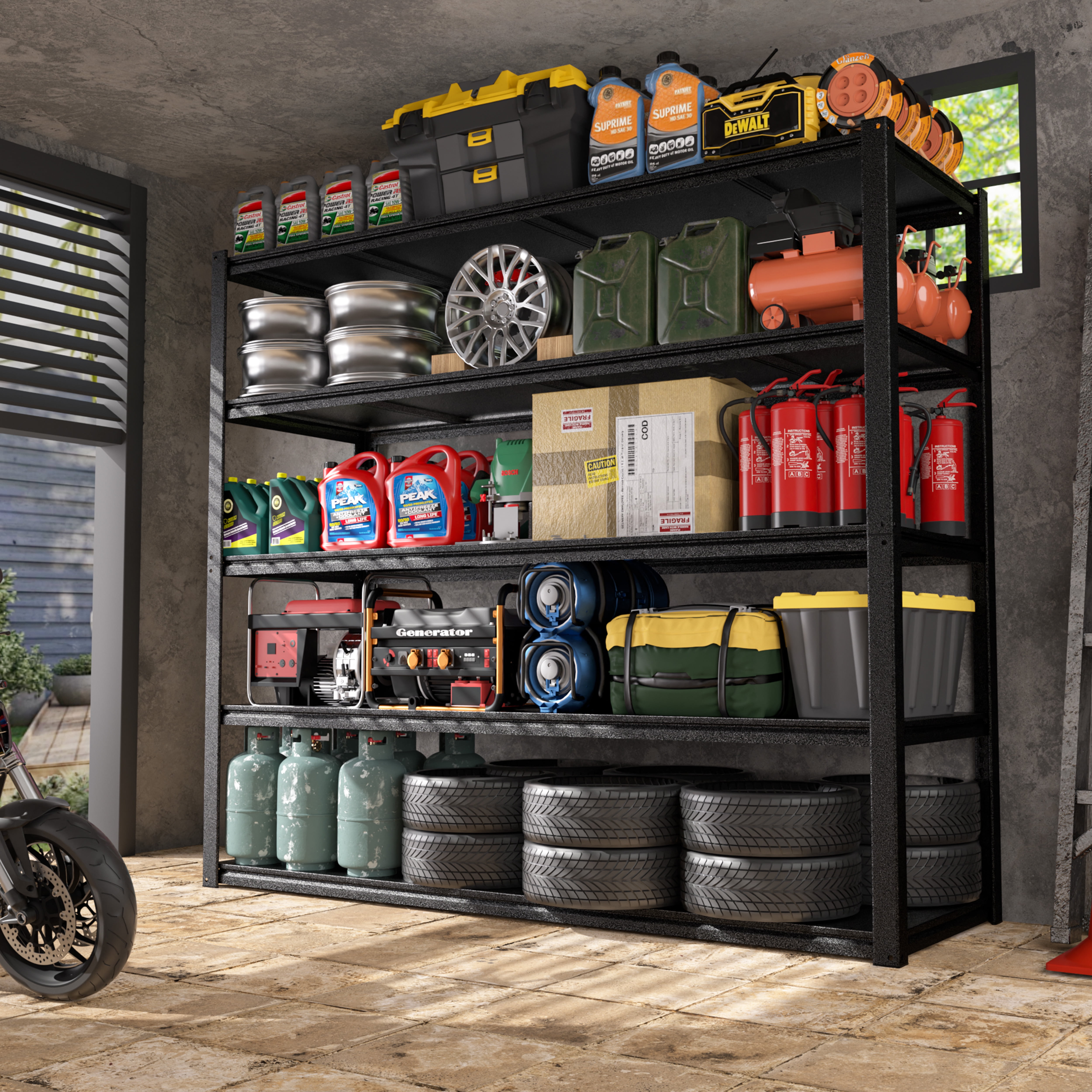
Storing motorcycle tires properly extends their lifespan and maintains safety. Understanding tire storage conditions is key to preserving tire quality during long breaks. Tires can suffer from tire rubber degradation if stored incorrectly. Following the tire positioning tips and protecting them from harsh elements slows the tire aging process. This guide covers the best practices for storing tires, focusing on location, positioning, and protection to ensure your tires stay fresh and safe.
Ideal Storage Location
The right place for motorcycle tires can make a big difference in tire lifespan extension. Choose a cool, dry area away from direct sunlight. UV rays cause UV protection for tires to weaken, speeding up rubber breakdown. Avoid places with high heat, as it accelerates the tire aging process. The ideal storage temperature ranges between 10°C to 25°C (50°F to 77°F).
Keep tires away from chemicals, solvents, or oils, which cause tire rubber degradation. Maintain low humidity to prevent mold growth. Here’s a checklist for an ideal storage location:
- Temperature-controlled environment (10°C to 25°C)
- Dark or shaded area with no sunlight exposure
- Dry space with humidity below 50%
- Away from chemicals, fuels, and solvents
- Clean floor or shelf to avoid dirt contact
| Storage Factor | Recommended Condition | Effect on Tire |
|---|---|---|
| Temperature | 10°C to 25°C (50°F to 77°F) | Prevents premature aging and cracking |
| Humidity | Below 50% | Reduces mold and rubber damage |
| Light Exposure | Minimal to none | Protects against UV damage |
Proper Tire Positioning
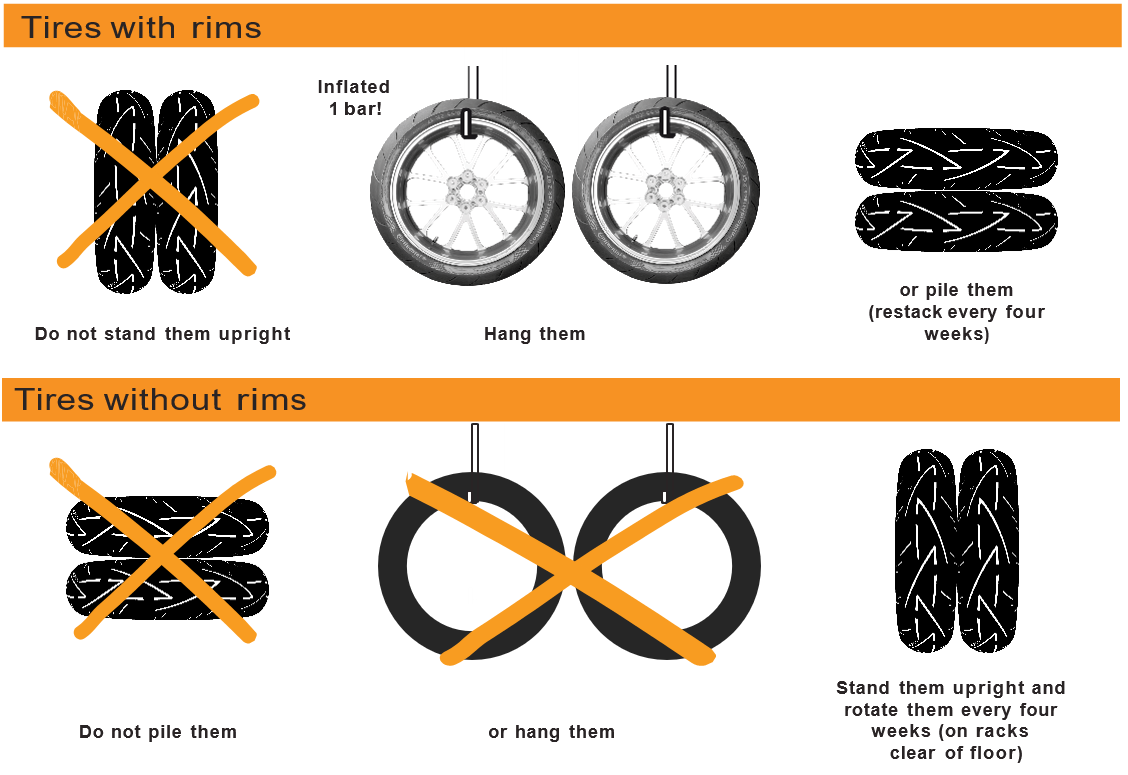
Positioning tires correctly helps avoid damage during storage. For mounted tires, keep them inflated to prevent deformation. Tire inflation during storage is important to maintain shape and balance. If tires are off the rim, store them upright, not flat, to reduce stress on the rubber.
Follow these tire positioning tips:
- Mounted tires: Store on the motorcycle or hang them vertically using a tire rack.
- Unmounted tires: Stand them upright in a single stack or side-by-side.
- Avoid stacking flat tires: This causes flat spots and speeds tire rubber degradation.
Proper positioning slows the tire aging process and keeps the tire shape intact. Check tires periodically for any signs of deformation or cracking during storage.
Protective Measures
Protecting tires from environmental factors is essential for extending the motorcycle tire shelf life. Cover tires with breathable materials like cotton or canvas to block dust and light while allowing air circulation. Avoid plastic wraps that trap moisture, causing mold and faster tire rubber degradation.
Additional steps for tire maintenance in storage include:
- Use tire bags or special tire covers with UV protection
- Apply a thin layer of tire dressing designed for storage to keep rubber supple
- Rotate stored tires every few months to prevent flat spots
- Avoid contact with ozone sources like electric motors or welders
These protective measures slow the tire aging process and preserve tire quality. Proper care during storage ensures your motorcycle tires remain safe and ready for use.
Estimating Storage Duration
Estimating the storage duration of motorcycle tires is key to maintaining their safety and performance. Tires do not last forever, even when not in use. The tire aging process continues quietly, affected by factors like temperature, humidity, and light exposure. Understanding manufacturer tire guidelines, following expert tire advice, and learning from real-world tire durability helps riders estimate how long tires remain safe in storage. Proper storage conditions for tires slow down rubber degradation and extend the motorcycle tire lifespan.
Manufacturer Recommendations
Manufacturers provide clear guidelines for tire shelf life and tire storage duration. Most tire makers suggest a maximum of 5 years from the manufacturing date, regardless of use. This is because the rubber degradation starts immediately after production, even in storage.
Key points from manufacturers include:
- Store tires in a cool, dark place to reduce exposure to heat and UV light.
- Avoid stacking tires to prevent deformation.
- Keep tires away from chemicals like oils or solvents that accelerate rubber aging.
- Check the DOT code on the tire sidewall to find the production date.
Below is a simple table summarizing typical recommendations:
| Storage Time | Condition | Safety Advice |
|---|---|---|
| 0-3 years | Ideal storage conditions | Safe for use with regular checks |
| 3-5 years | Good storage conditions | Inspect carefully before use |
| 5+ years | Any conditions | Replace to avoid risk |
Expert Opinions
Experts agree that tire maintenance tips during storage greatly affect the motorcycle tire lifespan. They stress that even unused tires lose flexibility and grip over time due to rubber degradation. Some experts suggest:
- Limit storage to no more than 4 years.
- Use airtight bags to reduce oxygen exposure.
- Rotate tires periodically to prevent flat spots.
- Keep tires elevated off the ground to avoid moisture damage.
Expert tire advice also highlights the importance of monitoring the tire surface for cracks or hardening, signs of aging. They recommend inspecting tires before every season, regardless of storage length.
Experts warn that poor storage conditions for tires can shorten lifespan drastically. Warm, sunny, or humid environments speed up the tire aging process and cause early failure.
Real-world Examples
Many riders share their experiences with real-world tire durability after long storage periods. Some report tires still in good shape after 3 years stored properly. Others find tires unusable after only 2 years due to poor conditions.
Common lessons from real users include:
- Storing tires in a basement or garage with stable temperature helps.
- Keeping tires away from direct sunlight prevents cracking.
- Using tire covers or bags reduces dust and moisture damage.
- Checking tires for signs of aging before mounting is essential.
One rider noted a tire stored for 4 years in a dry, dark place still performed well. Another rider’s tire stored in a hot shed for 2 years showed severe cracking and had to be replaced. This shows how storage conditions for tires impact the effective tire storage duration more than time alone.

Credit: www.detechtapp.com
Reviving Stored Tires
Storing motorcycle tires for long periods affects their condition. Over time, rubber hardens and loses flexibility due to rubber degradation. Properly reviving stored tires requires careful steps to ensure they are safe for riding again. Tires kept in poor conditions may show signs of damage, even if they look fine. Understanding how to check and test them helps prevent accidents. Following tire safety guidelines and maintenance tips keeps you protected on the road.
Inspection Before Use
Start by performing a thorough tire inspection checklist. Look closely for any visible damage or changes. Tires stored for months or years may develop cracks, dry rot, or flat spots. These issues reduce tire strength and increase risks while riding.
- Check for cracks on the sidewalls and tread area.
- Look for bulges or deformities on the tire surface.
- Examine tread depth and wear patterns carefully.
- Feel the tire surface for hardness or brittleness.
- Inspect the bead area where the tire meets the rim.
Use this table for quick reference:
| Inspection Area | What to Look For | Possible Issue |
|---|---|---|
| Sidewalls | Cracks, cuts, or dry rot | Rubber degradation, weak structure |
| Tread | Uneven wear, flat spots | Tire tread wear, loss of grip |
| Bead | Damage or deformation | Poor seal, air leaks |
Tire storage conditions affect how much damage occurs. Tires stored in cool, dark places last longer. Avoid exposure to sunlight, heat, and moisture. Proper inspection helps catch problems early. Only tires passing this careful check should move to the next step.
Safe Testing Methods
After inspection, perform safe tire testing before riding. This step confirms the tire can handle road stress. Start by mounting the tire on the rim properly. Inflate to the recommended pressure and watch for leaks or pressure loss.
Use these tire maintenance tips for testing:
- Check air pressure regularly for at least 24 hours.
- Spin the tire slowly to find any wobble or imbalance.
- Listen for unusual noises when spinning.
- Test the tire on a stationary motorcycle with low speed.
- Ride carefully at low speed on smooth roads initially.
Safe testing prevents sudden failures caused by hidden damage. Tires stored too long may suffer from tire aging effects that are not obvious. A slow, controlled test ride helps detect these issues early.
Keep a checklist for testing:
- Proper inflation and no leaks
- Even tire rotation
- Good grip and no unusual vibrations
- No visible changes after test ride
When To Replace Tires
Knowing tire replacement signs is critical for safety. Stored tires age even without use. The motorcycle tire shelf life depends on storage quality but usually lasts 3-5 years. Replace tires sooner if any serious issues appear.
Replace tires if you notice:
- Deep cracks or large cuts on sidewalls or tread
- Severe tread wear below legal limits
- Bulges or deformities on the tire surface
- Flat spots that cause vibrations
- Dry rot or hard, brittle rubber
Use this simple guide to decide:
| Condition | Action |
|---|---|
| Minor cracks, good tread, no bulges | Can be used after testing |
| Moderate cracks, some tread wear | Consider replacing soon |
| Severe cracks, bulges, dry rot | Replace immediately |
Regular checks help track tire tread wear and aging. Follow tire safety guidelines to avoid accidents due to poor tire condition. Proper tire maintenance tips extend tire life and improve safety on every ride.
Credit: www.continental-tires.com
Common Answer For How Long Do Motorcycle Tires Last in Storage
How Long Can Motorcycle Tires Last In Storage?
Motorcycle tires can last 3 to 5 years in storage if kept in ideal conditions. Proper storage includes a cool, dry place away from sunlight and chemicals. Storing tires correctly helps maintain their rubber integrity and performance for future use.
What Factors Affect Motorcycle Tire Lifespan In Storage?
Tire lifespan in storage depends on temperature, humidity, and exposure to sunlight. Heat and UV rays accelerate rubber degradation. Properly sealing tires and avoiding direct sunlight extend their usable life. Regular checks for cracks or deformities also help ensure safety.
Can Stored Motorcycle Tires Lose Performance Over Time?
Yes, stored tires can lose performance due to rubber hardening and cracking. Over time, tires become less flexible, affecting grip and safety. Using tires older than 5 years, even if unused, can compromise ride quality and increase accident risk.
How Should I Store Motorcycle Tires To Maximize Lifespan?
Store tires in a cool, dry, and dark place. Avoid direct sunlight and heat sources. Keep tires off concrete floors by using pallets or shelves. Seal tires in airtight bags to reduce oxygen exposure and prevent rubber oxidation.
Conclusion
Motorcycle tires can last several years in storage with proper care. Keep them in a cool, dry place away from sunlight. Check tires often for cracks or flat spots. Use tire covers or bags to protect them from dust. Avoid placing heavy objects on stored tires.
Remember, old tires can become unsafe even if unused. Rotate stored tires if possible to maintain shape. Taking these steps helps your tires stay safe and ready to ride. Storage time matters, but how you store matters more.