How to Winterize Your Motorcycle: Essential Tips for Cold-Weather Care

Winter is coming, and if you love your motorcycle, you want to make sure it stays in great shape until you hit the road again. Winterizing your motorcycle isn’t just about storing it away—it’s about protecting your bike from damage caused by cold, moisture, and time.
If you skip this important step, you could face costly repairs or a frustrating start to the next riding season. You’ll learn simple, effective ways to winterize your motorcycle so it stays ready to roar when the weather warms up.
Keep reading to discover easy tips that will save you time, money, and stress.
Prepare The Motorcycle
Preparing your motorcycle for winter storage is a crucial step in winter motorcycle maintenance. Proper preparation protects your bike from cold weather damage and keeps it ready for the next ride. This process starts with a thorough clean and inspection, followed by checking tires and brakes, and finally topping off essential fluids. These steps help prevent motorcycle rust, maintain battery health, and ensure all systems stay in good condition during the cold months. Taking time to prepare the motorcycle properly reduces repair costs and extends its lifespan.
Clean And Inspect
Start winter motorcycle maintenance by giving your bike a detailed cleaning. Dirt, grime, and road salt left on the surface can cause corrosion and promote rust. Use a gentle motorcycle cleaner and a soft brush to remove debris from all parts, including the frame, wheels, and chain.
- Wash thoroughly: Clean hard-to-reach areas where dirt hides.
- Dry completely: Avoid moisture that causes rust during storage.
- Lubricate the chain: Use chain lube to keep it from drying out.
After cleaning, inspect the motorcycle carefully. Look for any signs of wear or damage that could worsen over winter. Check for loose bolts, cracked cables, or worn brake pads. Early detection helps avoid costly repairs later.
| Area | What to Check | Why It Matters |
|---|---|---|
| Frame and Body | Scratches, dents, rust spots | Prevents corrosion and structural damage |
| Cables and Controls | Fraying, stiffness, looseness | Ensures smooth operation next season |
| Lights and Electrical | Functionality and corrosion | Maintains safety and battery life |
Cleaning and inspecting your bike lays the foundation for safe winter storage and cold weather motorcycle care.
Check Tires And Brakes
Tire pressure in winter often drops, affecting performance and safety. Check your motorcycle’s tires for proper inflation before storage. Use a tire gauge to measure pressure and inflate to the manufacturer’s recommended level. Underinflated tires can develop flat spots during long storage periods.
- Inspect tread depth: Look for uneven wear or bald spots.
- Check for cracks: Cold can cause rubber to harden and crack.
- Consider tire support: Use stands to lift tires off the ground.
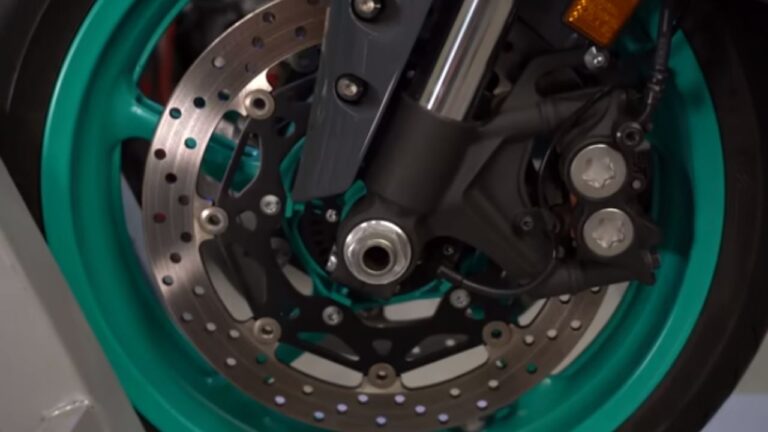
The brake system check is equally important. Brake pads can stick or degrade if left unused in cold conditions. Examine brake pads for wear and look for any leaks or damage in brake lines.
- Test brake lever and pedal for smooth action.
- Inspect brake fluid level and condition.
- Replace or top off brake fluid if needed.
Proper brake maintenance ensures your motorcycle stays safe and ready after storage. These motorcycle storage tips protect key components from cold weather damage.
Top Off Fluids
Fluids play a vital role in cold weather motorcycle care. Start with engine oil change before storage. Fresh oil protects internal parts from corrosion and keeps the engine clean. Old oil can contain acids and contaminants harmful during storage.
- Use high-quality oil: Follow the manufacturer’s grade recommendations.
- Replace oil filter: Ensures clean oil circulation next season.
Fuel stabilizer use is essential to prevent fuel degradation. Add stabilizer to a full gas tank to stop fuel from breaking down and clogging carburetors or injectors.
| Fluid | Winter Preparation Step | Reason |
|---|---|---|
| Engine Oil | Change and replace filter | Protects engine from corrosion |
| Fuel | Add stabilizer and fill tank | Prevents fuel system blockages |
| Brake Fluid | Check and top off | Maintains brake system integrity |
| Coolant | Check level and antifreeze mix | Prevents freezing and corrosion |
Properly topping off fluids reduces the risk of damage during storage. Following these steps supports battery care for motorcycles and extends overall bike life. A good motorcycle cover benefits your bike by protecting it from dust and moisture while parked.
Protect The Engine
Preparing your motorcycle for winter means more than just storing it away. Protecting the engine is crucial to keep it healthy during cold months. Cold Weather Motorcycle Preparation helps avoid damage caused by low temperatures and moisture. Taking proper steps ensures your engine stays clean, lubricated, and ready to run when spring arrives. This section focuses on three key tasks: changing the oil, adding fuel stabilizer, and fogging the engine. These actions support rust prevention motorcycle efforts and improve overall winter motorcycle care.
Change The Oil
Performing an oil change for winter is one of the most important steps in motorcycle maintenance before storage. Old oil contains dirt and acids that can damage the engine over time. Fresh oil protects the engine parts better during cold months and reduces corrosion risks.
Follow these simple steps for an effective oil change:
- Warm up the engine for a few minutes to thin the oil.
- Drain the old oil completely into a container.
- Replace the oil filter with a new one.
- Fill the engine with fresh oil suitable for winter temperatures.
- Check the oil level with the dipstick.
Use oil types recommended for lower temperatures. These oils keep the engine lubricated even in freezing weather. Below is a comparison table of oil viscosity for different temperature ranges:
| Oil Viscosity | Temperature Range | Winter Suitability |
|---|---|---|
| 10W-40 | Above 20°F (-6°C) | Good for mild winter |
| 5W-30 | -20°F to 50°F (-29°C to 10°C) | Best for cold climates |
| 0W-20 | -40°F to 40°F (-40°C to 4°C) | Excellent for extreme cold |
Changing the oil before storage improves battery preservation and prevents engine wear. It is a smart step in overall motorcycle storage tips.
Add Fuel Stabilizer
Fuel stabilizer benefits motorcycle engines by keeping gasoline fresh during long storage periods. Gasoline can break down and form varnish or gum inside the fuel system. This causes problems like clogged fuel lines, poor engine starts, and reduced performance.
Adding fuel stabilizer before storing your bike helps in these ways:
- Prevents fuel oxidation and degradation.
- Protects fuel system components from corrosion.
- Maintains engine performance after winter storage.
Steps to add fuel stabilizer:
- Fill the gas tank almost full to reduce air space.
- Add the correct amount of fuel stabilizer according to the product instructions.
- Run the engine for 5-10 minutes to circulate the treated fuel through the carburetor or injectors.
This process complements rust prevention motorcycle efforts by reducing moisture buildup inside the fuel tank. It also supports tire care for winter by ensuring the engine runs smoothly when you ride again.
Fog The Engine
Engine fogging is a vital step for winter motorcycle care. It protects internal engine parts from rust and corrosion caused by moisture during storage. Fogging oil coats the combustion chamber, cylinders, and valves with a thin protective layer.
How to fog the engine properly:
- Remove the spark plugs to access the cylinders.
- Spray fogging oil or a suitable lubricant into each cylinder through the spark plug hole.
- Manually turn the engine over a few times to spread the oil evenly.
- Reinstall the spark plugs securely.
Engine fogging complements other Motorcycle Maintenance steps, helping maintain engine health during cold months. It prevents corrosion that can cause costly repairs later. Use fogging oil designed specifically for motorcycles to ensure maximum protection.
Incorporating engine fogging into your winter prep routine extends the life of your motorcycle engine. It is a key part of Cold Weather Motorcycle Preparation and supports all other storage tips.
Battery Maintenance
Proper Battery Maintenance is essential for motorcycle winterization. Cold weather can drain your battery quickly, causing starting problems in spring. Taking the right steps protects your battery and saves you time and money. Follow this guide for easy, effective care during the off-season.
Remove And Store Battery
Removing the battery from your motorcycle stops it from draining during winter months. This step is crucial in your Winter Motorcycle Maintenance Checklist. Start by turning off your bike and disconnecting the negative terminal first, then the positive. Keep the battery upright to avoid acid leaks.
Store the battery in a cool, dry place away from freezing temperatures. Avoid areas with extreme heat or moisture. A temperature between 50°F and 70°F is ideal.
- Clean battery terminals with a wire brush to remove corrosion.
- Check electrolyte levels if your battery is not sealed.
- Top off with distilled water if needed, but do not overfill.
- Place the battery on a non-metallic surface to prevent discharge.
| Storage Tip | Reason |
|---|---|
| Cool, dry location | Prevents freezing and moisture damage |
| Upright position | Avoids acid leakage |
| Clean terminals | Ensures good connection in spring |
This method supports Engine Protection In Cold Weather by keeping your battery healthy. It also fits with other Motorcycle Storage Tips like using a proper Motorcycle Cover and stabilizing fuel.
Use A Trickle Charger
Using a trickle charger is one of the best ways to keep your battery charged during winter. It supplies a low, steady current that prevents the battery from dying without overcharging. This tool is a must for Battery Maintenance For Motorcycles.
Key Trickle Charger Benefits include:
- Maintains full battery charge throughout winter
- Extends battery life by avoiding deep discharge
- Safe to use for long periods without damage
- Easy to connect and disconnect
When using a trickle charger, follow these tips:
- Remove the battery for best results or connect charger directly to terminals if safe.
- Use a charger with automatic shut-off to avoid overcharging.
- Check connections regularly to ensure proper charging.
- Keep the charger in a dry place during use.
This step complements other Motorcycle Winter Preparation tasks like Fuel Stabilization For Motorcycles and Tire Care During Winter. It helps your bike start easily when riding season begins again.

Credit: www.extraspace.com
Prevent Corrosion
Winter motorcycle storage requires careful steps to prevent damage. One major issue during cold months is corrosion. Moisture and cold air cause rust on metal parts. This can harm the engine, frame, and other components. Preventing corrosion protects your bike’s value and performance. Proper motorcycle maintenance before winter helps avoid costly repairs. Focus on corrosion prevention by protecting exposed metal and lubricating moving parts. These actions ensure your bike stays in good shape for cold weather riding next season.
Lubricate Moving Parts
Lubricating moving parts is key for rust prevention and engine protection. Cold weather and moisture dry out lubricants. This causes parts to wear faster and corrode. Use quality lubricants on these parts before storing your motorcycle:
- Chain
- Throttle cables
- Brake and clutch levers
- Pivot points on foot pegs and stands
Apply lubricant evenly and wipe off excess to avoid attracting dirt. Lubrication reduces friction and blocks moisture, helping prevent rust. It also keeps cables flexible for smooth operation in spring.
Use a spray or liquid lubricant designed for motorcycles. WD-40 or silicone sprays are good choices for lighter parts. For the chain, a dedicated chain lube offers the best protection. Regular lubrication helps during cold weather riding and winter motorcycle storage.
| Part | Recommended Lubricant | Frequency Before Storage |
|---|---|---|
| Chain | Chain lube (wet or dry) | After cleaning, before storage |
| Throttle Cables | Light oil or silicone spray | Once, before storage |
| Brake/Clutch Levers | Multipurpose lubricant | Once, before storage |
Remember, proper lubrication supports battery care by reducing strain on electrical components. It also complements fuel stabilization, ensuring smooth engine starts after winter.
Cover Exposed Metal
Exposed metal parts are most vulnerable to rust during winter motorcycle storage. Moisture collects on surfaces and causes corrosion quickly. Covering metal parts helps block air and water contact. Use these motorcycle cover tips to protect your bike:
- Choose a breathable motorcycle cover to avoid trapping moisture.
- Apply a rust-preventive spray or corrosion inhibitor on metal parts.
- Focus on handlebars, frame, exhaust pipes, and wheel rims.
- Store the bike in a dry, sheltered area if possible.
Corrosion prevention sprays form a thin protective layer on metal. This layer repels water and salt, common causes of rust. Avoid plastic covers that trap condensation and worsen corrosion.
Check tire pressure before storage. Proper inflation reduces stress on rims and prevents cracking. Tire pressure check is a simple step that supports overall engine protection and maintenance.
Good cover use paired with lubrication extends your motorcycle’s lifespan. It reduces the need for repairs and keeps your bike ready for cold weather riding after winter storage.
Storage Tips
Proper storage is a key part of Preparing Motorcycle For Winter. This step protects the bike from cold, moisture, and damage. Using the right Motorcycle Storage Tips helps maintain the bike’s condition. It also saves money by preventing costly repairs. Winter can cause rust and battery problems. Careful storage reduces these risks. Focus on three main areas: choosing the right location, using a motorcycle cover, and elevating the bike. Each helps with Cold Weather Motorcycle Protection and Prevent Rust On Motorcycle. Follow these tips for good Winter Motorcycle Maintenance.
Choose The Right Location
Pick a storage spot that is dry and safe. Avoid places with high moisture or water leaks. Moisture speeds up rust and battery drain. A garage or shed works best. If those are not options, a covered porch or basement can help.
- Avoid direct sunlight: UV rays can damage paint and plastics.
- Keep away from damp floors: Cold concrete floors can cause tire and frame issues.
- Check temperature fluctuations: Big swings in temperature cause condensation.
Use a small dehumidifier or moisture absorber if needed. This helps control humidity inside the storage area.
| Storage Location | Pros | Cons |
|---|---|---|
| Garage | Dry, protected from elements, secure | May have temperature swings |
| Shed | Keeps out rain and snow | Possible moisture issues, less secure |
| Basement | Stable temperature, dry | Limited space, accessibility |
| Porch or Covered Area | Easy access | Less protection from moisture and cold |
Choose the best location based on your options. Proper placement boosts Motorcycle Battery Care and Motorcycle Tire Maintenance Winter.
Use A Motorcycle Cover
A good cover is a must for Cold Weather Motorcycle Protection. It stops dust, dirt, and moisture from reaching the bike. Select a cover made for motorcycles. These covers allow air flow to prevent mold and rust.
- Water-resistant fabric: Keeps rain and snow off the bike.
- UV protection: Guards paint and plastic parts from sun damage.
- Soft inner lining: Prevents scratches on the bike’s finish.
- Secure fit: Stops wind from blowing the cover off.
Motorcycle Winter Cover Benefits go beyond basic protection. A cover also helps maintain the right moisture level around the bike. This reduces the need for frequent Fuel Stabilizer Use checks and keeps parts in good condition.
Keep the bike clean and dry before covering. Use a soft cloth to wipe off dust and moisture. Check the cover regularly for tears or loose spots.
Elevate The Bike
Elevating Motorcycle For Storage is a smart move. Raising the bike off the ground protects tires and frame from cold, damp surfaces. It helps prevent flat spots on tires during long storage periods.
Use a center stand, paddock stand, or blocks to lift the bike. Ensure the lift is stable and secure. Avoid using unstable or uneven objects that could tip the bike over.
- Prevents tire deformation: Tires keep their shape without pressure on one spot.
- Protects against moisture: Keeps tires and lower frame from sitting in water or dampness.
- Makes cleaning easier: You can check and clean underneath the bike.
Elevating also helps with Motorcycle Battery Care. It makes it easier to disconnect the battery and connect a tender or charger. Combine elevation with the right storage location and cover. This creates ideal conditions for Winter Motorcycle Maintenance.

Credit: www.youtube.com
Spring Startup Checklist
After months of winter storage, your motorcycle needs a careful check before hitting the road. The Spring Startup Checklist helps ensure safety and performance. Following this guide reduces risks linked to cold weather riding. It also protects your bike from damage caused by long storage periods. Proper preparation means a smooth, enjoyable ride as the weather warms up. This checklist covers key areas like inspection, fluid levels, and electrical system checks.
Inspect Before Riding
Start with a thorough inspection of your motorcycle. Cold weather and storage can cause parts to weaken or corrode. Look for any visible damage or wear that happened during winter motorcycle storage. Check the tires carefully. Tire pressure check is vital since cold air reduces pressure, affecting handling and safety.
- Examine tires for cracks, flat spots, or low tread.
- Check brake pads and discs for wear or rust.
- Look over chains and sprockets for rust or stiffness.
- Inspect cables and controls for smooth operation.
- Verify that all lights and signals are clean and intact.
Document any issues found. Use a simple table to track parts and needed repairs:
| Part | Condition | Action Needed |
|---|---|---|
| Tires | Low pressure, small cracks | Inflate, replace if cracks worsen |
| Brakes | Light rust on discs | Clean and test thoroughly |
| Chain | Dry, slight corrosion | Clean and lubricate |
A careful inspection prevents problems on your first ride. It also supports engine protection and overall motorcycle maintenance.
Check Fluid Levels
Fluids are crucial for engine protection and smooth operation. Cold weather can affect fluid performance. Start by checking the oil. Look for dark color or dirt, signs it needs changing. Next, check antifreeze levels to prevent engine freeze damage. Low antifreeze can cause costly repairs.
Fuel stabilization during winter means fuel quality may degrade. Drain old fuel or add fresh fuel mixed with stabilizer. Inspect brake fluid and clutch fluid levels. Old fluid can absorb moisture, reducing brake performance.
- Oil: Check level and color; change if dirty.
- Antifreeze: Ensure proper levels and mix ratio.
- Fuel: Replace old fuel; add stabilizer if needed.
- Brake and clutch fluids: Top off or replace to avoid moisture damage.
- Transmission fluid: Verify correct level and condition.
Maintaining proper fluid levels supports cold weather riding tips and keeps your motorcycle ready for the season. Use a simple code snippet like this to log fluid checks:
Oil: Level - Full, Color - Clean Antifreeze: Level - 50%, Mix - 50/50 Fuel: New with stabilizer added Brake Fluid: Level - Full, Clarity - Clear Test Electrical Systems
Electrical system inspection is vital after winter storage. Batteries lose charge over time and can corrode at terminals. Start with battery care by checking voltage and cleaning terminals. Use a multimeter for accurate readings. Charge the battery fully if low.
Check all lights, horn, and indicators. Corrosion prevention on connectors ensures reliable signals and safety. Test the starter motor and ignition system for smooth operation. Faulty electrical parts can cause breakdowns or unsafe riding conditions.
- Measure battery voltage; recharge if under 12.6 volts.
- Clean battery terminals and apply anti-corrosion grease.
- Test headlights, brake lights, turn signals, and horn.
- Inspect wiring for cracks or wear.
- Verify starter and ignition function.
Regular electrical system checks improve motorcycle maintenance and prevent unexpected failures. Keep tools ready for minor fixes and battery care tasks. This keeps your bike safe and reliable for spring rides.

Credit: blog.chopperexchange.com
Common Answer For how to winterize your motorcycle
How Do I Prepare My Motorcycle For Winter Storage?
Drain the fuel or add a stabilizer to prevent degradation. Clean the bike thoroughly and change the oil. Remove the battery or use a trickle charger. Inflate tires to the correct pressure and cover the motorcycle with a breathable cover to avoid moisture buildup.
Should I Remove The Motorcycle Battery During Winter?
Yes, removing the battery prevents discharge and damage. Store it in a cool, dry place. Use a trickle charger or battery maintainer to keep it charged. This ensures the battery remains healthy and ready for use when spring arrives.
What Fuel Care Is Needed Before Winterizing?
Add a fuel stabilizer to a full tank to prevent fuel breakdown. Run the engine for a few minutes to circulate the stabilizer. This avoids gum and varnish buildup in the fuel system during storage.
How Can I Protect Tires During Winter Storage?
Inflate tires to the recommended pressure to prevent flat spots. If possible, elevate the motorcycle to take weight off the tires. Check tires for cracks or damage before storage. Proper care ensures safe riding after winter.
Conclusion
Preparing your motorcycle for winter protects it from damage. Clean and dry your bike before storing it away. Use fuel stabilizer and change the oil to avoid problems. Keep the battery charged and tires properly inflated. Cover your motorcycle with a breathable tarp to prevent moisture.
Check on your bike occasionally during winter months. These steps help your motorcycle stay in good shape. Ready for a smooth ride when spring arrives. Simple care saves time and money later. Winterizing your motorcycle is smart and easy.