Can You Put a Tube in a Tubeless Motorcycle Tire? Expert Guide 2026

Have you ever faced a flat tire on your tubeless motorcycle and wondered if you could just slip a tube inside to get back on the road? It’s a common question that many riders ask, especially when they’re stuck far from help.
You might think it’s a quick fix, but there’s more to it than meets the eye. Understanding whether you can put a tube in a tubeless tire can save you time, money, and frustration. Keep reading to find out the truth and learn how to handle this situation the smart way.
Tubeless Tires Basics
Understanding tubeless tires basics is key to answering the question: can you put a tube in a tubeless motorcycle tire? Tubeless tires differ from traditional tires with inner tubes. They rely on a sealed system that keeps air inside without a tube. Knowing how these tires work and their benefits helps decide on tire tube compatibility and proper motorcycle tire maintenance. This section explains the fundamentals of tubeless tires and their advantages for riders.
How Tubeless Tires Work
Tubeless tires do not use an inner tube to hold air. Instead, the tire and rim form an airtight seal. The rim has a special design to lock the tire bead, preventing air leaks. The tire’s inner surface is coated with a layer that stops air from escaping. This design allows the tire to maintain pressure without a tube.
- Tire bead sealing: The tire bead fits tightly against the rim.
- Rim design: It holds the tire bead in place securely.
- Air retention: The tire’s inner lining keeps the air sealed.
- Valve stem: Tubeless tires use a valve stem attached directly to the rim.
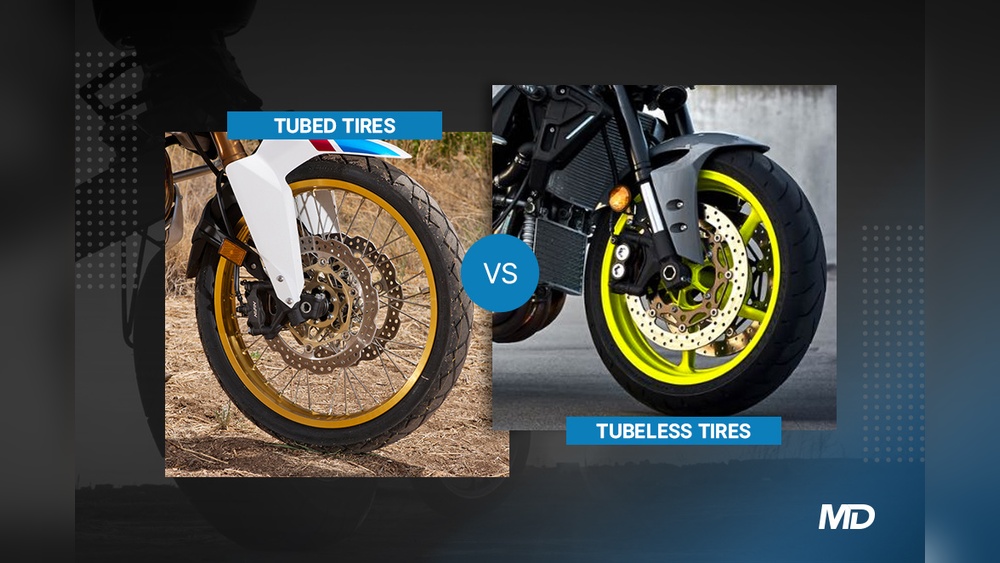
For tire tube compatibility, putting a tube inside a tubeless tire is possible but not ideal. The tubeless tire is not designed for the tube’s extra space. This can cause problems like uneven pressure and increased risk of punctures. Also, motorcycle tire tube installation requires care to avoid pinching the tube, which leads to leaks. Proper tubeless tire sealing is lost when a tube is added.
| Feature | Tubeless Tire | Tube Tire |
|---|---|---|
| Air retention | Sealed between tire and rim | Inside the tube |
| Puncture repair | Can be sealed with plugs or sealants | Tube must be patched or replaced |
| Weight | Lighter without tube | Heavier due to tube |
Advantages Of Tubeless Tires
Tubeless tires offer several benefits over tube tires. The tubeless motorcycle tire allows better tire pressure monitoring since there is no tube to hide leaks. Air escapes slowly, giving more time to react to punctures. This improves tubeless tire safety on the road.
- Reduced risk of sudden deflation: Slow air loss means safer rides.
- Lighter weight: Without a tube, the tire weighs less, improving performance.
- Easy puncture repair tubeless tire: Small holes can be fixed without removing the tire.
- Better heat dissipation: Tubeless tires stay cooler under stress.
- Improved fuel efficiency: Less weight and rolling resistance save fuel.
While inner tube benefits like simple repair exist, tubeless tires require less frequent maintenance. The risk of pinch flats is lower, and the system handles rough roads better. In short, tubeless tires combine convenience with safety. Choosing between tubeless vs tube tires depends on rider needs, but tubeless tires often lead to smoother rides and fewer issues.
Reasons To Use A Tube In Tubeless Tires
Many riders ask, Can You Put a Tube in a Tubeless Motorcycle Tire? The answer is yes, and there are specific Reasons to Use a Tube in Tubeless Tires. Tubeless motorcycle tires are designed to hold air without an inner tube. Still, sometimes adding a tube becomes necessary. This happens during emergencies or when permanent repairs are difficult. Understanding when and why to insert a tube helps with proper Motorcycle Tire Maintenance and safe riding. Below, we explore both Temporary Fixes and Permanent Solutions for using tubes in tubeless tires.
Temporary Fixes
Using a tube as a Temporary Fix is common in Motorcycle Tire Puncture Fix situations. When a tubeless tire has a puncture that cannot hold air, adding a tube keeps you going until a full repair is possible.
- Quick Repair: Insert a tube inside the tubeless tire to restore air pressure fast.
- Emergency Use: Ideal for roadside fixes where tools or parts are limited.
- Simple Installation: Many riders can perform
Motorcycle Tire Tube Installationthemselves with basic tools.
This method works well when the puncture is small or the tire bead is damaged. It prevents the tire from deflating rapidly. Here is a quick comparison of tire sealing methods used for temporary fixes:
| Method | Pros | Cons |
|---|---|---|
| Sealant Injection | Easy, fast, no tube needed | Not always effective on large holes |
| Tube Insertion | Reliable air retention, simple tools | May affect tire balance and performance |
| Patching Tubeless Tire | Preserves tubeless design | Needs skill and proper materials |
Note: Using a tube temporarily changes the tire’s design and may affect handling. This fix is not ideal for long distances but helps avoid being stranded.
Permanent Solutions
For a Permanent Solution, installing a tube inside a tubeless tire becomes part of a full repair or Tubeless Tire Conversion. This approach works when the original tubeless tire is damaged beyond simple patches.
Reasons for Permanent Tube Installation:
- Irreparable Rim or Tire Bead: Tubeless tires need a perfect seal with the rim. Damage here requires tubes.
- Cost-Effective Repair: Tubes are cheaper than replacing tires or rims.
- Tube Compatibility With Tubeless Tires: Most tubeless tires can accept tubes, but checking size and fit is crucial.
Proper Motorcycle Tire Tube Installation demands careful work. Steps include removing the tire, inserting the tube, and inflating slowly. This process ensures the tube fits well without pinching or twisting.
Benefits of Permanent Tube Use:
- Reliable seal on damaged tires or rims
- Allows continued use of existing tires
- Improves safety by preventing sudden air loss
Below is a summary of key points comparing tubeless vs tube tires for permanent repairs:
| Feature | Tubeless Tires | Tube Tires |
|---|---|---|
| Air Retention | Better for small punctures | Good with tube installed properly |
| Repair Ease | Requires sealant or patch | Tube replacement or patching needed |
| Weight | Lighter | Heavier due to tube |
| Cost | More expensive tires | Cheaper tubes and repairs |
Choosing to insert a tube permanently depends on the tire condition and rider needs. Understanding Tubeless Motorcycle Tire Repair options helps maintain safety and performance.
Steps To Install A Tube In A Tubeless Tire
Installing a tube in a tubeless motorcycle tire is a practical solution for puncture repair tubeless tire problems or when the tire bead seating is compromised. This process can save money and time during motorcycle tire maintenance. Understanding the motorcycle tire removal process, inserting inner tube in tubeless tire, and proper tube compatibility with tubeless tires is key for a successful repair. The steps below explain how to safely and effectively install a tube in a tubeless tire, ensuring a solid fit and reliable performance.
Removing The Tire
The motorcycle tire removal process is the first critical step in tube installation. Begin by deflating the tire completely. Use a valve core remover to release all air. This step prevents accidents and makes the tire easier to handle.
Next, break the tire bead from the rim. Use a bead breaker tool or a suitable lever. Work carefully around the tire circumference to loosen the bead without damaging the rim.
Once the bead is loose, use tire irons to pry the tire off the rim. Start on one side, then work your way around. Keep these points in mind:
- Protect the rim with rim protectors to avoid scratches.
- Work slowly to prevent tire or tube damage.
- Keep tools clean and free from dirt.
Remove the tire completely and inspect the rim and tire for sharp objects or debris. This step is crucial to avoid puncture repair tubeless tire issues after tube installation.
Inserting The Tube
Inserting inner tube in tubeless tire requires attention to tube size and condition. Choose a tube that matches the tire’s size and type. Using the correct tube ensures tube compatibility with tubeless tires and prevents leaks.
Before inserting, lightly inflate the tube to give it shape. This helps avoid twists or pinching inside the tire.
Follow these steps for proper tube insertion:
- Place the tube inside the tire carefully, starting with the valve stem through the rim hole.
- Ensure the valve stem is straight and seated securely.
- Work the tube evenly inside the tire, avoiding folds or twists.
- Check that the tube sits flat against the tire’s inner surface.
Proper motorcycle tire tube installation reduces the risk of tube damage and improves tire performance. Keep the tube away from sharp edges and check for any signs of damage before proceeding.
Seating The Tire Back
Seating the tire bead back onto the rim is essential for safe riding. This step involves tire bead seating and tire inflation techniques to secure the tire and tube assembly.
Use tire irons to carefully push the tire bead over the rim edge. Avoid pinching the tube during this process.
Once the tire is seated, inflate it slowly. Monitor the tire bead seating to ensure the tire sits evenly around the rim. Uneven seating can cause leaks or poor handling.
| Step | Action | Tip |
|---|---|---|
| 1 | Inflate tire slowly | Use a low-pressure pump to avoid tube damage |
| 2 | Check bead seating | Look for uniform gap between tire and rim |
| 3 | Inflate to recommended pressure | Follow motorcycle manufacturer specifications |
After inflation, inspect for air leaks and ensure the valve stem is tight. This final step completes the motorcycle tire tube installation and prepares the tire for safe use. Remember, correct tube installation in tubeless tires can extend tire life and improve safety.

Credit: www.youtube.com
Potential Risks And Drawbacks
Using a tube inside a tubeless motorcycle tire may seem like a quick fix. Still, it brings several potential risks and drawbacks. These issues affect both the tire’s performance and rider safety. Understanding these risks is important before attempting any tubeless motorcycle tire tube installation. This section covers the main concerns about how tubes impact tubeless tires and what that means for your ride.
Impact On Tire Performance
Adding a tube inside a tubeless tire changes the way the tire behaves on the road. Tubeless tires are designed to hold air without a tube, offering benefits in motorcycle tire maintenance and tire pressure stability. When a tube is added, these advantages can diminish.
- Reduced Air Retention Efficiency: Tubeless tires rely on a tight seal between the tire bead and rim. Tubes create an extra layer that can cause slow air leaks.
- Increased Heat Build-up: Tubes can trap heat, raising the overall temperature inside the tire. This can wear out the tire faster.
- Altered Tire Flexibility: Tubes limit the natural flex of tubeless tires, affecting grip and comfort.
The table below compares tubeless vs tube tires in terms of performance:
| Aspect | Tubeless Tire | Tire with Tube |
|---|---|---|
| Air Retention | High – tight seal prevents leaks | Moderate – tube may leak slowly |
| Heat Dissipation | Better – less heat buildup | Lower – tube traps heat |
| Weight | Lighter | Heavier due to tube |
| Flexibility | Optimal for road grip | Reduced flexibility |
Overall, the impact of tubes on tubeless tires reduces the benefits of tubeless technology. This can lead to more frequent tire pressure checks and faster tire wear. Riders must consider these points when thinking about tubeless tire conversion.
Safety Concerns
Safety is a key factor in any decision about tire puncture repair methods or modifications. Using tubes inside tubeless tires raises several safety issues.
- Risk of Sudden Deflation: Tubes can burst or get pinched between the tire and rim, causing rapid air loss.
- Improper Seating: Tubes may prevent the tire bead from seating correctly on the rim, increasing the chance of tire failure.
- Reduced Handling Stability: The altered tire structure can affect balance and traction, especially during sharp turns or emergency stops.
Here are some critical points about the safety of tubes in tubeless tires:
- Emergency Repairs: Tubes make puncture repairs more complex and less reliable.
- Air Pressure Monitoring: Tubes may cause unpredictable pressure loss, requiring more frequent checks.
- Compatibility Issues: Not all rims and tires are designed for tubes, which can lead to dangerous mismatches.
For safe riding, understanding the effects on motorcycle tire air retention and the overall risk factors is vital. Using tubes in tubeless tires should be a last resort, not a regular practice. Proper motorcycle tire maintenance and choosing the right tire type help ensure safety and performance.
Alternatives To Using A Tube
Can you put a tube in a tubeless motorcycle tire? While it is possible, it is not always the best choice. Tubeless tires have many benefits, such as better air retention and fewer punctures. Instead of installing inner tubes, riders can explore other options for maintaining or repairing tubeless tires. These alternatives often offer easier and more reliable solutions. Understanding Tubeless Tire Advantages helps riders decide on the best approach for tire care and emergency tire repair options. Below, we discuss two effective alternatives to using a tube in tubeless motorcycle tires.
Tire Sealants
Tire sealants offer a quick and efficient way to fix small punctures in tubeless motorcycle tires. These liquid solutions fill holes and create an airtight seal inside the tire. Using sealants can save time and avoid the need for immediate tire removal or tube installation.
The benefits of tire sealants include:
- Easy application without removing the tire from the rim.
- Cost-effective compared to professional repairs or tube installation.
- Long-lasting protection against slow leaks and minor punctures.
- Maintains the original design and advantages of tubeless tires.
Not all sealants perform equally. Some sealants dry quickly and clog valves, while others stay fluid and flexible. Here is a simple table to compare common types of tire sealants:
| Sealant Type | Best For | Durability | Effectiveness |
|---|---|---|---|
| Latex-based | Small punctures | 3-6 months | Good |
| Fiber-filled | Larger holes | 6-12 months | Very Good |
| Water-based | Eco-friendly use | 3-5 months | Moderate |
For tubeless motorcycle tire repair, using the right sealant increases success. Tire sealant effectiveness depends on the puncture size and sealant quality. Regular motorcycle tire maintenance includes checking and refilling sealant to keep tires protected.
Professional Repairs
Sometimes, professional tire repair services provide the best solution for tubeless motorcycle tires. Experts use special tools and materials to fix punctures safely and permanently. Professional repairs maintain the tire’s original strength and performance without adding tubes.
Benefits of professional tire repair services include:
- Accurate diagnosis of tire damage and the best repair method.
- Use of plugs, patches, or vulcanizing techniques designed for tubeless tires.
- Preservation of tubeless tire advantages like better air retention and safety.
- Long-lasting results compared to temporary fixes.
Professional repairs are especially useful for:
- Large punctures that cannot be sealed with sealant.
- Sidewall damage or complex tire issues.
- Ensuring safe motorcycle tire tube installation if a tube is necessary.
Many riders debate tubeless vs tube tires, but professional repair services help keep tubeless tires in good condition. For tire puncture solutions, professionals may recommend tube installation only when other options fail. Motorcycle tire maintenance includes regular inspections to avoid emergency tire repair options.
Credit: www.pamsteele.org
When To Consult A Professional
Knowing when to consult a professional for a tubeless tire puncture fix is key for motorcycle tire safety. Sometimes, the problem is simple, and you can handle it yourself. Other times, the damage or situation requires expert care. Understanding the limits of tube in tubeless tire compatibility helps avoid risks. Professionals also know the best tire sealing methods and have tools for motorcycle tire maintenance.
Signs You Should See A Professional
- Large or deep punctures: These may need special repair or tire replacement.
- Sidewall damage: Sidewall cuts or cracks can be dangerous and hard to fix at home.
- Repeated air loss: If the tire keeps losing air, the issue might be more than a simple puncture.
- Valve problems: Issues with different tire valve types need expert attention.
- Difficulty installing a tube: Incorrect motorcycle tire tube installation can cause accidents.
Benefits Of Professional Tubeless Motorcycle Tire Repair
| Benefit | Explanation |
|---|---|
| Proper Diagnosis | Experts identify hidden problems beyond visible punctures. |
| Safe Repair | Ensures the tire is safe for riding after fixing. |
| Correct Tools | Access to specialized tools for tubeless motorcycle tire repair. |
| Warranty Protection | Professional service may keep your tire warranty valid. |
Understanding Tube In Tubeless Tire Compatibility
Not all tubeless tires can accept tubes easily. Some have unique shapes or tire valve types. Forcing a tube may cause leaks or tire damage. Professionals know which tubes fit best and how to install them safely. This knowledge prevents problems and extends tire life.
When Diy Repairs May Not Be Enough
- Severe tire cuts or tears.
- Unusual tire wear patterns.
- Difficulty sealing the tire after a puncture.
- Uncertainty about tubeless vs tube tires for your motorcycle.
- Any sign of tire bead damage or improper seating.
Trusting professionals for these issues improves motorcycle tire safety. It ensures your bike performs well on every ride.

Credit: ciclosportporciatti.biz
Frequently Asked Questions
Can You Use A Tube In A Tubeless Motorcycle Tire?
Yes, you can fit a tube in a tubeless tire if the tire or rim is damaged. Tubes provide a quick fix but may affect tire performance and sealing.
Will A Tube Affect Tubeless Tire Performance?
Using a tube in a tubeless tire can reduce ride quality and increase heat buildup. It may also complicate puncture repairs and tire balancing.
When Should You Put A Tube In A Tubeless Tire?
Install a tube if the tubeless tire has sidewall damage or the rim is bent. Tubes are a temporary solution for safe riding until full repair.
Does Putting A Tube In A Tubeless Tire Cause Leaks?
If properly installed, tubes prevent leaks inside tubeless tires. However, incorrect fitting can cause air leaks and compromise tire safety.
Conclusion
Putting a tube in a tubeless motorcycle tire can work in some cases. It helps you keep riding if the tubeless tire gets damaged. But it is not the best long-term fix. Tubeless tires and tubes have different designs and work best separately.
Always check your tire and rim type before adding a tube. Safety matters most when riding. Use the right parts to avoid problems on the road. Regular tire care keeps you safe and saves money. Choose what fits your bike and ride with confidence.