Are Motorcycle Gloves Supposed to Be Tight? Find the Perfect Fit!

When you put on motorcycle gloves, you might wonder: should they fit like a second skin, or leave a little wiggle room? Getting the right fit is more than just comfort—it can affect your safety and control on the road.
If your gloves are too loose, you might lose grip or feel distracted. If they’re too tight, your hands could cramp or go numb during a ride. So, how tight should motorcycle gloves really be? Keep reading to discover the perfect balance that keeps you safe, comfortable, and confident every time you hit the road.
Credit: ride509.com
Purpose Of Motorcycle Gloves
Motorcycle gloves serve an important role beyond just style. They protect hands from injuries and improve riding experience. Understanding the purpose of motorcycle gloves helps riders choose the right fit and type. Glove tightness affects safety and comfort during rides. Motorcycle glove fit must balance snugness for control and enough room for comfort. Proper glove sizing tips ensure gloves are neither too tight nor too loose. The right gloves offer protection, comfort, and control, making every ride safer and more enjoyable.
Protection Benefits
Impact protection gloves and abrasion resistance gloves are key to biker hand safety. Motorcycle gloves shield hands from road rash, cuts, and bruises during falls. Gloves with reinforced knuckles, padded palms, and strong materials reduce injury risk.
- Impact Protection: Gloves absorb shock from falls or collisions.
- Abrasion Resistance: Strong fabrics prevent skin damage on slides.
- Weather Shielding: Gloves protect against wind, rain, and cold.
- UV Protection: Some gloves block harmful sun rays.
Choosing the right gloves means checking for certified protection features. Materials like leather and Kevlar offer durability and high abrasion resistance. Gloves also cover vulnerable areas such as knuckles and wrists. This reduces the chance of fractures or scrapes.
| Protection Feature | Benefit |
|---|---|
| Reinforced Knuckles | Protects bones from impact |
| Padded Palms | Absorbs vibration and shock |
| Abrasion Resistant Fabric | Prevents skin tears on slides |
| Waterproof Layer | Keeps hands dry in rain |
Comfort And Control
Riding gloves comfort is essential for long rides. Gloves must fit well to avoid hand fatigue and maintain motorcycle grip control. Too tight gloves restrict movement and blood flow. Too loose gloves reduce control and cause slipping.
Breathable motorcycle gloves allow air flow, preventing sweaty hands. This keeps fingers dry and comfortable.
- Glove tightness: Should be snug but not tight enough to cause discomfort.
- Glove sizing tips: Measure hand circumference and length for best fit.
- Flexible materials: Leather or mesh provide comfort and movement.
- Adjustable closures: Velcro straps or buckles ensure secure fit.
Good gloves improve hand response on brakes and throttle. They help keep a firm grip without extra effort. This reduces hand strain and improves safety.
| Comfort Feature | Benefit |
|---|---|
| Breathable Mesh | Keeps hands cool and dry |
| Adjustable Wrist Straps | Ensures proper glove fit |
| Flexible Palm Inserts | Enhances grip and comfort |
| Soft Inner Lining | Prevents skin irritation |
Ideal Fit Characteristics
Finding the right fit for motorcycle gloves is crucial for both safety and comfort. The ideal fit characteristics ensure that gloves provide protection without causing discomfort or restricting movement. Proper motorcycle glove fit enhances riding comfort and hand dexterity, making every ride safer and more enjoyable. Understanding these characteristics helps riders select gloves that balance snugness and flexibility, essential for effective control and protection.
Snugness Without Restriction
Glove snugness is key to safety and comfort. Motorcycle gloves should fit closely to your hands but never feel tight or restrictive. A glove that is too loose may slip, reducing protection and control. On the other hand, gloves that are too tight can cut off circulation and cause discomfort during long rides.
Tips for achieving proper glove snugness:
- Choose gloves that wrap around your hand without excess space.
- Feel for even pressure across the hand without pinching or squeezing.
- Try gloves on with your riding posture to check natural fit.
- Test different brands, as sizing can vary.
Here is a quick comparison of glove fit qualities:
| Fit Type | Effect on Safety and Comfort |
|---|---|
| Too Loose | Reduced grip, increased risk of slipping, poor protection |
| Too Tight | Circulation problems, discomfort, limited movement |
| Ideal Snugness | Secure fit, good control, comfortable for long rides |
Glove snugness directly influences how well protective gear fits your hand. A good fit means the gloves support hand movements and keep your skin safe from abrasions or impacts.
Finger Mobility
Finger flexibility is vital for riding comfort and safety. Motorcycle riding gloves must allow easy finger movement for operating controls like brakes and clutch. Gloves that restrict finger motion reduce hand dexterity and can delay reaction times.
Key points about finger mobility:
- Fingers should move freely without feeling squeezed.
- Look for gloves with pre-curved fingers that match natural hand shape.
- Check the seams and materials for stretch and flexibility.
- Extra padding or armor should not block finger movement.
Good finger flexibility helps riders maintain a strong grip and feel the controls clearly. This improves safety and confidence on the road.
Glove sizing tips for finger mobility:
- Measure finger length and width before purchasing.
- Try gloves on and move fingers as if riding.
- Choose gloves with flexible materials or stretch panels.
- Avoid gloves that feel tight at finger joints.
Wrist Closure Importance
The wrist strap adjustment is critical for a secure and comfortable fit. A proper wrist closure keeps the gloves in place, preventing them from sliding off during riding or in case of an accident. It also helps seal out wind, rain, and debris.
Benefits of good wrist closure:
- Enhances glove snugness without restricting wrist movement.
- Improves protection by keeping gloves securely on.
- Prevents cold air or water from entering gloves.
- Allows quick adjustment for personalized fit.
Wrist closures come in various forms such as Velcro straps, buckles, or elastic cuffs. Choose one that offers firm hold but easy release. The adjustment should not be too tight to limit wrist mobility or too loose to cause slipping.
Proper wrist closure contributes to the overall protective gear fit and riding comfort. It ensures that gloves perform well in all conditions and keep your hands safe on every ride.
Consequences Of Tight Gloves
Motorcycle gloves are essential for safety and comfort while riding. However, the question arises: Are motorcycle gloves supposed to be tight? The right glove fit balances protection and comfort. Gloves that are too tight can cause several problems, known as glove tightness effects. Understanding the consequences of tight gloves helps riders choose proper glove sizing and improve glove comfort riding. Tight gloves impact blood flow, hand movement, and overall riding experience. Below are key issues caused by tight motorcycle gloves.
Reduced Blood Circulation
Tight motorcycle gloves restrict blood flow to the hands. This reduction in circulation causes discomfort and long-term harm. Poor blood circulation gloves lead to numbness and cold fingers during rides. When gloves apply too much pressure, they squeeze blood vessels, limiting oxygen supply.
- Numbness: Loss of feeling in fingers and palm.
- Cold hands: Blood flow slows, causing coldness.
- Tingling sensations: Pins and needles feeling in fingers.
Reduced circulation can worsen over time. Continuous pressure from tight gloves affects nerves and muscles. This limits hand function and comfort. Below is a simple table showing symptoms related to blood flow issues from tight gloves:
| Symptom | Cause | Effect on Riding |
|---|---|---|
| Numbness | Restricted blood flow | Loss of grip strength |
| Cold fingers | Poor circulation | Discomfort and distraction |
| Tingling | Pressure on nerves | Reduced hand control |
Good motorcycle glove fit improves circulation and keeps hands warm. Choosing gloves with the right size avoids these risks and enhances the motorcycle glove benefits.
Decreased Dexterity
Hand dexterity motorcycle is vital for safe riding. Tight gloves limit finger movement and hand flexibility. This reduces the ability to operate controls smoothly. Riding glove pressure from tight gloves restricts joint motion and slows finger response.
When gloves are too tight, riders experience:
- Difficulty in gripping handlebars firmly.
- Slower reaction times to brake or clutch.
- Less precise control over throttle and switches.
These problems increase the risk of accidents and reduce confidence. Gloves must provide protection without sacrificing freedom of movement. Glove comfort riding depends on proper fit, allowing hands to move naturally.
Here are tips to maintain good hand dexterity with gloves:
- Choose gloves with flexible materials at joints.
- Ensure no tight spots that limit finger bending.
- Test gloves by simulating riding hand movements.
Proper motorcycle glove fit balances protection with dexterity. Avoiding tight gloves helps riders maintain control and safety.
Increased Fatigue
Wearing tight gloves leads to hand fatigue gloves quickly. Constant pressure from gloves tires muscles in the hands and wrists. This causes discomfort and reduces riding endurance. Fatigue impacts rider focus and reaction.
Glove tightness effects increase the effort needed to hold handlebars and operate controls. Tired hands may cramp or ache, making rides unpleasant and unsafe. Fatigue also raises the chance of making mistakes on the road.
Signs of increased hand fatigue include:
- Muscle soreness after short rides.
- Stiffness in fingers and wrist.
- Reduced grip strength over time.
Properly sized gloves improve comfort and reduce fatigue. Choosing gloves designed for long rides with padded palms and breathable fabrics helps. Using the right size also avoids unnecessary riding glove pressure that tires hands.
Maintaining good hand condition is part of motorcycle gear safety. Comfortable gloves improve endurance and control. Avoid tight gloves to enjoy longer, safer rides.

Credit: www.arloren.com
Consequences Of Loose Gloves
Motorcycle gloves play a key role in safety and comfort during rides. Many riders wonder about the right fit for their gloves. Are motorcycle gloves supposed to be tight? The fit impacts grip, control, and protection. Loose gloves cause several problems that affect riding performance and safety. Understanding the consequences of loose gloves helps riders pick the correct size and avoid risks.
Reduced Grip
Loose gloves reduce your ability to hold the handlebars firmly. A good motorcycle glove fit ensures your fingers respond quickly and precisely. When gloves are loose:
- Your fingers may slide inside the glove, lowering control.
- The glove material cannot provide strong contact with the grips.
- Grip and control gloves lose their effectiveness due to excess movement.
Riding with loose gloves means you must grip harder to compensate. This leads to quicker hand fatigue motorcycle gloves are designed to prevent. The extra effort tires your hands faster, reducing ride time comfort.
| Glove Fit | Grip Quality | Rider Control |
|---|---|---|
| Too Loose | Low | Poor |
| Proper Fit | High | Excellent |
| Too Tight | Good | Good, but may cause discomfort |
Refer to a glove sizing guide to find the right fit. Choose gloves with good glove material flexibility for comfort and strong grip.
Risk Of Slippage
Loose gloves increase the chance of your hand slipping off controls. This risk is dangerous and can lead to accidents. When gloves do not fit snugly:
- They move around your hand during quick maneuvers.
- Throttle and brake control becomes less precise.
- Sudden hand shifts may cause delayed reactions.
Slippage is a serious issue. Protective motorcycle gloves are designed to prevent this by fitting well and using materials that grip handlebars tightly. Loose gloves fail to do this effectively.
Riders should check their riding glove comfort and fit regularly. Gloves with adjustable straps or closures help maintain a secure fit and reduce slippage. Here are key points:
- Snug gloves prevent hand movement inside the glove.
- Proper fit enhances control over motorcycle safety gear.
- Glove tightness impact affects overall ride safety.
Lowered Protection
Loose gloves cannot protect your hands properly during a crash or fall. Hand protection gloves are made with padding and reinforced areas that work best when gloves fit well. If gloves are loose:
- Protective armor may shift away from key areas like knuckles and palms.
- Impact forces do not distribute evenly, increasing injury risk.
- Glove material may bunch up, causing discomfort and reduced defense.
Proper motorcycle glove fit ensures that protective layers stay in place. This maximizes safety and reduces the chance of cuts, bruises, or fractures. Always consider glove sizing guide recommendations to balance comfort and protection.
Wearing gloves with the right fit also helps maintain durability. Loose gloves wear out faster because of excess movement and friction. Choosing gloves with good glove material flexibility and secure fit supports both protection and comfort.
Material Influence On Fit
Choosing the right motorcycle gloves means understanding how different materials affect fit and comfort. Riding glove materials play a big role in motorcycle glove fit. Some materials stretch, others stay firm, and some add padding that changes how tight gloves feel. Knowing these details helps with glove sizing guide decisions and improves glove comfort. This section explains how leather, textiles, and padding influence the fit of your gloves.
Leather Stretching
Leather is a popular choice for hand protection gear due to its durability and abrasion resistance. One key feature is leather glove stretching. Leather usually feels snug at first but loosens after a few rides.
- Initial tightness: Leather gloves often fit tight initially to allow for future stretching.
- Break-in period: Expect 5 to 10 hours of riding before leather molds to your hand shape.
- Fit change: Leather gloves may become 5-10% larger after stretching.
Here is a quick overview:
| Aspect | Leather Glove Effect |
|---|---|
| Glove Sizing Guide | Choose a snug fit initially |
| Glove Comfort | Improves with use as leather stretches |
| Glove Durability | High, leather wears well over time |
Leather’s natural flexibility means it adapts to your hand, giving better control and comfort over time. Avoid gloves that feel loose at the start; they won’t tighten later. Leather gloves offer great impact protection once they fit well.
Textile Flexibility
Textile glove flexibility affects glove breathability and fit. Textiles such as nylon, polyester, and mesh provide different stretch levels. These materials usually feel less tight because they offer more give.
- Elastic panels: Some textile gloves have stretch zones for better movement.
- Breathability: Textile gloves often allow more air, improving comfort in hot weather.
- Fit characteristics: Textile gloves tend to fit closer to true size without much stretching.
Textile gloves suit riders who want a flexible fit right away. They maintain hand protection gear standards but may have less abrasion resistance than leather.
| Feature | Textile Glove Effect |
|---|---|
| Glove Sizing Guide | Choose your exact size for best fit |
| Glove Comfort | High due to fabric stretch and breathability |
| Glove Durability | Moderate, varies with textile type |
Textile gloves provide good impact protection with added comfort. Their flexibility suits various hand shapes and sizes, making them popular for casual riders.
Impact Of Padding
Padding affects motorcycle glove fit by adding volume inside gloves. It improves impact protection but can make gloves feel tighter. Different padding types and placement matter.
- Foam padding: Soft, adds thickness without much stiffness.
- Hard armor: Rigid plastic or carbon fiber pieces for knuckles and fingers.
- Gel inserts: Cushion impacts, may compress over time.
Padding affects fit in these ways:
- Gloves with heavy padding often fit tighter initially.
- Padding may reduce finger movement if gloves are too small.
- Proper sizing considers padding thickness to maintain glove comfort.
| Padding Type | Fit Influence | Protection Level |
|---|---|---|
| Foam | Moderate tightness | Basic impact absorption |
| Hard Armor | Increased tightness, less flexibility | High impact protection |
| Gel Inserts | Comfortable, slight bulk | Good shock absorption |
Choosing gloves with padding requires balancing protection and fit. Use the glove sizing guide to find gloves that allow room for padding without sacrificing comfort. Well-padded gloves improve safety but must not restrict movement or feel too tight.
Tips For Choosing The Right Size
Choosing the right size for motorcycle gloves is essential for comfort and safety. The fit affects your grip, control, and protection on the road. Motorcycle Glove Flexibility plays a big role in how gloves feel during rides. Gloves that are too tight can reduce blood flow and cause discomfort. Gloves that are too loose may slip and reduce control. This guide offers simple tips to find the perfect fit using a Glove Sizing Guide and understanding your needs.
Measuring Hand Size
Accurate Hand Measurement For Gloves is the first step to find Comfortable Motorcycle Gloves. Use a soft measuring tape to get your hand size correctly. Follow these steps:
- Measure around the widest part of your palm, just below the knuckles (exclude the thumb).
- Note the measurement in inches or centimeters.
- Measure the length from the tip of your middle finger to the base of your palm.
- Compare these numbers with the Glove Sizing Guide provided by the manufacturer.
This simple process helps identify your correct glove size. Use the chart below as a general reference:
| Hand Circumference (inches) | Glove Size |
|---|---|
| 6.5 – 7.0 | Small (S) |
| 7.0 – 7.5 | Medium (M) |
| 7.5 – 8.0 | Large (L) |
| 8.0 – 8.5 | Extra Large (XL) |
Remember, different brands may have slight size variations. Always check the specific brand’s sizing chart for the best fit.
Trying Different Brands
Motorcycle Glove Brands Comparison is important because each brand uses different materials and cuts. Glove Materials And Fit affect the feel and flexibility during rides. Trying on gloves from various brands helps find the best fit for your hand shape and riding style.
Consider these points when testing gloves:
- Put on gloves and check finger length. Fingers should not feel cramped or too loose.
- Make a fist to test Motorcycle Glove Flexibility. Gloves should stretch with your hand movement without binding.
- Check the wrist closure. It should be snug but not tight enough to cut circulation.
- Feel the glove thickness. Thicker gloves offer better protection but might reduce finger dexterity.
Visit stores to try gloves or order from sites with good return policies. This lets you compare sizes and styles easily.
Use the table below to track your experience with different brands:
| Brand | Size Tried | Fit (Tight, Perfect, Loose) | Comfort Level (1-5) | Notes |
|---|---|---|---|---|
| Brand A | Medium | Perfect | 4 | Good flexibility, slight tightness at fingers |
| Brand B | Large | Loose | 3 | More room, less control |
| Brand C | Medium | Tight | 2 | Restricts movement, causes discomfort |
Considering Glove Purpose
Choosing gloves depends on their intended use. Gloves For Riding Safety vary by riding type and conditions. Different gloves offer unique benefits based on protection and comfort needs.
Think about these uses:
- Commuting: Look for lightweight, breathable gloves that offer basic protection.
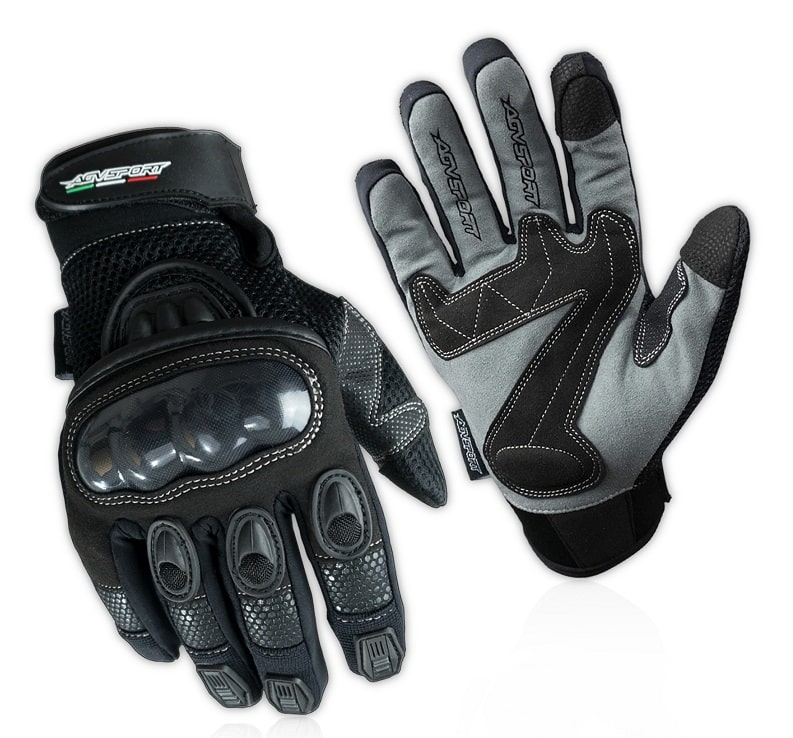
- Sport Riding: Choose gloves with strong knuckle protection and enhanced grip.
- Touring: Opt for gloves with added comfort and weather resistance.
- Off-Road: Pick gloves with extra padding and durable materials for rough terrain.
The Impact Of Tight Gloves On Riding is significant. Gloves that are too tight reduce blood flow and cause numbness. This affects control and increases risk. Choose gloves that fit snugly but allow finger movement.
Use the following checklist to match gloves to purpose:
- Check the material: leather, textile, or mesh for breathability.
- Assess protection: padding, armor, and reinforcement in key areas.
- Test flexibility: gloves should allow easy hand movements.
- Consider weather: waterproof or insulated options for specific climates.
Finding the right balance between protection, comfort, and fit ensures better safety and enjoyment on the road.
Credit: agvsport.com
Frequently Asked Questions
Are Motorcycle Gloves Meant To Fit Tightly?
Motorcycle gloves should fit snugly but not painfully tight. A close fit ensures better control and protection. Gloves that are too loose reduce grip and safety. Properly fitted gloves enhance comfort and prevent hand fatigue during rides.
Can Tight Gloves Restrict Hand Movement?
Yes, overly tight gloves can restrict hand movement. This limits your ability to operate controls smoothly. Gloves should allow full finger movement without discomfort. Proper fit balances snugness with flexibility for safe riding.
How Do I Know If Gloves Are Too Tight?
If gloves cause numbness, tingling, or pain, they are too tight. Check if blood circulation feels restricted or fingers turn pale. Gloves should feel snug but not cut off circulation. Comfort is key to safe and enjoyable riding.
Should Gloves Stretch Over Time For Better Fit?
High-quality motorcycle gloves may stretch slightly with use. However, they should fit well from the start. Don’t rely on gloves becoming looser; buy the right size. A good fit from day one ensures safety and comfort.
Conclusion
Motorcycle gloves should fit snug but not too tight. They protect your hands and keep comfort during rides. Gloves that are too tight can hurt your blood flow. Too loose gloves might slip and reduce control. Choose gloves that fit well and feel good on your skin.
Remember, good gloves help you ride safer and enjoy the road more. Take your time to find the right size for the best experience. Safety and comfort go hand in hand with proper gloves.