Are Motorcycle Gloves Necessary: Essential Safety Gear Explained 2026

Are motorcycle gloves really necessary for every ride? You might think they’re just an extra accessory, but what if they could protect your hands from serious injury or make your ride more comfortable?
Whether you’re a beginner or a seasoned rider, understanding the true importance of gloves can change the way you gear up. Keep reading to discover why wearing gloves isn’t just about style—it could be the key to staying safe and confident on the road.
Safety Benefits
Wearing motorcycle gloves offers clear safety benefits that protect riders during every trip. Gloves act as a crucial barrier between your hands and hazards on the road. They reduce injury risks by shielding skin, bones, and joints from damage. Beyond injury protection, gloves improve comfort and control in different weather conditions. These safety advantages make gloves an essential part of riding gear for all motorcyclists.
Protection Against Injuries
Motorcycle gloves provide vital protection against various injuries. During a fall or crash, hands often hit the ground first. Gloves help prevent:
- Road rash: Scrapes and cuts caused by sliding on rough surfaces.
- Abrasions: Damage to skin and tissue from friction.
- Fractures: Gloves with reinforced knuckles and palms reduce bone breaks.
- Cuts and punctures: Durable materials block sharp objects.
Gloves cover vulnerable areas such as knuckles, fingers, and palms. Many gloves include extra padding or armor to absorb impacts. Riders without gloves risk severe injuries that can cause long recovery times or permanent damage.
| Injury Type | How Gloves Help |
|---|---|
| Road Rash | Prevent skin scraping with abrasion-resistant materials |
| Fractures | Reduce bone impact with reinforced padding |
| Cuts | Block sharp objects with tough outer layers |
Wearing gloves reduces injury severity and increases rider safety significantly.
Impact Absorption
Gloves designed for motorcycling include features that absorb impact energy. This absorption lowers the force transferred to your hands during collisions or falls.
Key impact absorption features include:
- Foam padding: Soft layers cushion blows to fingers and palms.
- Hard armor: Plastic or carbon fiber protect knuckles from strong impacts.
- Double layers: Extra material adds protection in critical areas.
- Shock-absorbing gel: Some gloves use gel inserts for better energy dispersion.
These elements work together to:
- Reduce pain from sudden hits
- Prevent fractures and bruises
- Protect joints and tendons from stress
Choosing gloves with certified impact protection improves safety during unexpected crashes. This protection allows riders to maintain better control and avoid further injuries.
Weather Resistance
Gloves also protect hands from harsh weather conditions, which affect grip and comfort. Cold, rain, wind, and heat can reduce reaction time and control.
Weather-resistant gloves offer:
- Waterproofing: Keep hands dry in rain using waterproof membranes.
- Insulation: Retain warmth in cold temperatures to prevent numbness.
- Breathability: Allow sweat to escape, keeping hands cool and dry in heat.
- Windproofing: Block cold wind to maintain finger sensitivity.
Wearing proper gloves ensures hands stay functional and comfortable regardless of weather. Dry, warm hands improve grip and brake control, lowering accident risks.
| Weather Condition | Glove Feature | Benefit |
|---|---|---|
| Rain | Waterproof Membrane | Keeps hands dry and maintains grip |
| Cold | Thermal Insulation | Prevents numbness and stiffness |
| Heat | Breathable Fabric | Reduces sweat and discomfort |
| Wind | Windproof Layer | Protects fingers from cold air |
Effective weather resistance in gloves increases rider safety by enhancing hand performance and reducing distractions.

Credit: www.youtube.com
Comfort And Grip
Motorcycle gloves play a vital role in rider comfort and safety. Beyond protection, they enhance comfort and grip, which are essential for a smooth ride. Good gloves improve control over the bike and reduce hand strain during long trips. They also help manage temperature and moisture, making rides more pleasant. Wearing the right gloves can make a significant difference in how a rider feels and performs on the road.
Enhanced Control
Grip improvement is one of the main reasons riders wear gloves. Gloves with special materials on the palms and fingers help maintain a firm hold on the handlebars. This is crucial in wet or slippery conditions where bare hands might slip. Many motorcycle glove materials are designed to increase friction without sacrificing comfort.
Key features that enhance control include:
- Textured palm surfaces for better traction
- Flexible knuckle and finger areas to allow natural movement
- Adjustable wrist straps for a snug fit
| Feature | Benefit |
|---|---|
| Silicone grips | Improves hold on throttle and brake |
| Reinforced fingertips | Better control during gear shifts |
| Elastic panels | Allows precise finger movements |
Enhanced control reduces the risk of accidents. It also increases rider confidence, especially in challenging weather or road conditions. Riding gloves benefits include safer handling and a more responsive feel on the bike.
Reducing Hand Fatigue
Long rides often cause motorcycle hand fatigue. Gloves designed for motorcycle hand fatigue prevention use padding and support to reduce stress on muscles and joints. Vibration dampening gloves absorb some of the bike’s vibrations, lessening the impact on hands and wrists.
Important features to reduce fatigue:
- Impact resistance gloves have padding on the palm and knuckles to protect from shocks.
- Ergonomic design supports natural hand posture.
- Lightweight materials reduce glove weight without losing protection.
Benefits of fatigue reduction:
- Longer riding comfort
- Less numbness and pain
- Improved focus on the road
Using rider comfort accessories like padded gloves helps maintain strength and control. This is crucial for safe, enjoyable rides, especially during extended trips or rough terrain.
Breathability Features
Proper ventilation is key to rider comfort accessories. Gloves that trap heat or sweat cause discomfort and distraction. Weather-resistant gloves with breathable panels keep hands dry and cool. This improves grip and reduces irritation.
Common breathability features include:
- Mesh fabric on the back of the hand
- Perforated leather or synthetic materials
- Moisture-wicking liners
Motorcycle safety gear that balances protection and airflow offers the best experience. Breathable gloves prevent sweat buildup, which can cause slipping or skin problems. They also adapt to different climates, providing comfort in both warm and cool weather.
Choosing gloves with good airflow enhances long-term hand health and overall riding pleasure. Hand protection motorcycle gear should always consider breathability alongside impact resistance and grip.
Types Of Motorcycle Gloves
Motorcycle gloves are a key part of motorcycle safety gear. They protect your hands from injuries, weather, and fatigue. Choosing the right gloves improves motorcycle riding comfort and safety. There are several types of gloves, each with unique features for different riding needs. Understanding these types helps you pick gloves that provide motorcycle hand protection and fit your style.
Leather Gloves
Leather gloves are a popular choice for riders who want strong abrasion resistance gloves. Leather offers excellent durability and protection against road rash during falls. These gloves provide good impact protection with built-in padding or armor on knuckles and fingers. Riders often choose leather gloves for their classic look and reliable safety.
Key features of leather gloves:
- High abrasion resistance and durability
- Good impact protection with reinforced areas
- Comfort improves over time as leather molds to your hand
- Suitable for various weather conditions but may lack breathability
Leather gloves can vary in thickness, affecting flexibility and comfort. For example, thicker leather offers more protection but less movement. Many riders combine leather with Kevlar or other materials for added strength. These gloves are a solid option for those focusing on safety and style.
Textile Gloves
Textile gloves use synthetic fabrics instead of leather. They often include materials like nylon, polyester, and mesh. Textile gloves excel in breathability and are lighter than leather. This makes them ideal for hot weather and long rides. Many textile gloves come as waterproof riding gloves with membranes to keep hands dry.
Benefits of textile gloves include:
- Better ventilation and airflow for cool hands
- Waterproof options to protect against rain
- Flexible and lighter for less hand fatigue
- Good impact protection with added armor or padding
Some textile gloves include reflective strips for better visibility. They are a great choice for riders needing comfort in warm or wet conditions. Textile gloves are part of protective motorcycle apparel that balances safety and comfort.
Gauntlet Gloves
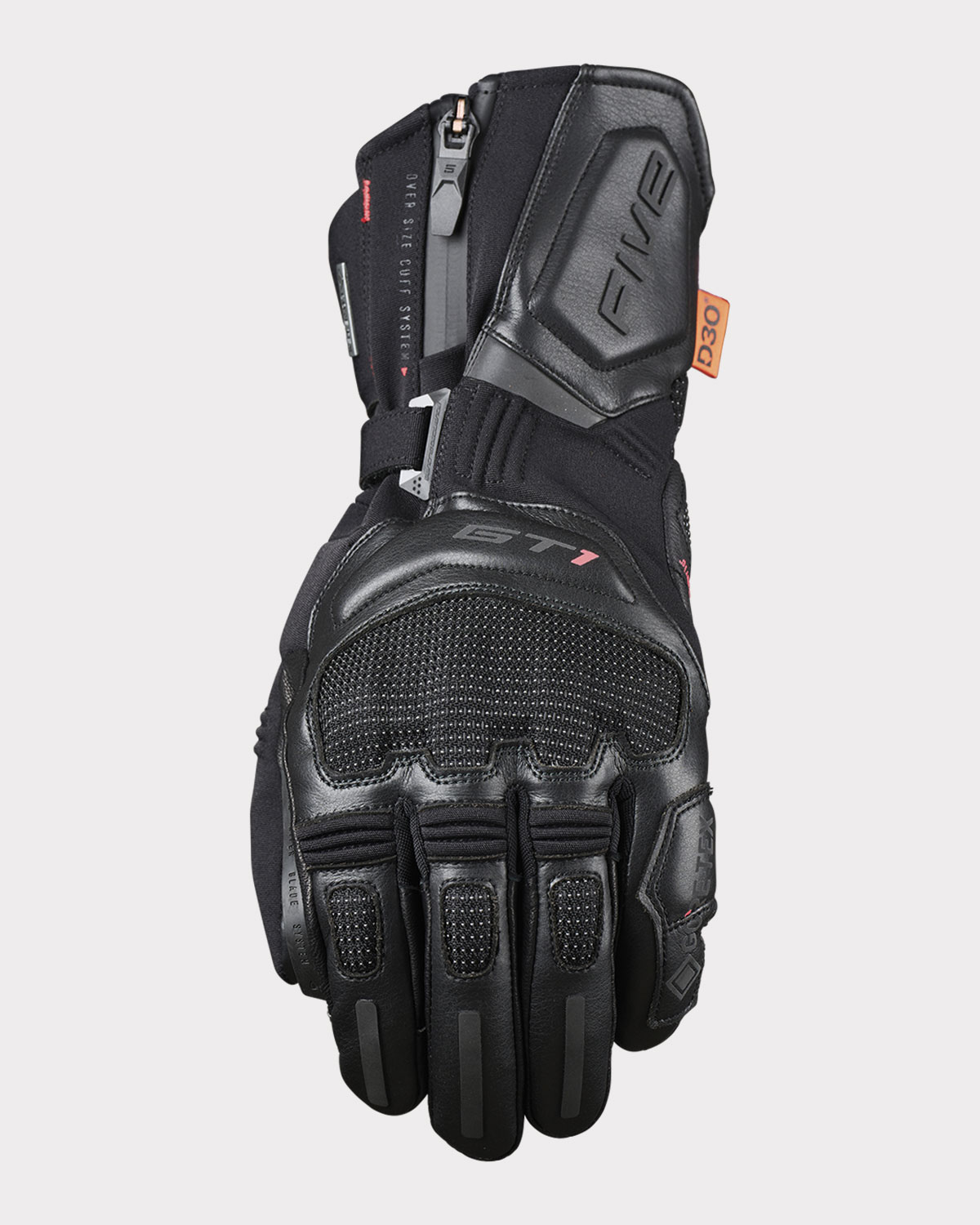
Gauntlet gloves extend past the wrist to cover part of the forearm. This extra coverage offers more protection from wind, rain, and debris. Many gauntlet gloves are designed with long cuffs and adjustable straps to seal out the elements. They often come with strong materials for abrasion resistance gloves.
Advantages of gauntlet gloves include:
- Extended protection for wrist and lower arm
- Better weather resistance, especially in cold or wet riding
- Secure fit with straps to prevent gloves from slipping
- Enhanced motorcycle hand protection in crashes
Gauntlet gloves are popular among touring and adventure riders. They improve motorcycle riding comfort by keeping cold air and rain out. Many models combine leather and textile materials, creating a balance of protection and breathability. For riders facing tough weather, gauntlet gloves add an important layer of safety.
Credit: five-gloves.com
Legal Requirements
Motorcycle gloves protect your hands and improve your grip on the handlebars. They also play a role in safety laws across many places. Knowing the legal requirements about gloves helps riders avoid fines and stay safe. Laws vary by region, so it is important to understand the rules where you ride. This section explains the basic legal rules about motorcycle gloves and helmets.
Laws By Region
Different countries and states have different laws for motorcycle gear. Some places require gloves by law. Others only suggest wearing them for safety. Here are some examples:
- Europe: Many European countries do not legally require gloves, but riders must wear gloves during cold weather or if gloves are part of the motorcycle gear.
- United States: Most states do not have specific laws about gloves. Some states require gloves if the rider is under 18 years old.
- Asia: Some countries like India require gloves as part of safety gear, especially for commercial riders.
- Australia: Gloves are often recommended but rarely mandatory.
Here is a quick overview table:
| Region | Glove Requirement | Notes |
|---|---|---|
| Europe | Usually No | Some countries recommend gloves during cold weather |
| United States | Rarely | Some states require for riders under 18 |
| Asia | Yes (in some countries) | Especially for commercial riders |
| Australia | No | Gloves are recommended |
Check local laws before riding. This keeps you legal and safe on the road.
Helmet And Glove Regulations
Helmet laws are stricter than glove laws worldwide. Most places require helmets by law for all riders. Gloves often have fewer rules but are part of recommended gear.
Common helmet and glove regulations include:
- Helmet must meet safety standards. This means helmets have a safety certification.
- Gloves should cover the entire hand. Some laws specify that gloves must protect fingers and palms.
- Gloves made from durable materials. Leather or reinforced fabrics are often suggested or required.
- Use of gloves during specific conditions. Some regions require gloves in rain or cold weather.
Example regulations in some areas:
- California, USA: Helmet required for all riders; gloves are not legally required but recommended.
- United Kingdom: Helmet mandatory; gloves not legally required but strongly advised.
- Japan: Helmets and gloves required for motorcycle license tests and recommended while riding.
Wearing gloves improves control and protects the skin. Even if the law does not require gloves, wearing them adds safety. Riders should choose gloves that fit well and provide good protection.
Choosing The Right Gloves
Choosing the right motorcycle gloves is crucial for safety and comfort on the road. Gloves protect your hands from injury, cold, and fatigue. Selecting gloves that fit well and suit your riding style adds to your overall experience. Understanding key factors like sizing, materials, and extra features helps you pick the best pair. This guide covers essential points to consider for optimal motorcycle hand protection and riding comfort gloves.
Sizing And Fit
Proper glove sizing is the first step in finding effective protective motorcycle gear. Gloves that fit too tight reduce circulation and cause discomfort. Gloves too loose can slip or reduce control. Use a Glove Sizing Guide to measure your hand around the knuckles, excluding the thumb. Compare your measurement to the sizing chart provided by the manufacturer.
- Measure your dominant hand for best accuracy.
- Consider finger length and palm width for a custom feel.
- Try gloves on with any liners you plan to wear.
Check for these fit qualities:
- Snug fit without tight pressure.
- Fingers reach glove tips without extra space.
- Wrist closure secures gloves firmly.
| Size | Hand Circumference (inches) | Hand Circumference (cm) |
|---|---|---|
| Small | 7 – 8 | 18 – 20 |
| Medium | 8 – 9 | 20 – 23 |
| Large | 9 – 10 | 23 – 25 |
| XL | 10 – 11 | 25 – 28 |
Good sizing improves control and enhances the motorcycle glove benefits like impact protection and weather resistance.
Material Considerations
Choosing between Leather Vs Textile Gloves depends on your riding needs and environment. Leather gloves offer excellent abrasion resistance and durability. They provide strong protection in crashes and usually last longer. Textile gloves often feature synthetic materials like nylon or polyester. They tend to be lighter and better ventilated.
Here is a quick comparison:
| Material | Pros | Cons |
|---|---|---|
| Leather | Durable, abrasion-resistant, classic look | Less breathable, may need break-in period |
| Textile | Lightweight, breathable, often waterproof | Less abrasion resistance, shorter lifespan |
Consider weatherproof motorcycle gloves if you ride in rain or cold. Textile gloves often include water-resistant membranes. Leather gloves can be treated to repel water. Both materials can feature impact-resistant gloves with armor on knuckles and palms.
Choose gloves that balance protection and comfort for your riding style and climate.
Additional Features
Extra features can enhance the usefulness of motorcycle safety equipment. Look for gloves with these qualities:
- Glove Ventilation Features such as mesh panels or perforations improve airflow. This keeps hands cool and dry during warm rides.
- Touchscreen Compatibility allows use of phones or GPS without removing gloves.
- Adjustable wrist straps ensure a secure fit and prevent gloves from slipping.
- Reinforced palms and fingers add durability and extra impact protection.
- Reflective elements improve visibility in low light conditions.
- Insulation layers provide warmth in cold weather riding.
These features improve safety and comfort. Select gloves that fit your riding habits and needs. Prioritize motorcycle glove benefits like protection, comfort, and convenience.
Common Myths
Motorcycle gloves are often debated among riders, especially about their necessity. Many myths surround hand protection while riding. These myths can lead riders to underestimate the importance of protective motorcycle gloves. Understanding common myths helps riders make smarter choices about their motorcycle gear essentials. Let’s clear up some false ideas that affect safety and comfort.
Gloves Aren’t Necessary For Short Rides
One common myth is that short motorcycle rides do not require gloves. Some riders believe accidents happen only on long trips or fast roads. This is not true. Even short rides can lead to falls or collisions.
Reasons to wear gloves on short rides:
- Protection from road rash during a fall
- Better grip on the handlebars
- Shielding hands from weather elements like wind or cold
- Preventing blisters or discomfort from vibration
Riding without gloves reduces riding comfort and gloves play a big role in this. Gloves improve your control over the bike, especially in unexpected situations. Many riders feel safer and more confident with gloves, no matter the ride length.
| Myth | Reality |
|---|---|
| Only long rides need gloves | Short rides also risk injury and discomfort |
| Gloves are only for cold weather | Gloves protect hands from abrasion and improve grip |
All Gloves Offer Equal Protection
Another myth claims all gloves provide the same protection. This is false. Types of motorcycle gloves and glove materials for riders vary greatly. Some gloves are made for style, others for safety.
Key differences in gloves:
- Material: Leather, textile, or mesh affect durability and protection.
- Paddings and armor: Some gloves have reinforced knuckles and palms.
- Fit and comfort: Well-fitting gloves reduce hand fatigue and improve control.
- Weather suitability: Gloves designed for cold or warm weather improve riding comfort.
Using the wrong gloves can reduce motorcycle accident prevention chances. Protective motorcycle gloves with proper padding and strong materials reduce injuries. Choosing gloves without these features risks serious harm in a crash.
| Glove Feature | Protection Level | Riding Benefit |
|---|---|---|
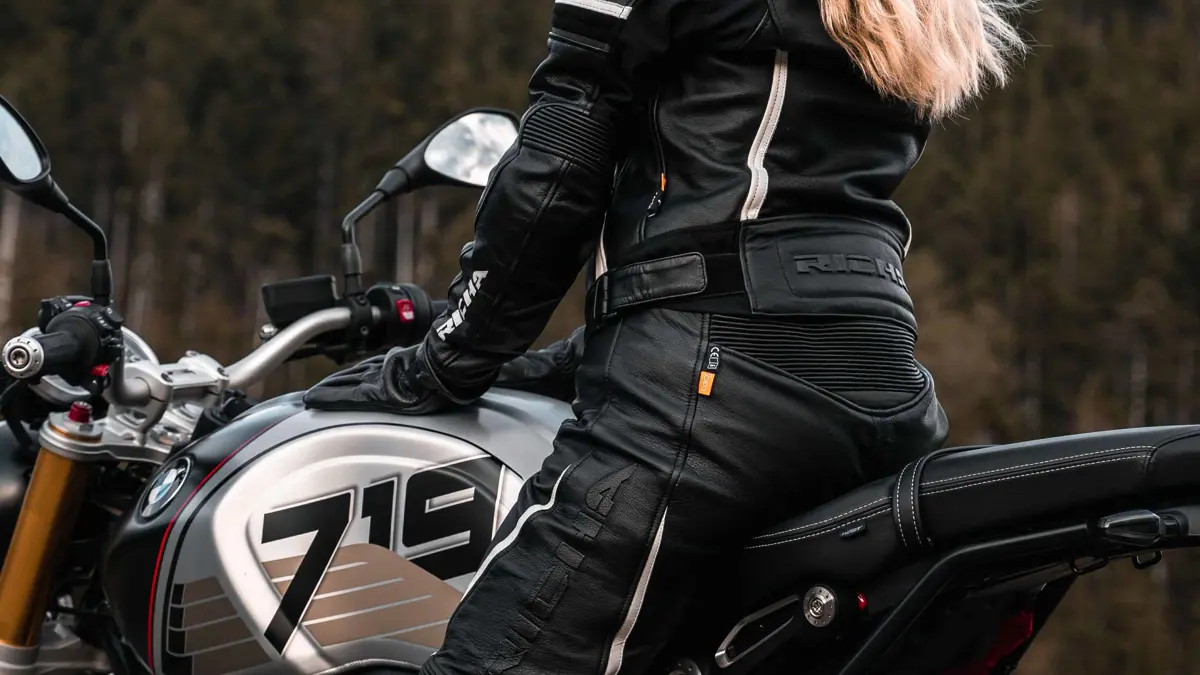
| Leather with armor | High | Excellent abrasion resistance and impact protection |
| Textile with padding | Medium | Good ventilation and moderate protection |
| Mesh gloves | Low | Comfort in heat but less protection |
Credit: www.d3o.com
FAQs For Are Motorcycle Gloves Necessary
Are Motorcycle Gloves Necessary For Rider Safety?
Yes, motorcycle gloves protect your hands from injuries and abrasions during accidents. They also improve grip and control, enhancing overall safety while riding.
Can Gloves Prevent Hand Fatigue On Long Rides?
Absolutely. Motorcycle gloves provide cushioning and support, reducing hand fatigue and discomfort on long rides. This helps maintain better control and focus.
What Materials Are Best For Motorcycle Gloves?
Leather and textile gloves offer durability, comfort, and protection. Leather is abrasion-resistant, while textile gloves provide breathability and weather resistance.
Do Motorcycle Gloves Protect Against Weather Conditions?
Yes, gloves shield hands from cold, rain, and wind. Many gloves come with insulation and waterproof features for all-weather riding comfort.
Conclusion
Motorcycle gloves protect your hands from injuries and weather. They improve grip and control while riding. Wearing gloves helps prevent blisters and fatigue on long trips. Choosing the right gloves keeps your hands comfortable and safe. Gloves are a small step that makes riding safer.
Don’t ignore hand protection on the road. Your hands deserve care every time you ride. Safety starts with simple gear like gloves.


